
Last updated November 18, 2026
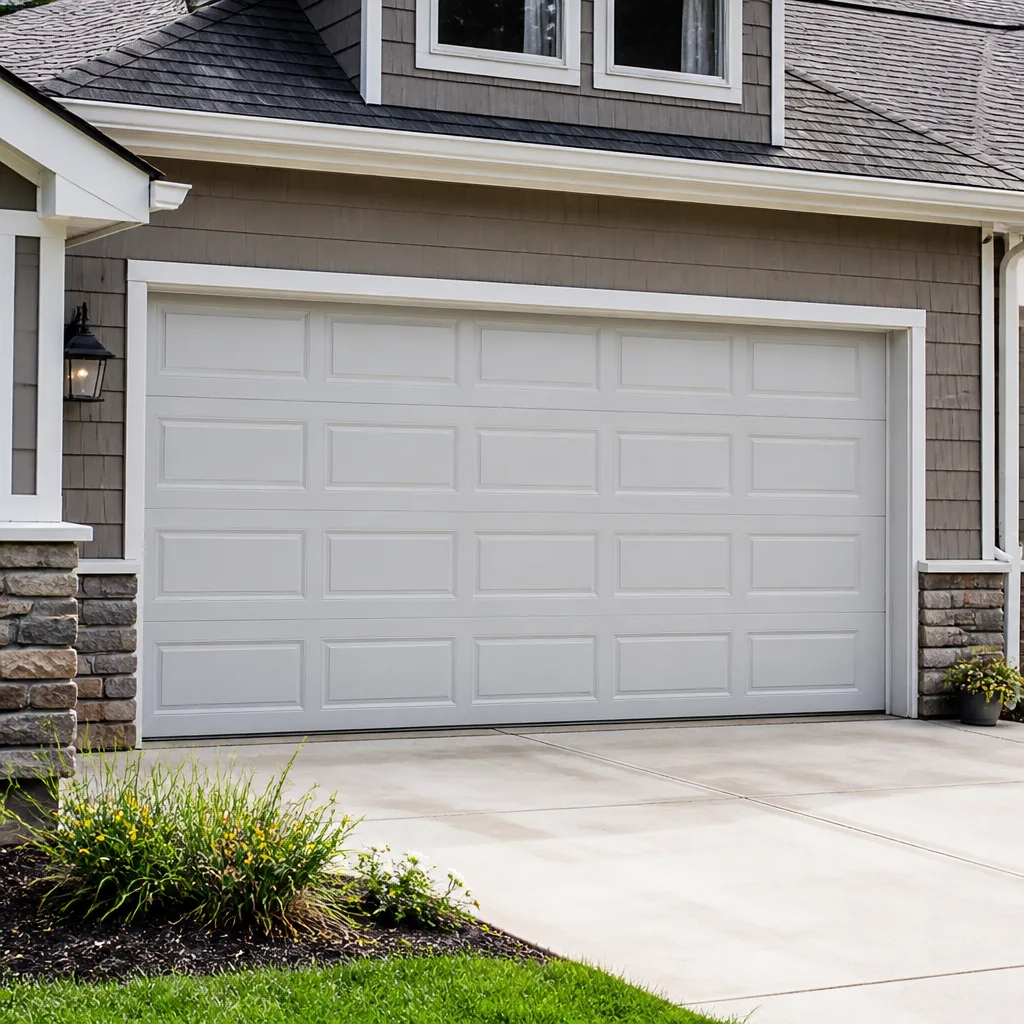 Raised-panel steel
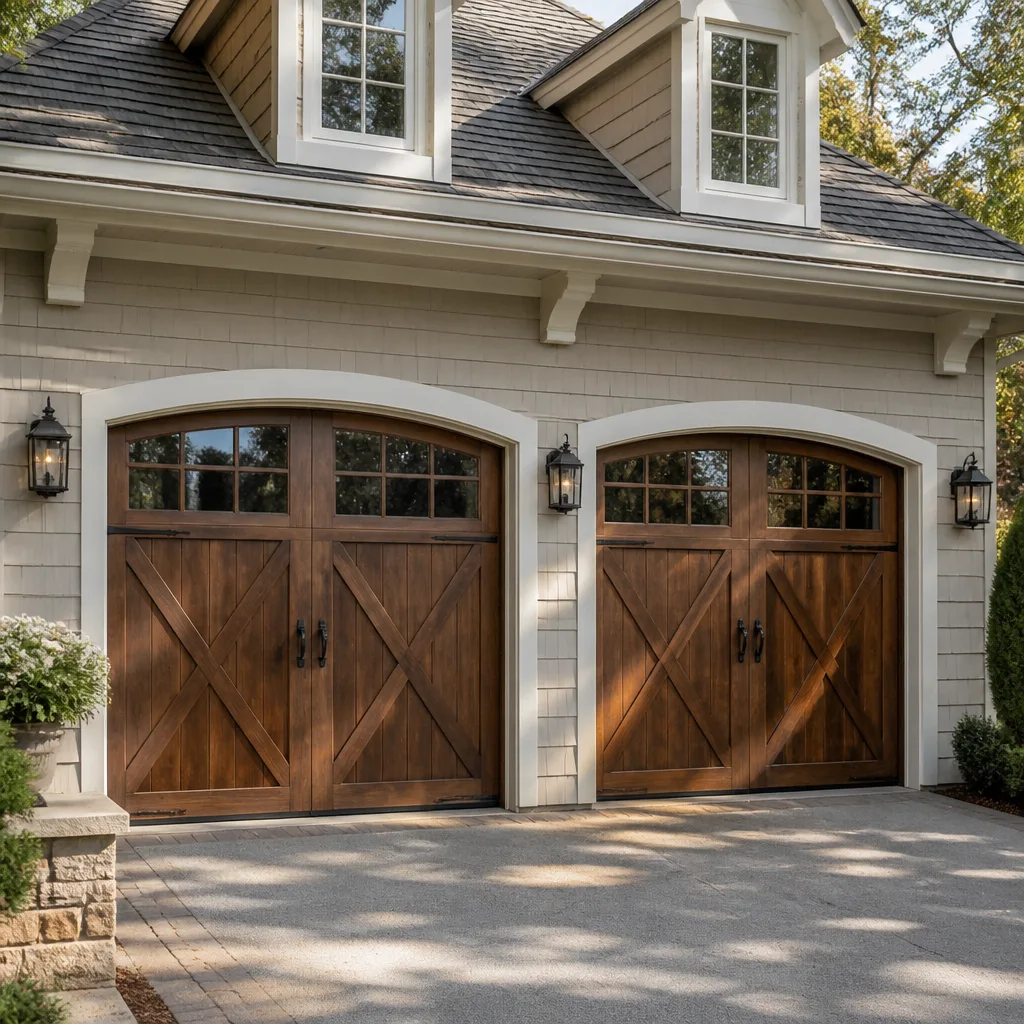 Carriage house
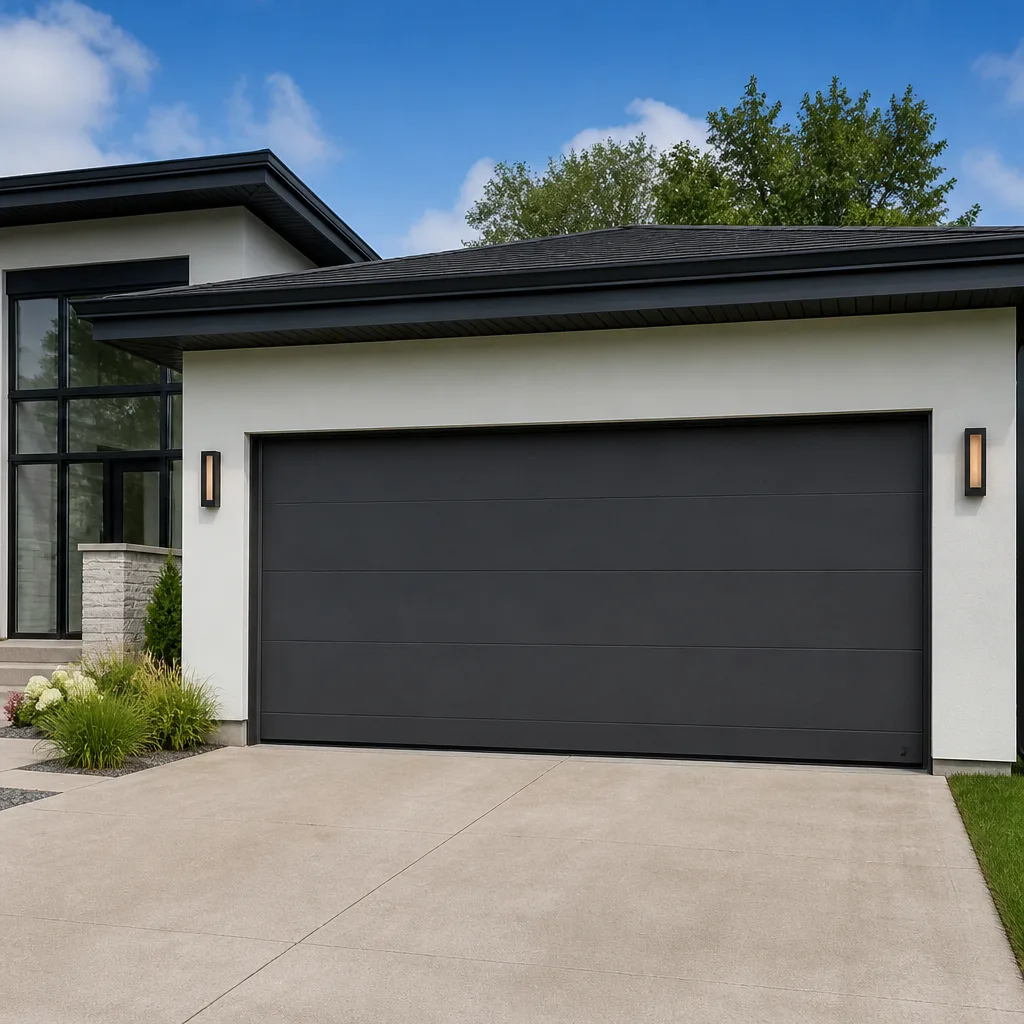 Modern flush
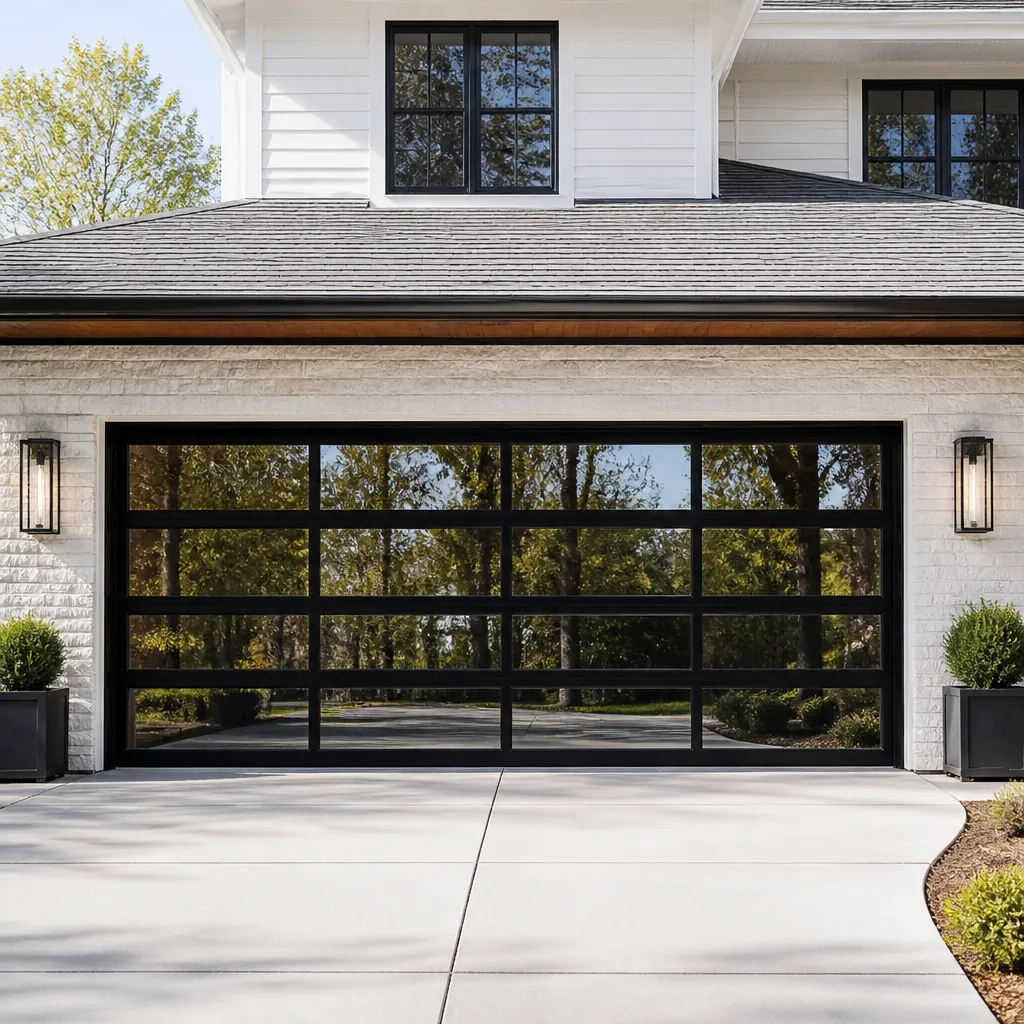 Full-view glass
 LiftMaster openers
 Chamberlain openers
Full 25-point door and opener safety check with every visit - springs, cables, rollers, tracks, and your LiftMaster or Chamberlain opener included
You get a price before we start. It does not change when the pro arrives.
Get your free estimateGarage Door Repair Troubleshooting: Common Problems and How to Fix Them
A garage door has fewer than a dozen moving parts, but homeowners misdiagnose the broken one roughly 60% of the time. That’s how a $40 roller replacement turns into a $300 service call, and how a five-minute wall-button fix turns into a new opener somebody didn’t need. The mistake is almost never laziness. It’s that people start by guessing at parts instead of listening to the door. This guide walks you through the same listen-look-feel sequence we use on every call around Spring Valley: narrow the symptom to a single component first, and you’ll know whether it’s a Saturday job or something to leave alone. The diagnosis is the job. Everything else is just parts and labor.
Quick Answer
Most garage door problems come down to four things: a broken or worn torsion spring, a misaligned track or bent roller, a failing opener (often just its battery or logic board), or a safety sensor knocked out of line. You can pin down which one in about five minutes by listening to the door, looking at the hardware, and doing a two-foot manual lift to test spring balance. Anything involving the springs or the cables under tension is a stop-and-call situation, not a DIY repair.
Styles & brands we work with
- Raised-panel steel
- Carriage house
- Modern flush
- Full-view glass
- LiftMaster openers
- Chamberlain openers
Table of Contents
- The Listen Test: What Each Sound Tells You
- Is It the Opener, or the Door the Opener Fights?
- The Two-Foot Manual Lift Test
- Track, Rollers, and Off-Level Doors
- Safety Sensors, Limits, and the Remote That Won’t Work
- Springs and Cables: The Parts You Don’t Touch
- Common Misdiagnoses We See in Spring Valley
- Fix It Today vs. Fix It This Week
The Listen Test: What Each Sound Tells You
Before you touch anything, stand in the garage and run the door through one full open-and-close cycle with your ears open. The noise it makes is a map. Each sound points at one part, and once you’ve paired sound to component you’re already halfway through the diagnosis.
- Loud grinding or a screech that grows as the door rises: usually dry or seized rollers and hinges, or a steel roller that’s lost its bearing. A single bent roller grinding on the track will sound the same, so look for the one that’s sitting crooked.
- A sharp pop, followed by the door not opening at all: a broken torsion spring, almost every time. The pop is the spring letting go. Stop here and call.
- A steady hum with no movement: the motor is getting power but the door isn’t moving. On a Wayne Dalton or Craftsman unit this is often a stripped gear inside the opener, or the door is jammed against a bent track.
- Silence, no hum at all: the opener isn’t getting power, the wall button or remote battery is dead, or a safety sensor is blocking the signal. Check the breaker and the wall button before blaming the motor.
- A rumbling clunk when the door hits the floor: the close limit is set too far, so the door is slamming instead of easing down. Adjustable, but worth fixing before the impact loosens hardware.
In our experience, the grinding-roller call is the one homeowners most often mistake for a dead opener. The motor is fine. It’s just dragging a door that fighting it.
Is It the Opener, or the Door the Opener Fights?
Here’s the rule that saves people the most money: if the opener is straining, the problem is almost never the opener. An opener that hums, heats up, or trips its overload isn’t weak – it’s trying to lift a door that’s out of balance, dragging on the track, or riding on a spring that’s failing. Replace the motor first and you’ll be back where you started with a brand-new opener fighting the same worn door.
To tell the two apart, do this:
- Pull the emergency release cord to disconnect the door from the opener rail. This is the red handle hanging from the trolley.
- Lift the door by hand (the two-foot test below tells you what you’re feeling for).
- If the door is heavy, stiff, or grinds by hand, the trouble is in the door – springs, rollers, track – and the opener is innocent.
- If the door glides easily by hand but the opener still won’t move it, now you’re looking at the opener: a stripped gear, a bad logic board, or a burned-out capacitor.
Around Spring Valley we’ve pulled a lot of perfectly good LiftMaster motors that were replaced for no reason, when the real issue was a seized roller two feet away. Reconnect the release before you call anybody, so the door at least closes by hand if you need it locked up for the night.
The Two-Foot Manual Lift Test
This is the single most useful test a homeowner can run, and it takes under 30 seconds. It tells you whether your springs are still doing their job. Do it only with the door disconnected from the opener (using the release cord) and the door fully closed, and keep your body clear of the springs while you work.
- Stand at the center of the door and grip the bottom edge with both hands.
- Lift steadily, about two feet up, and then stop.
- Let go gently. A door with balanced springs will stay put, roughly where you left it, or drift slowly.
If the door feels like it weighs 200 pounds and drops straight back down, your springs are weak or broken. If it flies up on its own and won’t stay down, your springs are over-wound. Either way you’re looking at spring work. That’s the one job on a garage door that genuinely belongs to a trained technician – a torsion spring is a wound steel spring under heavy tension, and it can take a finger or worse if it lets go while you’re working it. We’ll say it plain: respect it, don’t test it. A door is 200 pounds riding on two springs.
Track, Rollers, and Off-Level Doors
Once you’ve ruled out the springs, look at the metal. Tracks are the rails the door rides in, and rollers are the wheels that sit inside them. Both take a beating, especially in a dry desert climate like ours around Spring Valley, where dust works into the roller bearings and the heat dries out lubricant faster than most of the country sees.
- A bent track: look for a kink where the door hesitates or jumps. A small dent near a curve can be the whole problem. A technician can often straighten it without replacing it.
- Worn or cracked nylon rollers: rollers should spin freely by hand. If one is wobbling, cracked, or seized, that’s your noise. Replacing rollers is a low-cost fix – one of the cheapest calls on the truck, since they’re often the part actually causing the grinding.
- A door that hangs crooked: one side of the door rises before the other. That usually points to a stretched or worn cable on one side, or a roller out of its track on that side.
- A gap at the bottom: if your door doesn’t seal to the floor, check the bottom rubber weather seal and the close limit. A gap lets in mice, dust, and heat – not just a draft.
If a door is off its track entirely, don’t force it. A door riding half-out of its track is unstable and can fall. Leave it and get a professional out to set it back correctly.
Safety Sensors, Limits, and the Remote That Won’t Work
These are the little problems that feel like big ones. If your door starts to close and reverses on its own, or won’t close at all, nine times out of ten it’s the safety sensors – the two little electric eyes mounted at the floor on either side of the door. They shoot an invisible beam across the opening and stop the door if anything crosses it.
- Sensor out of line: one eye knocked slightly askew by a broom, a bike, or the trash can breaks the beam. Each sensor has a small indicator light that should glow steady when aligned. If it’s blinking or dark, re-aim it until it’s steady.
- Sensor lens dirty: in dusty Spring Valley conditions the lens gets clouded and the door gets flaky. A soft cloth clears it.
- Sun glare: a sensor positioned so the afternoon sun hits it dead-on can misread and refuse to close. This one is easy to miss.
- Dead remote or wall button battery: the wall button is directly wired and has no battery, so if the wall button works and the remote doesn’t, it’s the remote battery or the remote programming. On a Raynor or Chamberlain system, a remote can also lose its memory after a power surge and needs re-pairing.
- Down-limit set too low: the door hits the floor, the opener thinks it’s an obstruction, and it reverses. The limit screws on the opener adjust this – a small tweak, but be gentle; a door that reverses on its own isn’t safe to leave.
Walk out to the sensors and just look at the little lights. That one step solves a surprising share of Spring Valley service calls before we ever get in the truck.
Springs and Cables: The Parts You Don’t Touch
We’re not going to hand you a step-by-step for replacing a torsion spring, and nobody who knows what they’re doing would. This is the safety line and it’s firm. A torsion spring stores an enormous amount of energy. When it releases wrongly it moves fast enough to do real damage, and the winding bars and techniques that make the job safe are not something you pick up from a video.
Here’s what you can do safely: recognize the signs and know when to stop.
- A visible gap in the spring: look at the spring above the door. A clean break shows as a separated coil. That door won’t open by opener or by hand – leave it and call.
- The pop you heard: if you heard a bang and the door stopped dead, that’s a broken spring until proven otherwise.
- A frayed or kinked cable: the cables run up the sides to the drum. A single frayed strand means the cable is on its way out. Don’t run the door on it.
- A door that drops fast on one side: a failing cable or spring on one side. Don’t keep operating it – the other side is carrying the whole load now.
We count spring cycles the way you’d count tire miles, and we’ll tell you honestly what’s left on yours. When a spring is done, the right call is a trained technician, not a parts run.
Common Misdiagnoses We See in Spring Valley
We hear the same wrong guesses week after week, and each one costs a homeowner money:
- “My opener’s dead” when the truth is a bent track or a seized roller. The opener quit because the door was fighting it, not the other way around.
- “My springs are shot” when it’s a dead battery in the wall button or remote, or the safety sensors are out of line. Springs don’t cause a remote to stop working.
- “I need a whole new door” when the door just needs rollers and a track straightening. A door that’s still solid rarely needs replacing over a grinding roller.
- “It’s just old” when the down-limit needs a two-minute adjustment. Plenty of “aging” doors are fine once the limit’s reset.
- “I’ll spray it and see” when the noise is a cracked roller, not a lubrication problem. Grease won’t fix a broken bearing.
The pattern is simple: people skip the listen-look-feel steps and jump straight to the most expensive part. Do the five-minute diagnosis first and you’ll know whether you’re looking at a $40 fix or a real repair.
Fix It Today vs. Fix It This Week
Some problems are a nuisance. Some are a hazard. Here’s how we sort them.
Fix it today, before someone gets hurt:
- Any broken spring or snapped cable – the door is unsafe to operate.
- A door off its track or hanging crooked on one side – it can fall.
- A door that reverses on its own or won’t stay down – a child or pet can be hurt if the safety system fails.
- A door that fell and won’t open with your vehicle sealed inside – that’s a today call, and around Spring Valley we know it never happens at a convenient hour.
Fix it this week:
- Grinding, squeaking, or a rattling roller – it’s wearing, but it won’t fail you overnight.
- A slow or lazy close, or a limit that’s off by an inch – fixable before the hardware loosens.
- A remote or sensor that’s flaky – inconvenient, not dangerous.
- A worn weather seal at the bottom – a comfort and pest problem, not a safety one.
If you’re not sure which column a symptom falls into, call and describe it. We’d rather tell you it can wait till Monday than have you run a door that shouldn’t move.
Common Mistakes to Avoid
- Replacing the opener before testing the door. Most “dead opener” calls are a door that’s out of balance or dragging. Test by hand first and you’ll save the motor.
- Forcing a door that’s off track or has a broken spring. Running it hard on a failed spring or cable can bend the track and send the door down. Stop operating it.
- Greasing everything to quiet a noise. Grease won’t fix a cracked or seized roller, and it just attracts dust in our dry Spring Valley air. Find the actual bad part.
- Ignoring a small bend in the track. A kink that seems minor keeps the rollers chewing and can bend a hinge. Straighten it or have it straightened before it grows.
- Resetting the sensors and calling it done when the door still reverses. If it keeps reversing after the eyes are aligned, the limit or the motor is the problem – don’t leave a door that won’t safely close.
- Paying before the price is written down. Never let a job start without the number in writing. A quote on the phone that changes at the door is the exact thing you’re trying to avoid.
- Assuming the cheapest bid is the honest one. The outfit that quotes low on the phone and high at the driveway is counting on you being too polite to push back. Ask for the price in writing before they start.
See the difference
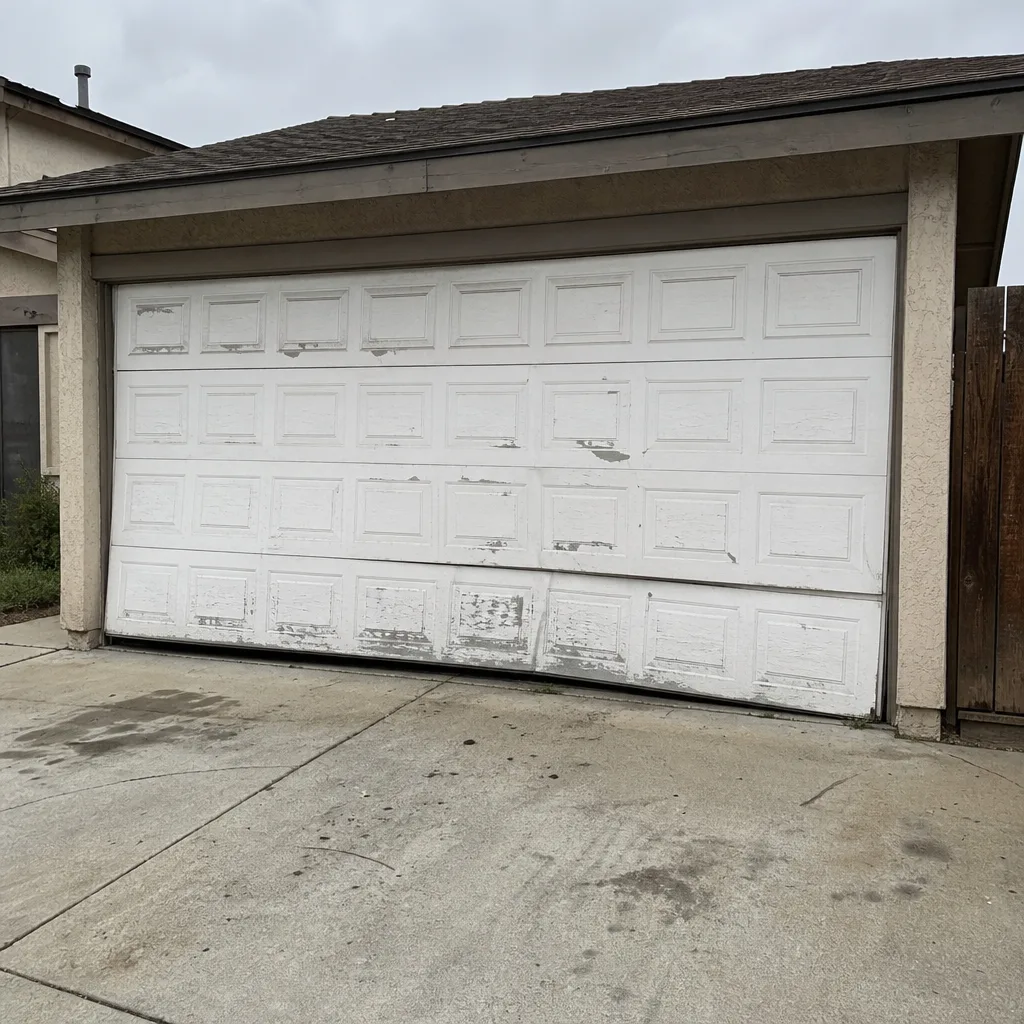 Before
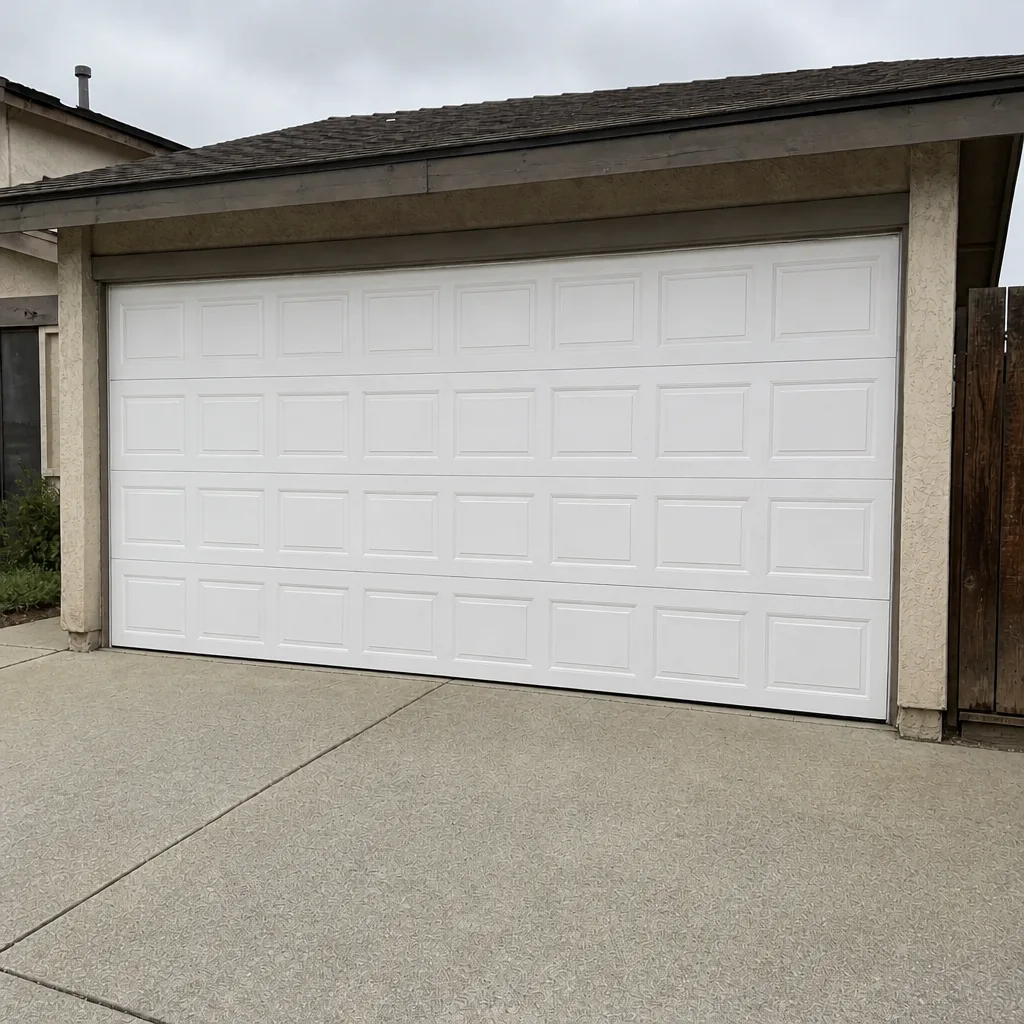 After
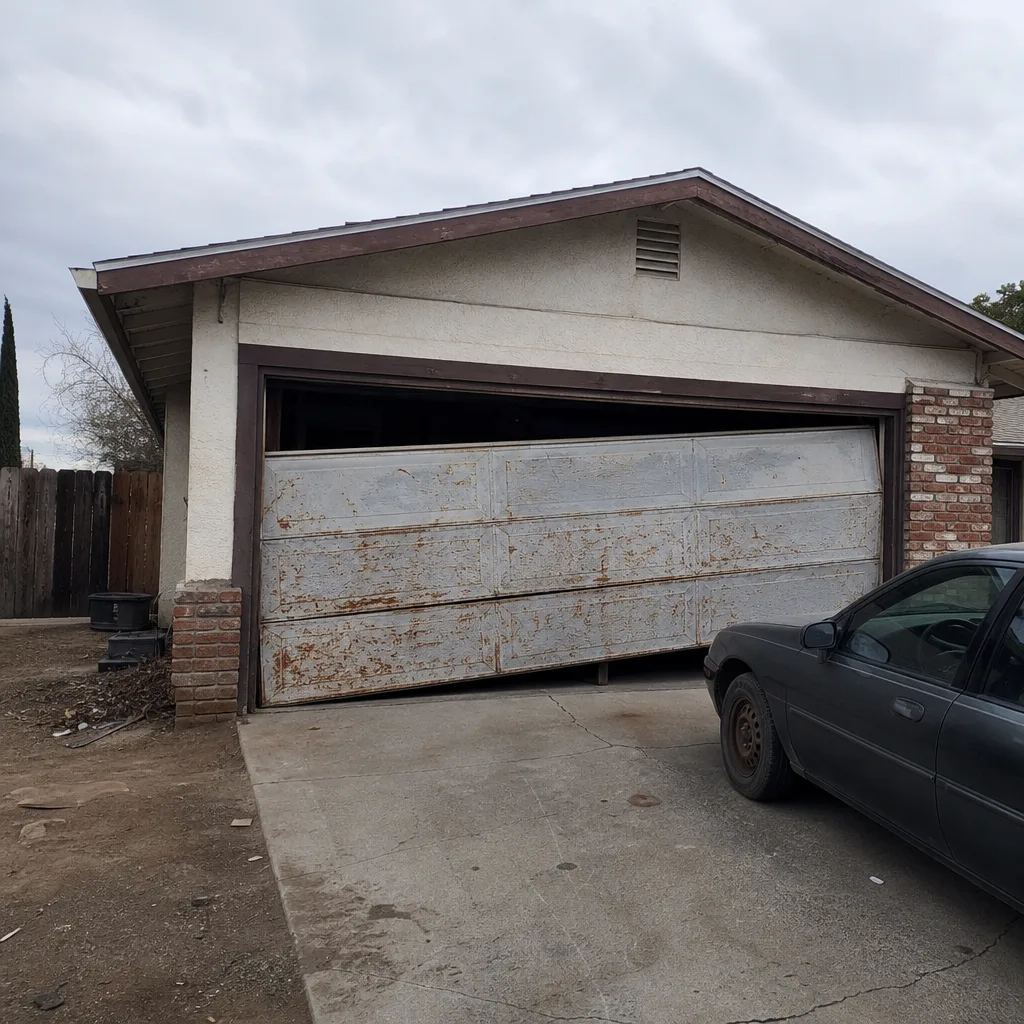 Before
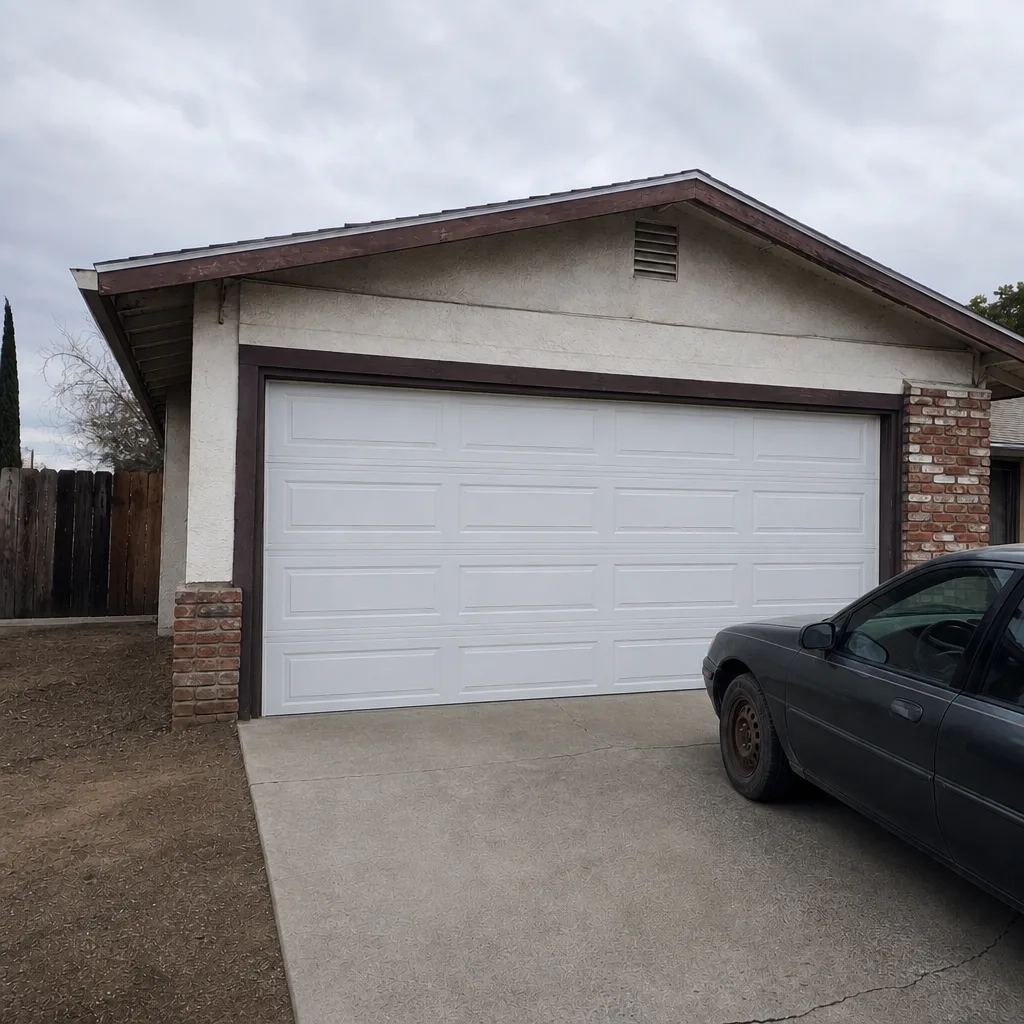 After
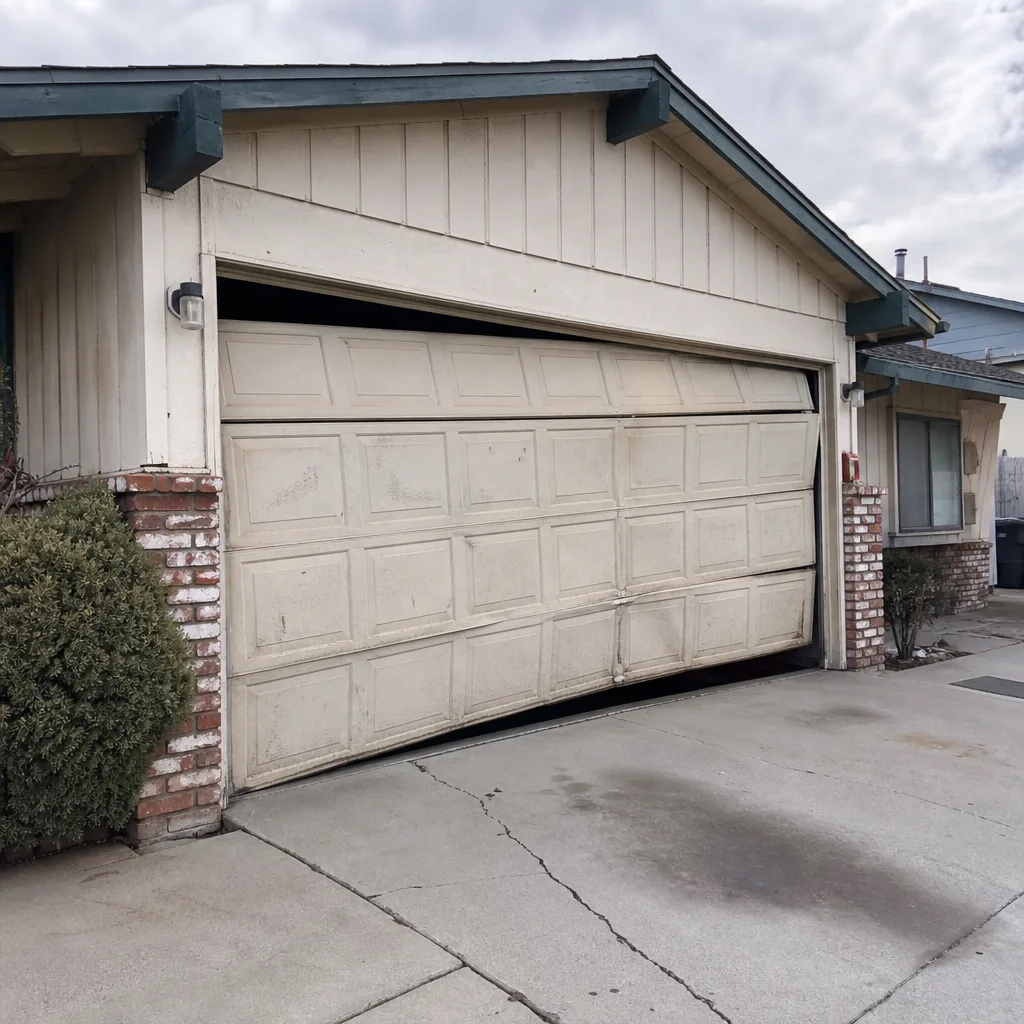 Before
 After
When to Call a Professional
Call a professional the moment a spring or cable gives way, a door comes off its track, or a door hangs crooked on one side. Those are the ones where the risk is real and the job isn’t a parts swap. Beyond that, call when the diagnosis stumps you – when the opener hums but won’t move the door, when a grinding noise won’t quit after a roller check, or when a door that closed fine last week now slams or reverses. A trained eye finds the one bad part fast, and that’s cheaper than throwing parts at it. Around Spring Valley, a lot of the “mystery” failures we see all trace back to the same two culprits: a worn roller grinding in the dust, or a limit that’s drifted. Either way, one visit settles it. Otto’s Garage Door Spring Valley offers free estimates in Spring Valley, and your price gets quoted and agreed before any work starts. Call (888) 318-1978.
Frequently Asked Questions
Look at the spring above the door for a visible gap or separated coil, and listen – a broken spring usually makes a loud pop and leaves the door unable to open. If you see the gap or heard the pop, stop operating the door and call. This one isn’t a DIY fix; a torsion spring is under heavy tension and can injure you if it releases unexpectedly. Call (888) 318-1978 for an exact quote, and we’ll tell you honestly what’s wrong before you spend a dime.
A humming opener that won’t move the door is usually getting power fine while the door is jammed or the opener’s internal gear has stripped. Disconnect the door with the release cord and lift it by hand – if the door is stiff or heavy, the problem is the door, not the motor. If the door moves freely by hand and the opener still won’t lift it, the motor’s the culprit. Call us at (888) 318-1978 for a free estimate to sort out which one you’re facing.
A door that reverses on its own is almost always a misaligned or dirty safety sensor, or a close limit set too low that reads the floor as an obstruction. Check the two sensor lights at the floor – they should both glow steady and line up across the opening. If they’re aligned and it still reverses, the limit needs adjusting. Don’t leave a self-reversing door; it’s a safety problem. Call (888) 318-1978 for a free estimate.
You can inspect it, but a bent track is best left to a technician – forcing a track back into shape under a door that’s still attached can drop the door or bend a hinge worse. A minor kink is often straightened in one visit without replacing the track. If your door is off the track entirely, don’t run it. Call (888) 318-1978 and we’ll take a look before it gets worse.
We do – Otto’s Garage Door has served the Spring Valley area and surrounding counties since 2004, and a live person answers the phone around the clock. We offer free estimates, no trip charge inside our county, and a Senior & Veteran 10% discount that’s always available. When you call (888) 318-1978, you’ll get a real quote on that call, and we hold the number when we show up.
No – the price is quoted and agreed before any work starts, and it doesn’t move between the phone and the driveway. We know the exact fear: a national outfit quotes one number on the call and bills another at the door. That’s why we put the number in writing up front, back it with our 90-Day Done Right Promise, and stand behind every job. Call (888) 318-1978 for a free estimate – the price you hear is the price you pay.
The Bottom Line
The diagnosis is the job. A garage door has fewer than a dozen moving parts, and the listen-look-feel sequence narrows almost any problem to a single component before you spend a dime. Listen for what each sound points at, disconnect the door and test the balance by hand, and look at the track, rollers, and sensor lights. That five-minute walk tells you whether you’re looking at a $40 roller or a broken spring that needs a real technician – and it keeps you from replacing an opener that was never the problem. When in doubt, or when it’s a spring or a cable, don’t test it. Call.
If you’ve run the steps and you’re still not sure what’s wrong – or you know it’s a spring and you want it done right – Otto’s Garage Door Spring Valley offers free estimates in Spring Valley. Call (888) 318-1978 for a free estimate, and a live person will answer, quote the job, and hold the number when we get there. Every job carries the 90-Day Done Right Promise in writing, and you’ll get the same name on the van, the invoice, and the phone.
Written by the team at Otto’s Garage Door Spring Valley.