
Last updated November 18, 2026
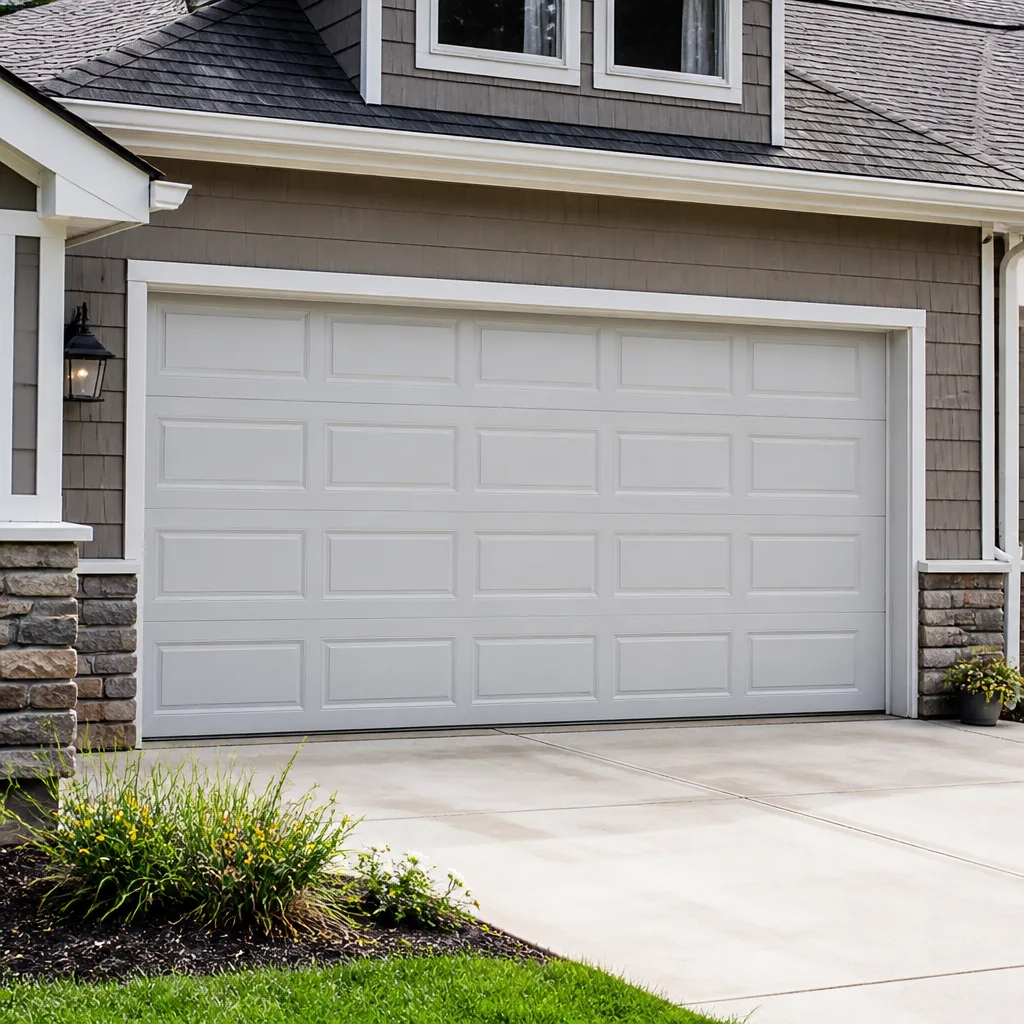 Raised-panel steel
 Carriage house
 Modern flush
 Full-view glass
 LiftMaster openers
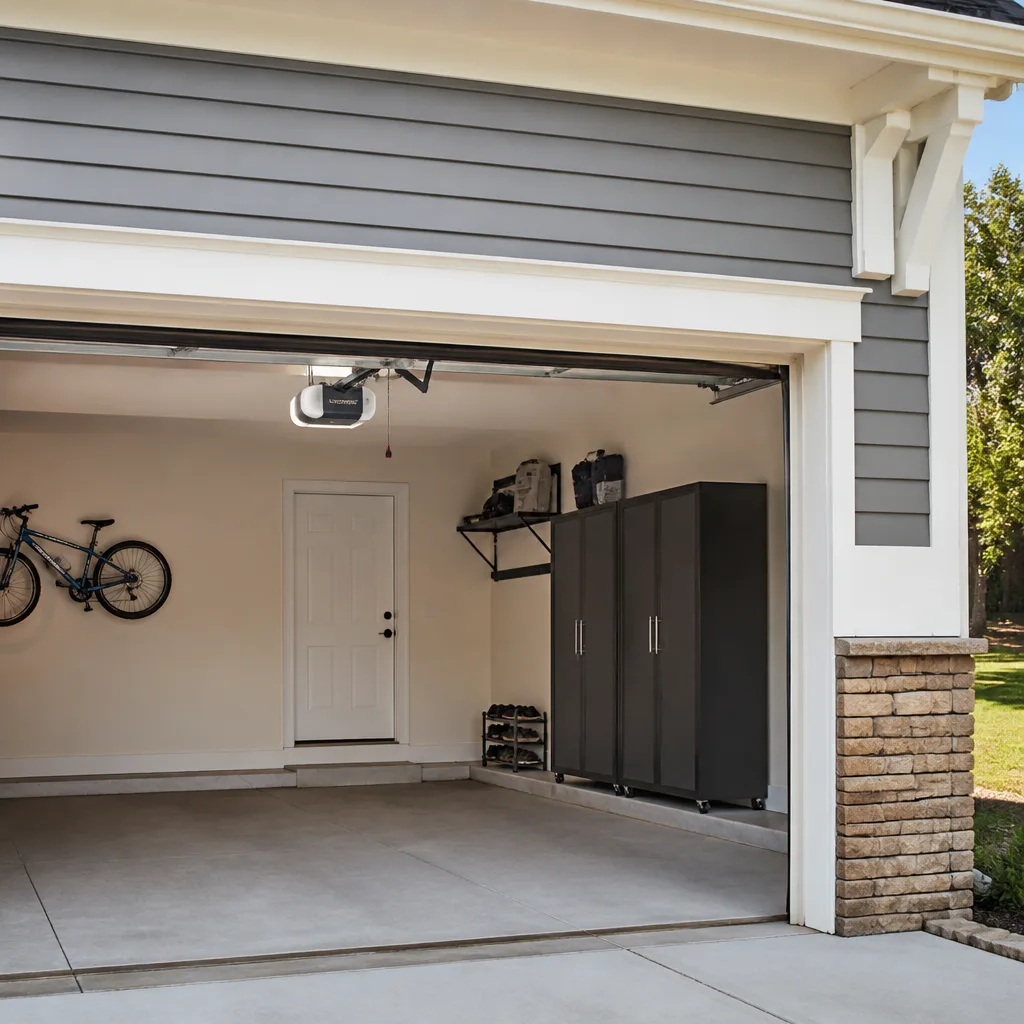 Chamberlain openers
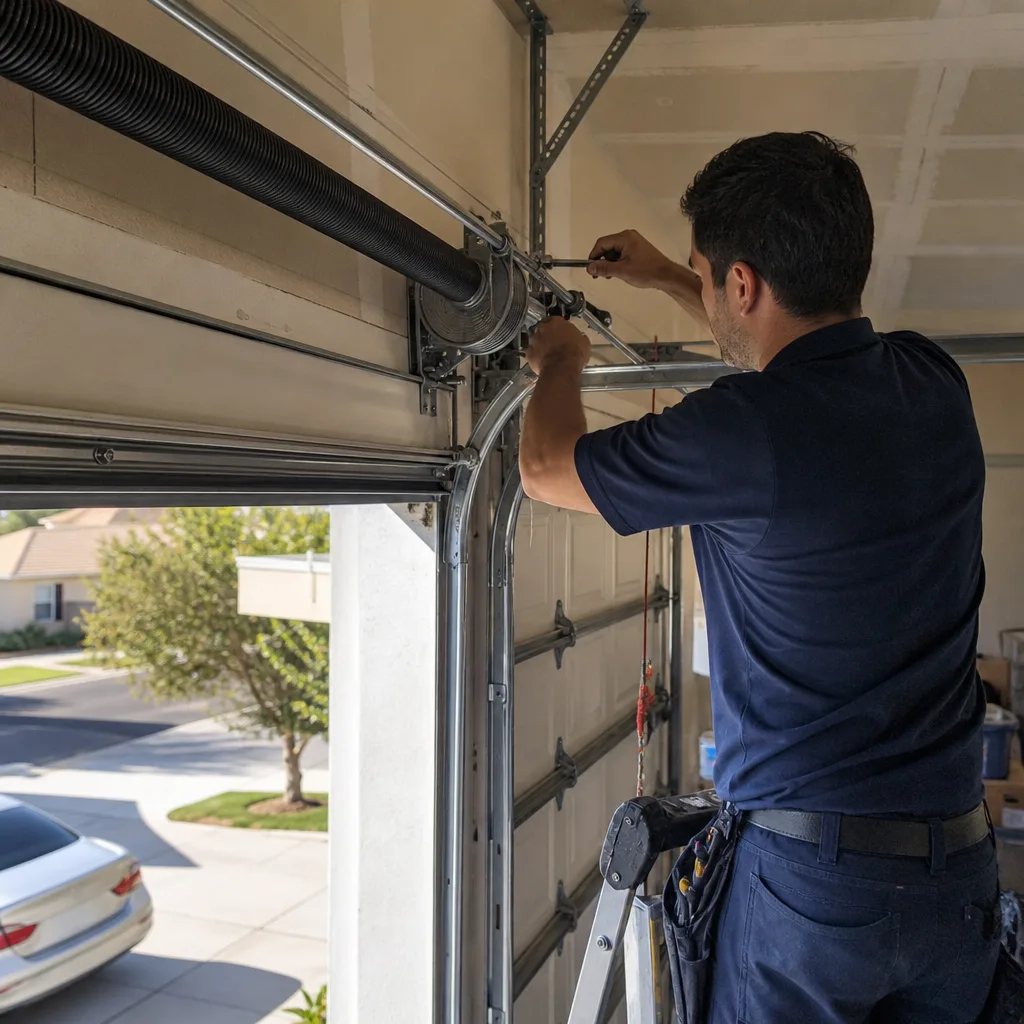
Full 25-point door and opener safety check with every visit - springs, cables, rollers, tracks, and your LiftMaster or Chamberlain opener included
You get a price before we start. It does not change when the pro arrives.
Get your free estimateGarage Door Repair Maintenance Schedule: What to Do and When
Last October, I replaced three sets of rollers that had been installed brand new in April. Six months. That’s all they got. The homeowners did nothing wrong except grab the first can in the garage when the door started chirping, and that can was petroleum-based. Spring Valley summer heat turned that lubricant into glue, the rollers stopped turning and started dragging, and the door ground itself down all summer long. The door didn’t fail because it was old. It failed because it was maintained on the wrong clock. One annual tune-up sounds tidy, but Spring Valley doesn’t run on one season. It runs on two hard ones, and what your door needs going into winter is nothing like what it needs going into summer. Here’s the two-season schedule we actually use.
Quick Answer
In Spring Valley, your garage door needs two maintenance passes a year, not one: a fall inspection in October or November to catch heat damage from summer, and a spring prep in March to recalibrate spring tension after winter cold-contraction before the heat cycle starts again. Each pass takes 30 to 45 minutes of homeowner checks plus a professional tune-up once a year. The schedule is tied to temperature swings, not the calendar month, because desert heat and cold nights stress the door in completely different ways.
Styles & brands we work with
- Raised-panel steel
- Carriage house
- Modern flush
- Full-view glass
- LiftMaster openers
- Chamberlain openers
Table of Contents
- Why Spring Valley Needs a Split Schedule
- The Fall Inspection: Catching Summer Damage Before Winter
- The Spring Prep: Recalibrating Before the Heat Returns
- Which Lubricants Survive Desert Heat (and Which Ruin Your Door)
- The Six-Month Torque Check: Which Bolts Vibrate Loose
- How to Log Your Maintenance So a Tech Can Read It Fast
- Common Mistakes to Avoid
- When to Call a Professional
Why Spring Valley Needs a Split Schedule
Most garage door maintenance advice you’ll find online was written for a climate with four mild seasons. It tells you to “service your door once a year” and leaves it there. That advice falls apart in Spring Valley, where a door can sit at 40 degrees at dawn in January and 105 degrees by July, with months of 100-plus afternoons in between. Metal expands in that heat and contracts in the cold. Springs lose tension when the temperature drops and gain stress when it climbs. Lubricant that flows fine in spring can bake solid by August.
That’s why a single tune-up in, say, June misses the point. By June, summer damage is already underway and winter-contraction problems have already compounded. The door needed attention in March, before the heat arrived, and again in October, after it left.
We’ve watched this play out across the valley. Doors on the west-facing side of a house, baking in afternoon sun, wear faster than shaded doors on the same street. A Genie opener that runs smooth in a cool garage will strain against a door whose rollers have stiffened in the heat. None of that shows up on a once-a-year schedule until something breaks. The split schedule catches it while it’s still a $40 roller instead of a $600 repair. If you want the full picture of what repair work looks like in this climate, our Garage Door Repair in Spring Valley page walks through the failures we see most.
The Fall Inspection: Catching Summer Damage Before Winter
Summer is the hardest season on a Spring Valley garage door, and most of the damage it does is invisible until winter makes it worse. The fall pass is about finding that damage in October or November, before cold nights start contracting everything and turning small problems into big ones.
Here’s what summer heat specifically does, and what to check for:
- Rollers. Heat stiffens lubricant, and stiff lubricant makes rollers drag instead of roll. Run the door up and down and listen. A healthy door is quiet. Grinding or squealing means the rollers are fighting the track, and that friction wears both.
- Weatherstripping. The rubber seal along the bottom and sides dries out and cracks in desert heat. Check for brittleness and gaps. A cracked seal lets in dust and pests, and in winter it lets cold air under the door.
- Springs. Look at the coil springs above the door (or the torsion springs on the shaft). Heat fatigues metal. If you see gaps or the door feels heavier than it did in spring, the springs are telling you something.
- Paint and finish. Sun bakes the finish on steel and wood doors. Peeling or fading on a Clopay or Amarr door is cosmetic, but bare metal starts to rust, and rust spreads.
- Tracks. Heat can warp or bow a track slightly. Look down the length of each track from the floor. It should be straight. A bowed track makes the door bind.
Do these checks in the cool of morning, not at 3 p.m. when the door is hot and everything feels tight. Then write down what you find. That list is the start of your maintenance log, and it’s what a technician will read before touching anything.
The Spring Prep: Recalibrating Before the Heat Returns
Winter in Spring Valley is mild, but cold nights still contract metal, and that contraction throws off the tension your door was running on in fall. The spring pass, done in March, is about getting everything back to spec before the heat cycle starts again. Skip it and you spend all summer running a door that’s slightly out of balance, which wears the opener and the springs faster.
Here’s the March checklist:
- Balance test. Close the door, then pull the release handle to disconnect the opener. Lift the door by hand to about waist height and let go. A properly balanced door stays put. If it drops or rises on its own, the spring tension has drifted and needs adjusting.
- Spring tension check. After winter cold, springs that were right in fall may now be under- or over-tensioned. This is the single most important check of the year, and it’s the one you should not do yourself. More on that below.
- Reverse test. Put a two-by-four flat on the floor under the door and close it. The door should reverse on contact. This is a safety function and it matters more than anything else in this list. If it doesn’t reverse, stop using the opener until it’s fixed.
- Photo-eye check. The two small sensors near the floor on each side of the door should have a clear line of sight and a steady light. Wipe them off. Dust is everywhere here, and a dirty lens breaks the beam.
- Track and hardware. Recheck the tracks for straightness after winter, and tighten anything that worked loose.
If the door feels heavy or sluggish after winter, the opener is usually getting blamed for a spring problem. I’ll say it plainly: if the opener is straining, the problem is almost never the opener. Before you replace a Genie or Wayne Dalton unit, get the spring tension checked. Our Garage Door Opener Repair & Installation in Spring Valley page covers how we tell the difference.
Which Lubricants Survive Desert Heat (and Which Ruin Your Door)
This is where most Spring Valley homeowners accidentally wreck their own hardware, and it’s why those three roller sets from last October died in six months. The wrong lubricant is worse than no lubricant at all in this climate.
Use silicone-based lubricant. It stays slick across the full temperature range a Spring Valley garage sees, doesn’t attract dust the way grease does, and won’t gum up when the heat hits. A light coat on the rollers, hinges, and spring coils (never on the tracks themselves) is all you need.
Avoid petroleum-based spray and general-purpose oil like WD-40 for lubrication. These products are fine as a solvent or a freeing agent, but they are not a lasting lubricant in desert heat. They thin out, attract grit, and then dry into a sticky film that grabs the rollers and makes them drag. That’s the glue that ate those three roller sets. The heat finishes the job by baking that film onto the moving parts.
A quick rule: if the can sprays on wet and stays wet, it’s the wrong product for a garage door in Spring Valley. If it goes on and dries to a slick film, you’re in the right territory. Apply lubricant twice a year, once during each seasonal pass, and wipe off any excess. Dust sticks to excess, and stuck dust is just another way to stiffen a roller.
The Six-Month Torque Check: Which Bolts Vibrate Loose
A garage door is 200 pounds of metal riding on a track, and every open and close sends a little vibration through the whole assembly. Over enough cycles, bolts back out. This is normal. What matters is catching it before a loose bracket twists the track or a hinge drops a roller.
On a typical Spring Valley door, these are the fasteners that need a quarter-turn check every six months:
- Hinge bolts. The hinges that connect door panels take constant load and vibrate loose first. Check every hinge.
- Track brackets. These hold the vertical and horizontal tracks to the wall and ceiling. A loose bracket lets the track shift, and a shifted track makes the door bind.
- Roller brackets. The small brackets that hold each roller in the hinge. Snug, not cranked down.
- Center support bearing bracket. On torsion-spring doors, this holds the shaft. If it loosens, the whole shaft moves, and that’s a real problem.
- Bottom bracket bolts. These hold the cable and the bottom panel. Check them by hand, and do not put a wrench on the bottom bracket itself, because the cable runs through it under tension and the bracket can cut you if it lets go.
A quarter-turn past snug is the goal. Overtightening strips threads and cracks brackets, so snug and checked is better than tight and broken. If a bolt won’t hold its torque and keeps backing out, that’s a sign of a worn part, not a stubborn bolt. That’s a good thing to write in your log and mention to a technician.
How to Log Your Maintenance So a Tech Can Read It Fast
A maintenance log sounds like paperwork, but in practice it saves you money. When a technician can read your door’s history, they spend their time fixing the problem instead of re-diagnosing it. That’s less billable time on your invoice. It also means a known quirk gets a known fix, not an expensive investigation from scratch.
Keep it simple. A notebook in the garage or a note on your phone is plenty. Log these things:
- Date of each pass. Fall and spring, every year. You’ll be able to see if you’ve actually kept up the schedule.
- What you checked and what you found. “Rollers stiff, lubed with silicone” or “left track bracket loose, tightened.” Specific beats vague.
- Any noise, heaviness, or balance problem. “Door feels heavier than last fall” is gold to a technician. It points straight at spring fatigue.
- Brands and model numbers. Your opener brand (Genie, LiftMaster, and so on) and the door model if you know it. Parts get matched faster.
- Past repairs and who did them. What was replaced and when. If a spring set was replaced two years ago, that changes the whole diagnosis.
Any technician who knows what they’re doing will read that log before touching the door. If someone starts charging you to figure out a problem you already wrote down, that’s a sign to get a free second opinion before you agree to anything.
Common Mistakes to Avoid
- Lubing the tracks. The tracks are supposed to stay clean and dry so the rollers roll. Greasing them attracts dust and makes the door drag. It’s one of the most common mistakes we see, and it’s easy to fix by wiping them down.
- Using WD-40 or petroleum spray as a lubricant. In Spring Valley heat, these turn gummy and eat your rollers. Those three roller sets from last April are the proof.
- Adjusting the springs yourself. Torsion springs are under enough tension to break bones or worse if they slip, and the cable running through the bottom bracket is just as dangerous. Spring work belongs to someone who does it every day. Not a weekend job.
- Waiting for a noise to get loud before looking at it. A chirp in October is a $40 roller. The same chirp ignored until June is often a repair over $200.
- Skipping the reverse test. It’s the one check that protects people and pets, and it takes thirty seconds. Do it every pass, both seasons.
- Servicing only once a year. One annual tune-up misses the whole point of the split schedule. Spring Valley’s temperature swings won’t wait for your calendar.
- Ignoring the log. If you don’t write down what you found, the next technician starts over from zero, and you pay for it.
When to Call a Professional
Most of the checklist above is homeowner work: lube, tighten, inspect, log. But some of it isn’t, and knowing the line protects both your door and your body. Call a professional when the door is out of balance or won’t stay at waist height on the balance test, when a spring looks gapped or the door suddenly feels heavy, when a cable looks frayed or has come off a drum, when a track is bent or bowed, or when the door won’t reverse on contact and adjusting the opener settings doesn’t fix it.
Springs and cables are the big ones. A door is 200 pounds riding on two springs, and a torsion spring letting go with someone in the way is a serious injury waiting to happen. That’s not a job to learn on. When you’re ready to have it looked at, Otto’s Garage Door Spring Valley offers free estimates in Spring Valley and a free second opinion on any written estimate you already have. Call (888) 318-1978.
See the difference
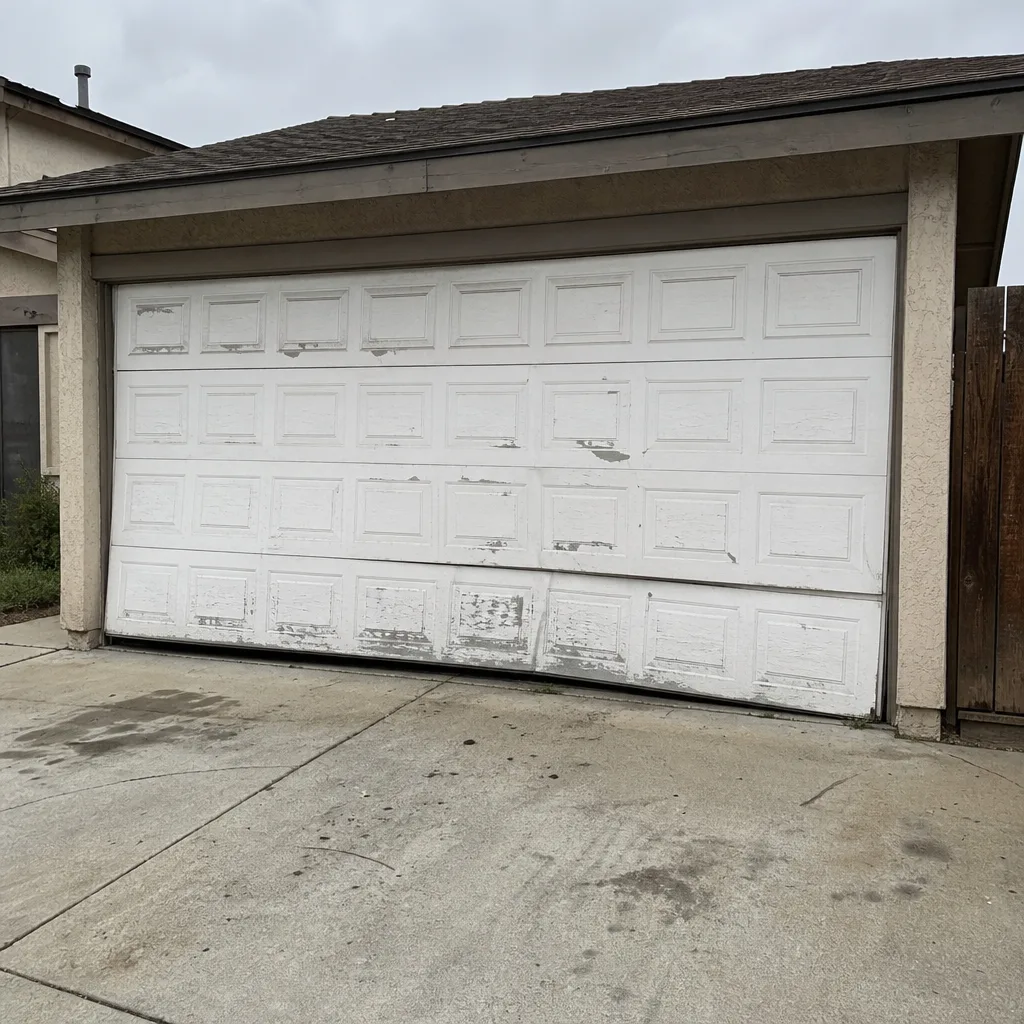 Before
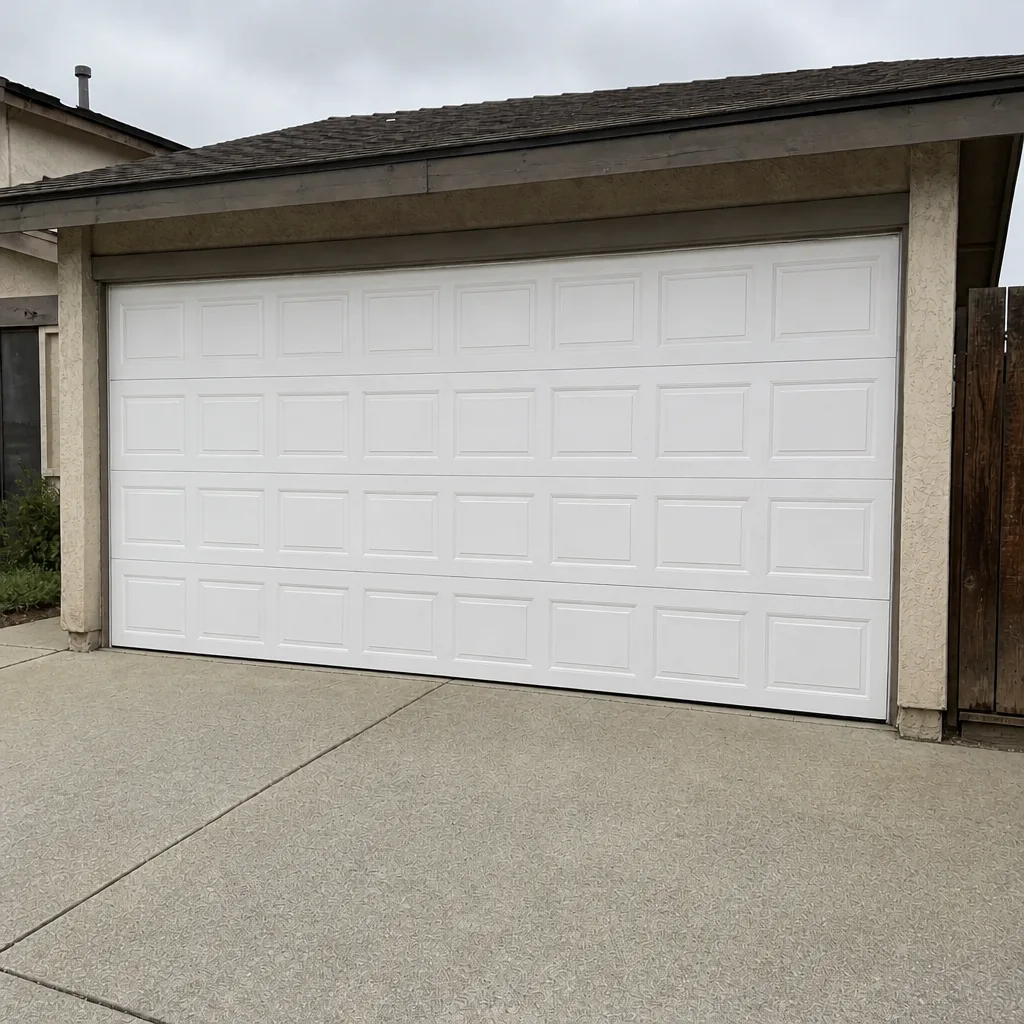 After
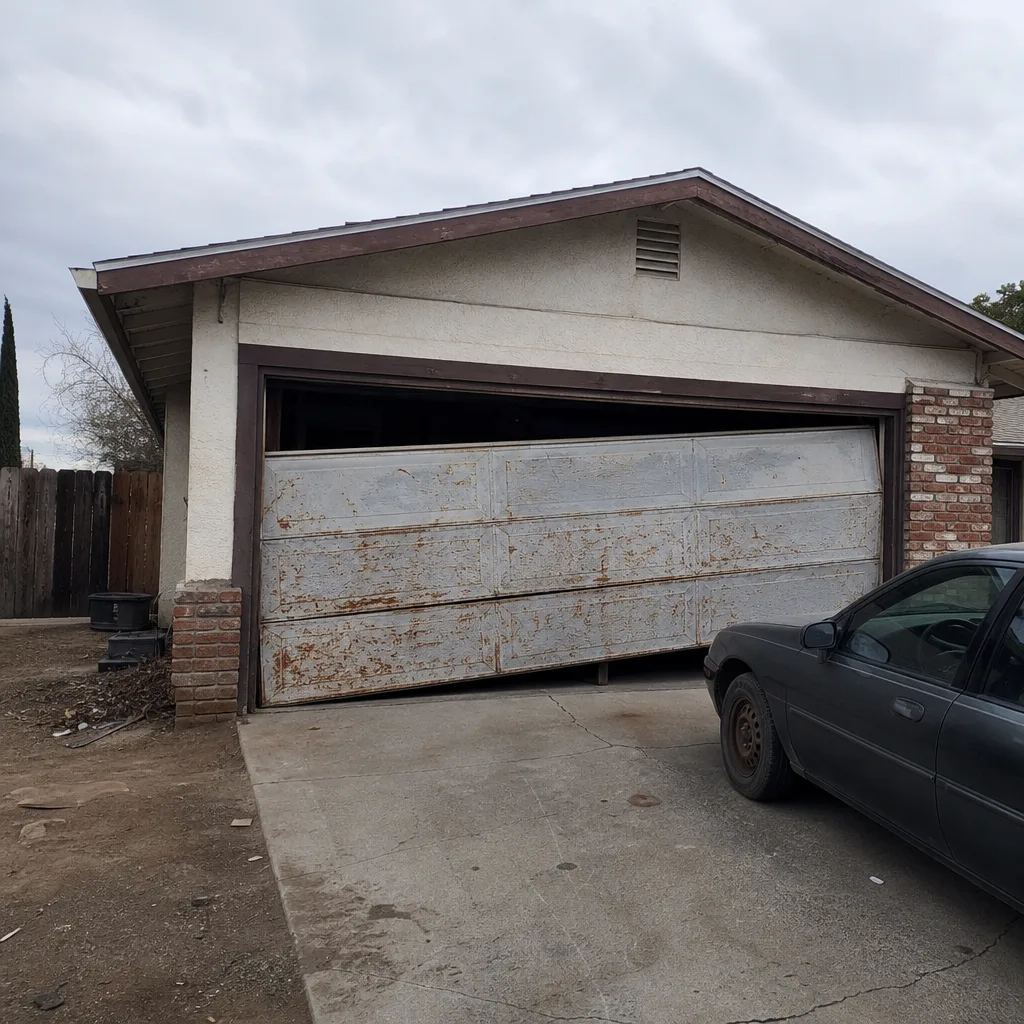 Before
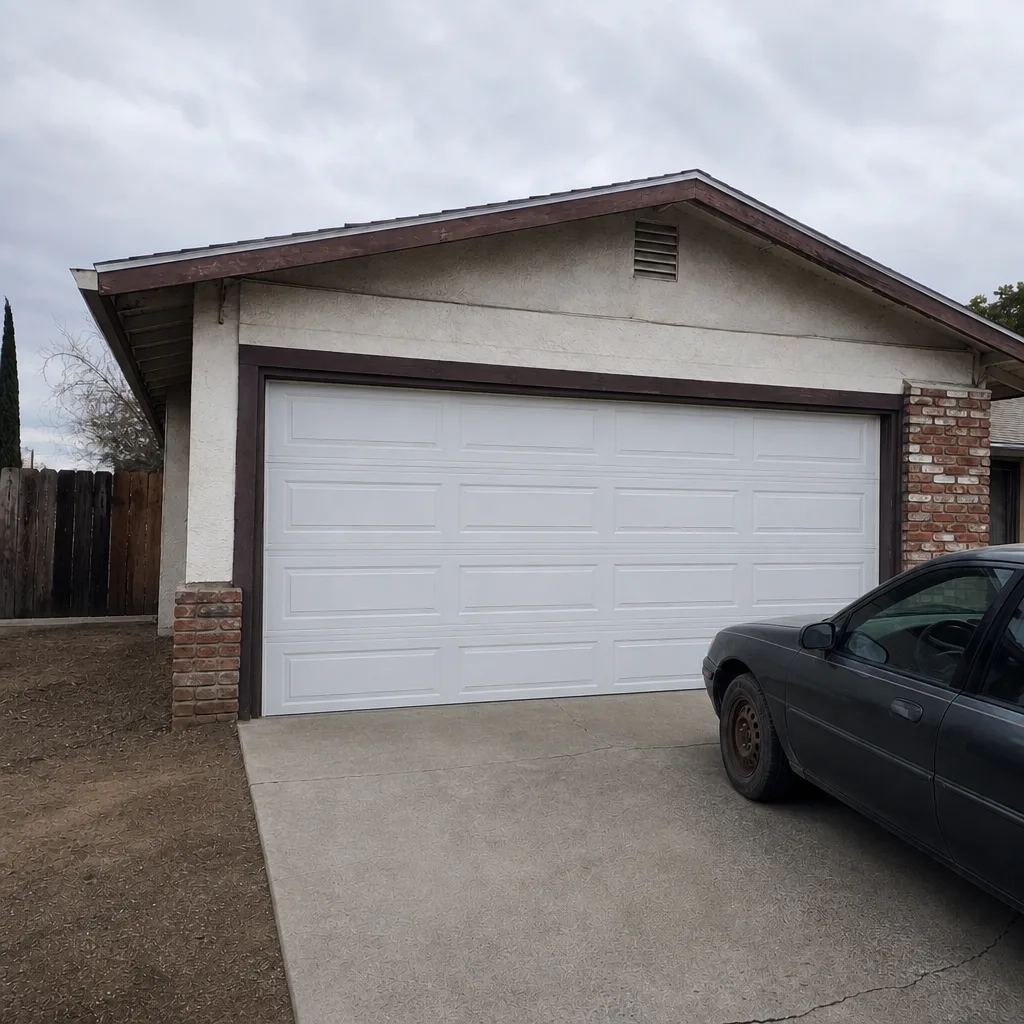 After
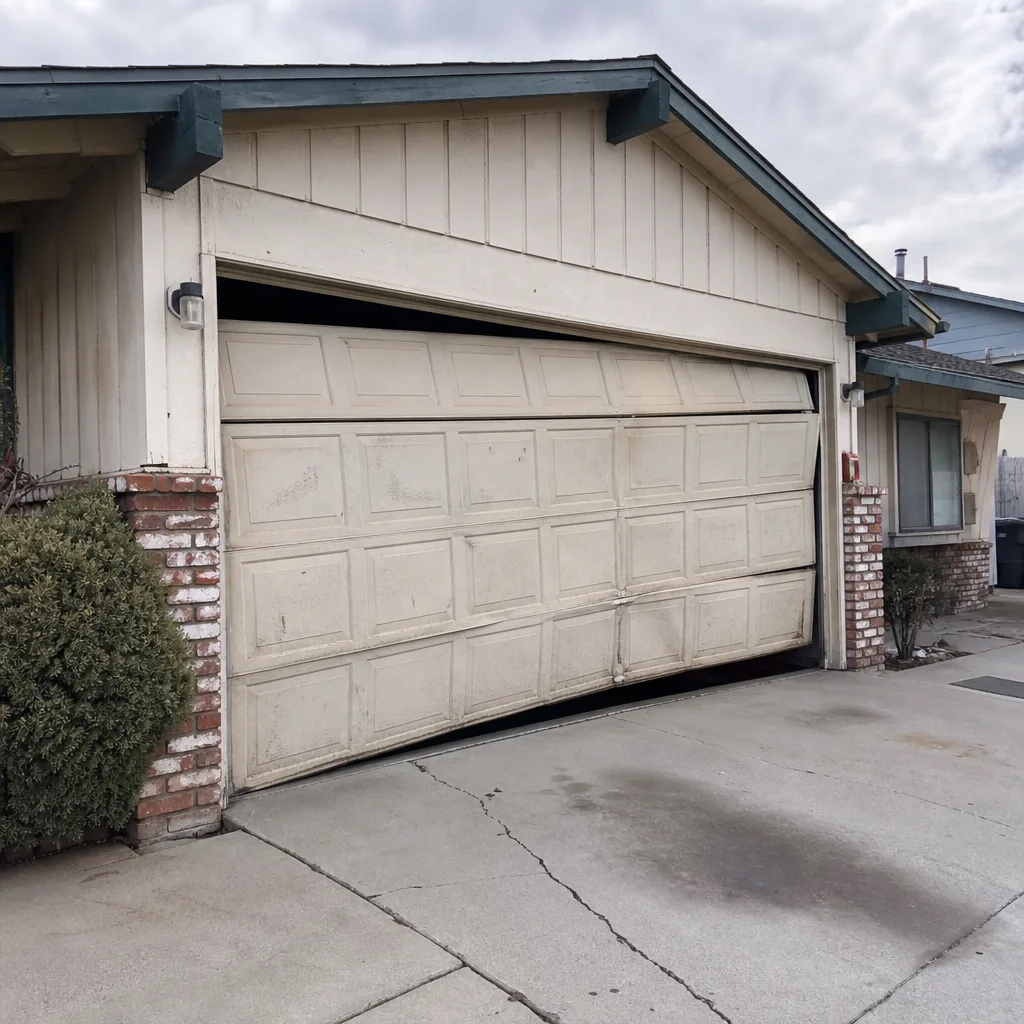 Before
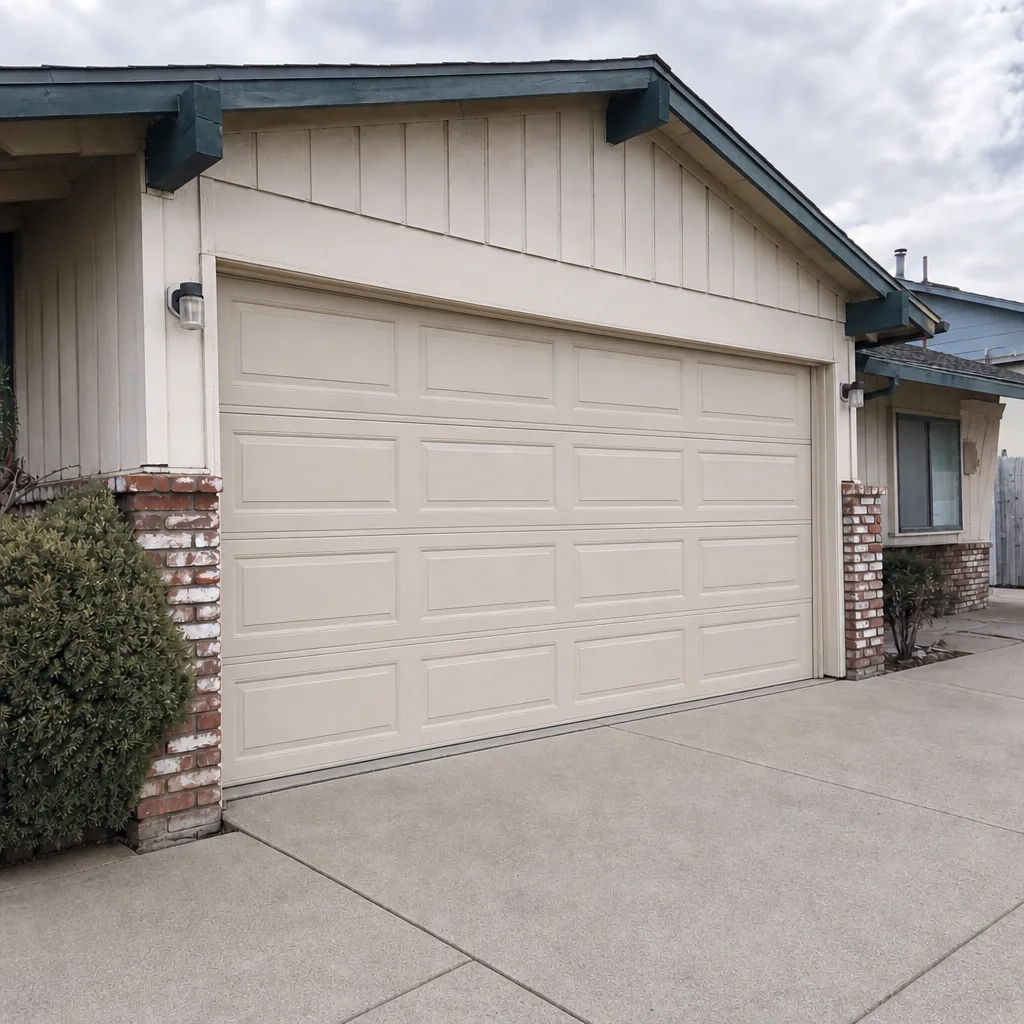 After
Frequently Asked Questions
Twice a year, on a split schedule: a fall inspection in October or November and a spring prep in March. Spring Valley’s big temperature swings between summer heat and winter cold stress the door in different ways each season, so a once-a-year tune-up misses half the damage. Do your homeowner checks both times and book a professional tune-up once a year, ideally in spring before the heat.
A silicone-based lubricant is the right choice for Spring Valley. It keeps moving parts slick across the full temperature range, doesn’t attract dust the way grease does, and won’t gum up in summer heat. Avoid petroleum-based spray and general-purpose oil like WD-40 for lubrication, because those dry into a sticky film that makes rollers drag and wears them out fast.
No. Torsion springs and the cable assemblies they move are under heavy tension, and a slip can cause serious injury. Spring tension checks and adjustments are the one part of the schedule that belongs to a trained technician. Do the balance test to spot the problem, then call a professional to fix it.
It usually means the springs are losing tension as the weather cools, or that they’ve simply fatigued. A door that needs more effort each year is telling you the springs are near the end of their life. Get the tension checked before the next heat cycle puts more load on them. In Spring Valley, this is one of the most common fall complaints, and it’s a lot cheaper to catch early.
Hinge bolts, track brackets, roller brackets, the center support bearing bracket, and the bottom bracket bolts. A quarter-turn past snug is the goal, not cranked down tight, since overtightening can strip threads or crack a bracket. If a bolt won’t hold its torque, it’s usually a worn part and worth a note in your log.
A professional tune-up in this area generally runs in the range of a routine repair visit, and if the technician finds something, you get the repair quoted before any work starts, not after. You’ll never see a number on the invoice that wasn’t on the quote. Call (888) 318-1978 for an exact quote.
The Bottom Line
Regular garage door maintenance in Spring Valley isn’t one annual visit, it’s two passes tied to the way this climate actually works. In fall, catch what summer damaged: stiff rollers, cracked seals, faded springs, bowed tracks. In spring, recalibrate before the heat returns: balance, spring tension, reverse test, clean photo-eyes. Between passes, use silicone-based lubricant (never petroleum), torque the six-month bolts, and write everything down. The right schedule keeps small problems from turning into expensive ones and keeps a 200-pound door behaving the way it should. When a spring or cable looks wrong, don’t touch it yourself, call a professional.
If it’s time for a professional tune-up or you want a second look at something you’ve written in your log, Otto’s Garage Door Spring Valley does free estimates and a free second opinion on any written estimate. Call (888) 318-1978 for a free estimate. We’ll tell you what your door actually needs, quote it before we start, and hold that number when we get there. You can also start with our Garage Door Installation in Spring Valley page if you’re weighing a replacement, or head back to our Otto’s Garage Door Spring Valley home for the rest of what we do.
Written by the team at Otto’s Garage Door Spring Valley.