
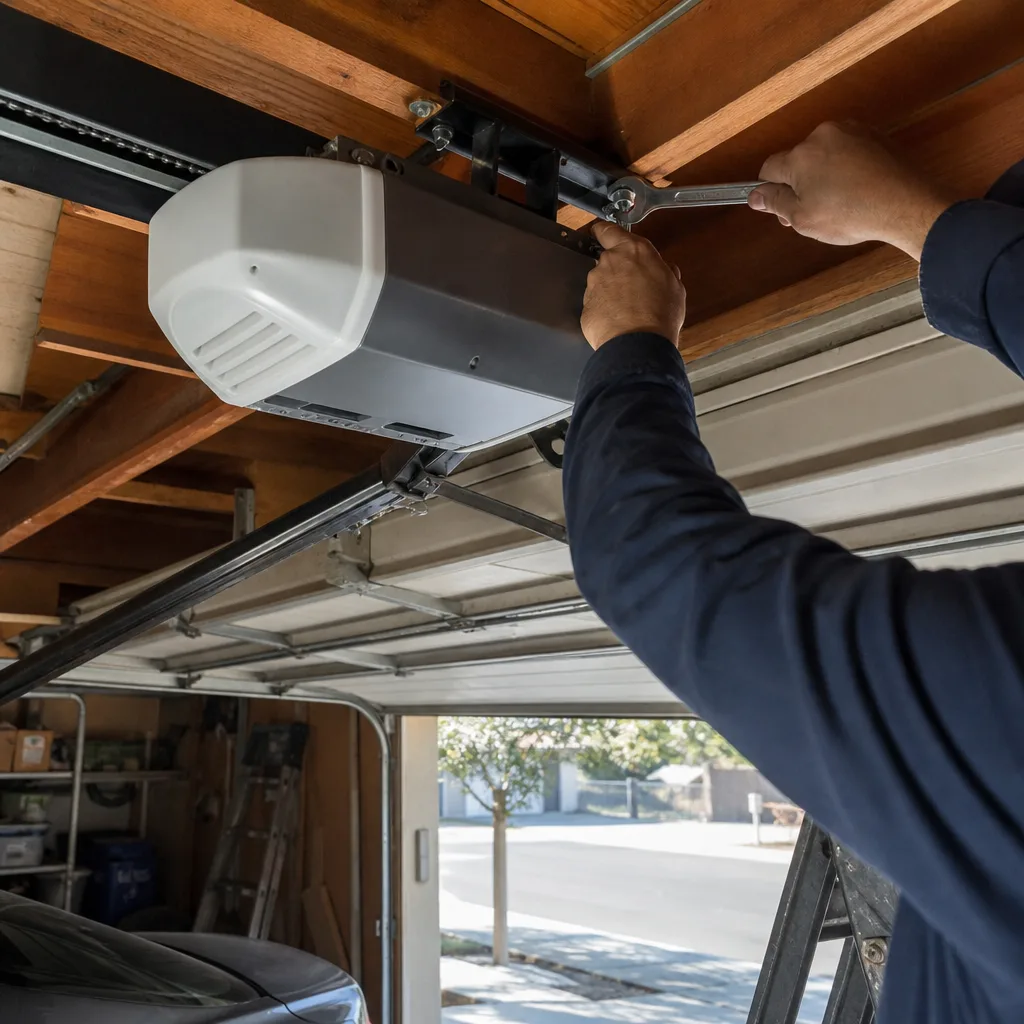
Last updated November 18, 2026
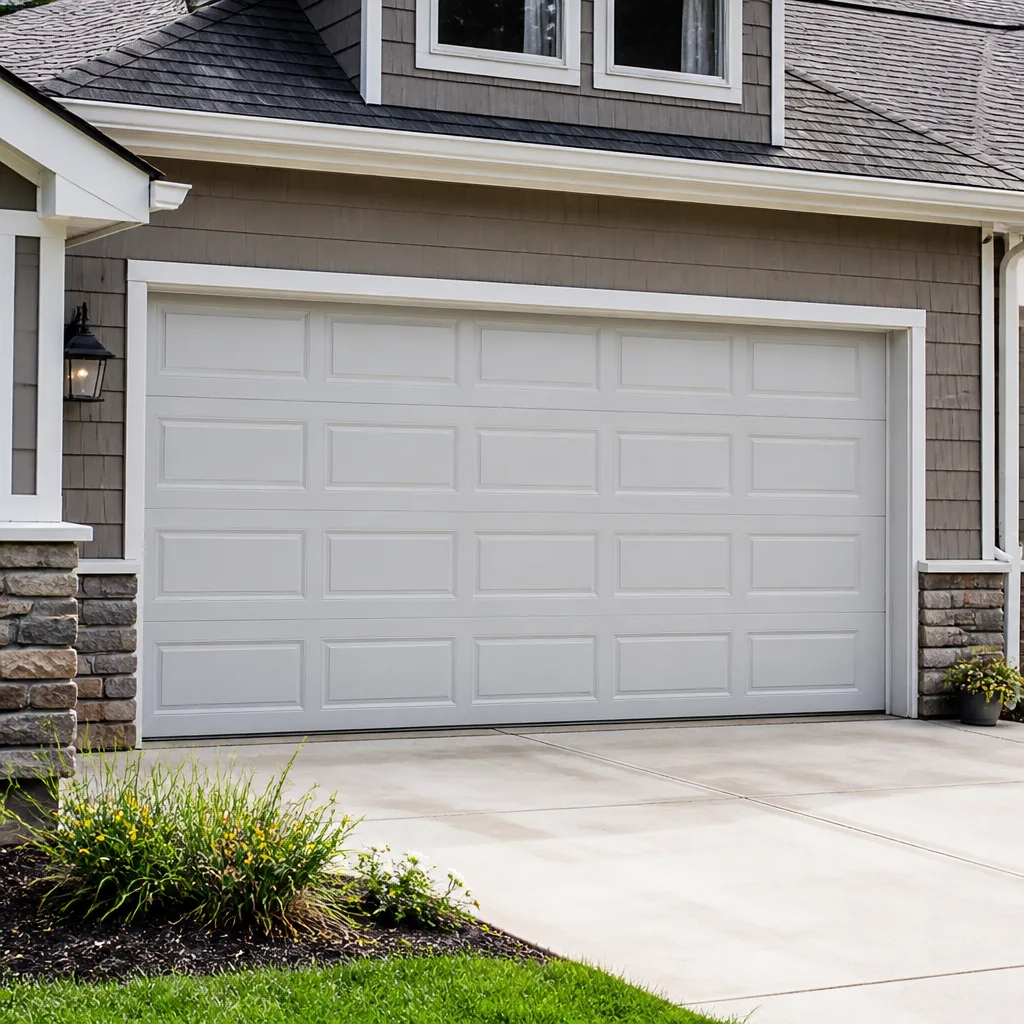 Raised-panel steel
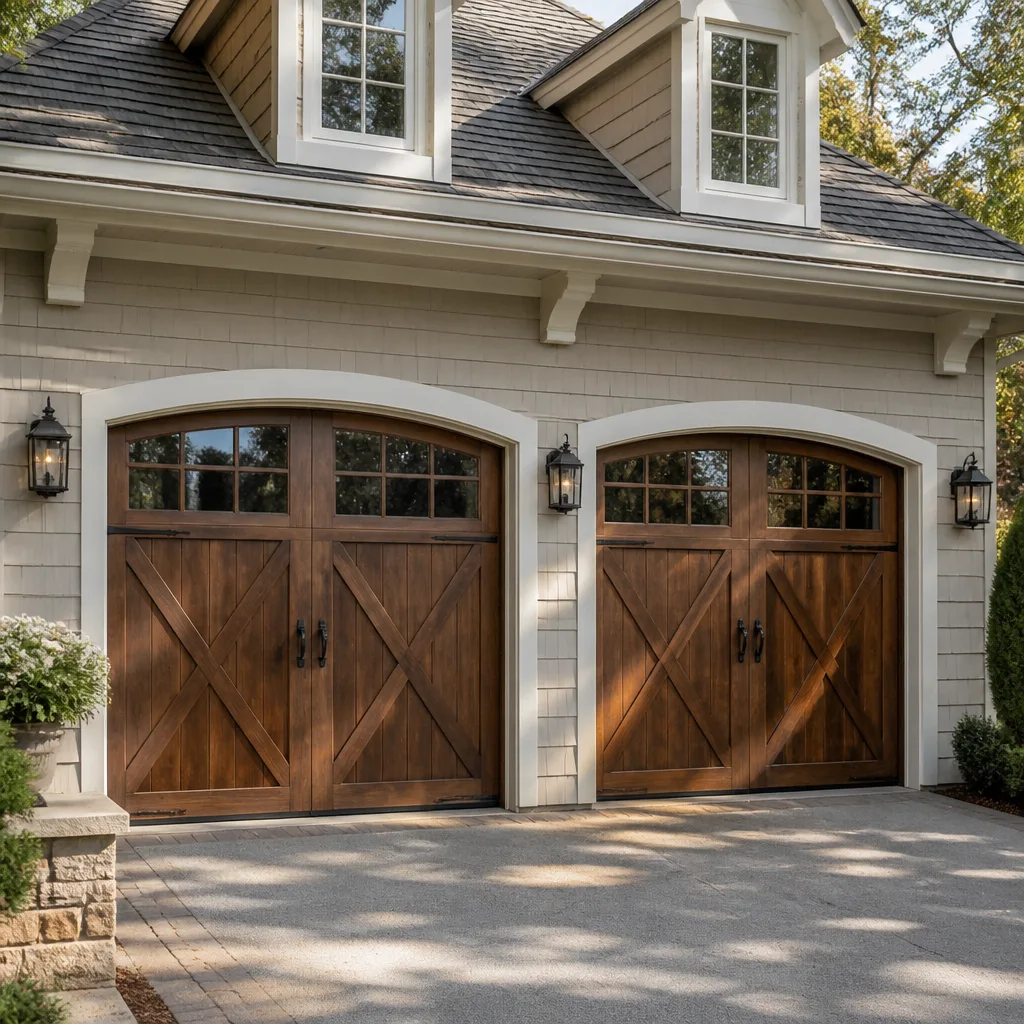 Carriage house
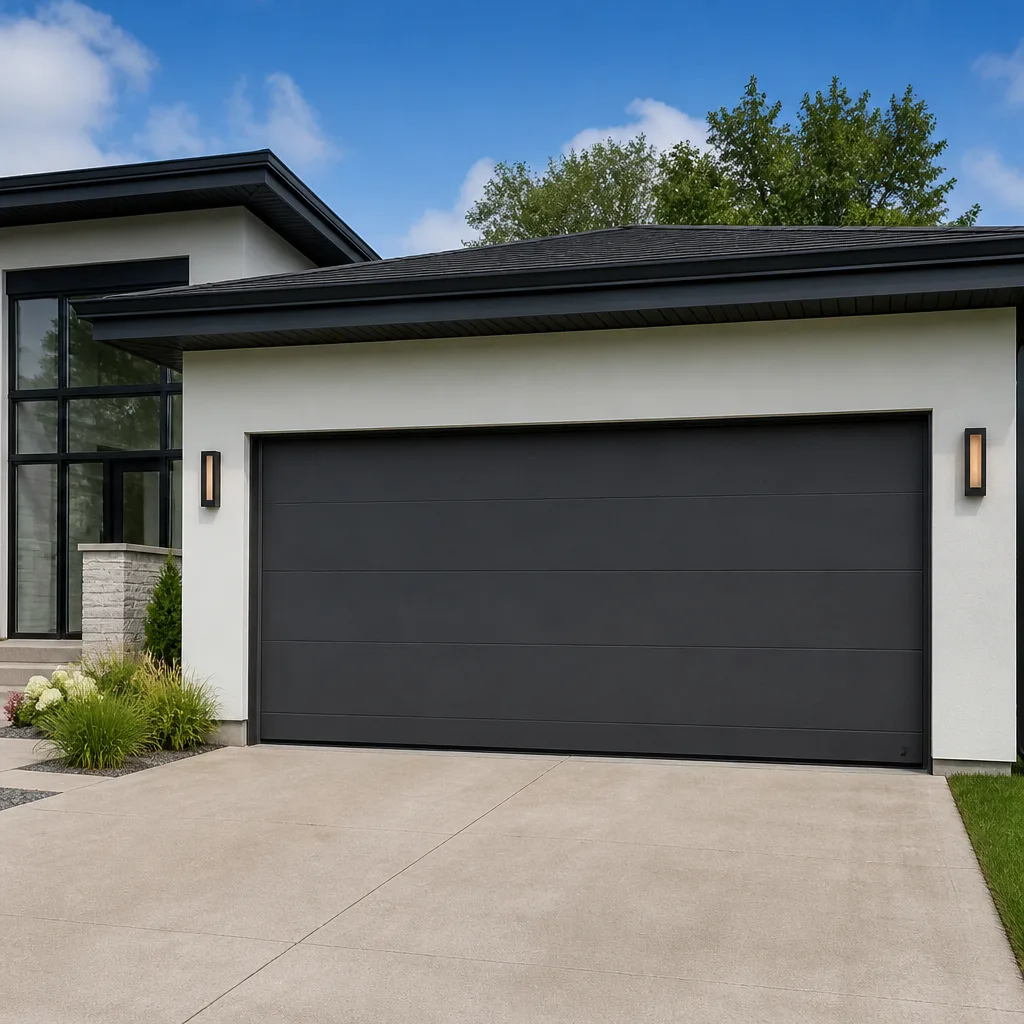 Modern flush
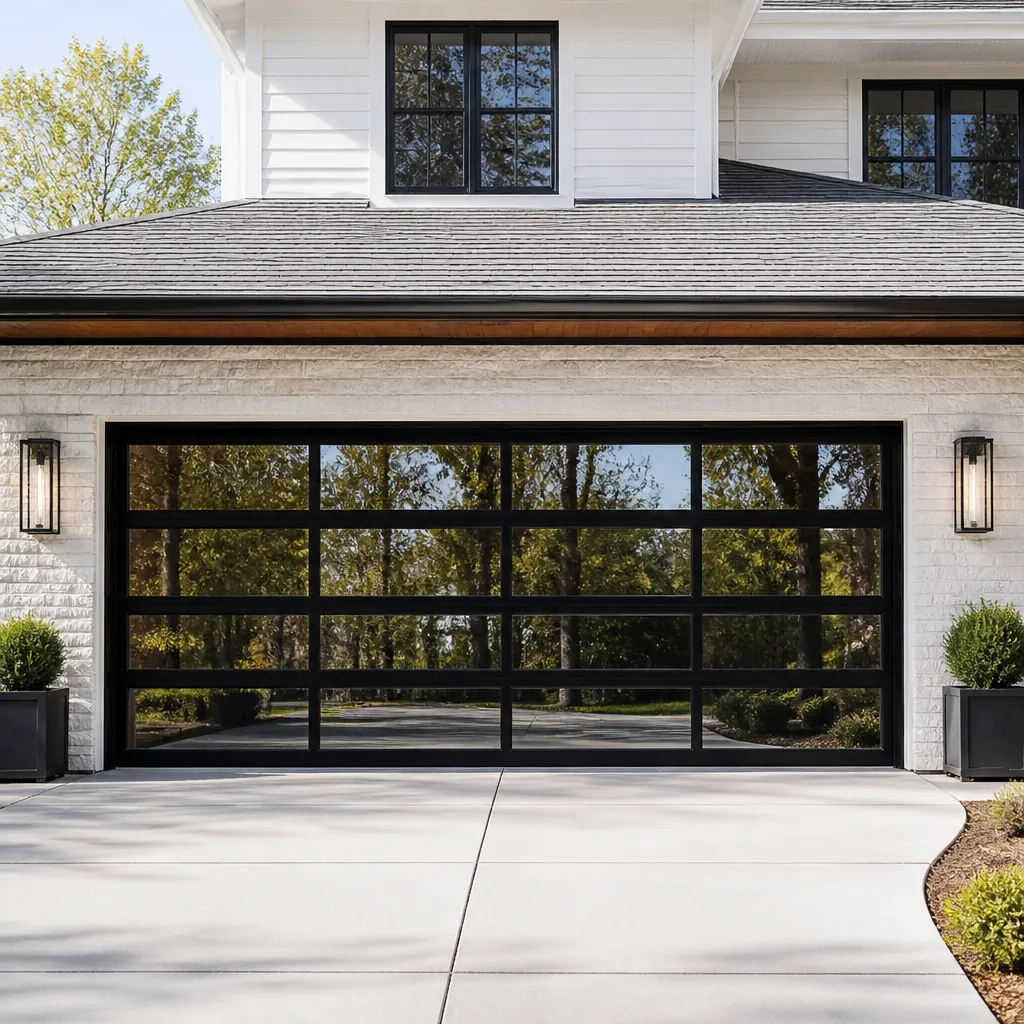 Full-view glass
 LiftMaster openers
 Chamberlain openers
Full 25-point door and opener safety check with every visit - springs, cables, rollers, tracks, and your LiftMaster or Chamberlain opener included
You get a price before we start. It does not change when the pro arrives.
Get your free estimateGarage Door Repair Maintenance Checklist for Spring Valley Homeowners
We keep a log. Every service call, every address, every part that failed and how long it lasted. And the single most common reason a Spring Valley homeowner calls us for an emergency repair isn’t a snapped spring or a dead opener. It’s a dried-out roller that seized because nobody lubricated it through two straight summers of 115°F heat. The door drags, the opener strains, and one Tuesday morning it stops halfway up with the car trapped inside. This guide is built backward from those failure patterns. Do these specific checks on this specific schedule and you’ll catch most breakdowns before they strand you.
Quick Answer
A garage door in Spring Valley needs lubrication every four months (more before summer), a five-minute visual inspection of cables and springs each month, and sensor and balance tests twice a year. Schedule the checks around the desert seasons, not on a generic quarterly calendar. Spring tension checks and cable replacement belong to a trained professional – never a homeowner with a wrench.
Styles & brands we work with
- Raised-panel steel
- Carriage house
- Modern flush
- Full-view glass
- LiftMaster openers
- Chamberlain openers
Table of Contents
- Why a Spring Valley Calendar Beats a Generic Checklist
- The Month-by-Month Maintenance Schedule
- The Five-Minute Visual Inspection That Prevents Emergencies
- Which Lubricant to Use in a Desert Climate (and What to Avoid)
- How to Test Auto-Reverse and Photo-Eye Sensors Yourself
- The Balance Test and What It Tells You
- The One Task That Belongs on a Professional’s List
- Weather Seals, Tracks, and the Summer Closing Check
Why a Spring Valley Calendar Beats a Generic Checklist
Most maintenance checklists are photocopied from manufacturer PDFs written for a mild four-season climate. Spring Valley doesn’t have one of those. We get months of triple-digit heat, low humidity that pulls moisture out of every rubber and plastic part on the door, and a windy spring that drives fine desert dust into every hinge and track. Those three forces work on a garage door in ways a factory checklist never anticipates.
Heat is the big one. A steel door in direct afternoon sun can hit 140°F or more on its surface. That cooks the lubricant off your rollers and hinges faster than it evaporates anywhere else in the country. Rubber bottom seals crack and stiffen. Plastic rollers develop flat spots. Dust then settles into the dry bearings and grinds them down while the opener works harder to lift a door that used to glide.
What that means in practice: the maintenance intervals in a factory manual are usually too long for Spring Valley. A door that manufacturers say to lubricate twice a year needs it every few months here, and always right before the brutal stretch from June through September. Building a schedule around the seasons rather than a neat quarterly grid is the difference between catching a worn roller and replacing a burned-out opener.
We’ve watched this play out across neighborhoods from the established streets near Spring Valley High School out to the newer builds pushing toward the county line. Same pattern every summer. The homes that get lubricated before the heat arrives sail through August. The ones that don’t are the ones that call.
The Month-by-Month Maintenance Schedule
Here’s how we’d lay out a year of garage door care for a Spring Valley home. Print this, stick it on the wall by the door to the garage, and check things off as the seasons turn. You don’t have to be handy. You just have to be consistent.
- February – pre-season lubrication. Before the heat hits, lubricate rollers, hinges, and the torsion spring (the spring check itself is covered below). This is the single most important task on the calendar. Do it while the weather is still mild.
- March – wind-season inspection. Spring Valley gets gusty stretches in early spring, and that wind carries grit. Wipe down the tracks, check the bottom seal for grit damage, and run the door up and down to listen for new noises.
- April – balance and sensor test. Run the balance test and the safety-reverse test now, before summer. If something’s off, you want to fix it while you have time to schedule a repair.
- May – pre-summer hardware check. Tighten every hinge bolt and the track brackets. Heat expands metal, and loose hardware rattles and works itself looser as the temperature climbs.
- June through August – the monthly five-minute look. Peak heat. Do the quick visual inspection once a month. Watch the cables for fraying and listen for any change in how the door sounds. This is when dried-out rollers fail.
- September – post-summer lubrication. The heat has cooked off your February lube. Re-lubricate everything and check the bottom seal for sun cracking.
- October – full tune-up season. Cooler weather is the right time for a professional tune-up or any repairs you’ve been putting off. Parts last longer and the work is more comfortable.
- November through January – the winter check. Cold mornings stiffen lubricant and rubber. Confirm the door opens smoothly on the first cold morning, and keep an eye on the seal for cracking from temperature swings.
That’s the skeleton. The sections below break down the checks that matter most.
The Five-Minute Visual Inspection That Catches Emergencies Early
This is the check we wish every homeowner did once a month. It takes about five minutes, you don’t touch anything dangerous, and it catches the problems that turn into a Saturday emergency. Stand back, look, and listen.
Cables first. Look at the two cables that run down each side of the door to the bottom corners. You’re looking for fraying – broken strands sticking out like a frayed rope, kinks, or rust. A cable that’s fraying is a cable that’s about to snap, and a snapped cable on a loaded door is dangerous. If you see fraying, stop using the door and call.
Springs second. Look at the spring (or springs) above the door. A torsion spring is the horizontal coil over the door; extension springs run along the sides. You’re checking for visible gaps or a clear break. A broken torsion spring usually leaves a visible gap in the coil, and the door will feel dead heavy. Don’t try to fix it. Just note it and call.
Rollers and hinges third. Glance at the rollers that ride in the tracks and the hinges connecting door panels. Look for flat spots on the rollers, cracks, or wobbling. Dry, shiny rollers mean they’ve lost their lubricant.
Listen to the door. Run it up and down and listen. A healthy door with a good opener is a low, steady hum. Grinding, squealing, popping, or a door that jerks mean something’s binding. In our experience, a door that starts squealing in July is usually complaining about a dry roller or a worn hinge.
Check the bottom seal. Look at the rubber strip along the bottom. Sun and heat crack it, and a cracked seal lets in dust, water, and pests.
- Frayed, kinked, or rusty cables = stop and call a professional
- Visible spring gap or a door that won’t lift = broken spring, call
- Flat-spotted or cracked rollers = schedule replacement
- Squealing or grinding = usually dry or worn hardware
- Cracked bottom seal = replace it before monsoon season
Which Lubricant to Use in a Desert Climate (and What to Avoid)
This is where most Spring Valley homeowners get it wrong, and it’s not their fault. The hardware store shelf is full of products, and the wrong one can actually make things worse in desert heat. Here’s what works and what to skip.
Use: a white lithium grease or a silicone-based garage door lubricant for the hinges, rollers, and the torsion spring. A dedicated garage door lubricant is formulated to stay put under heat, which matters when your door face hits 140°F in July. For the tracks themselves, a light spray of silicone lubricant is enough – you’re not greasing the track, you’re just keeping it slick so rollers glide.
Avoid: WD-40 as a long-term lubricant. It’s a great cleaner and a decent short-term fix, but it evaporates and leaves parts dry, which is exactly the problem you’re trying to solve. It also attracts dust once it dries. Avoid heavy axle grease on the tracks – it collects grit and turns into a grinding paste. Avoid anything that leaves a sticky film.
How to apply it: spray a thin coat on each hinge pivot and each roller bearing, then run the door up and down a few times so the lubricant works into the moving parts. Wipe off any excess. Spray a light coat on the torsion spring too – just don’t get your hands into the spring’s moving parts. That’s a task for a professional. In spring Valley’s dust, less is more – a thin coat that stays put beats a thick one that traps sand.
Do this before summer, after summer, and once in the middle. Three times a year is our rule for Spring Valley, and it’s the cheapest maintenance you’ll ever do.
How to Test Auto-Reverse and Photo-Eye Sensors Yourself
Your garage door’s safety reverse is a genuine safety feature, especially in a home with kids or grandkids visiting. It’s also simple to test yourself, and you should – twice a year, minimum. If it fails, stop using the door until it’s fixed.
The photo-eye test. The photo-eye sensors are the two small units mounted near the floor on each side of the door, about six inches off the ground. One shoots an invisible beam across the doorway; the other receives it. If anything breaks the beam while the door is closing, the door should reverse. To test: start the door closing, then pass a broom handle or your leg through the beam. The door should stop and reverse immediately. If it doesn’t, the sensors are misaligned, blocked, or failed.
The auto-reverse (mechanical) test. This tests the door’s ability to sense an obstruction by pressure. Place a piece of 2×4 lumber flat on the floor in the door’s path, then close the door. When the door contacts the wood, it should reverse within a couple of inches. If it presses down hard before reversing, or doesn’t reverse at all, the opener’s force setting needs attention.
What a failed test actually means. A failed photo-eye test usually means misalignment or a dirty lens, both easy fixes – wipe the lenses and check that both units point at each other. A failed auto-reverse test is more serious: it means the opener’s force limit is set wrong or the door is binding, and the opener is pushing hard because the door is dragging. That’s a sign the door needs service, not just an adjustment. If you can’t get the reverse to work, call us before using the door again.
The Balance Test and What It Tells You
This one check tells you more about your door’s health than almost anything else, and it takes thirty seconds. It’s the test that reveals a failing spring, a binding track, or worn rollers before they fail completely.
- Disconnect the opener by pulling the release cord (the red handle) so the door is on manual.
- Lift the door by hand to about waist height, then let go.
- A balanced door should stay roughly where you put it, maybe drifting a little. A door that drops hard or slams down means the springs are losing their lift – a real problem.
- A door that’s very hard to lift by hand or won’t stay up means the springs may be too tight or something is binding.
Reconnect the opener when you’re done. A door that won’t hold its position has a spring problem or a track problem, and neither is a DIY fix. In our experience, a Spring Valley door that suddenly won’t stay open in a hot summer often means the spring is on its way out. The extra heat and the door’s weight are finding the weak point.
The One Task That Belongs on a Professional’s List
We’re going to be blunt here, because it matters. The spring tension check does not belong on a homeowner’s checklist. It belongs to a trained professional, and here’s why. A garage door is 200 pounds riding on two springs. Those springs are under enormous tension – enough to injure or kill someone who doesn’t know exactly what they’re doing. Adjusting, replacing, or even testing spring tension with the wrong tools is one of the most dangerous things you can do around a house.
What a professional does during a spring-tension check: they inspect the springs for wear and cycle count, verify the door’s balance, and confirm the cables and drums are correctly set. If a spring is near the end of its life, they can tell you what’s left on it – the way you’d check the tread on a tire – instead of waiting for it to snap. Ours have up to 22 years of experience reading that wear, and it’s the kind of judgment you want on a part this loaded.
This is the one maintenance task we tell every Spring Valley homeowner to hand off. Don’t check spring tension yourself. Don’t try to wind a spring. Call us, and we’ll look at it safely and quote you before any work starts. That’s part of our Garage Door Repair in Spring Valley work, and it’s where a professional eye saves you the most.
Weather Seals, Tracks, and the Summer Closing Check
The parts of your door that don’t move get ignored, and in Spring Valley they take a beating. Two things deserve your attention: the bottom weather seal and the tracks.
Bottom seal. That rubber strip along the bottom of the door is your barrier against heat, dust, and pests. Desert sun cracks it, and once it cracks it stops sealing. Run your hand along it (with the door closed) and look for cracks, stiff spots, or pieces missing. A cracked seal lets hot air and grit under the door, and it can let a scorpion or a mouse in too. Replacing it is a modest job and worth doing before the worst heat.
Tracks. The metal tracks guide the door and get gunked up with desert dust. Wipe them down with a damp cloth, then a light silicone spray. Don’t use heavy grease. If a track is bent or the door is binding in one spot, that’s a professional fix – a bent track can derail the door. Check that the track brackets are tight; loose brackets let the track shift and cause the door to bind.
The summer closing check. Once the heat sets in, close the door and look for gaps along the bottom and sides. A door that used to seal tight can develop gaps as the seals shrink and dry. Those gaps are where the summer heat gets in and your cooling bill goes up.
If your door is old enough that seals, rollers, and hardware are all failing at once, it may be time to think about a replacement rather than endless repairs. Our Garage Door Installation in Spring Valley service covers doors from names like Clopay and Amarr, and we’re happy to walk you through whether a repair or a new door makes more sense for your home.
Common Mistakes to Avoid
- Using WD-40 as your only lubricant. It cleans and loosens, but it evaporates and leaves parts drier than before, and in Spring Valley’s heat that accelerates wear. Use a proper garage door lubricant.
- Greasing the tracks. Heavy grease on the tracks collects desert dust and turns into grinding paste. Tracks get a light silicone spray, not grease.
- Ignoring a squeal until the door stops. A squeal is the door telling you a roller or hinge is dry. Wait long enough and the opener burns out straining against a dragging door.
- Trying to adjust the springs yourself. Spring tension is the one part of the system that can seriously hurt you. Leave it to a professional with the right tools.
- Testing safety reverse once, years ago. Sensors drift and force settings change with the seasons. Test auto-reverse and the photo-eyes twice a year, every year.
- Skipping the pre-summer lube. The single most common failure we see in Spring Valley is a dried-out roller that seized after two summers without lubrication. Lubricate before the heat, not after.
- Letting a cracked bottom seal go. It’s cheap to replace and it keeps heat, dust, and pests out. A cracked seal in the desert is a losing battle you can fix in an afternoon.
See the difference
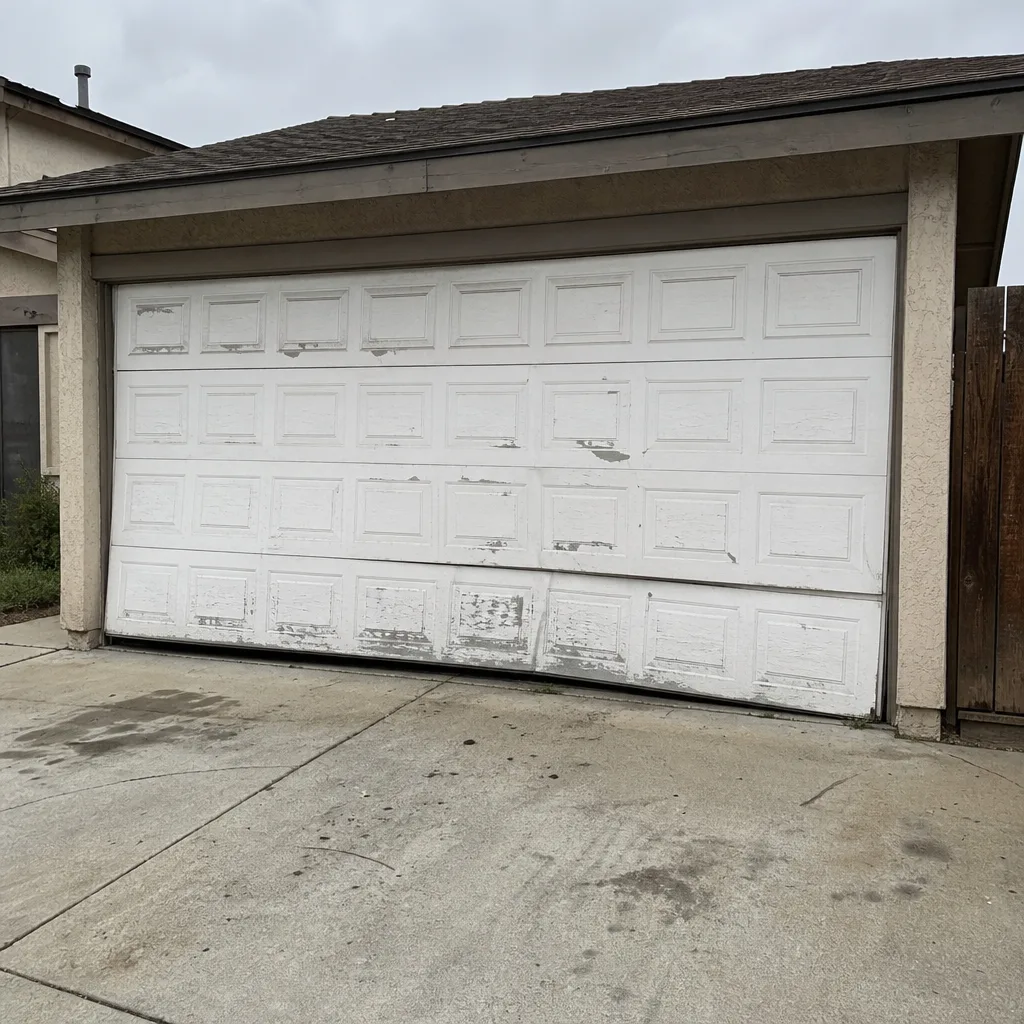 Before
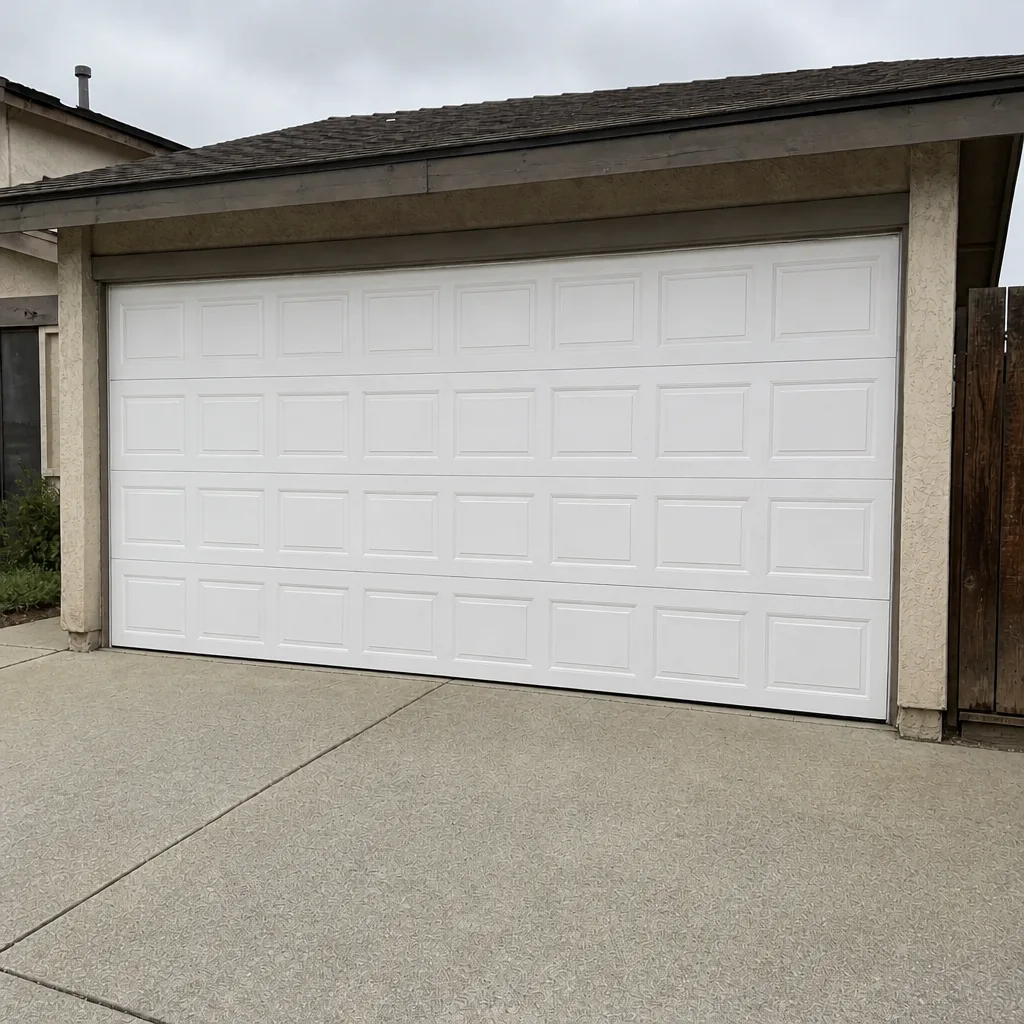 After
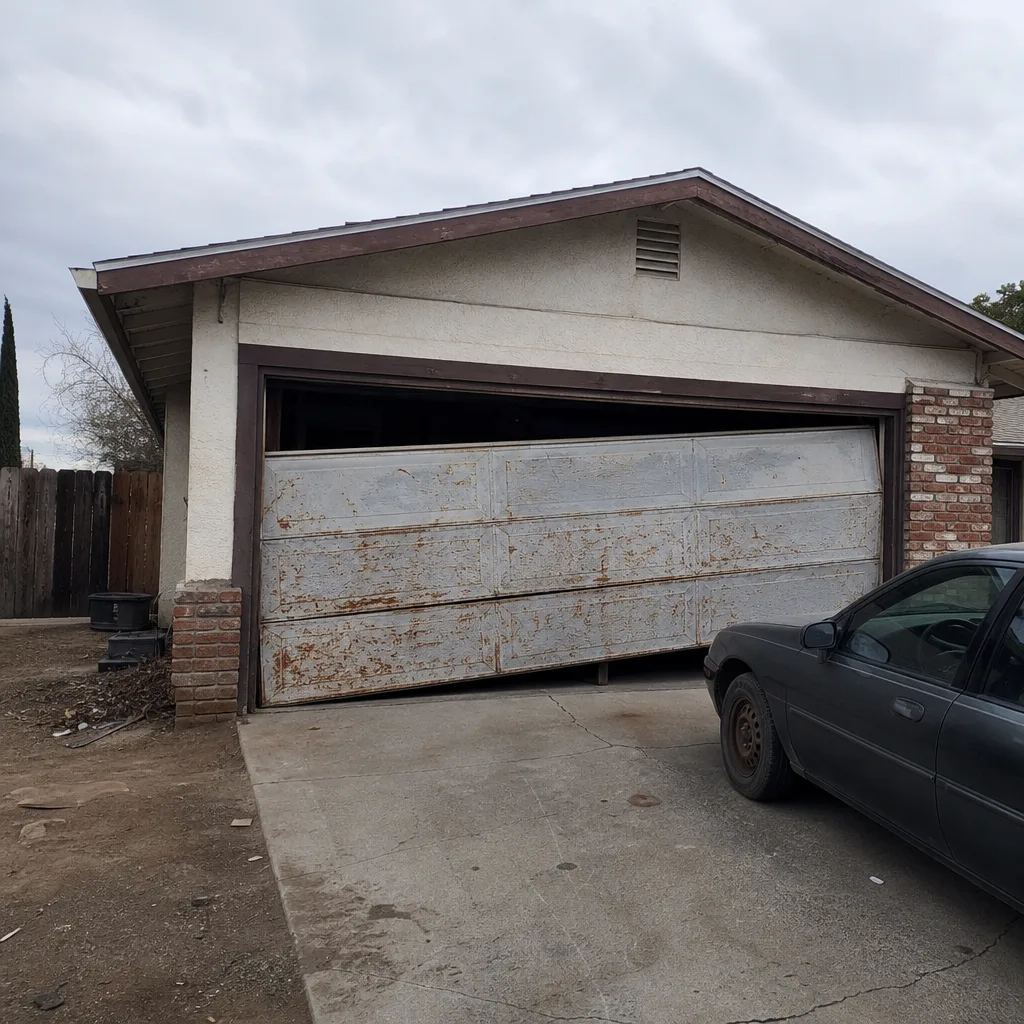 Before
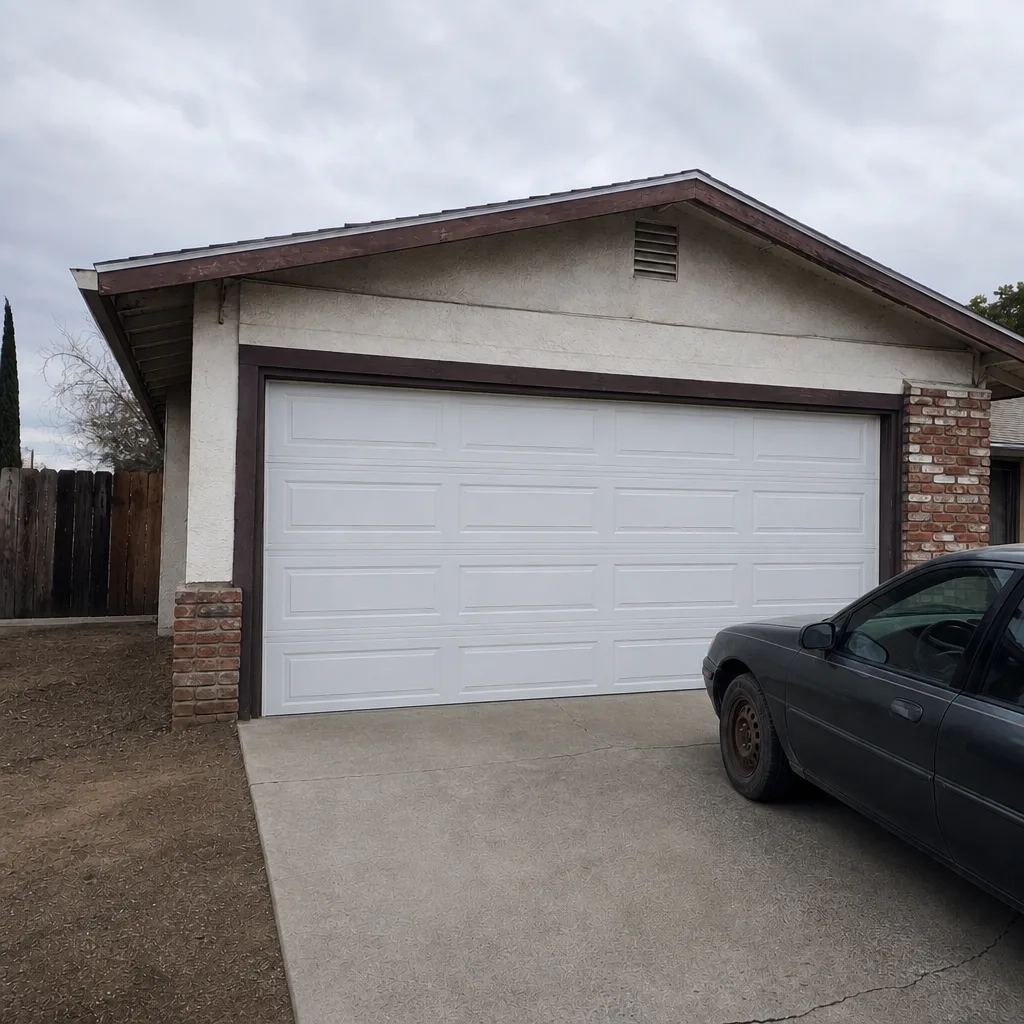 After
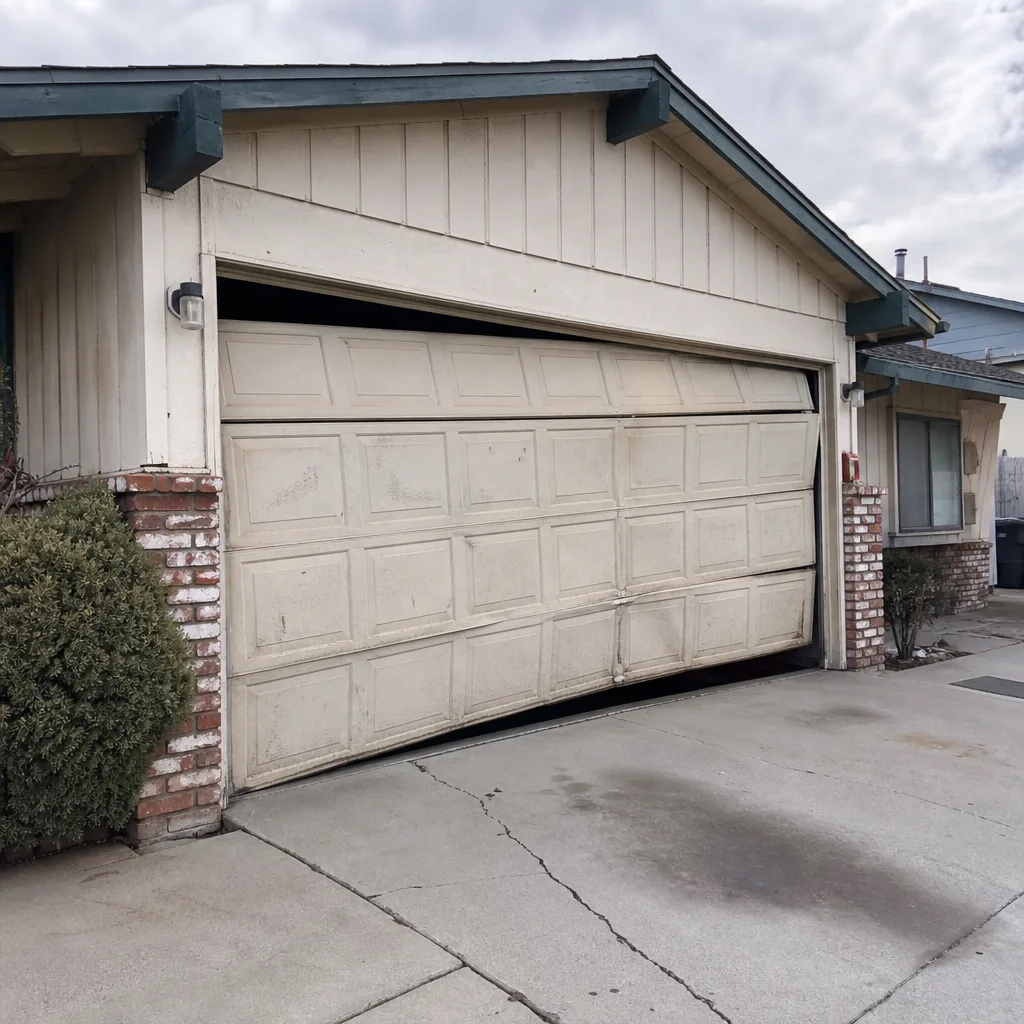 Before
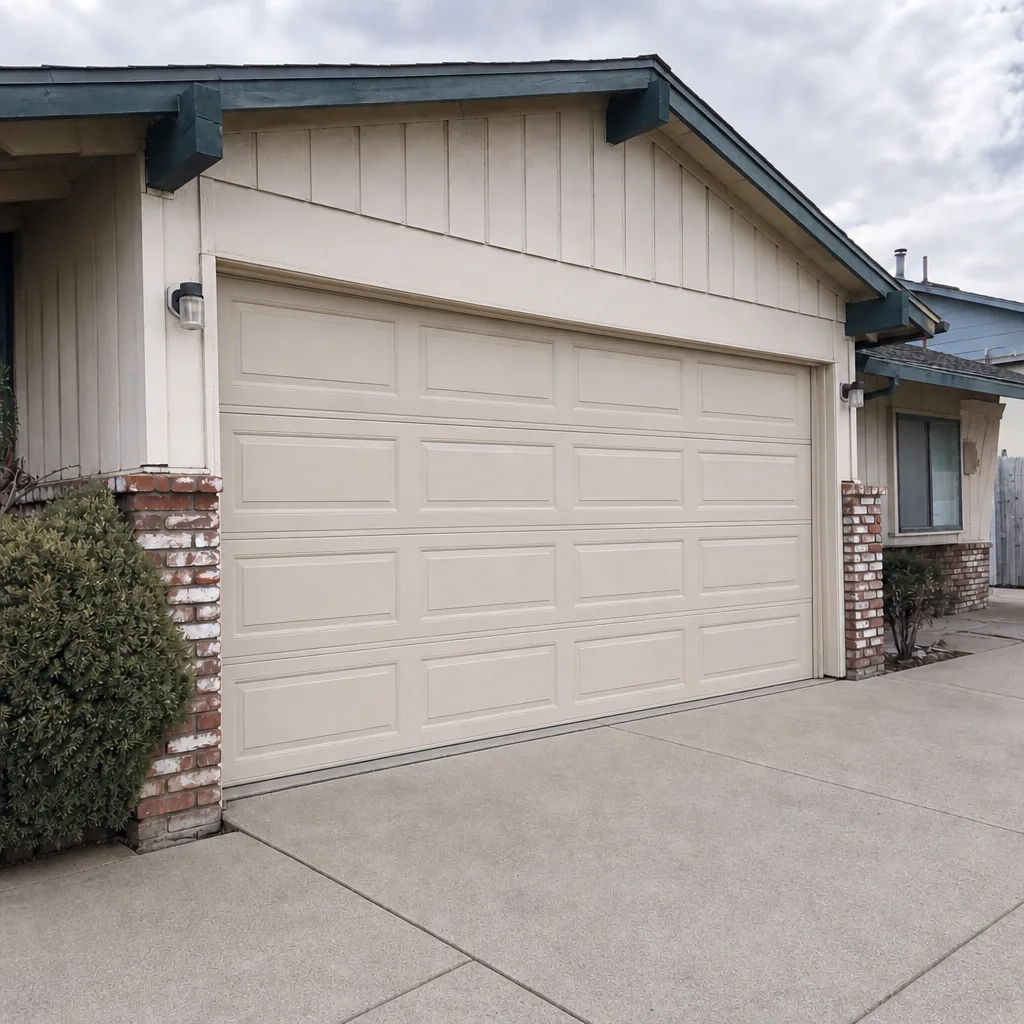 After
When to Call a Professional
Most of this checklist is yours to do. A few things aren’t, and calling early saves you money and risk. Call us if you see a frayed or snapped cable, a broken or visibly worn spring, a door that won’t stay open during the balance test, or a door that’s hard to lift by hand. Call if the auto-reverse test fails and you can’t correct it, if a track is bent, if the door makes a loud pop or bang, or if the opener strains or the door reverses on its own. And call for any spring work, full stop. Otto’s Garage Door Spring Valley offers free estimates in Spring Valley – call (888) 318-1978. We quote the job and hold that number when we get there.
Frequently Asked Questions
Every four months for most Spring Valley homes, and always right before summer. The desert heat cooks lubricant off rollers and hinges faster than in milder climates, so February, September, and once in midsummer is a good rhythm. If your door gets heavy use, lean toward the shorter interval.
No. A broken spring should always be replaced by a trained professional. The springs hold hundreds of pounds of tension, and the torsion springs over the door can cause serious injury if handled wrong. That’s why we put spring work on our list, not yours. Call (888) 318-1978 for a safe repair and an upfront quote.
Heat dries out the lubricant on your rollers and hinges, and dry metal on metal squeaks. In Spring Valley that’s especially common after a few weeks of triple-digit temperatures. A proper lubricant applied to the hinges and rollers usually quiets it. If it keeps squeaking after lubrication, a worn roller or hinge is the likely culprit.
Run the photo-eye test: start the door closing and pass a broom handle through the beam between the two floor-level sensors. The door should reverse immediately. Then test the auto-reverse by laying a 2×4 in the door’s path and closing it – the door should reverse on contact. If either fails, stop using the door and call us – that’s a safety issue, not a cosmetic one.
Yes, but the door is the usual problem. In our experience, a straining opener almost always means the door is dragging, not that the opener is bad. Keep the door lubricated and balanced and the opener lasts longer. If your opener itself is failing, our Garage Door Opener Repair & Installation in Spring Valley covers all the major brands, and we can tell you whether it’s the opener or the door.
It depends on what’s failing. A single worn roller or a cracked seal is an easy repair. But if the springs, cables, rollers, and seals are all wearing out at once, a replacement can cost less over time. We’ll give you an honest read on your door rather than pushing a new one. Our Garage Door Installation in Spring Valley page covers the replacement options, including Wayne Dalton and Amarr doors.
The Bottom Line
The Spring Valley garage door that lasts isn’t the one that gets a tune-up once a year – it’s the one that gets lubricated before the heat, inspected once a month, and tested for balance and safety twice a year. Do those things and you’ll catch most failures before they strand your car. Hand off spring tension and cable work to a professional who knows the danger, and call early when something sounds wrong. In our experience, the five-minute check is the cheapest repair you’ll ever make. If your door needs a professional eye, start at our Otto’s Garage Door Spring Valley home page and call (888) 318-1978 for a free estimate.
Every job we do is written up with our 90-Day Done Right Promise – if it’s not done right, we make it right with one call. Proudly serving local communities for over 29 years, locally owned and owner-operated since 2004. If you want a second look at any other estimate on your garage door, bring it to us: we offer a free second opinion, and background-checked technicians trained across LiftMaster, Chamberlain, Genie, Clopay, Amarr, Wayne Dalton, Craftsman, and Raynor. Seniors and veterans always get 10% off, and any repair over $200 gets $40 off. Call us today at (888) 318-1978 for a free estimate – a live person answers, day or night, and we’ll quote the job and hold the number.
Written by the team at Otto’s Garage Door Spring Valley.