
Last updated November 18, 2026
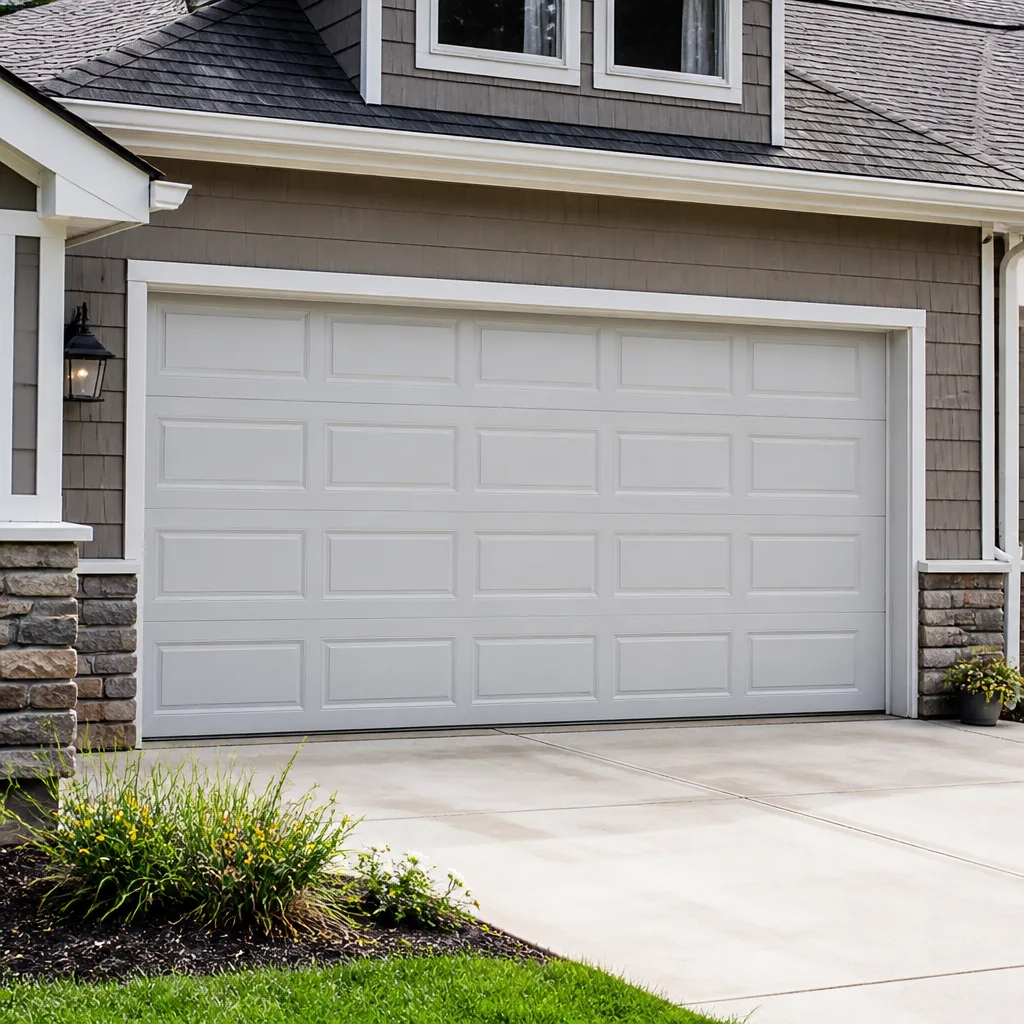 Raised-panel steel
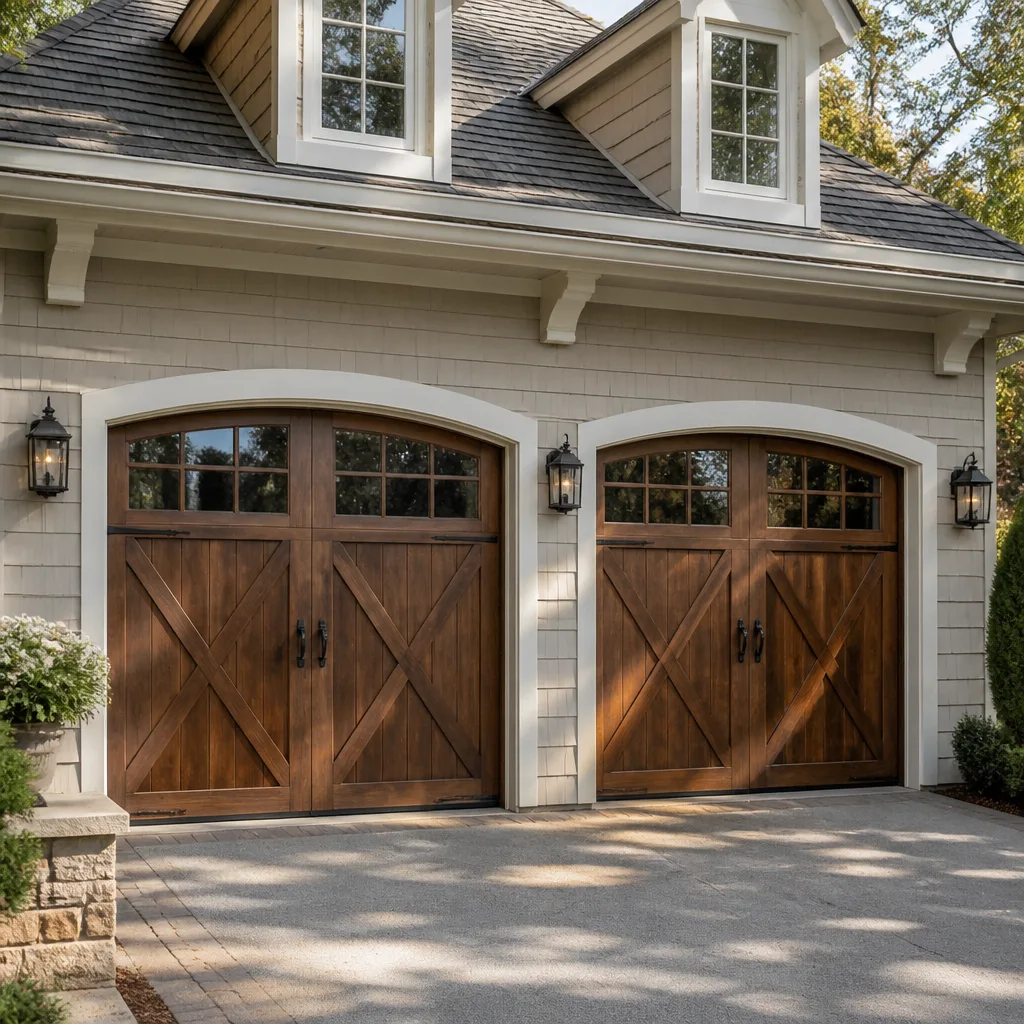 Carriage house
 Modern flush
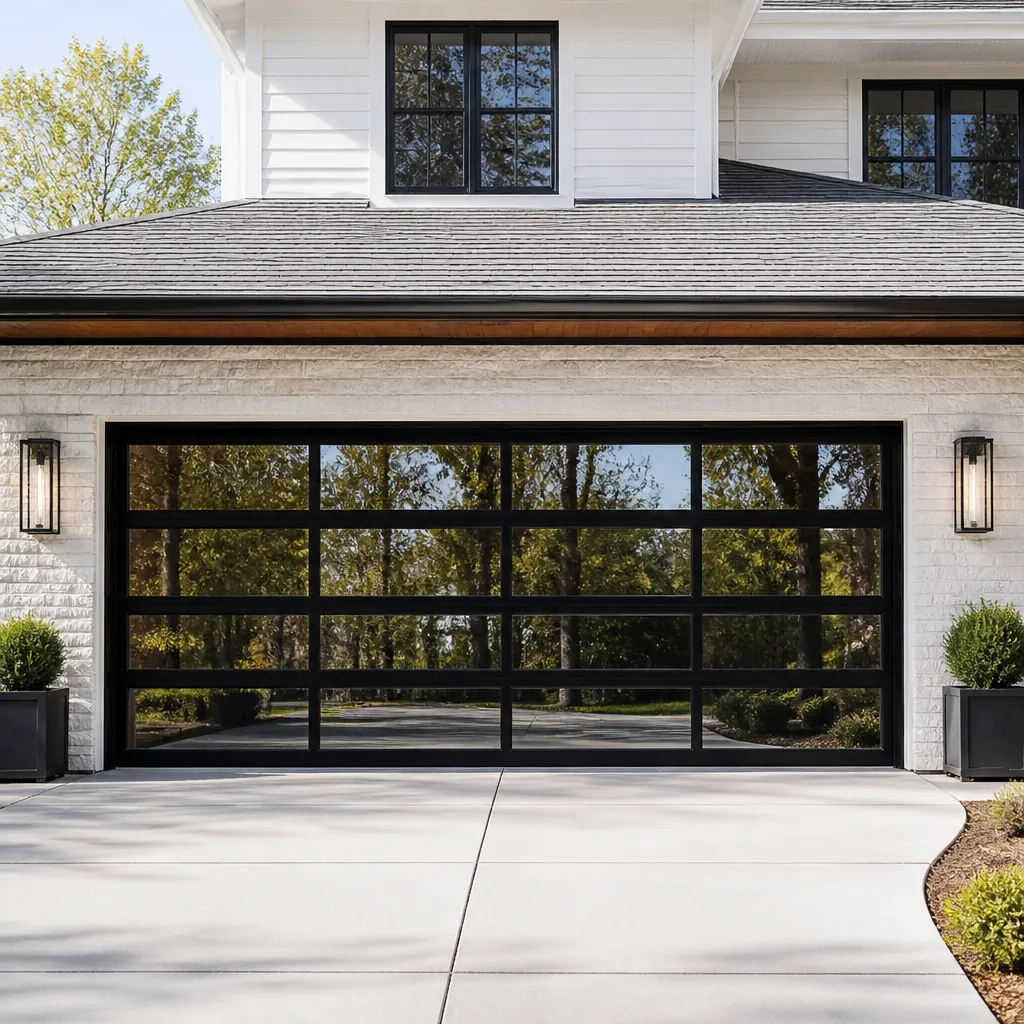 Full-view glass
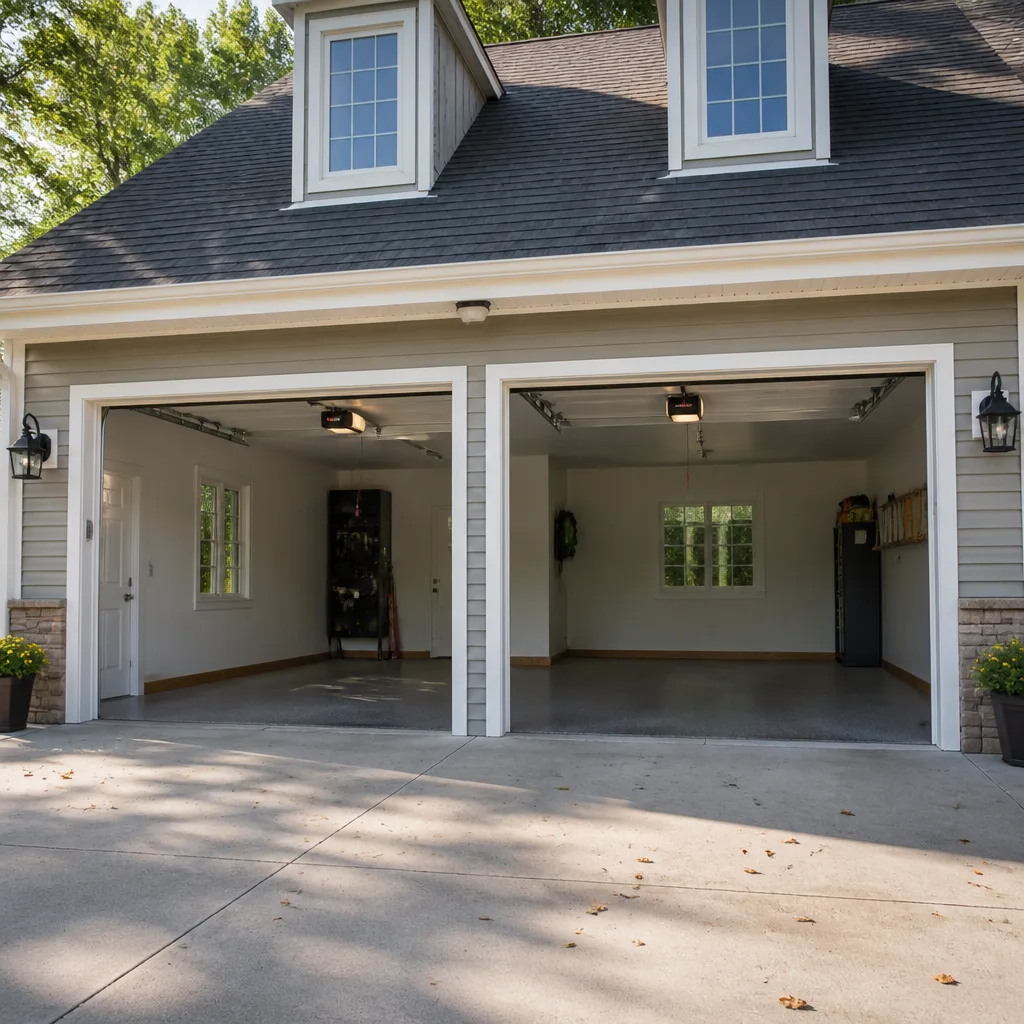 LiftMaster openers
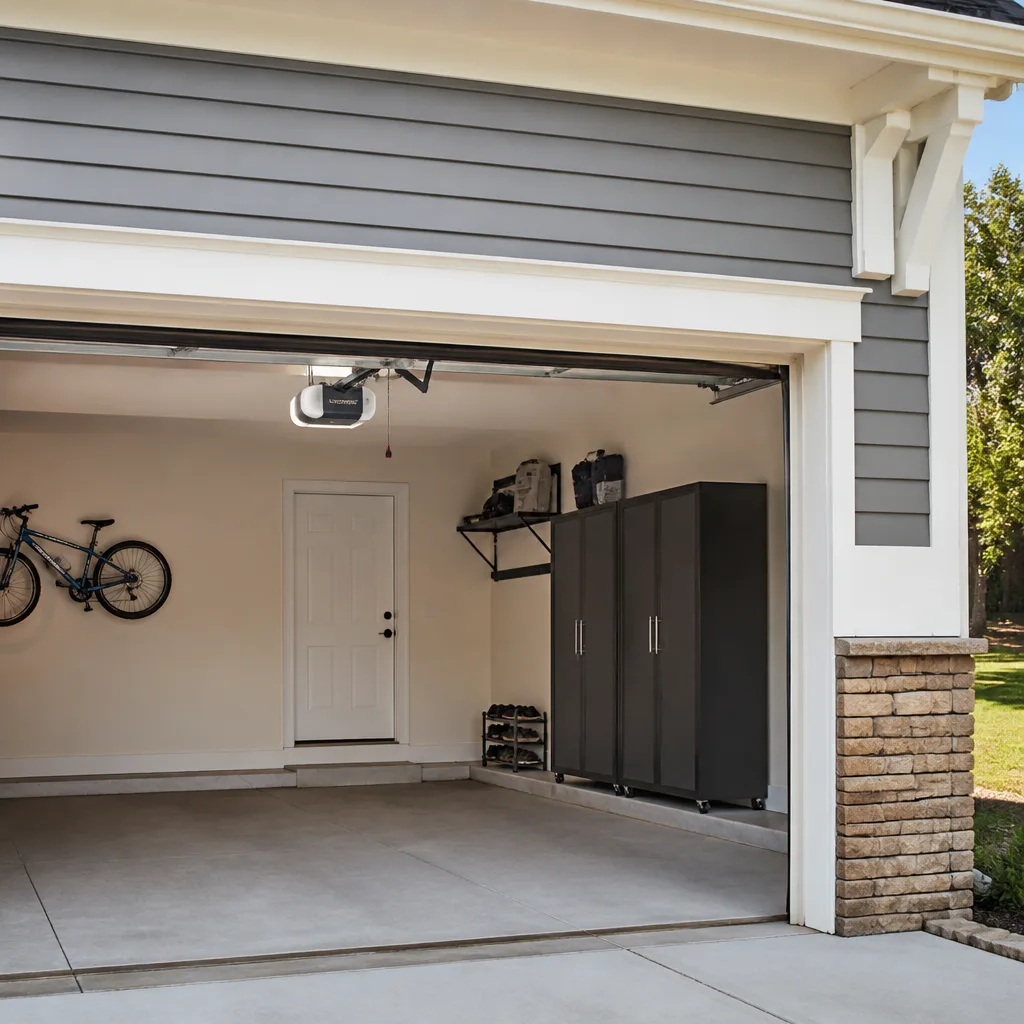 Chamberlain openers
Full 25-point door and opener safety check with every visit - springs, cables, rollers, tracks, and your LiftMaster or Chamberlain opener included
You get a price before we start. It does not change when the pro arrives.
Get your free estimateGarage Door Permits, Codes & Inspections in NV: What You Need to Know
Here’s the thing nobody tells you at the kitchen table: in Nevada, the permit on a garage door job is only as good as the jurisdiction that issued it. A homeowner in Spring Valley replaced her double-wide door a few years back. The contractor handed her a signed-off permit, she filed it in a drawer, and everyone moved on. Two years later a buyer’s title company flagged it during the sale. The permit was a City of Las Vegas permit for a house that sits in unincorporated Clark County – wrong authority, wrong address, wrong paper. Re-inspection took twelve days, the closing got pushed three weeks, and by then the contractor’s phone number had been disconnected. The permit took ninety seconds to pull up. This guide covers when you need one, how Clark County handles it, what inspectors actually look for, and what unpermitted work really costs you at resale.
Quick Answer
In Nevada, a full garage door replacement generally requires a permit from Clark County Building Department if the home sits in unincorporated Clark County – which includes Spring Valley. Straightforward repairs like spring swaps, opener replacement, and panel replacement usually do not. If the job involves removing and re-hanging the door, altering the header or tracks, or changing the door size, you need a permit, and it must come from the right jurisdiction. Installing without one can freeze a home sale and force a re-inspection or removal.
Styles & brands we work with
- Raised-panel steel
- Carriage house
- Modern flush
- Full-view glass
- LiftMaster openers
- Chamberlain openers
Table of Contents
- Why the Permit Authority Matters in Spring Valley
- When a Garage Door Replacement Needs a Permit vs. When It’s Exempt
- The Clark County Building Department Process, Step by Step
- What Garage Door Permits Cost in Clark County
- How HOA Approval Intersects with – and Differs From – the County Permit
- What Inspectors Check and Why Doors Fail
- How Unpermitted Work Shows Up on Title and What It Costs
- The Nevada Code Layer: Wind Loads, Safety, and Local Climate
Why the Permit Authority Matters in Spring Valley
Most homeowners in the Las Vegas Valley assume the city handles their permits. In Spring Valley, that assumption is wrong, and it’s a costly one. Spring Valley is not a city. It’s an unincorporated township within Clark County, governed by the Clark County Commission and permitted through Clark County Building Department. The City of Las Vegas permit window does not have jurisdiction over a house on Rainbow Boulevard at Tropicana. Neither does Henderson or North Las Vegas.
We’ve seen contractors make this mistake too. Somebody pulls up the address, sees “Las Vegas, NV” attached to the mailing address, and files at the city. The city accepts it because the form looks fine and the fee gets paid. Nothing checks the jurisdiction until an inspector tries to close the job, or until a title company pulls the permit history years later. Then it falls apart.
Here’s what that looks like in practice:
- The permit is issued but out of jurisdiction. The city took the fee, but the county never saw the job. The homeowner thinks they’re covered.
- The job is inspected by the wrong authority. Sometimes the inspection happens and passes, but it doesn’t register in the county’s system. That means it doesn’t show up on the county’s record as a legal job.
- Closing gets delayed. Title companies now routinely run permit searches. If the permit on file doesn’t match the jurisdiction, the sale stalls until it’s sorted.
- The contractor has moved on. By the time the flag comes up, the guy who did the work is unreachable, and the cost of untangling it lands on the homeowner.
The fix is simple: check the address against Clark County’s parcel map before the job starts, and pull the permit from the county, not the city. It’s a ninety-second click.
When a Garage Door Replacement Needs a Permit vs. When It’s Exempt
Nevada doesn’t have one state-level garage door permit rule. Permit requirements come from local building departments – in Spring Valley’s case, Clark County. So the exemptions and requirements live in that county’s adopted codes.
Generally, here’s the split in practice:
- Full door replacement (same size, same opening): Permit typically required. The door is a structural component of the building envelope and affects wind load, which Clark County takes seriously because of the valley’s wind events.
- New door with header modification or size change: Permit required, and often an engineered set of plans or at least a business license and manufacturer spec sheet. This is not a weekend job.
- Spring replacement, opener swap, cable repair, roller replacement: Usually exempt. These are maintenance repairs on an existing, permitted door.
- Panel replacement on a multi-panel door: Often exempt if the door configuration doesn’t change, but check with the county when in doubt – a panel replacement on a Wayne Dalton or Raynor can sometimes require it if the door weight rating changes.
- Opener installation (new or replacement): Usually exempt on its own. The opener is equipment, not a structural element.
- Track replacement or re-anchoring: Frequently triggers permitting because the anchor points are what hold the door to the house.
If you’re not sure which category your job lands in, ask the contractor to say it in writing. A company that won’t put “permit required” or “permit exempt” on the estimate is a company that doesn’t want to be accountable for the answer. That’s the wrong company.
For a sense of how we scope jobs like this around Spring Valley, our Garage Door Installation in Spring Valley page walks through what the sizing and permitting step looks like on a real replacement.
The Clark County Building Department Process, Step by Step
The Clark County Building Department runs its residential permits through an online portal and accepts most routine garage door applications as over-the-counter permits when the scope is clearly defined. That means no plan-review cycle for a simple door swap. Here’s the actual path:
- Confirm jurisdiction. Look up the parcel on the Clark County Assessor’s map. If it’s in unincorporated Clark County, Clark County Building Department holds the permit. If it sits in Las Vegas, Henderson, or North Las Vegas city limits, the city does.
- Gather the documentation. Address, parcel number, contractor’s Nevada State Contractors Board license number, the manufacturer’s spec sheet on the door (wind rating, nameplate, model), and the scope of work written in plain English.
- Submit the application. Residential jobs go through the county’s online permit portal. Over-the-counter permits for a like-for-like door replacement are generally issued quickly, sometimes same day, sometimes within a few business days depending on volume.
- Pay the fee. Fees vary with valuation – see the next section for ranges.
- Schedule the inspection after installation. The county sends an inspector to verify the door, tracks, springs, and safety reverse, and to confirm the installation matches the permitted scope.
- Get the final sign-off. The county records it. That record is what title companies search years down the road.
Two things slow this down every time. The first is an application that names the wrong jurisdiction. The second is a contractor who submits a scope of work that doesn’t match what actually got installed. If the permit says “replace 16×7 door, model X” and the installer hung a different model with a different wind rating, the inspector will red-tag it. We’ve watched that happen in Spring Valley more than once, and it always costs more to fix than it would have to get it right the first time.
What Garage Door Permits Cost in Clark County
Clark County permit fees scale with the valuation of the job – the total cost of labor and materials. For a residential garage door replacement, that valuation is typically in the $1,200 to $4,500 range depending on door size, material, and whether it’s a single or double bay. So the permit fee itself usually lands somewhere between roughly $75 and $220 for a standard residential replacement. Complex jobs with header changes can run higher because the scope gets reclassified.
A few examples of where the fee pressure lives:
- Standard single-car door replacement (8×7 or 9×7), Amarr or Wayne Dalton steel: Permit fee typically at the low end of the range.
- Double-car door replacement (16×7), insulated or steel-backed: Fee near the middle range.
- Custom wood, oversized, or header-modified door: Fee at the high end, and sometimes a plan review submission on top of the permit fee.
- Panel replacement only: Usually no permit, no fee.
Inspection fees are typically bundled into the permit fee for residential jobs. Ask the contractor to itemize the permit fee separately on the estimate so it doesn’t get buried in labor. A written line item saying “permit – Clark County Building Department – $X” is what you want to see before anyone picks up a drill.
What you don’t want is a contractor who says “we don’t bother with permits on this.” That’s a red flag, and it usually means one of two things: they’re not licensed to pull one, or they’re trying to win the bid by shaving the cost off the top. Either way the exposure lands on your house, not theirs.
How HOA Approval Intersects with – and Differs From – the County Permit
This is where Spring Valley surprises people. Much of Spring Valley is HOA-governed, and HOA architectural review is a completely separate process from Clark County permitting. The county cares about structural safety, wind load, and code compliance. The HOA cares about the color of your door, the window pattern, and whether the style matches the rest of the street.
You need both. In that order is usually safest – HOA first, county second – because if the HOA rejects your door selection, you’ll want to know before you’ve paid the county to permit the wrong door.
What HOA architectural review typically requires:
- A submission package with product specs, color swatches or a photo of the door option, and where it goes on the elevation.
- A wait window between two and six weeks depending on the board’s meeting schedule. This is real time you need to build into the schedule.
- One or two rounds of revision if the first door isn’t approved. Some HOAs in Spring Valley neighborhoods west of Rainbow are strict about visible window patterns, and a Craftsman style that reads “garage door” in one community can read “wrong” in another.
Once the HOA signs off in writing, the county permit path is the same as any other residential job. Don’t skip the HOA signature – very often the HOA’s management company will pull the county permit history to verify. If they find a permit without an HOA approval, they can require you to redo it, and sometimes that means removing a door that’s already installed.
If the opener is what’s failing rather than the door, that’s a separate conversation. The opener doesn’t typically need a permit, but it does need to be one that meets current safety requirements, and we walk through that on our Garage Door Opener Repair & Installation in Spring Valley page.
What Inspectors Check and Why Doors Fail
The county inspector has a specific checklist, and it’s shorter than homeowners expect. They verify:
- The door matches the permitted model. Same make, model, wind rating as what the application named.
- Tracks are plumb and anchored to structure. Not to drywall, not to flimsy anchors in stucco. Actual wood or steel framing behind the anchor points.
- Springs and cables are proper for the door weight. If a door’s been sitting on a spring rated for a lighter door, an inspector can flag it.
- Safety reverse works. Both the photoelectric eye at the floor and the mechanical pressure reverse. This is the single most-tested item.
- Manual release functions. If the power goes out, the door needs to be operable by hand.
- Wind rating meets Clark County requirements for the door’s exposure on the home.
Two failure patterns dominate in our experience, and they’re both avoidable:
- Wrong model installed. The permit names a specific door and the installer hangs a different one – often a substitute because the specified model wasn’t in stock. This is a re-inspection failure every time. The fix is either to change the permit before installing or to install the specified door.
- Safety reverse not dialed in. The installer leaves the pressure reverse too tight. On a steel Amarr door weighing over 150 pounds, an improperly adjusted reverse can fail the test, and the county will not pass it. This is a five-minute adjustment that any competent installer should have verified before the inspector arrives.
Both are the kind of thing a homeowner can spot before calling for the final inspection. Ask the installer to physically test the reverse before they leave, and ask them to confirm the installed model matches the permit application, on paper.
How Unpermitted Work Shows Up on Title and What It Costs
Title companies in Nevada now routinely order a permit history search as part of a standard sale escrow. When that search comes back showing a garage door replacement with no permit, or with a permit from the wrong jurisdiction, the file gets a flag, and the sale goes into a holding pattern.
What a homeowner faces at that point:
- Re-inspection and remediation cost. Getting a permit retroactively requires a full re-inspection, which sometimes means partially disassembling the door to verify anchors, springs, and tracks. That can easily run into several hundred dollars, and often more if the door has to be removed and re-hung.
- Delayed closing. Three to six weeks of delay is common. Buyers get nervous, concessions get negotiated, and sometimes the sale falls apart entirely.
- Reduced sale price. Even after the permit is resolved, buyers and their agents negotiate on the record. An unpermitted improvement, once flagged, gives the buyer’s side leverage.
- Removal risk. In extreme cases, the county can require that unpermitted work be removed or re-permitted with a full plan-review cycle. That’s the tail end of the spectrum but not as rare as you’d hope.
Compare that to a $75 to $220 permit fee and a same-day or next-day inspection. The math isn’t close.
The Spring Valley houses most at risk here are the ones built in the late 1990s and 2000s where doors have been replaced once or twice by handy neighbors or unlicensed operators. Those are exactly the sales where the flag shows up. If you’re planning to sell in the next couple years and you’ve had work done on your garage door, it’s worth a ten-minute check of the permit history before you list.
For general repairs that don’t require a permit, our Garage Door Repair in Spring Valley page covers what falls on the exempt side.
The Nevada Code Layer: Wind Loads, Safety, and Local Climate
There’s a Nevada-specific angle most guides skip: Clark County adopts wind-load provisions that matter more than homeowners realize. Spring Valley sits between the Spring Mountains to the west and the valley floor, and it catches wind events coming off the mountains year-round. Door wind ratings aren’t an academic detail. A door that isn’t rated and anchored properly can pull out of its tracks in a strong gust.
Practical upshot for a Spring Valley homeowner:
- Door wind rating matters. A door specified for the correct exposure rating holds up. A door picked off a discount rack without a rating doesn’t.
- Anchor points matter as much as the door. If the anchor is anchored into stucco or drywall, the wind rating on the door is theoretical. It has to hit real structural framing.
- Climate matters for the door material. The valley’s dry heat and daily temperature swing puts stress on wood doors, which is why most replacements in Spring Valley are steel-backed or insulated steel. Amarr and Raynor both make wind-rated steel doors that hold up well here.
- Summer heat cycles the springs. A door cycling 10,000 times per year in near-desert heat has a spring life that runs shorter than the manufacturer’s general estimate. This is why spring replacement is the most common repair call we get in July and August.
- Safety layer is the county’s concern. Safety reverse, crush protection, photoelectric eyes – these are the county’s core inspection items because they’re the last line of defense on a door that weighs 200 pounds or more.
None of this is exotic. It’s what a careful installer in Clark County thinks about when they scope a job. When they don’t think about it, the county catches it at inspection, or the wind catches it three years later.
Common Mistakes to Avoid
- Pulling a City of Las Vegas permit for a Spring Valley home. The city will cash the check; the county won’t recognize the permit. Always check the parcel against the county map first.
- Skipping the HOA sign-off. Clark County won’t’ check it, but your HOA management company will, and they can force a door removal after the fact. Get the written approval before the order is placed.
- Trusting the phone quote on a permitted job. A real quote on a permitted replacement includes the Clark County fee as a line item. If the number doesn’t mention a permit, either the contractor isn’t planning to pull one or they’re eating a cost they’ll recover somewhere else.
- Accepting a model substitution without amending the permit. If the installer can’t get the specified door, the permit needs to be updated before installation. Installing a substitute and hoping the inspector doesn’t notice is a guaranteed re-inspection.
- Letting the opener pass without a reverse test. Safety reverse is the single most-flagged item in a garage door inspection. Test it on the spot, every time, before you sign off.
- Assuming “we’re licensed, we’ll handle it” means a permit is coming. A license lets a contractor pull permits. It doesn’t mean they will. Confirm in writing that the permit will be pulled, from Clark County Building Department, before the job starts.
- Waiting until you’re selling the house to check. A permit history check is free and takes ten minutes. Do it before you need to.
See the difference
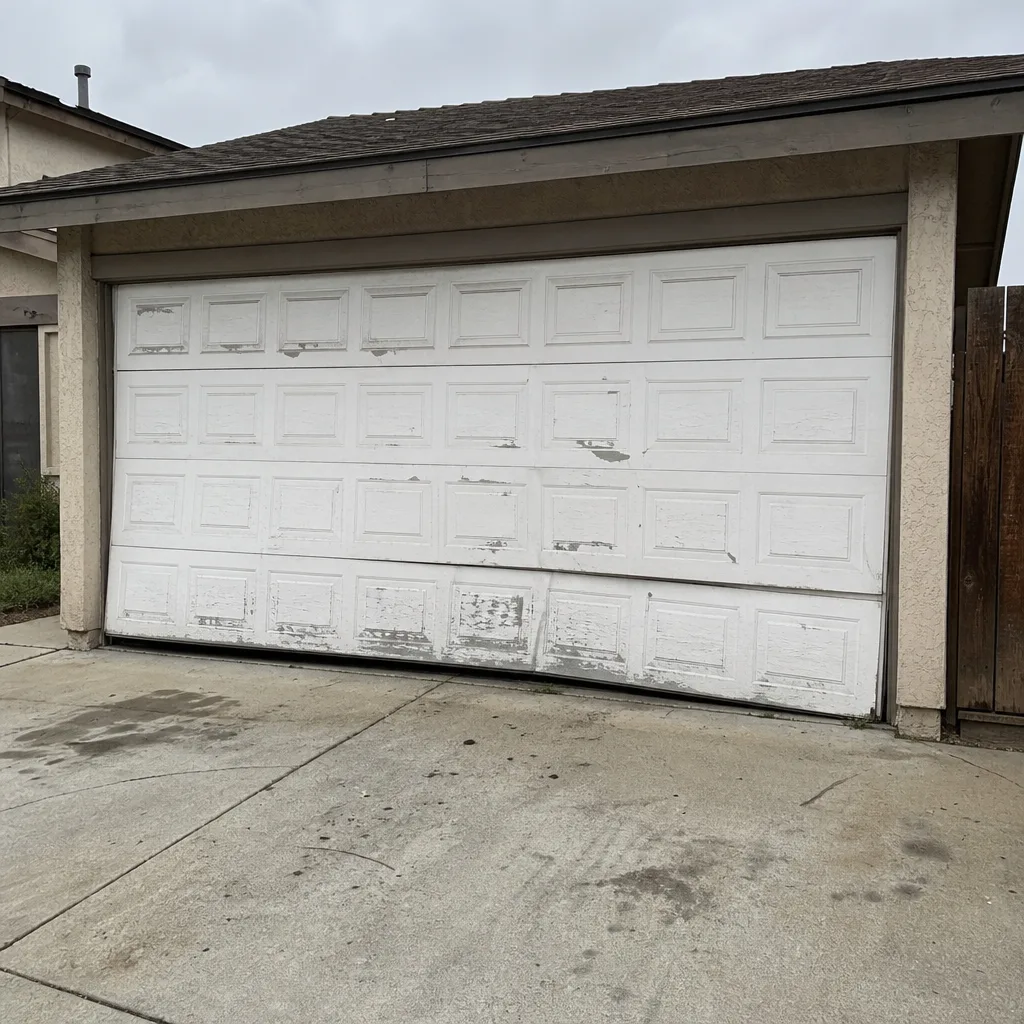 Before
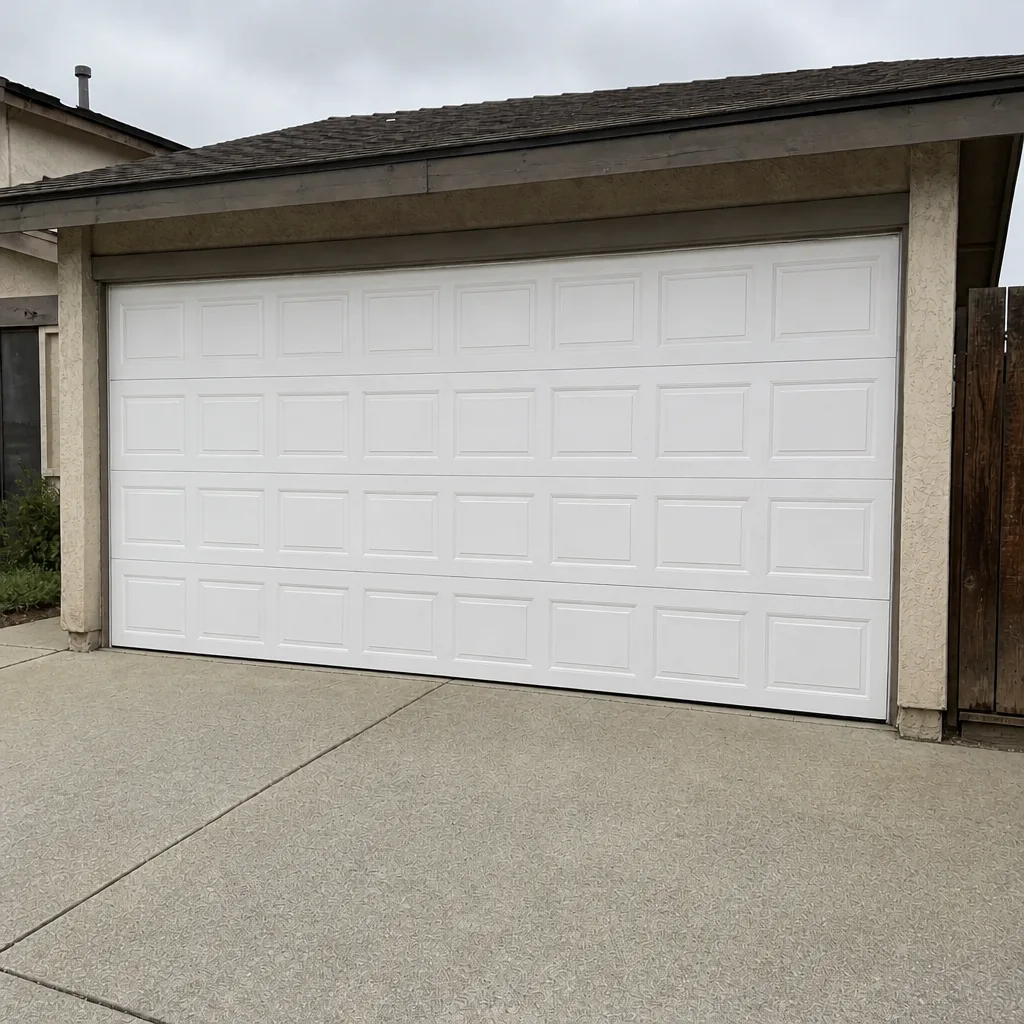 After
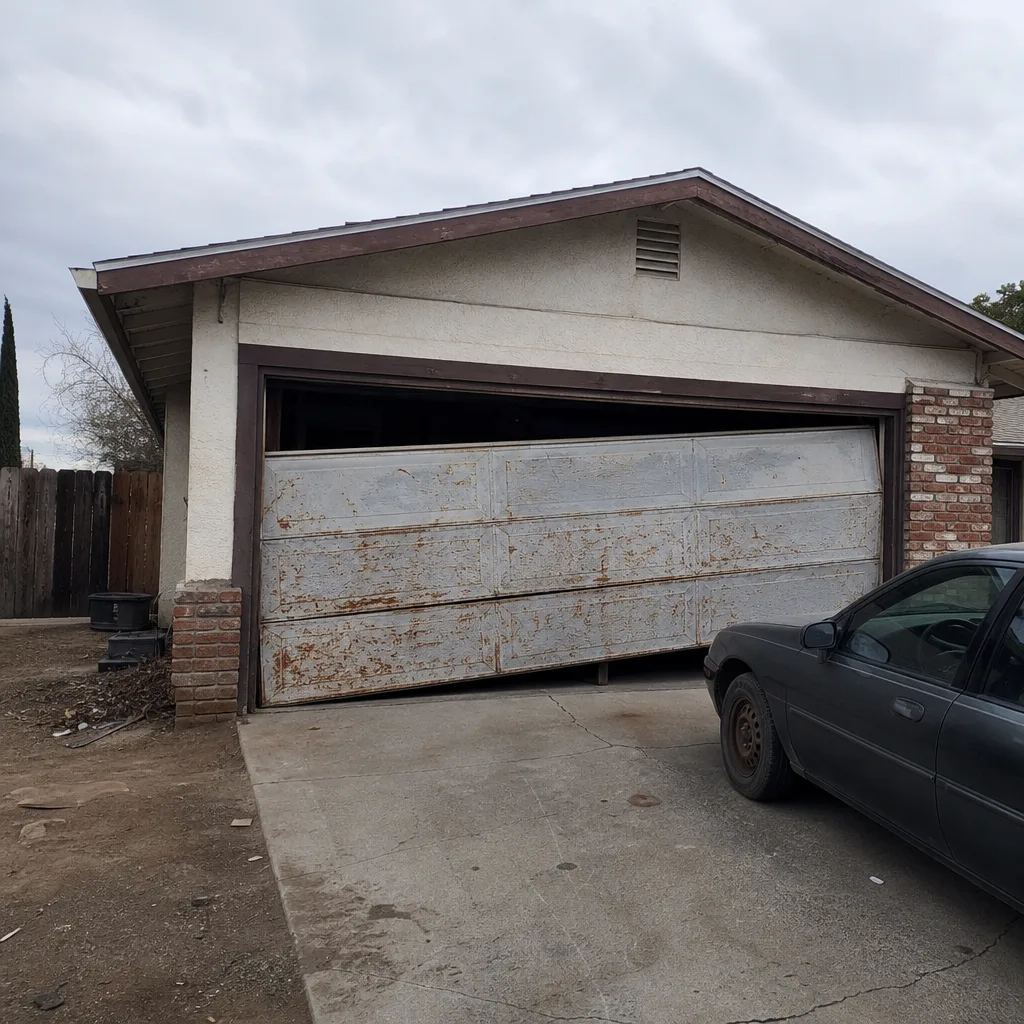 Before
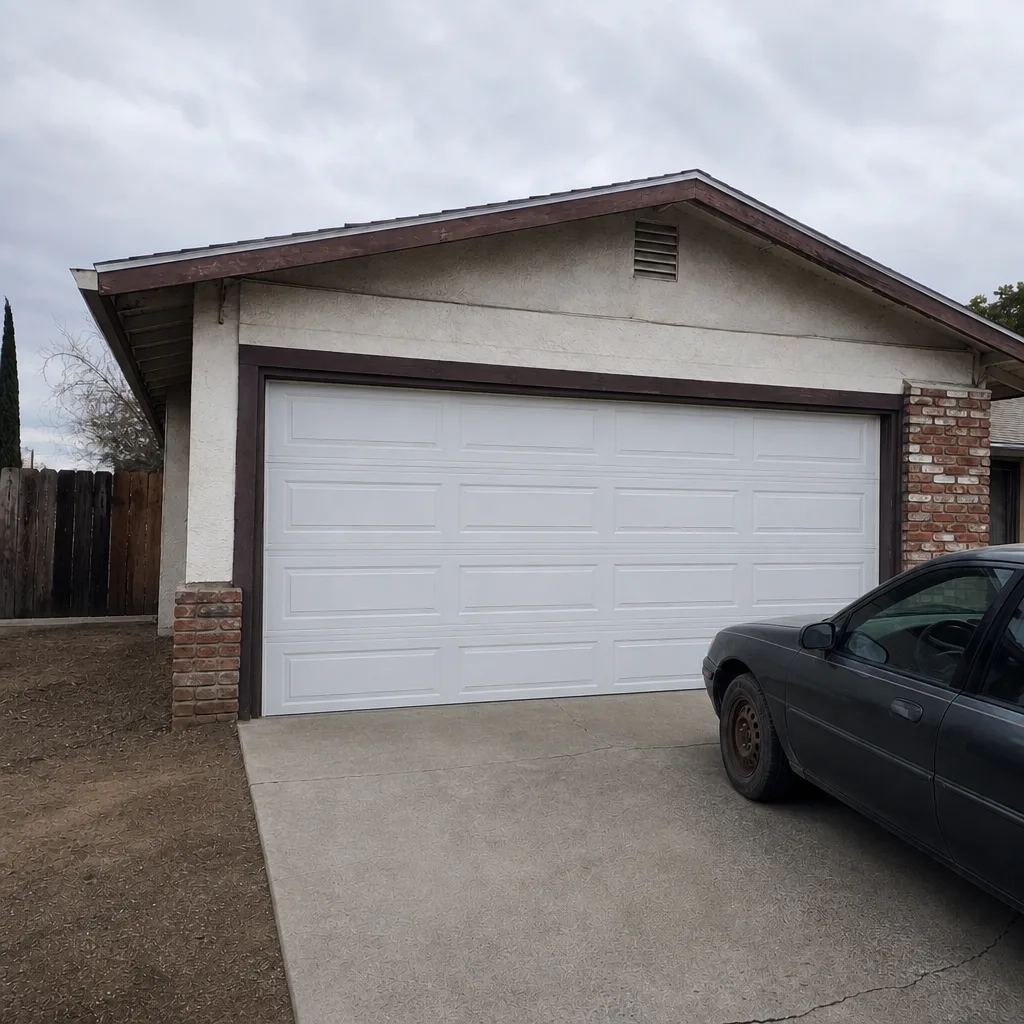 After
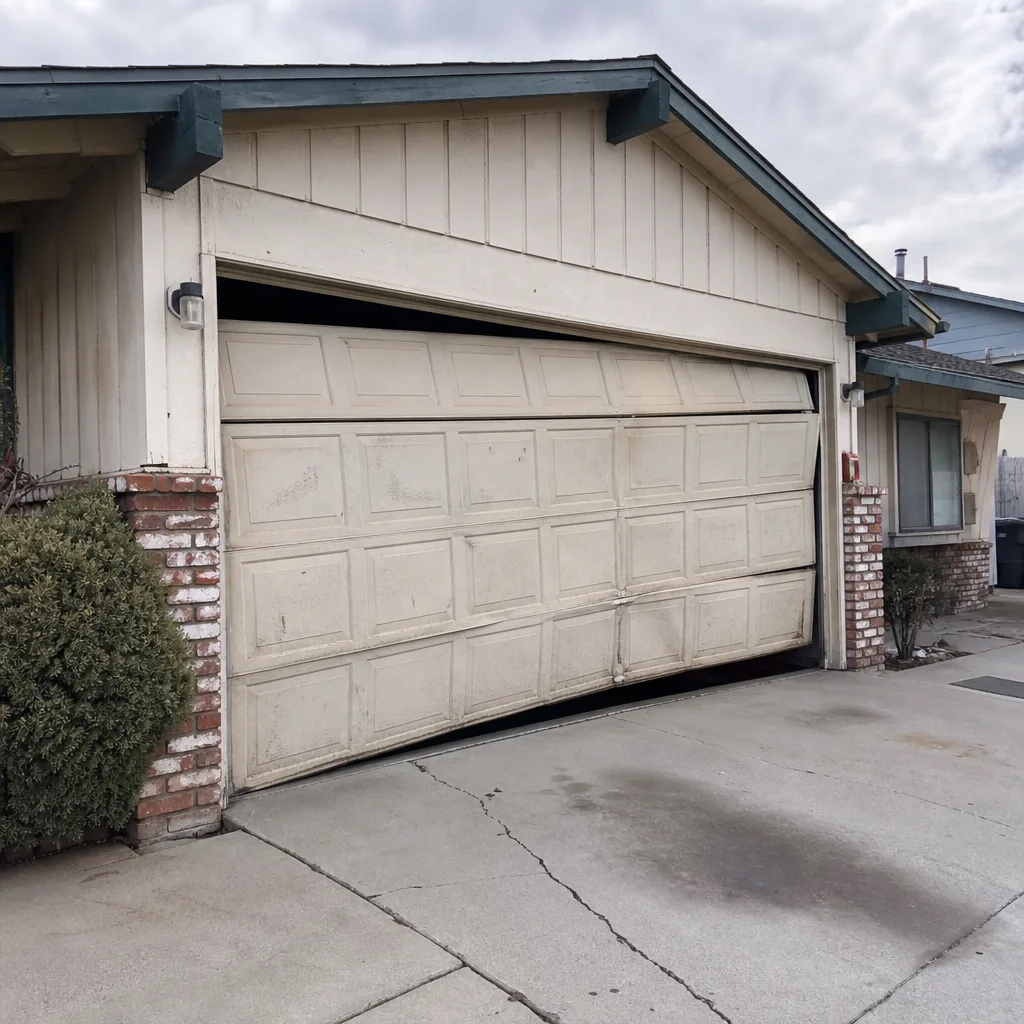 Before
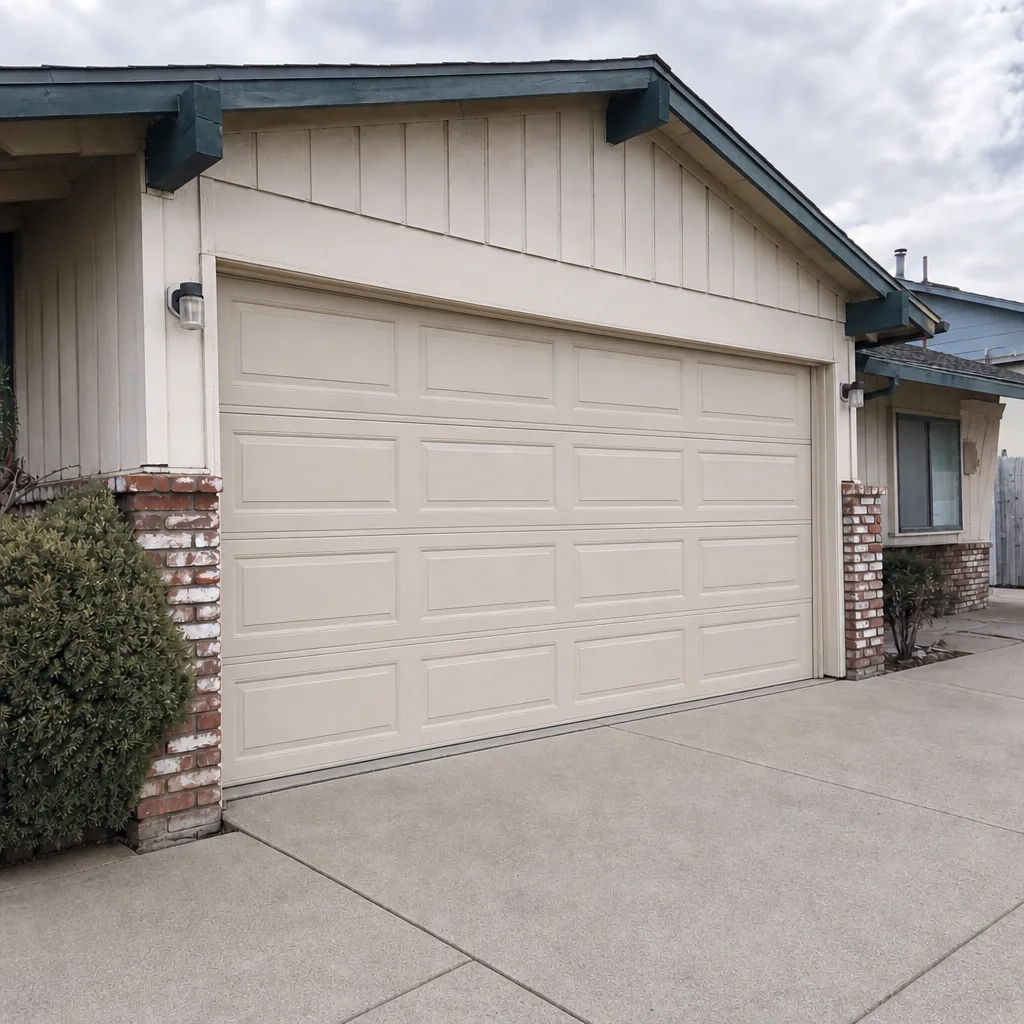 After
When to Call a Professional
If the job involves removal and re-hanging a door, changing the header, altering the size of the opening, or replacing tracks and anchors, call a licensed contractor. Those are structural jobs, they need a Clark County permit, and the wrong install can fail inspection or fail in a wind event. If you’re buying or selling a home in Spring Valley and need a permit history checked against the door on the house, that’s a call worth making too. Spring failures especially – a 200-pound door riding on two springs is not a weekend DIY project. Get a real assessment.
Otto’s Garage Door Spring Valley offers free estimates in Spring Valley – call (888) 318-1978. We’ll tell you up front whether your job needs a permit, and if it does, we’ll walk you through the process in plain language.
Frequently Asked Questions
Yes, a full garage door replacement usually requires a permit from Clark County Building Department, because Spring Valley is unincorporated Clark County, not a city. Repairs like spring swaps, opener replacements, and most panel replacements are generally exempt. If you’re unsure which side of the line your job falls on, call us and we’ll tell you straight – (888) 318-1978.
Because the mailing address says “Las Vegas, NV” even though the property sits in unincorporated Clark County. Some contractors file at the City of Las Vegas window without checking the parcel map, and the city accepts the fee without verifying jurisdiction. The mistake surfaces at inspection or at title search, years later. Call (888) 318-1978 and we’ll help you confirm the right authority before anything gets filed.
For a standard residential door replacement, the Clark County permit fee usually falls in the $75 to $220 range, based on job valuation. Complex jobs with a header modification or oversized door run higher, sometimes with a plan-review submission on top. The fee should always show as a separate line item on the estimate. Call (888) 318-1978 for a free written quote with the permit fee itemized.
No. We quote the job on the phone and hold that number when we get to the driveway. If we get out there and find something genuinely different from what we discussed – a compromised header, an unexpected track repair – we stop, tell you what we found, and get your approval in writing before we touch anything. No surprise invoices. Call (888) 318-1978 for a quote.
They’re completely separate. The county cares about structural safety and wind load. The HOA cares about appearance, color, and window pattern. You need both, and HOA first is usually the safer order. Most Spring Valley HOA boards take two to six weeks for architectural review. For help sorting out which county rules apply to your replacement, call (888) 318-1978.
The title company flags it during the permit search, which typically delays the closing three to six weeks while the permit gets resolved retroactively. Remediation often requires a re-inspection and sometimes partial disassembly to verify anchor and spring specs. Buyers use the flag as leverage on price. The permit costs a couple hundred dollars up front – the reality of skipping it costs far more. Call (888) 318-1978 before you list, and we’ll help you verify the history.
The Bottom Line
Garage door permitting in Nevada boils down to one thing: getting the jurisdiction right. Spring Valley is unincorporated Clark County, which means Clark County Building Department issues the permit – not Las Vegas. A full door replacement typically needs one; a repair usually doesn’t. The fee is modest, the process is fast for a clean residential job, and the alternative – unpermitted work that surfaces at title search – costs several multiples of the permit in remediation, delay, and price concession. Get the HOA sign-off in writing before the door is ordered, confirm the installed model matches the permit before the inspector arrives, and test the safety reverse every time. If you want the permit side of the job handled correctly and quoted in writing, call (888) 318-1978. Free estimates, no surprises at the door.
If you’d like to see what a completed, permitted installation looks like when it’s done right, our Otto’s Garage Door Spring Valley home page is the best place to start. And when something goes wrong between now and then – a snapped spring at nine o’clock at night, an opener that quits – call us live. We’ll quote it on the call and hold the number at the door. Getting a second opinion on a written estimate from another contractor costs nothing here, and neither does a trip inside the home county. We’ll see you around town.
Written by the team at Otto’s Garage Door Spring Valley.