
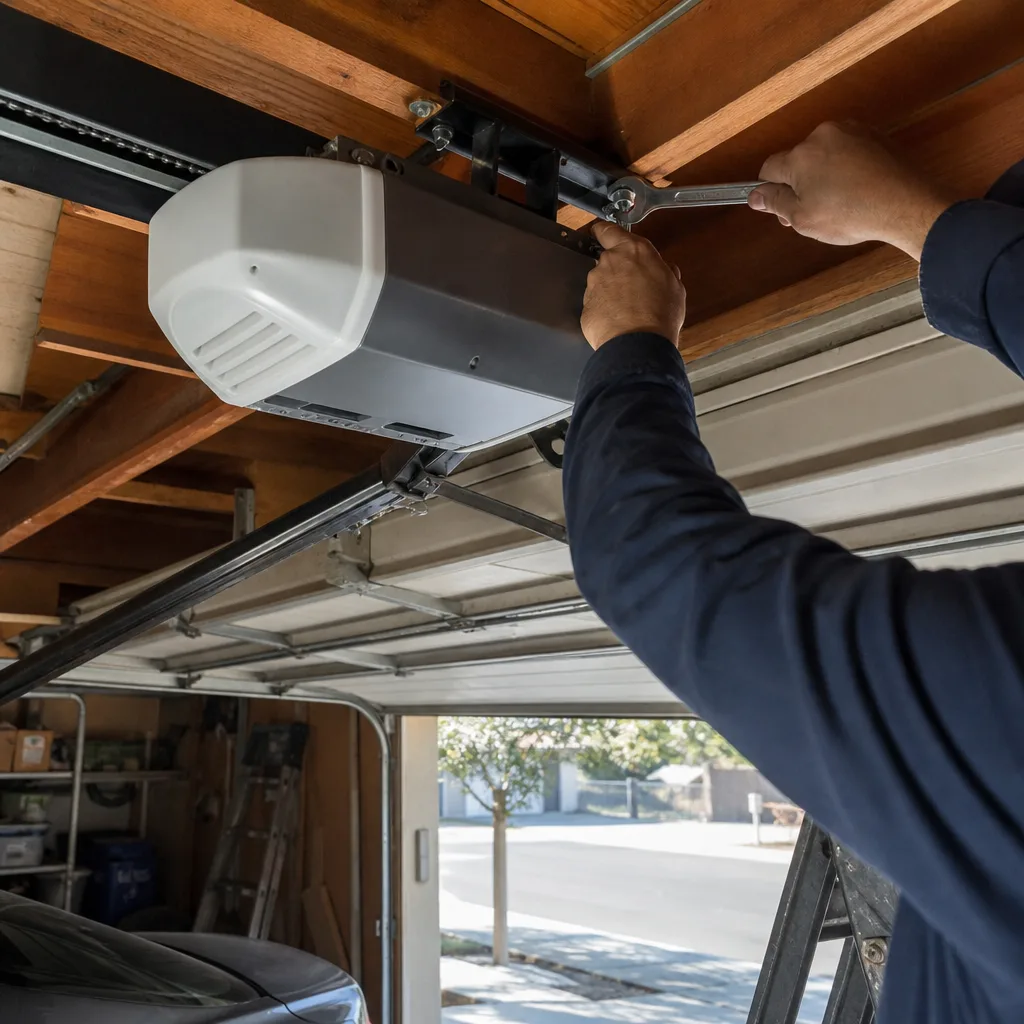
Last updated November 18, 2026
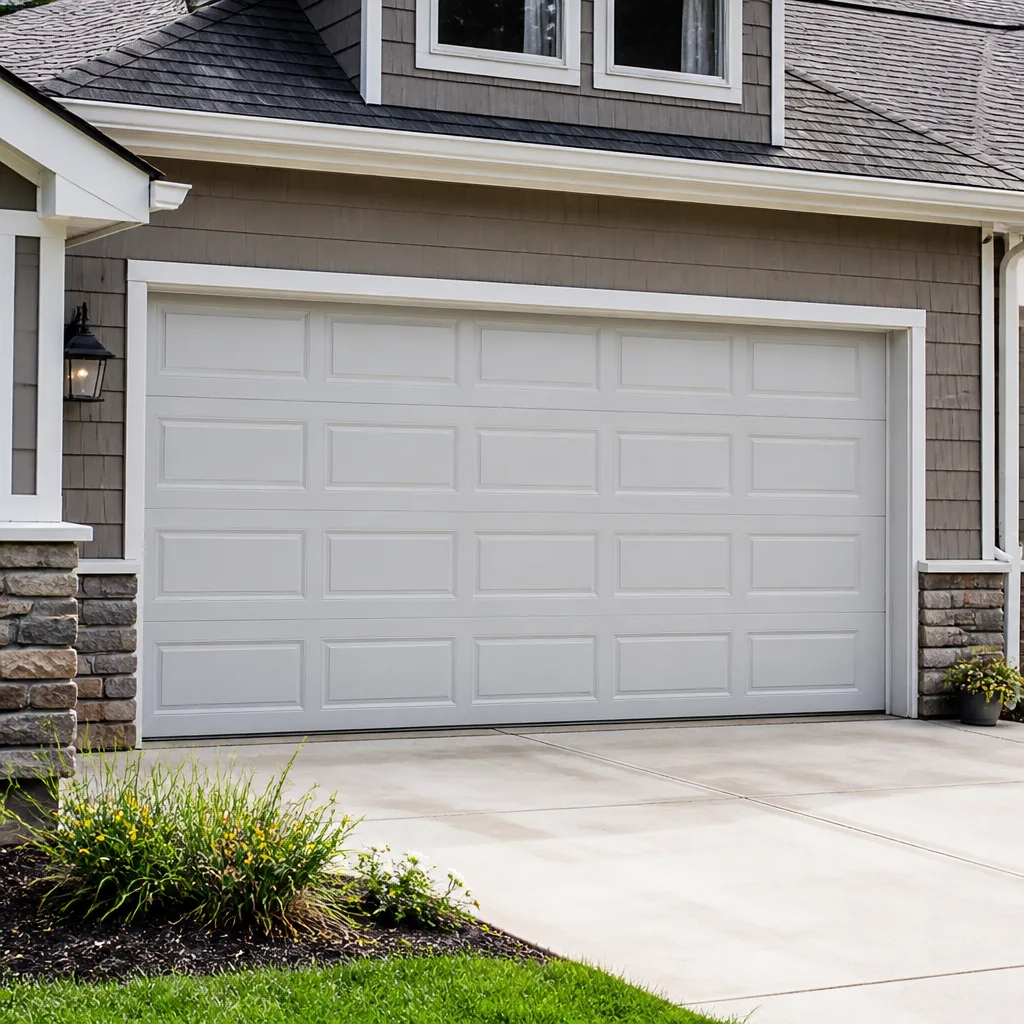 Raised-panel steel
 Carriage house
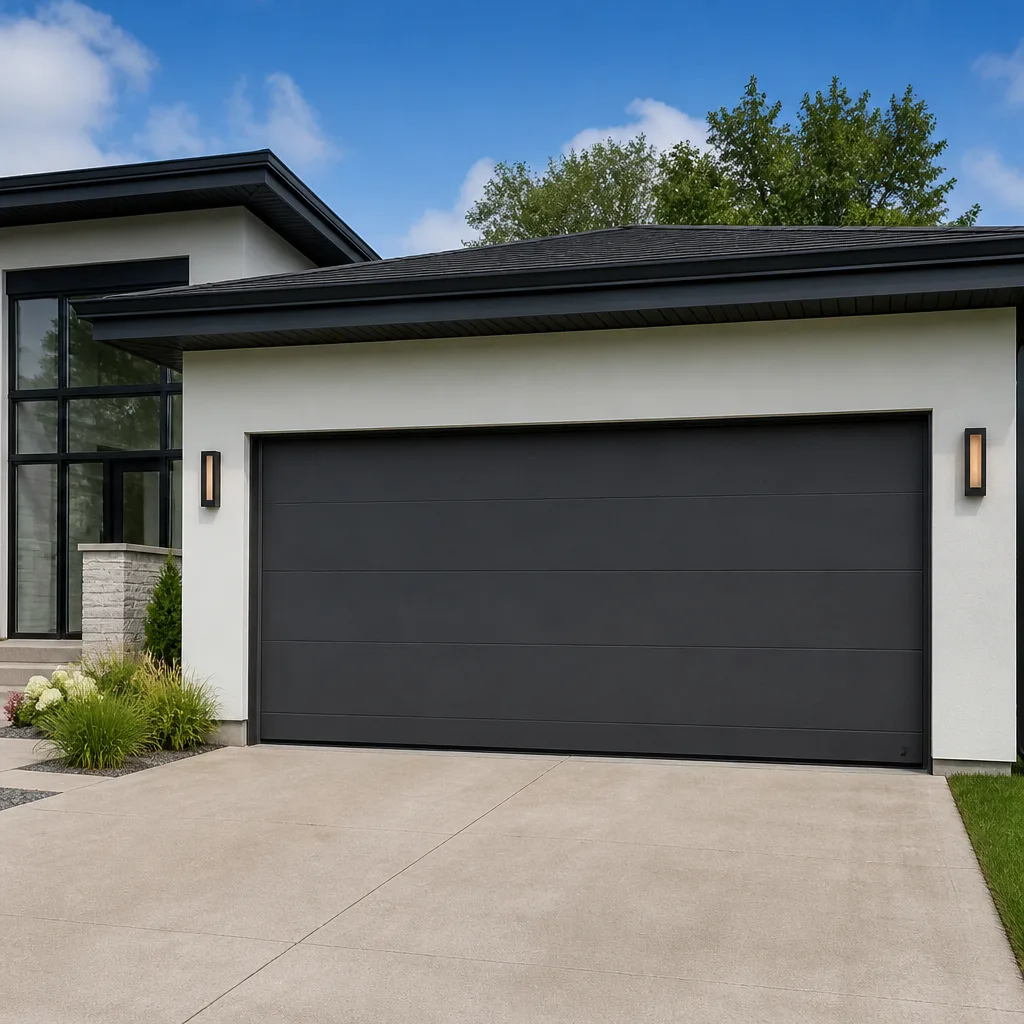 Modern flush
 Full-view glass
 LiftMaster openers
 Chamberlain openers
Full 25-point door and opener safety check with every visit - springs, cables, rollers, tracks, and your LiftMaster or Chamberlain opener included
You get a price before we start. It does not change when the pro arrives.
Get your free estimateGarage Door Installation Maintenance Schedule: What to Do and When
Here’s the part almost nobody tells you when the crew pulls out of the driveway: the first year is when a new door does most of its settling. Cables that were dead tight on install day stretch a little under load. Hinges that felt stiff loosen up. Spring tension drifts just enough to throw the door out of balance before you’d ever notice it by eye. In Spring Valley, where summer afternoons push 105 and winter mornings dip toward freezing, that settling happens against real temperature swings. A brand-new door doesn’t need less attention. It needs different attention, in the right order. This guide lays out exactly what to check at 30 days, 90 days, six months, and every year after, so the door runs clean for two decades instead of nickel-and-diming you at year three.
Quick Answer: What Maintenance Does a New Garage Door Need?
A newly installed garage door needs a 30-day hardware check, a 90-day cable and spring tension re-check, lubrication at install and again around month six, and an annual balance-and-safety-reverse test from then on. Most of the settling happens in the first three months, so those early checks matter more than anything you’ll do later. If your door was installed in Spring Valley and you skip the 90-day tension check, you’re gambling on a quiet imbalance that shows up as a strained opener or a worn bottom seal months down the line.
Styles & brands we work with
- Raised-panel steel
- Carriage house
- Modern flush
- Full-view glass
- LiftMaster openers
- Chamberlain openers
Table of Contents
- Why a New Door Needs Its Own Schedule
- The 30-Day Check: After the Hardware Settles
- The 90-Day Tension Re-Check
- Year-One Lubrication: What Gets Lube and What Doesn’t
- Building a Simple Door Log That Pays for Itself
- What Voids a New Door Warranty
- The Spring Valley Seasonal Calendar
- Year Two and Beyond
Why a New Door Needs Its Own Schedule
A new torsion spring system gets set at install with the cables tensioned and the door balanced by hand. Then the door cycles. A typical household opens and closes it six to ten times a day, so by day 30 you’ve got several hundred cycles on brand-new hardware. New cable elongates slightly under that load, and the effect is real: most torsion systems need a tension re-check at the 90-day mark because the cables have stretched a hair and the door has quietly gone a little out of balance.
That drift is invisible from the outside. The door still goes up. It still comes down. What changes is the effort your opener is putting in to make it happen, and that’s where the wear starts. If the opener is straining, the problem is almost never the opener.
We’ve watched this play out across Spring Valley for years, on everything from Clopay steel doors to Amarr carriage-house styles. The doors that get their early checks run smooth into their teens. The ones that don’t show up as a service call around year three with a worn opener gear, a frayed cable, or a bottom seal that’s been dragging since month four.
Your new door is worth protecting. If you’re still deciding on a door, start with Garage Door Installation in Spring Valley so the schedule below begins on the right footing.
The 30-Day Check: After the Hardware Settles
At 30 days, the door has cycled several hundred times and the hardware has found its real position. This is a look-and-listen check, not a wrench session. Walk through these five points:
- Listen for new sounds. A new door has a clean, even rhythm. If you hear a pop, a squeak, or a grind that wasn’t there in week one, note where on the travel it happens.
- Check the hinges and rollers by hand. With the door closed, grab the door at the middle and rock it gently. Loose hinges are normal to snug up. Excessive play is not.
- Look at the bottom seal and side gaps. In Spring Valley, our summer dust blows in sideways. A seal that’s pulled loose or a gap wider than a pencil lets that dust in with it.
- Watch the opener light track. If the opener struggles (the light dims or the motor labors) the door is binding somewhere. Stop using it and get it looked at.
- Run the safety reverse test. Put a 2×4 flat on the ground under the door and close it. The door should reverse on contact. If it doesn’t, don’t wait for the annual check.
Write down what you find. Even “all good” is a data point. You’ll thank yourself later.
The 90-Day Tension Re-Check: The One Most People Skip
This is the check that separates a door that lasts from a door that starts acting up. New cables stretch. Torsion spring tension shifts slightly as everything beds in. By 90 days, most systems have drifted a little out of balance, and that drift is what wears openers, cables, and rollers over the next year.
You can test balance yourself. Here’s how:
- Disconnect the opener with the release cord so the door moves by hand.
- Lift the door to about waist height and let go.
- A balanced door stays put or drifts less than an inch. If it slides down on its own or wants to run up, it’s out of balance.
- Do it again at the halfway point. Same rule.
If your door fails the balance test, call someone. Do not attempt to adjust torsion springs or cables yourself. A door is 200 pounds riding on two springs, and a spring that lets go under a wrench can break a hand or worse. This is genuinely dangerous work and it’s the one part of the schedule you should always hand to a trained technician. In Spring Valley we’ve seen a few of these get attempted in a driveway with a pair of locking pliers, and it never ends well. If you want a pro to check the springs and cables, Garage Door Repair in Spring Valley covers exactly this.
Year-One Lubrication: What Gets Lube and What Doesn’t
New doors come with some lubrication from the factory. What wears dry by month six is the moving metal: hinges, rollers, and the torsion bar bearings. What should never get lubricated is just as important.
What gets lubricated
- Hinges: a drop of white lithium grease or garage-door-specific spray on each hinge pin.
- Rollers: a light spray on the bearing, not the wheel. Nylon rollers often need none at all.
- Torsion bar bearings and the center bearing plate: a small amount, once a year.
- Lock (if manual): graphite, not oil.
What should never be lubricated
- The tracks. Oil on the tracks attracts Spring Valley dust and grit, and grit is what chews up rollers. Wipe tracks clean with a dry rag instead.
- The springs themselves. A torsion spring is not a moving surface in the way a hinge is. Adding oil does nothing useful and collects dirt.
- The photo-eye lenses. Clean with a dry cloth only. Never spray anything near them.
At install, ask your installer what they used and when they’d reapply. If your door has a Chamberlain or Genie opener, the rail also needs a light lube once a year, but the opener belt or chain is the manufacturer’s call. If yours starts groaning, Garage Door Opener Repair & Installation in Spring Valley is the place to start.
Building a Simple Door Log That Pays for Itself
The single best maintenance habit is a notebook taped to the inside of the door frame. Every time you check, clean, or service the door, you log it. Three columns. That’s it.
- Date: the day you checked or had service.
- Observation: “Bottom seal looks fine. Left hinge a bit loose. Opener sounded normal.”
- Action: “Tightened hinge. Nothing else.”
Why does this matter? When you call for service, you can tell the tech exactly what changed and when. That cuts diagnosis time on the first visit. On the second visit, it tells the tech the history, so they don’t waste your money re-checking things you already know are fine. And if you sell the house, the log proves the door has been maintained, which is worth real money in a Spring Valley sale where garage condition gets inspected.
We’ve had customers hand us a door log that spans eleven years. Those calls are ten minutes instead of an hour, and they’re cheaper for the homeowner. If you’d buy an oil-change log for a truck, do the same for a 200-pound door.
What Voids a New Door Warranty (And What Maintenance Omissions Cost You)
Manufacturer warranties on new doors are more specific than most homeowners realize. Clopay, Amarr, and the rest all write their coverage around proper installation and normal maintenance. The most common ways a spring Valley homeowner voids or weakens a new-door warranty:
- Skipping lubrication. Most warranties require periodic lubrication of hinges and rollers. If the dry hinge chews through the roller and the section bends, the manufacturer can call it neglect.
- Painting or staining the wrong way. Steel doors need specific prep. Painting over the factory finish without proper technique can void the finish warranty.
- Letting a binding door run. If the door has been dragging and you keep operating it, the resulting damage (worn springs, bent sections, burned-out opener) is on you, not the manufacturer.
- Self-adjusting the springs. This voids coverage on the springs themselves and often on adjacent components. It’s also the most dangerous thing on the door.
- Missing the balance check. A door that’s been out of balance for a year and wore out early is a door the manufacturer will argue was neglected. A 90-day check with a log entry is your proof.
Read your warranty paperwork. Every brand prints different numbers, but the maintenance requirement is universal. Keep the log, keep the receipts, and you keep your coverage.
The Spring Valley Seasonal Calendar
Our climate does specific things to a garage door across a year. Here’s how the schedule lines up in Spring Valley:
- Late spring (May-June): wind and dust season. Wipe tracks clean, check the bottom seal for grit embed, and make sure weather stripping still seals.
- Summer (July-August): peak heat. Metal expands. Doors running on tight springs get tighter. If the door starts dragging or the opener sounds labored, that’s a summer symptom, not a coincidence.
- Fall (October): the ideal month for the annual balance-and-lube. Temperatures are stable and any issue caught now won’t blow up mid-winter.
- Winter (December-February): cold-morning stiffness. If the door seems slow on cold mornings, that’s normal for the first cycle. If it’s slow on the fifth, get it checked.
Spring Valley doors live in a mild but swingy climate, and that matters. A door that’s balanced in July might be slightly heavy in January. Regular checks catch the drift.
Year Two and Beyond: The Long-Term Rhythm
After the first year, the schedule gets simpler. Here’s the annual rhythm we recommend for Spring Valley doors:
- Annual balance test (same as the 90-day test above, on the calendar each fall).
- Annual lubrication of hinges, rollers, and torsion bar bearings.
- Safety reverse test every six months (photo-eye and contact reverse).
- Track wipe-down twice a year, more if you’re on a gravel road.
- Spring and cable inspection every two to three years by a trained technician. Springs have a cycle life, and we can tell you how much is left.
That’s it. That’s the whole long-term program. Done consistently, most new doors run smoothly for fifteen to twenty years before they need major service. Skipped, they start costing real money by year five.
If you want a full walkthrough for the door itself, our Otto’s Garage Door Spring Valley home page is the place to start.
Common Mistakes to Avoid
- Waiting for something to break. A door gives you plenty of warning: a new squeak, a slow cycle, a bottom that doesn’t quite seal. Catch it early and it’s a $40 part. Ignore it for six months and it’s a service call plus a new opener.
- Lubing the tracks. This is the single most common mistake we see. Oil on the tracks grabs Spring Valley dust, and gritty tracks grind rollers down fast. Wipe clean, don’t spray.
- Skipping the 90-day tension check. If you skip one thing in this whole guide, don’t skip this one. New cable settles, and an out-of-balance door quietly kills your opener.
- Adjusting the springs yourself. We’ll say it plainly – this is how people get hurt. The spring is under load even when the door is up. Do not touch it.
- Not reading the warranty. Clopay, Amarr, and every other manufacturer put the maintenance requirement in writing. If you didn’t read it, you can’t honor it, and you can’t argue it later.
- Throwing away the install paperwork. The balance weight, spring cycle rating, and torque spec are on that sheet. Without them, the next tech is guessing.
- Letting a small seal leak turn into a big one. Our dust finds the smallest gap. A $15 bottom seal catches it. A rusted bottom section catches the whole cost.
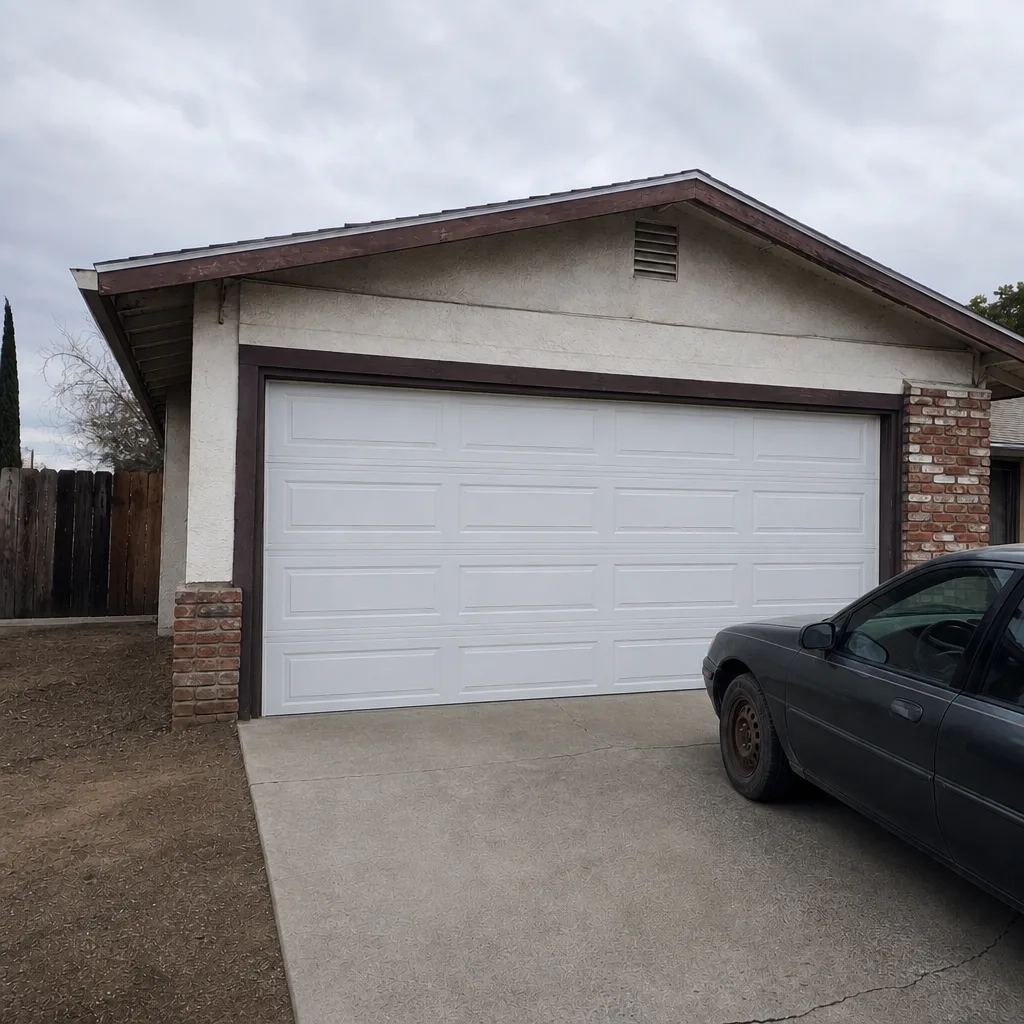
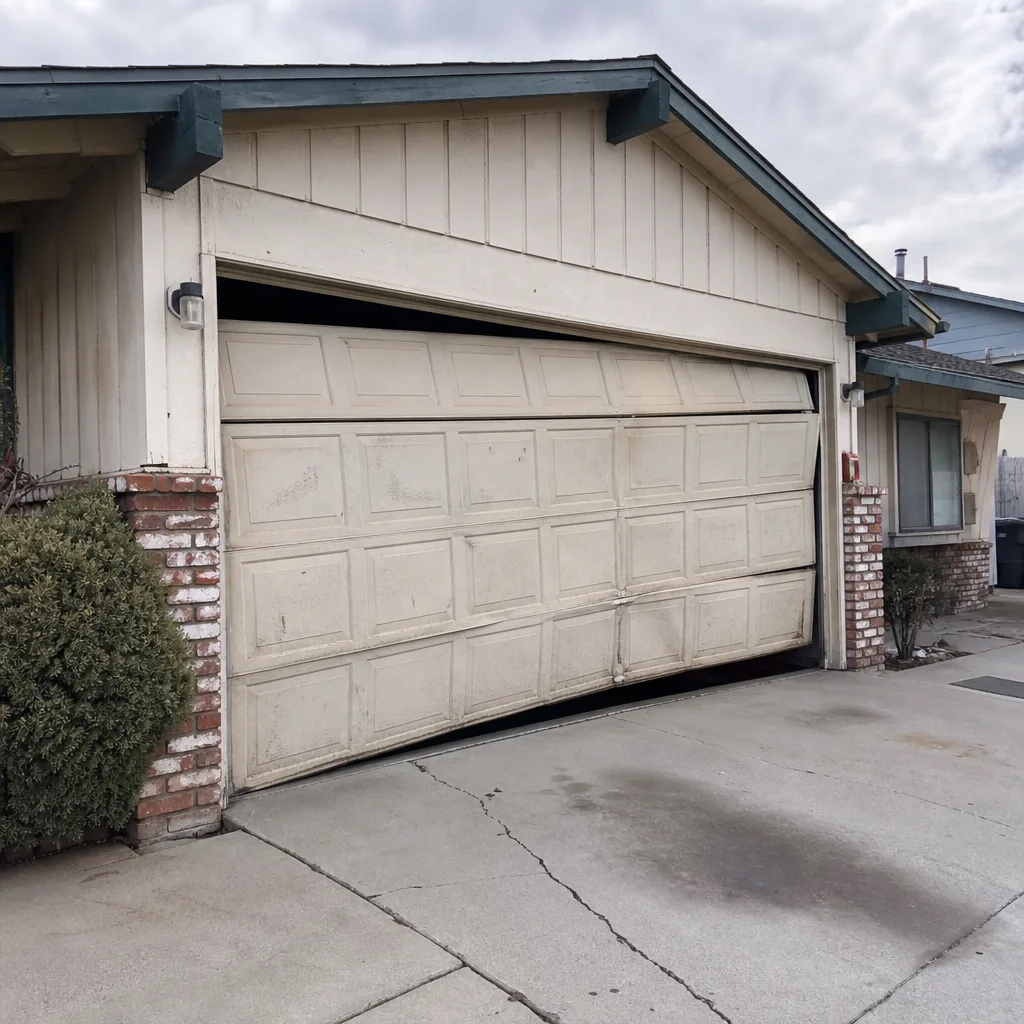
See the difference
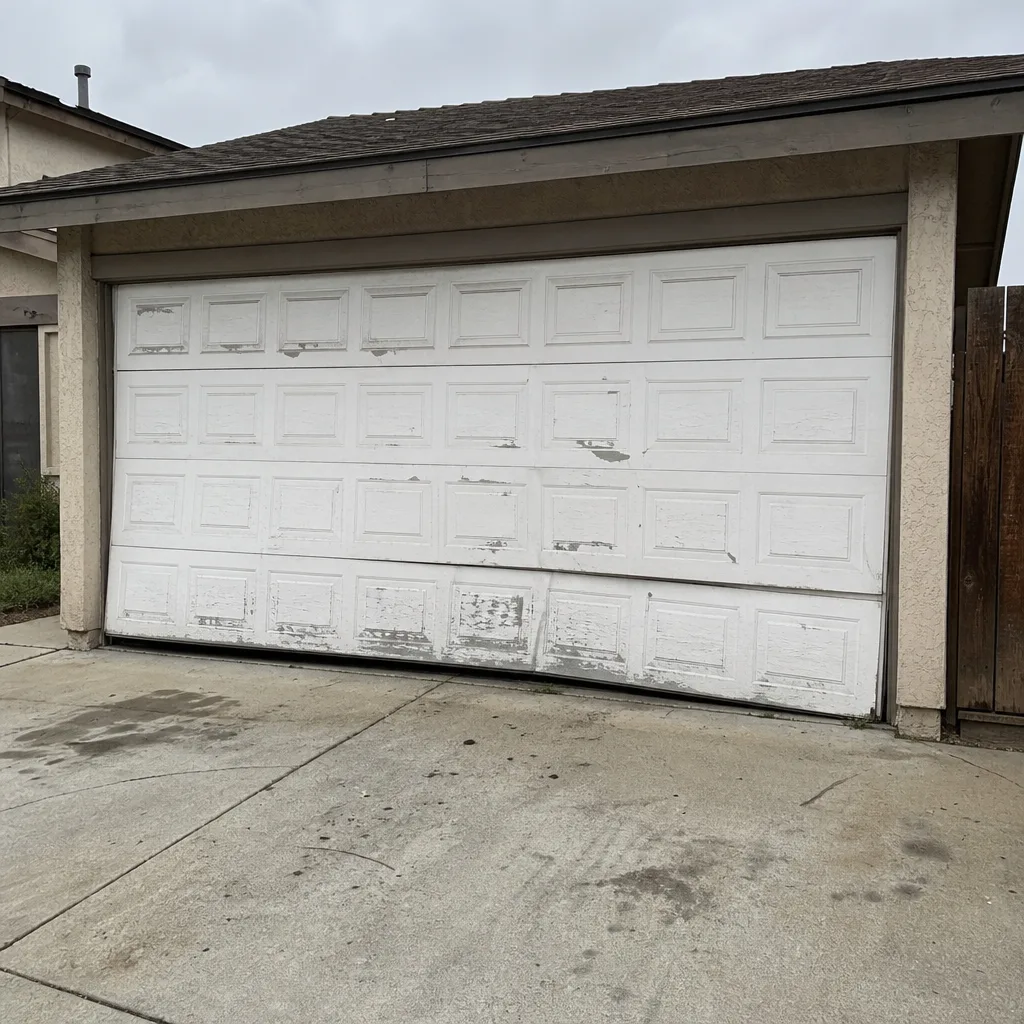 Before
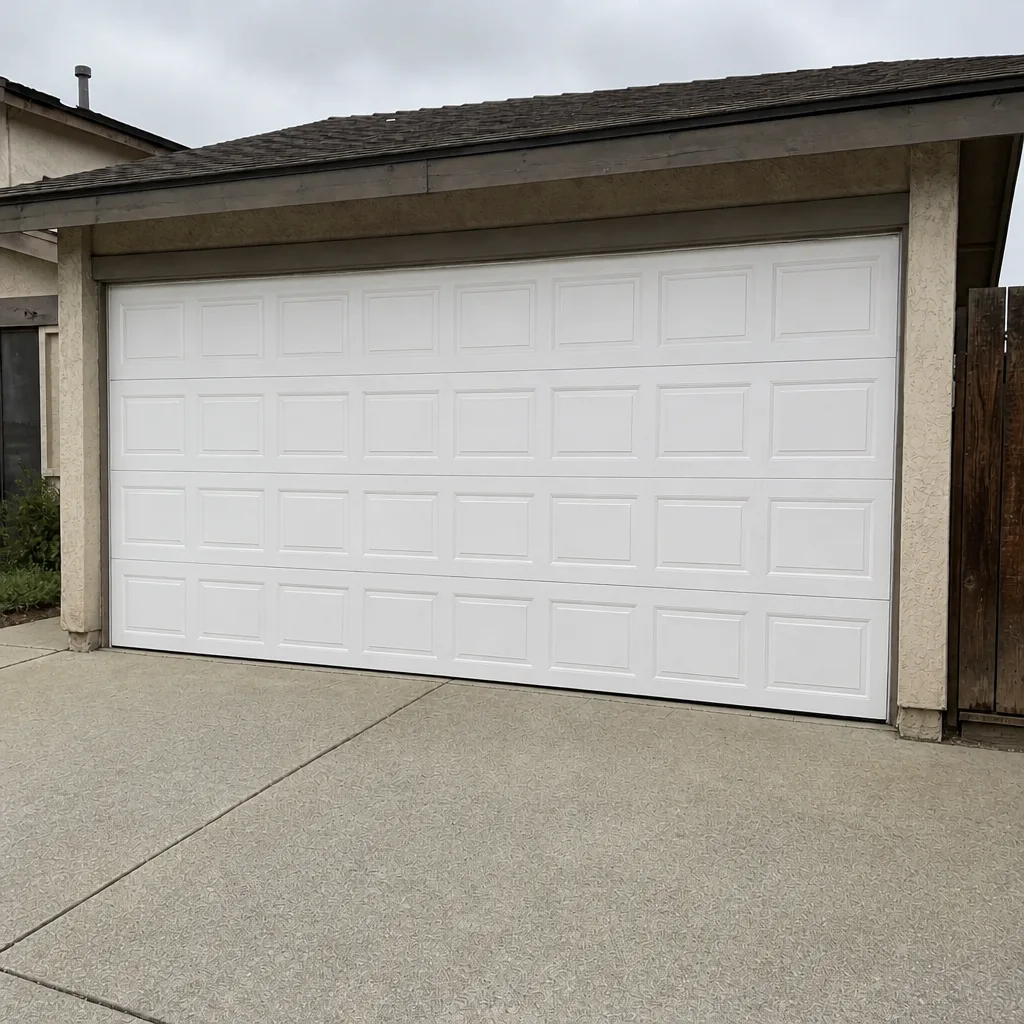 After
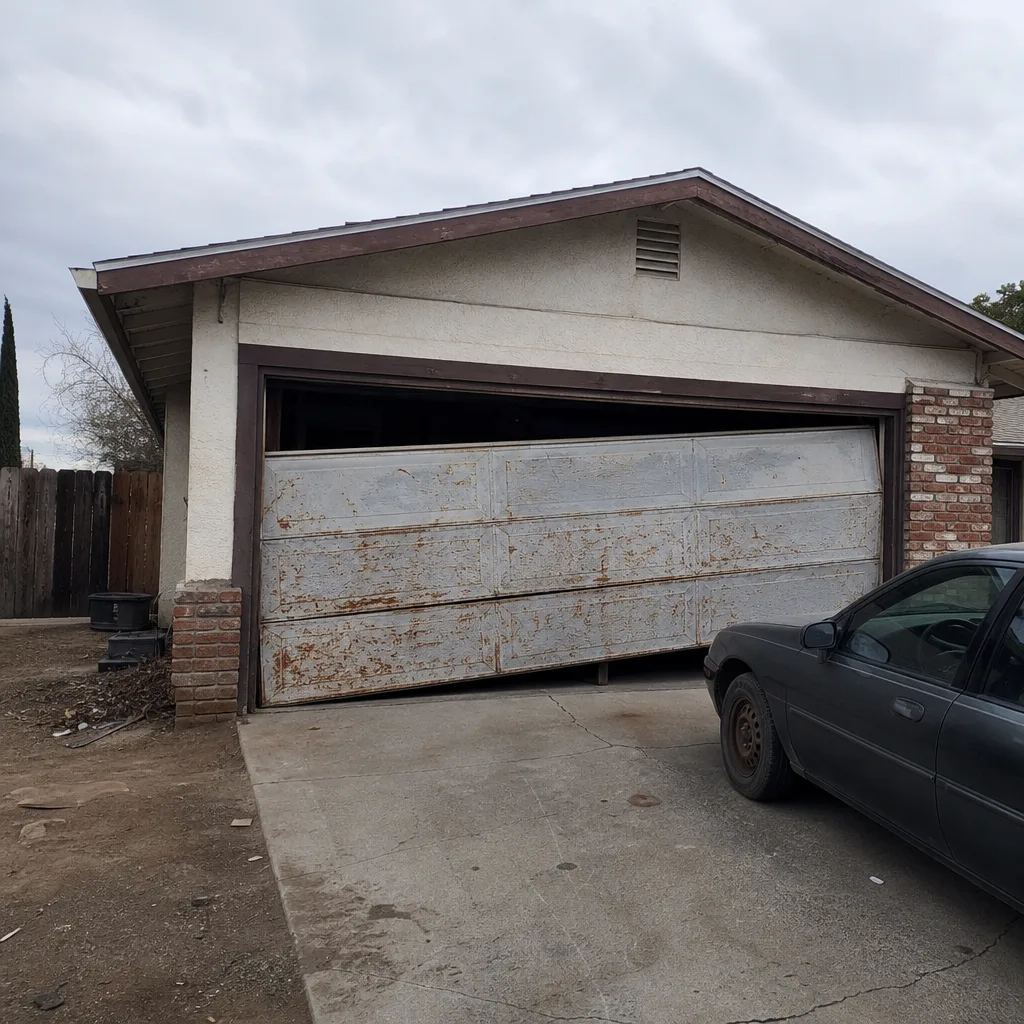 Before
 After
 Before
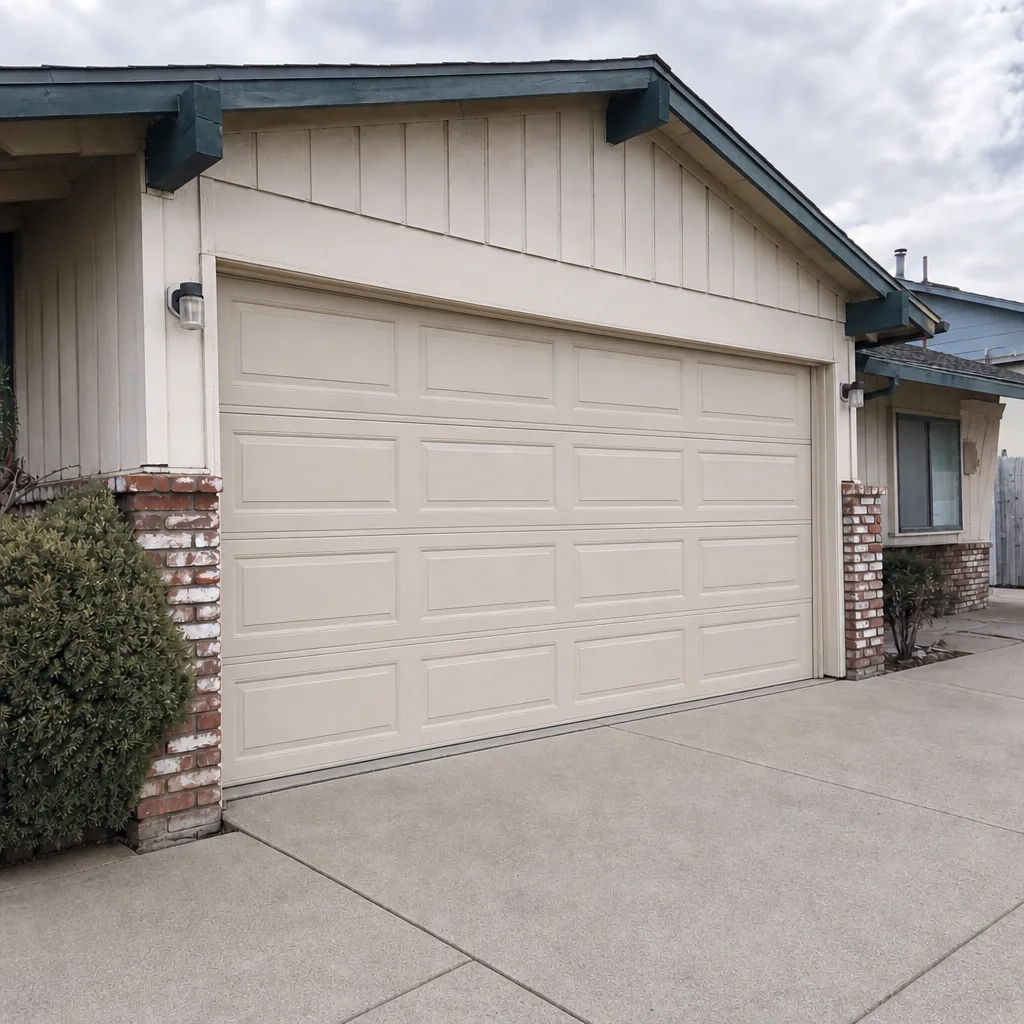 After
When to Call a Professional
Most of this schedule is homeowner-friendly. A few things should always go to a trained tech:
- Any balance test failure, whether it’s the 90-day or the annual
- Any grinding, popping, or grinding sound that doesn’t resolve after lubing hinges
- Any visible fray in a cable, or a cable that’s jumped a drum
- Any torsion spring that’s sagging, has a visible gap, or made a loud bang
- Any broken or bent section
- Any safety reverse failure, on either the contact or the photo-eye
Otto’s Garage Door Spring Valley offers free estimates in Spring Valley – call (888) 318-1978. Our technicians have up to 22 years of experience, and every repair comes with our 90-Day Done Right Promise in writing.
Frequently Asked Questions
The 30-day check should be done by day 30 and the spring and cable tension re-check should happen by day 90. New cable stretches, and the door drifts out of balance quietly within the first three months. If you miss those windows, the next-best move is to get it checked immediately.
No. Torsion springs are under extreme load and can cause serious injury. Even an experienced homeowner should not touch the spring or cable system on a garage door, no matter how new the door is. Call a trained tech for any spring or cable adjustment. Call (888) 318-1978 for an exact quote – estimates are free.
At install, again at about six months, and then once a year after that. Hinges, rollers, and torsion bar bearings get the lube. Tracks and springs do not. If you’re on a gravel road or near construction, wipe the tracks down twice a year to clear dust.
No. We quote on the call and hold that number when we arrive. If we find something genuinely beyond what we discussed, we say so before we touch anything and you approve it or we walk. Nothing on the invoice surprises you. Call (888) 318-1978 for an exact quote – estimates are free.
The two most common culprits are skipping required lubrication and letting a binding door run until the components fail. Self-adjusting the springs also voids coverage on those parts. Keep a maintenance log and your receipts – they’re your proof if the manufacturer ever questions the cause of a failure.
Yes. We’re insured and bonded, and every technician is background-checked and trained across the brands we work on, from Chamberlain openers to Amarr and Clopay doors. We’re locally owned and owner-operated in Spring Valley, and we’ve been here since 2004. Call (888) 318-1978 for an exact quote – estimates are free.
The Bottom Line
A new door doesn’t ask for much. Check the hardware at 30 days. Re-check balance at 90. Lube the right parts at install and again around month six. Then keep a simple log and run the annual balance-and-safety-reverse test every fall. That’s the whole program. Do it and your door runs clean for twenty years. Skip the 90-day check and you’ll be paying for someone else’s shortcut around year three. If you’re in Spring Valley and want this schedule set up right from day one, call Otto’s Garage Door Spring Valley at (888) 318-1978 for a free estimate and a written plan that fits your door.
Written by the team at Otto’s Garage Door Spring Valley.