
Last updated November 18, 2026
 Raised-panel steel
 Carriage house
 Modern flush
 Full-view glass
 LiftMaster openers
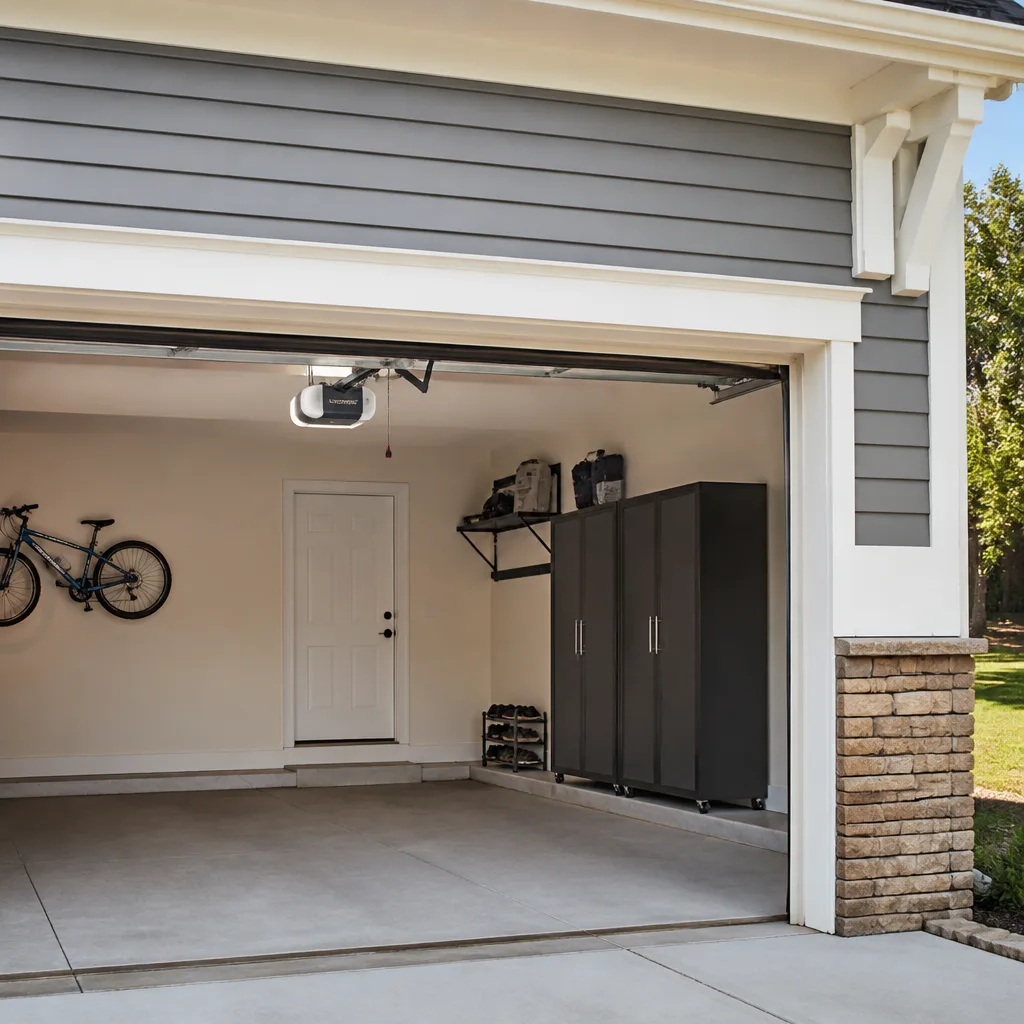 Chamberlain openers
Full 25-point door and opener safety check with every visit - springs, cables, rollers, tracks, and your LiftMaster or Chamberlain opener included
You get a price before we start. It does not change when the pro arrives.
Get your free estimateGarage Door Opener Repair & Installation Maintenance Schedule: What to Do and When
The owner’s manual that came with your opener was written for a national average climate that doesn’t exist. It tells you to “inspect annually” and “lubricate as needed,” which is about as useful as a weather forecast that says “some weather today.” Your opener isn’t living through a national average. It’s living through 300 days of sun, blowing alkali dust that settles into every moving part, and a garage that hits 120°F every July. That’s a different clock. In this guide we’ll lay out a month-by-month schedule built for Spring Valley conditions, the two lubrication points homeowners get backwards every time, and the tests that tell you something’s slipping before it fails.
Quick Answer
A garage door opener needs light but timely maintenance: clean the safety sensors monthly (more often during Spring Valley dust season), inspect the drive system and re-check the force settings twice a year after the summer heat cycle, test the battery backup quarterly, and lubricate the trolley rail lightly once a year while going easy on the drive chain. Skip those and an opener that should last 12 to 15 years will start straining in six.
Styles & brands we work with
- Raised-panel steel
- Carriage house
- Modern flush
- Full-view glass
- LiftMaster openers
- Chamberlain openers
Table of Contents
- Why Spring Valley Climate Changes the Schedule
- The Month-by-Month Maintenance Calendar
- The Lubrication Mistake Everyone Makes
- Battery Backup: Why Once a Year Isn’t Enough
- Force-Sensitivity Drift and the Two-Minute Re-Calibration
- What to Log Every Time (Otto’s Three-Item Checklist)
- Maintenance After a New Opener Installation
- Common Mistakes to Avoid
Why Spring Valley Climate Changes the Schedule
Most maintenance guides assume mild seasons and steady humidity. Spring Valley doesn’t offer either. From May through September, a closed garage becomes a heat box, and the opener head unit, the rail, and the drive assembly all bake in it. Thermal expansion runs on a daily cycle: parts grow in the afternoon, shrink overnight, and every fastener that isn’t snug works itself a little looser over a summer. That’s thermal stress, and it’s why we tell Spring Valley homeowners their equipment ages faster than the label suggests.
Then there’s the dust. Alkali dust from the surrounding desert doesn’t stay outside. Wind pushes it under the door, and it settles on every greasy surface inside the mechanism. On a lubricated chain or belt, that dust turns into a gritty paste. On an unlubricated trolley rail, it just builds up until the carriage starts dragging. The two problems need opposite fixes, which is exactly where most people go wrong.
Seasonal wind is the third factor. Once the fall winds pick up, a weatherseal that’s been baking all summer cracks at the corners and starts letting grit and cold air under the door. Checking that seal in October, before the wind does its work, saves you a spring replacement and a drafty garage all winter. If your opener is paired with a heavier insulated door, say a Clopay or Amarr model, the strain on the drive system compounds and the schedule matters even more.
The Month-by-Month Maintenance Calendar
Here’s the calendar we hand to Spring Valley customers. It’s tuned to the local climate cycle, not a generic national one. Print it, tape it inside the garage door, and work through it as the seasons turn.
- March: Clean the safety sensors and wipe the photo-eye lenses. Spring dust is starting to blow, and a dirty lens is the number one reason a door reverses for no apparent reason.
- April: Test the auto-reverse and force settings before the heat arrives. Tighten any fasteners on the rail brackets that have worked loose over winter.
- May: Pre-summer sensor cleaning and a full visual inspection of the drive chain or belt for slack or fraying. This is your last easy window before the garage gets hot.
- June – August: Monthly sensor wipe-downs. Dust season peaks and the heat stress cycle is in full swing. Listen for new noises; a grinding or straining sound now means something’s wearing.
- September: Post-summer drive inspection. Check the chain or belt tension, look for glazing on the belt, and re-test the force settings. The heat cycle has had three months to loosen things up.
- October: Weatherseal check before the wind picks up. Run a hand along the bottom seal and the side seals; cracks and gaps are common after a hot summer.
- November: Battery backup test and a light lubrication of the trolley rail. Cold nights are coming and the door will feel stiffer.
- December – February: Quarterly battery test, sensor cleaning, and a listen for any change in how the door sounds. Cooler weather is the easiest time to notice a problem before it becomes an emergency.
That’s the whole year. Nothing on the list takes more than fifteen minutes. The point isn’t to turn you into a technician. It’s to catch the small stuff before it turns into a service call in the middle of a Spring Valley summer afternoon.
The Lubrication Mistake Everyone Makes
If we could fix one habit in this county, it would be lubrication. Homeowners either skip the one point that matters or drown the one that doesn’t. Both cause damage, and both are easy to correct once you know which is which.
The point everyone skips: the trolley carriage rail. The trolley carriage is the piece that rides along the rail and connects the opener to the door. That rail needs a light film of lubricant so the carriage glides instead of dragging. When it’s dry, the opener motor works harder on every cycle, and the strain shows up as a door that moves slower or sounds rougher. A few drops on the rail once a year keeps the carriage moving freely.
The point everyone over-lubricates: the drive chain or belt. A chain or belt doesn’t need much. A thin coat is fine. But homeowners see a chain, assume it needs oil like a bicycle, and lay it on thick. In Spring Valley, that thick coat becomes a magnet for alkali dust. Within a few months you’ve got a gritty paste grinding the chain against the sprockets. That paste is worse than no lube at all, because it accelerates wear instead of preventing it. If you own a Wayne Dalton or Craftsman unit with an exposed chain, this matters most.
Use a light, dust-resistant lubricant, apply it sparingly, and wipe off any excess rather than letting it sit. If your chain looks dark and greasy rather than lightly coated, clean it before you add anything. A stiff brush and a rag do the job. This one paragraph, applied faithfully, will save you more money than any other maintenance tip here.
Battery Backup: Why Once a Year Isn’t Enough
Brownouts in Spring Valley are real, and they tend to happen on the hottest days of the year when the grid is strained. That’s also when you least want a dead opener and a car sealed inside the garage. The battery backup on a modern LiftMaster or Chamberlain unit is only as good as its last test, and once a year doesn’t cut it here.
The ten-second test is simple. With the door closed, pull the emergency release handle to disconnect the opener from the door. Now press the wall button or remote. The opener should run the motor without the door moving. If the motor spins and you hear it working, the battery has charge. If nothing happens, or the motor barely turns, the battery is spent. Reconnect the door by pulling the release back, then test the door normally to make sure it’s re-engaged.
Do that test every quarter, and always before summer. If the battery is more than two or three years old, replace it regardless of what the test shows. Heat kills batteries quietly, and a battery that passed in February may surprise you in July. It’s cheap insurance and the difference between a normal afternoon and a very inconvenient one.
Force-Sensitivity Drift and the Two-Minute Re-Calibration
Your opener has two force-sensitivity settings. They decide how much resistance the door can meet before the opener reverses. Set them too tight and the door reverses on nothing. Set them too loose and the opener won’t stop for a real obstruction, which is the setting you never want. Over the months, those settings drift. The heat cycle loosens things, the springs lose a little tension, and a setting that was perfect twelve to eighteen months ago is now out of spec.
The fix is a two-minute re-calibration. Open the door to about halfway and close it using the wall button. Watch and listen. The door should move smoothly and reverse if you obstruct it with something firm. If it strains or moves unevenly, the force setting is probably too tight and the opener is fighting something, most often a door that needs adjustment or a spring losing tension. If it won’t reverse at all when obstructed, the setting is too loose and needs to come down.
Here’s the honest part: adjusting force settings on some models means a dial on the opener head, and on others it means running through the automatic calibration sequence in the manual. If you’re not comfortable with it, that’s a reasonable call for a professional. What matters is that you know the settings drift and that they need checking twice a year after the heat cycle. A door that doesn’t reverse properly is a safety problem, not just an inconvenience.
What to Log Every Time (Otto’s Three-Item Checklist)
Here’s the thing about maintenance: the value isn’t only in doing it, it’s in recording what you saw. When something does go wrong, a log gives you a baseline instead of a mystery. We hand every customer a simple three-item checklist, and it’s all you need.
- Date and what you did. “March 12, cleaned sensors, wiped lenses” or “September 8, checked chain tension, re-tested force.” Thirty seconds of writing.
- What it sounded like. “Smooth and quiet” or “slight grind on close.” Sound is the earliest warning an opener gives, and you’ll only notice a change if you wrote down the last one.
- Anything you noticed but didn’t fix. “Bottom seal cracking on the left corner.” “Remote responds slow sometimes.” Note it, even if you leave it for later. That’s your to-do list for the next visit.
Keep the log on a notepad inside the garage or a note on your phone. It doesn’t need to be organized. It just needs to exist. When you call us for a service visit, read the log to the person who answers and you’ll get a more useful answer faster, because you’ll be describing a pattern instead of guessing at a symptom. If you’re in Spring Valley and you’ve been meaning to set this up, our Garage Door Opener Repair & Installation in Spring Valley team can walk you through it on a call, no visit required.
Maintenance After a New Opener Installation
A brand-new opener doesn’t need the full schedule in year one, but it does need a first check. The manufacturer breaks the unit in during the first few months, and fasteners that were torqued at the factory settle and work loose. The drive system also finds its natural tension. It’s the mechanical equivalent of new shoes needing breaking in.
What we suggest after a fresh Spring Valley installation: check the rail brackets and mounting bolts at about the ninety-day mark and snug anything loose. Test the sensors and the battery backup. Then start the normal year-round calendar from there. If you’re still deciding on equipment, a modern unit with battery backup, Wi-Fi, and quiet belt drive is worth the small extra cost, especially when paired with a solid insulated door like a Clopay or Amarr. If you’re thinking about a full replacement, our Garage Door Installation in Spring Valley page explains what a proper measure looks like. Installation is measured, ordered, and scheduled; it’s not a same-day job, and anyone who promises that is shortening a step that matters.
Common Mistakes to Avoid
- Over-lubricating the chain. A thick coat grabs alkali dust and turns into grinding paste within a season. A thin film is all you want.
- Skipping the sensor wipe because the door “works fine.” A dusty lens in Spring Valley can reverse a door on nothing, and the fix takes ten seconds.
- Testing the battery backup once a year. Summer brownouts don’t wait for your annual check. Test it every quarter, before the hot months especially.
- Ignoring a change in sound. An opener that suddenly groans or grinds is telling you something is wearing. Catching it early is a repair; catching it late is a replacement.
- Never checking force settings. They drift out of spec over twelve to eighteen months, and a loose setting means the door won’t stop for an obstruction. That’s a safety problem.
- Leaving a cracked weatherseal through the windy season. The fall wind finds every gap and drives grit into the track. Check the seal in October, before it does its work.
- Assuming a straining opener is the opener’s fault. Most of the time the door is the problem: a spring losing tension, a bent track, or rollers that need attention. If the opener is straining, the problem is almost never the opener.
When to Call a Professional
Some maintenance you can do yourself. Some you shouldn’t touch. The openers we work on sit above a door that weighs a couple hundred pounds and rides on springs under enormous tension. If your door hesitates, reverses on its own, or a spring has let go, that’s a professional job, not a weekend project. We also get the call when the force settings won’t dial in, the chain or belt is fraying, the drive gears are grinding, or the opener has started doing what we call the ghost-travel: opening a few inches, stopping, then reversing. That’s rarely a button problem. It’s usually a sensor, a spring, or a drive assembly that needs diagnosis.
If you’re in Spring Valley and one of those is happening, Otto’s Garage Door Spring Valley offers free estimates. Call (888) 318-1978 and a live person answers, day or night. Otto often picks up himself, quotes the job on the call, and holds that number when he gets to the door. No surprises between the phone and the driveway.
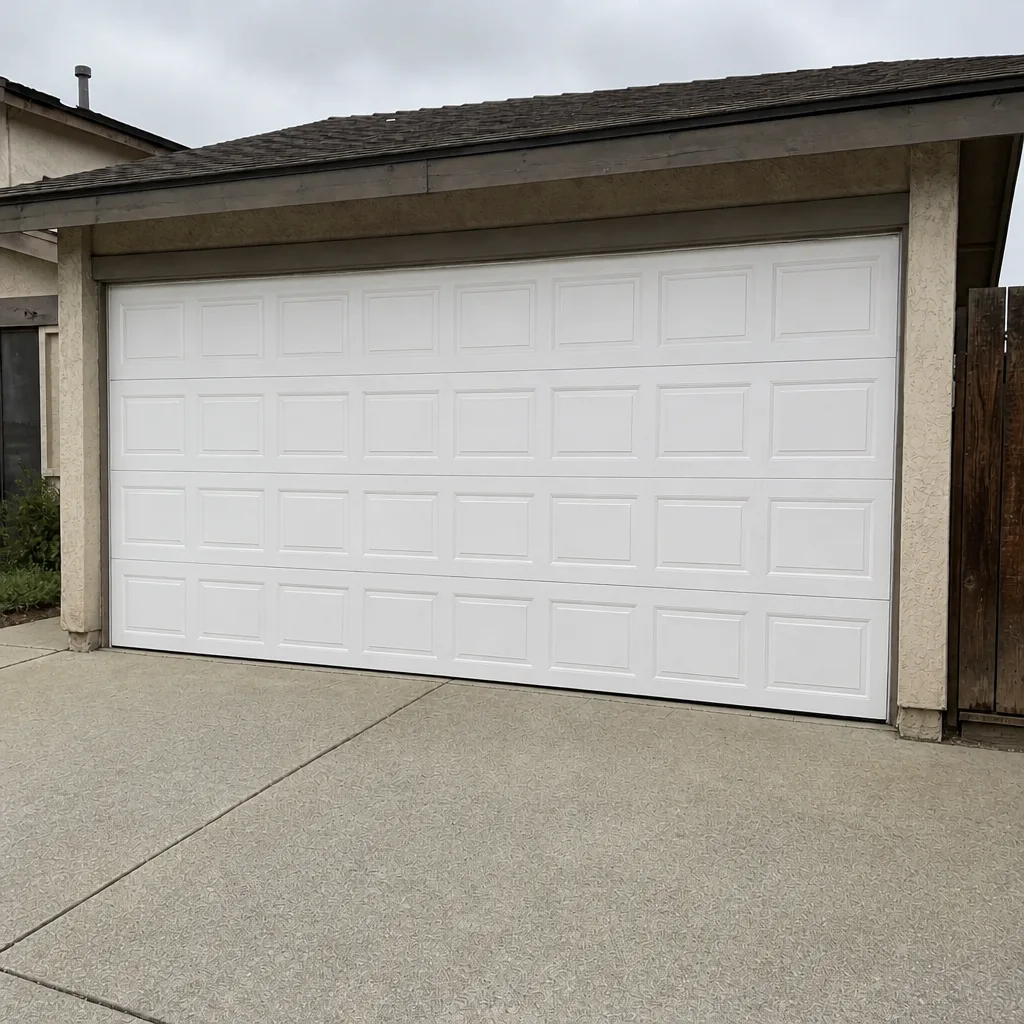
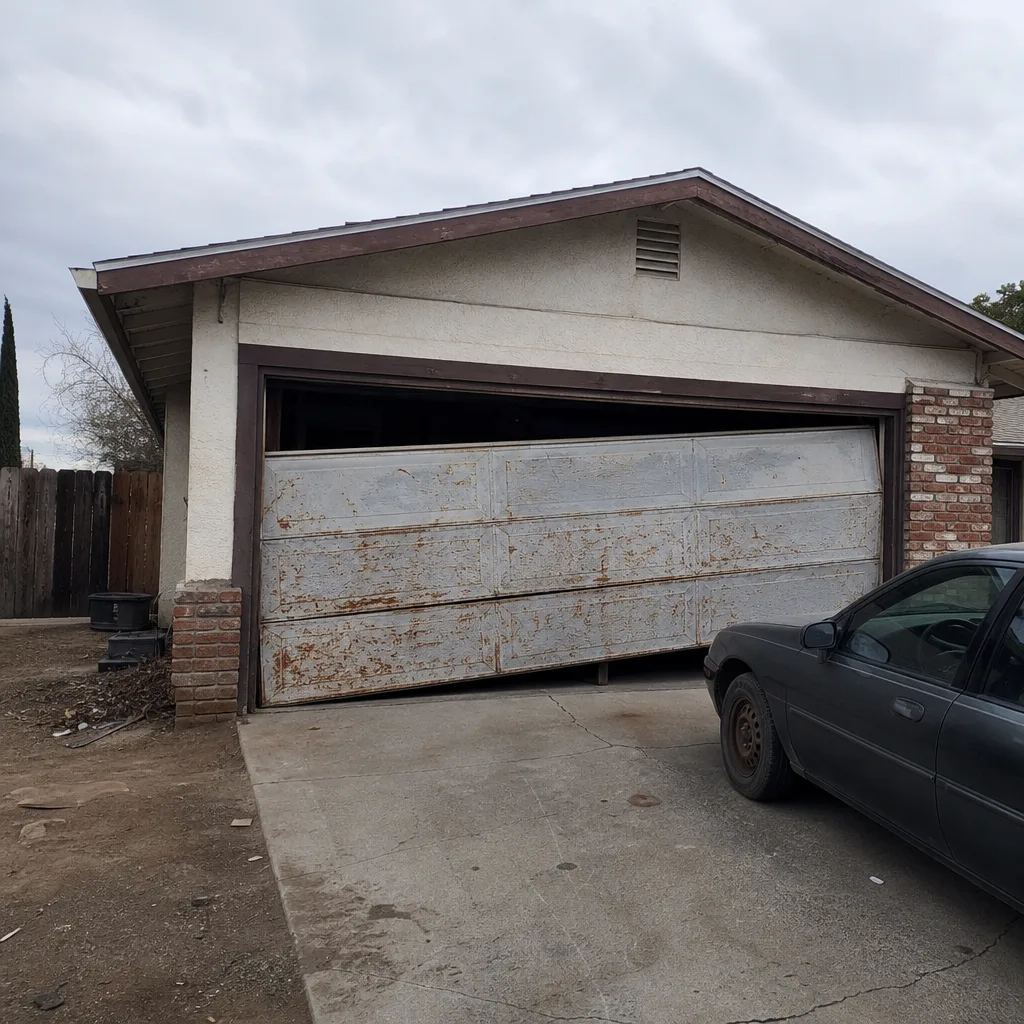
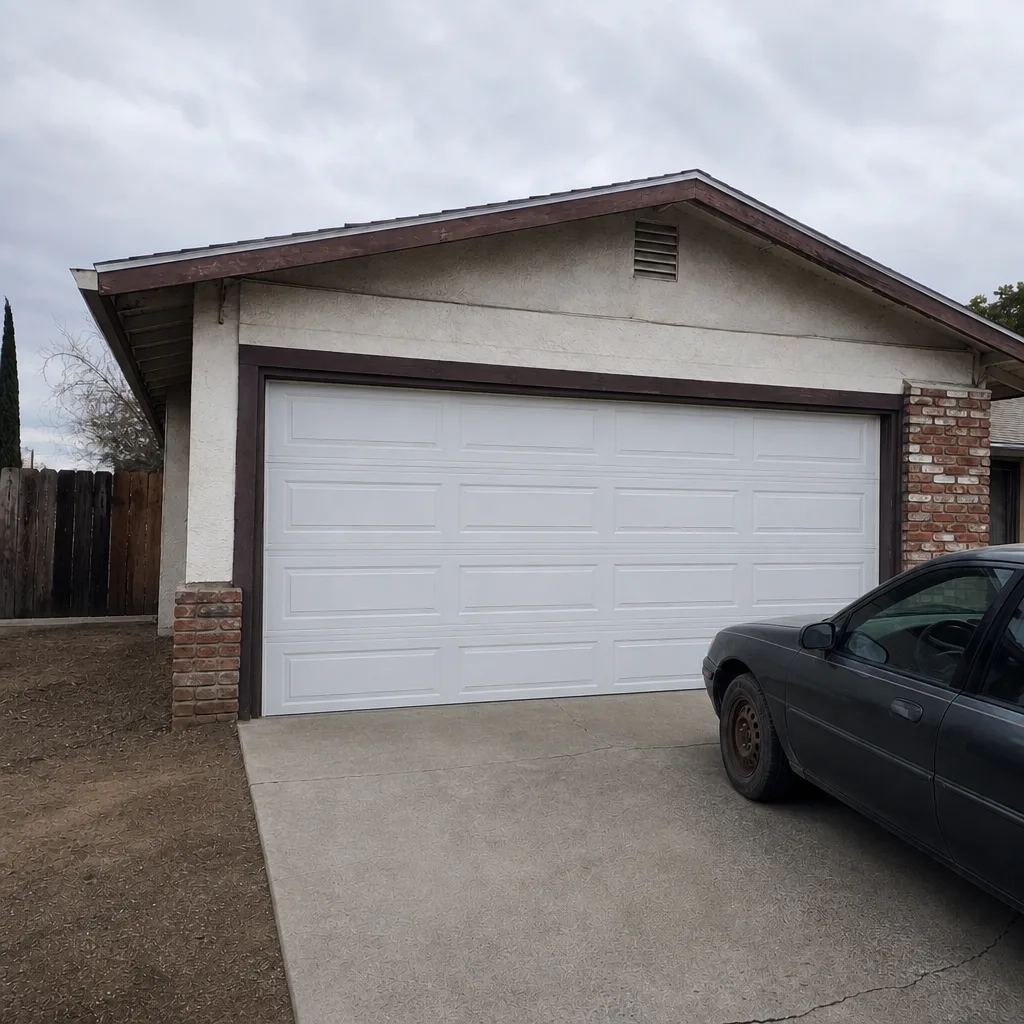
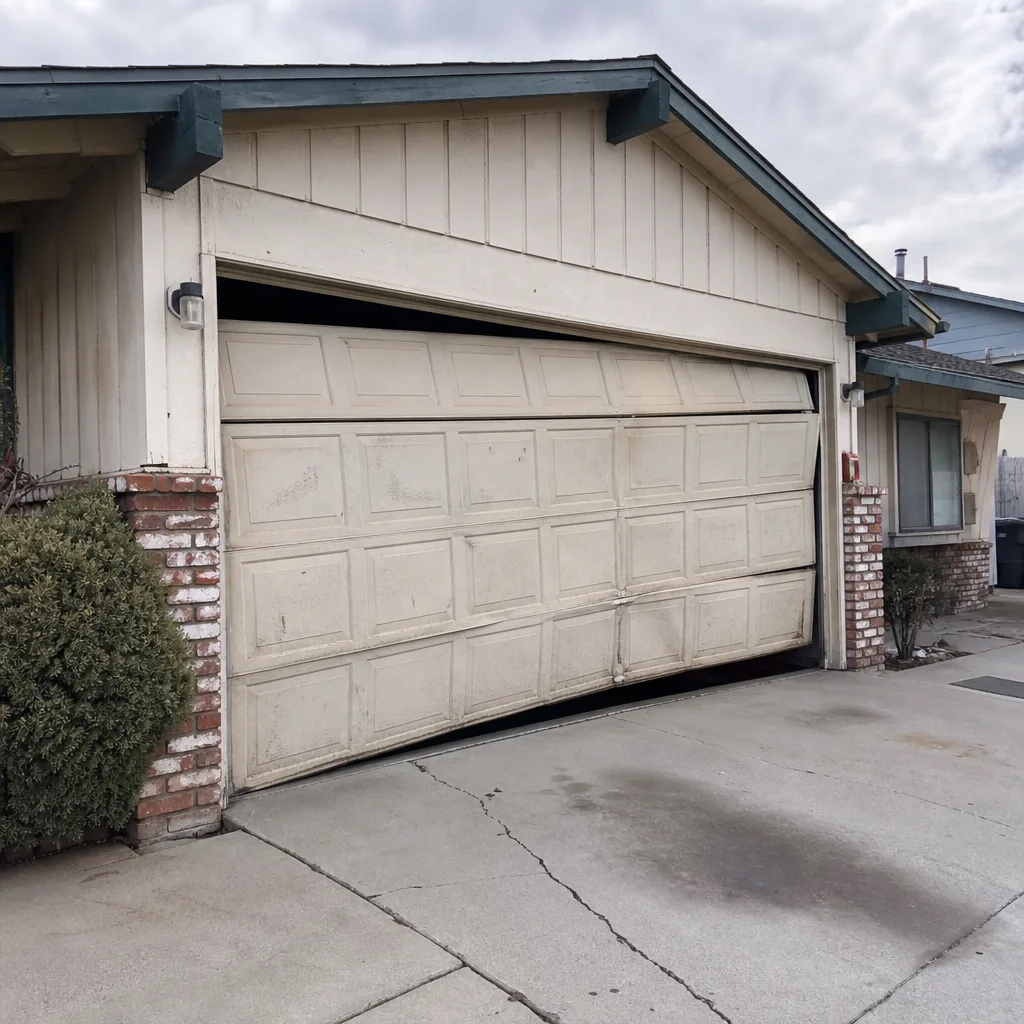
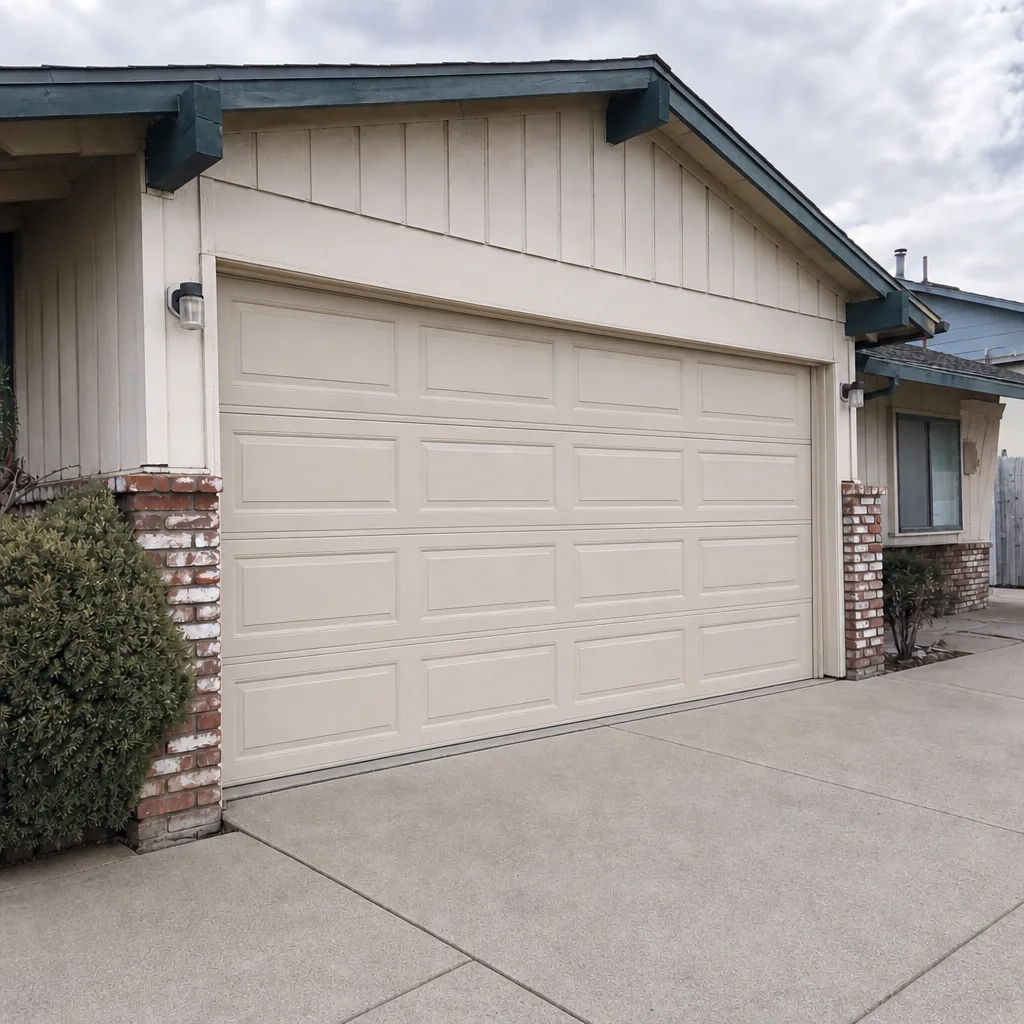
See the difference
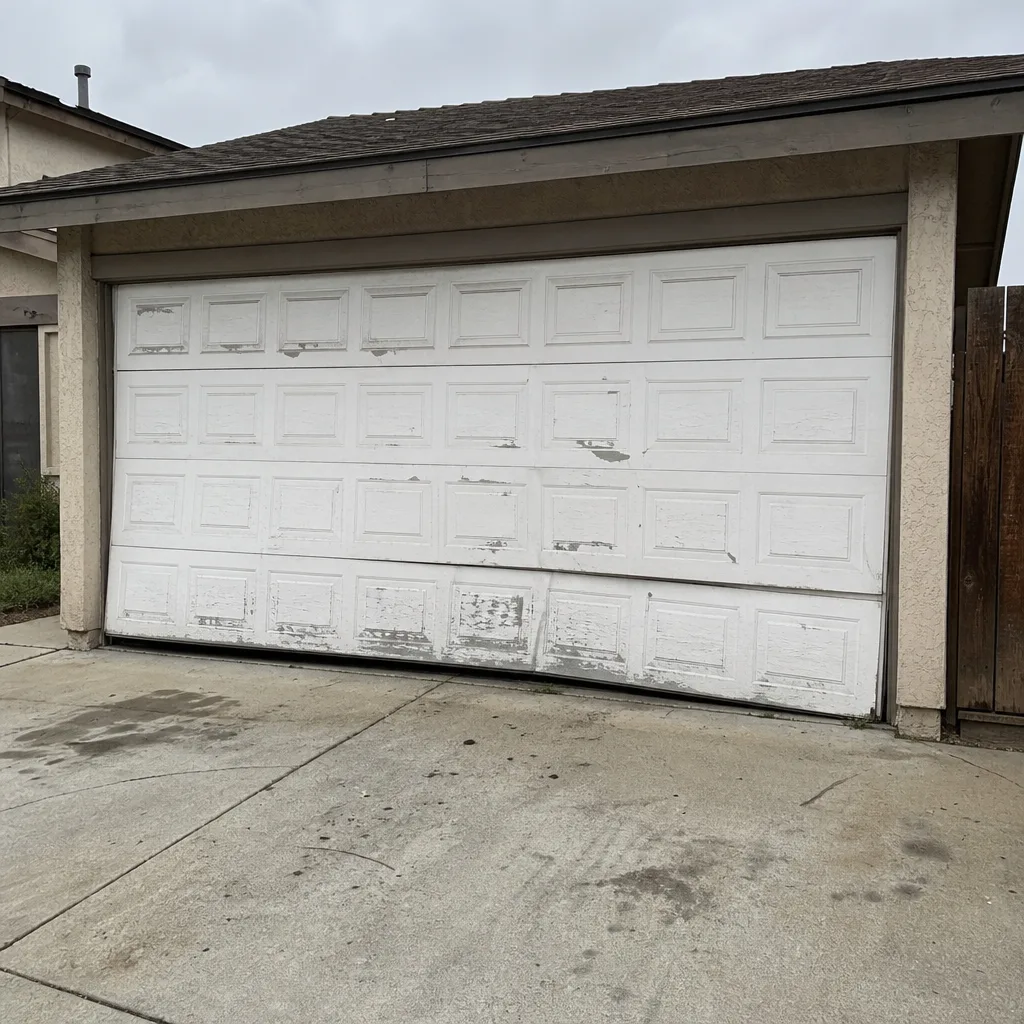 Before
 After
 Before
 After
 Before
 After
Frequently Asked Questions
Twice a year for the drive system and force settings, monthly for the safety sensors and battery during the hot months, and a light lubrication of the trolley rail once a year. Twice-yearly professional tune-ups make a real difference in Spring Valley because the heat cycle and dust run on a shorter clock than a national average. That’s the whole schedule, and it’s built for the climate here, not a generic manual.
Call (888) 318-1978 and we’ll tell you honestly what’s available. Spring Valley repair calls are often handled same day, and a live person answers around the clock, including nights and weekends. Estimates are free, so there’s no downside to finding out where you stand.
No. We quote on the call and hold that price at the door. The number Otto gives you on the phone is the number on the invoice, and the price is agreed before any work starts. There’s also $40 off any repair over $200, a free second opinion on any written estimate, and no trip charge inside our county.
Yes. We’re locally owned and owner-operated, with a published address and license number any homeowner can verify before the truck arrives. Every job carries the 90-Day Done Right Promise in writing, and every technician is background-checked and trained across all major brands, including LiftMaster, Chamberlain, Genie, and Wayne Dalton.
It depends on what’s wrong, but we quote it upfront and hold the number. A routine tune-up is modest; a repair depends on the part. Before you spend anything, we’ll tell you on the phone what it likely runs, and you can decide from there. Call (888) 318-1978 for an exact quote; estimates are free.
Most openers run 12 to 15 years. Past that, repairs start adding up fast, and the newer units are quieter, safer, and have real battery backup. In our experience, once a Spring Valley opener is more than a dozen years old and straining, the math favors replacement. We’ll give you a straight answer rather than sell you the bigger job.
The Bottom Line
Your opener doesn’t need much. It needs the right maintenance at the right time, on a schedule built for 300 days of sun and blowing alkali dust, not the one in the manual. Clean the sensors monthly during dust season, test the battery every quarter, go easy on the chain, and re-check the force settings twice a year after the heat cycle. Log a date, a sound, and anything unfinished, and you’ll have a baseline the next time something sounds off. That’s the whole system. Done faithfully, it will keep a Spring Valley opener gliding smoothly for years past its expected life. If you’d rather somebody else keep an eye on it, we’re a phone call away. To see everything else we handle, start at Otto’s Garage Door Spring Valley home, or find full repair help at Garage Door Repair in Spring Valley.
Contact
Questions about your opener, or ready to book a service visit? Call (888) 318-1978 for a free estimate. A live person answers, often Otto himself, and he’ll quote the job on the call and stand behind the number. Whether you’re in Spring Valley or nearby, we’re happy to take a look, give you a straight answer, and only fix what actually needs fixing.
Written by the team at Otto’s Garage Door Spring Valley.