
Last updated November 18, 2026
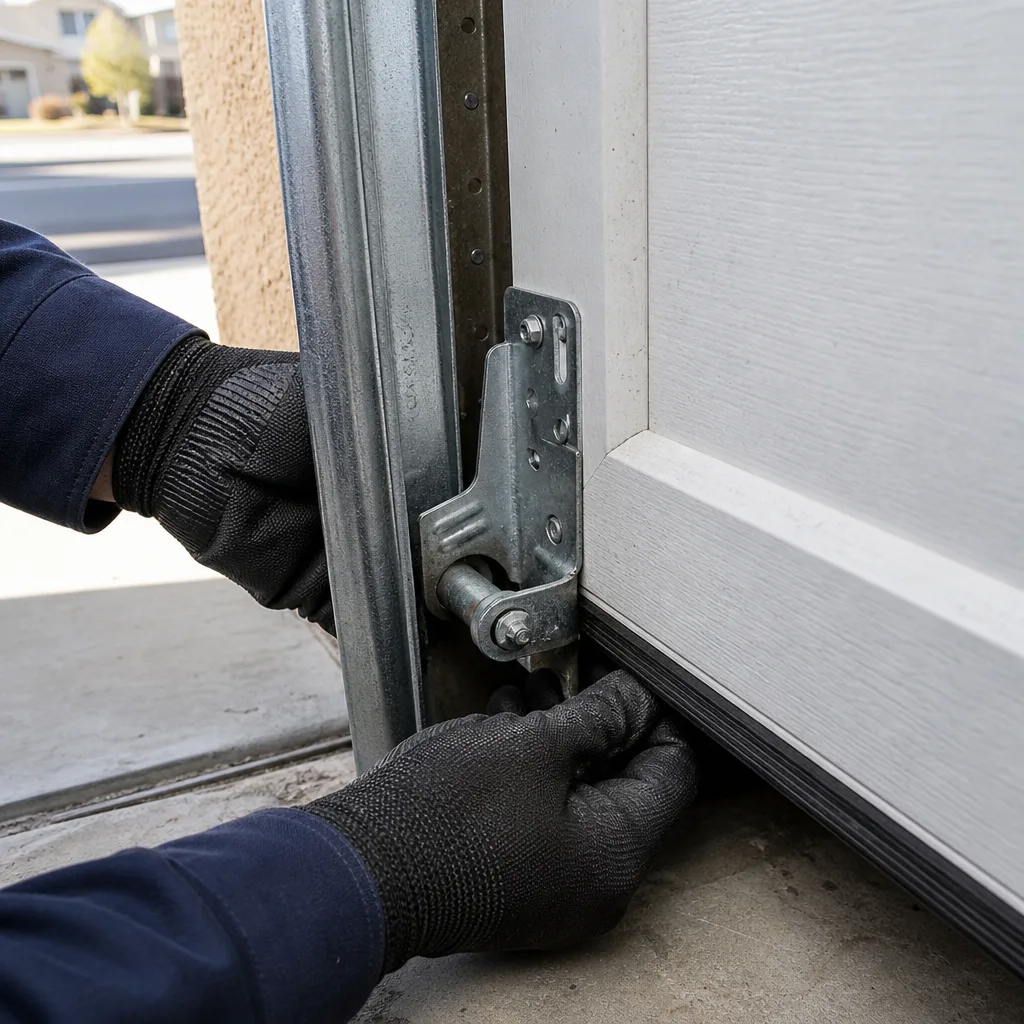
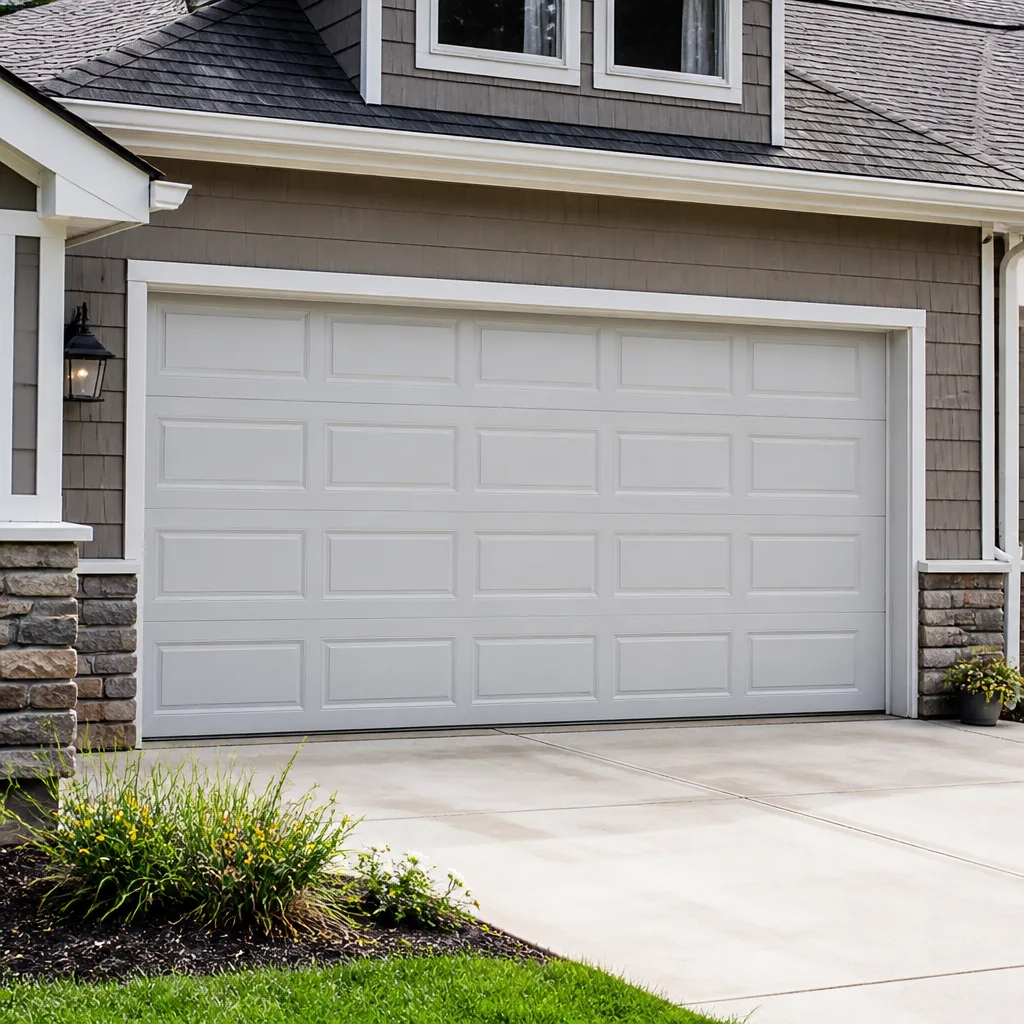 Raised-panel steel
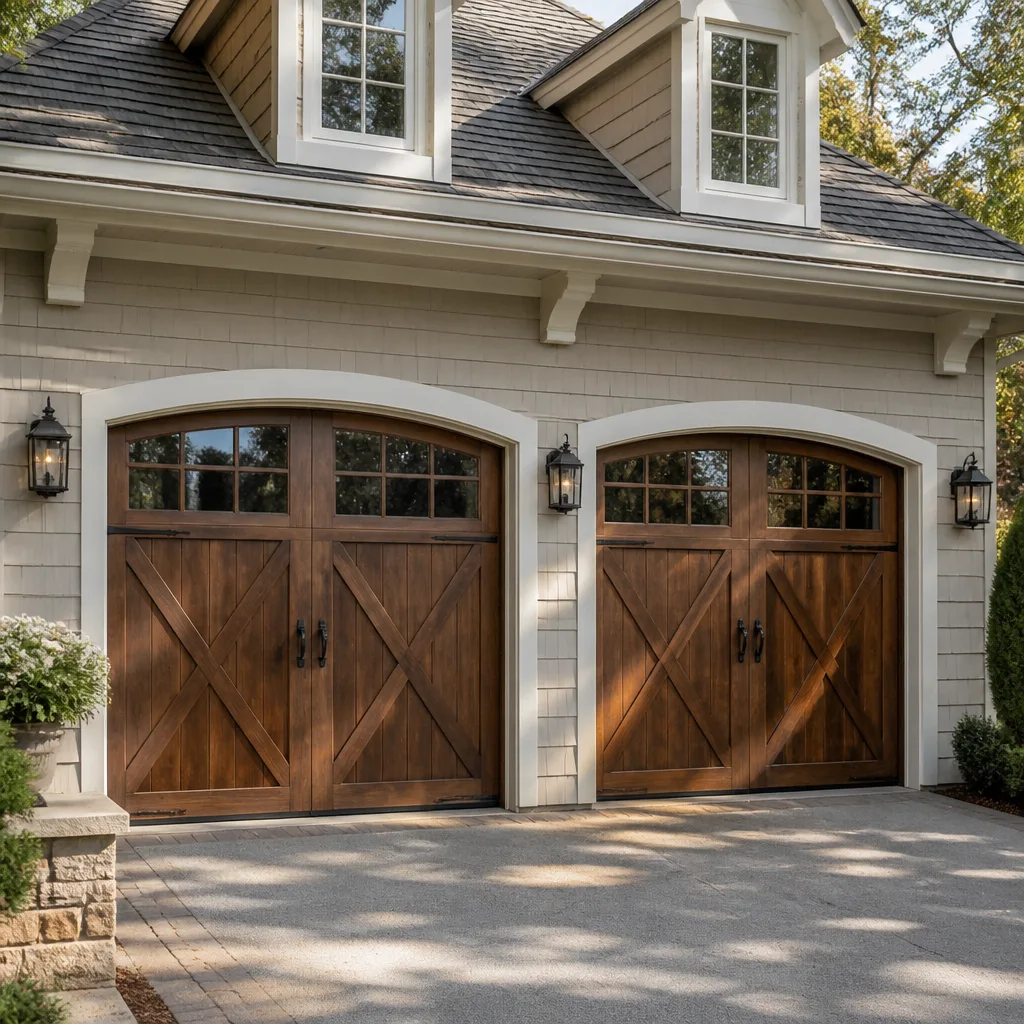 Carriage house
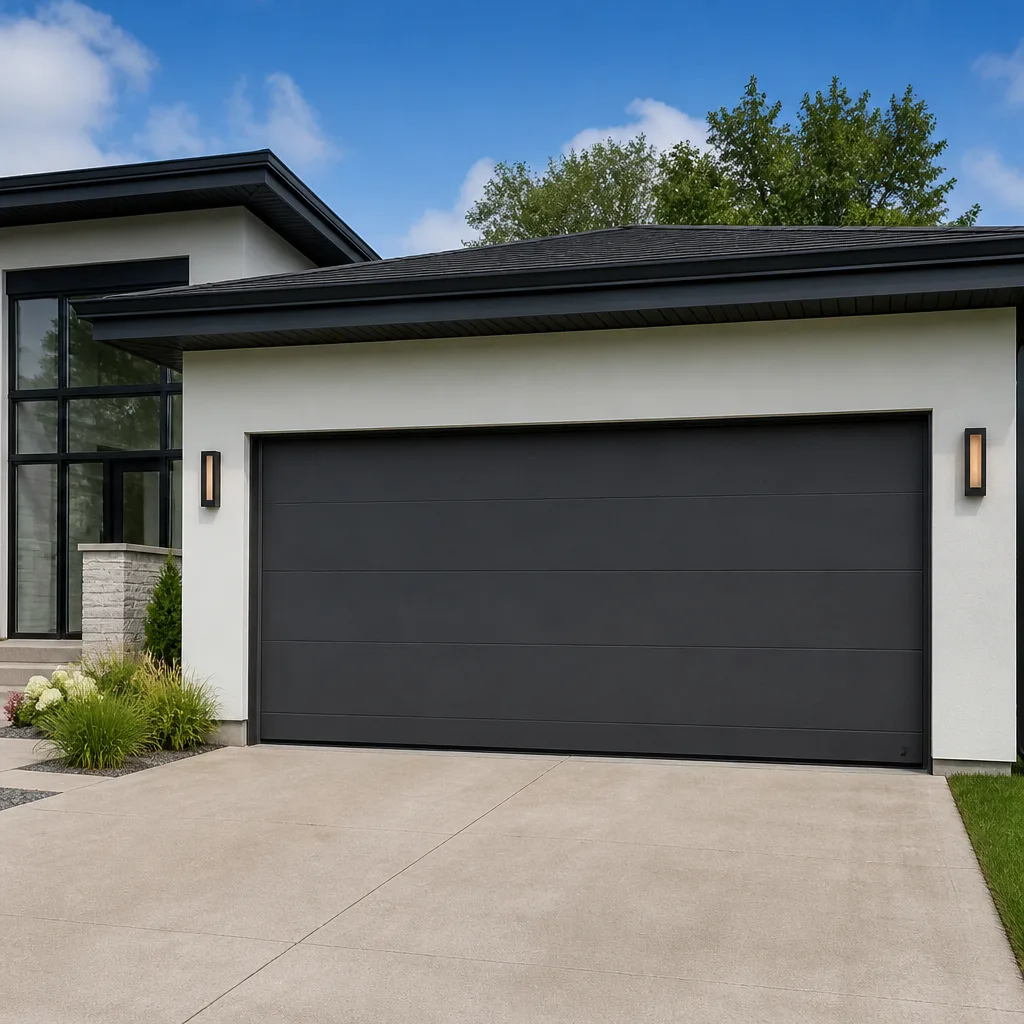 Modern flush
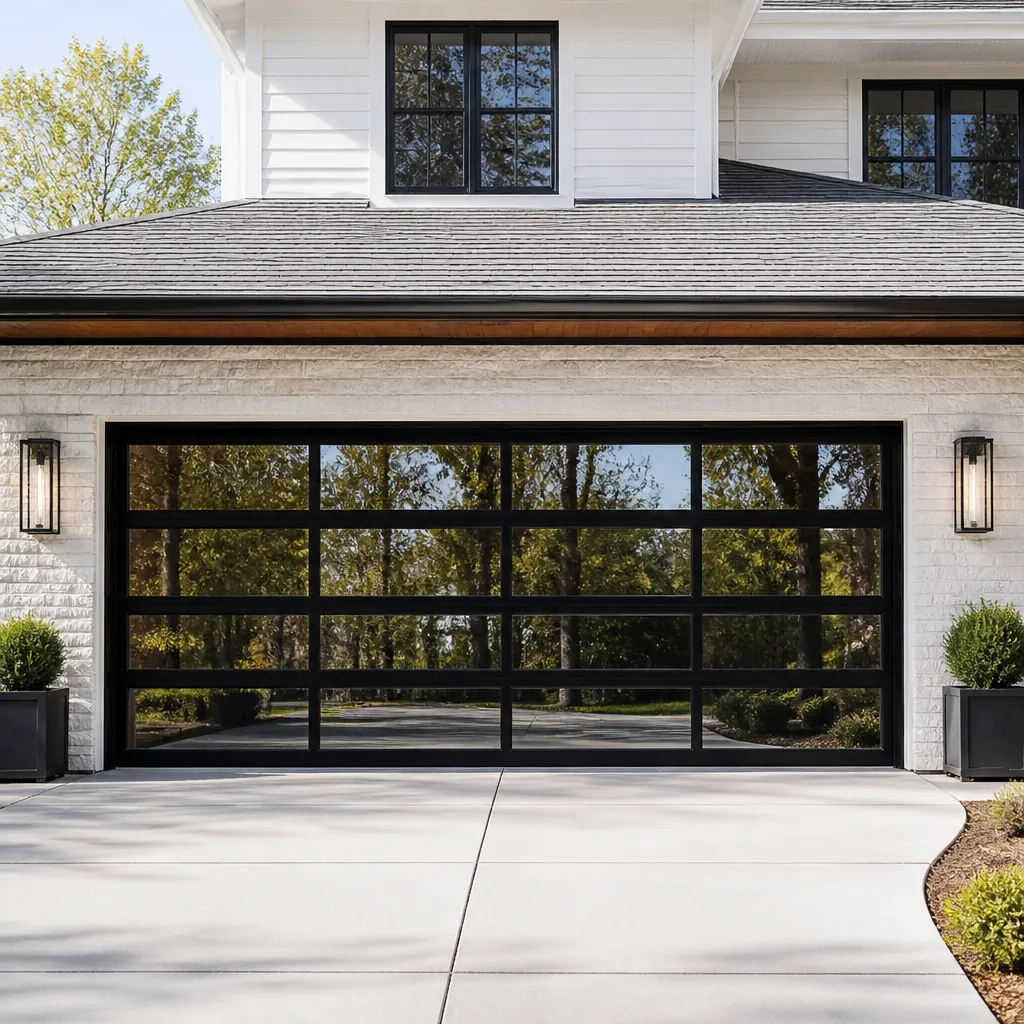 Full-view glass
 LiftMaster openers
 Chamberlain openers
Full 25-point door and opener safety check with every visit - springs, cables, rollers, tracks, and your LiftMaster or Chamberlain opener included
You get a price before we start. It does not change when the pro arrives.
Get your free estimateGarage Door Parts Warning Signs Every Homeowner Should Know
The loudest garage door in the neighborhood isn’t just annoying – it’s usually the one that breaks on a Sunday night because the owner confused “loud” with “working fine.” In Spring Valley, the doors that strand a vehicle at 6 a.m. almost always gave warnings first: a clunk, a shudder, a cable starting to fray. Homeowners miss them because nobody ever told them how a healthy door is supposed to sound and move. This guide fixes that. You’ll learn the five sounds that point to a wearing part, the floor-level checks that cost nothing, and how to tell real mechanical trouble apart from a seasonal quirk.
Quick Answer
Watch for a door that runs rough, slams, jerks sideways, or sounds louder than it used to; those are the parts talking. The most urgent signs are frayed cables, a gap in the spring, and an uneven door that still opens on one side before the other. Any of those means stop using the door and get it looked at. Everything else you can safely watch for a short while.
Table of Contents
- [The Five Sounds Your Door Makes and What Each One Means](#the-five-sounds-your-door-makes-and-what-each-one-means)
- [What to Look for From the Floor – No Tools Needed](#what-to-look-for-from-the-floor-no-tools-needed)
- [Why an Uneven Door Is More Urgent Than a Slow One](#why-an-uneven-door-is-more-urgent-than-a-slow-one)
- [The Monthly Balance Test Every Homeowner Should Run](#the-monthly-balance-test-every-homeowner-should-run)
- [How Spring Valley Weather Creates False Symptoms](#how-spring-valley-weather-creates-false-symptoms)
- [Parts That Wear Out First – and Rough Timelines](#parts-that-wear-out-first-and-rough-timelines)
- [When a Sensor or Opener Problem Looks Like a Door Problem](#when-a-sensor-or-opener-problem-looks-like-a-door-problem)
- [Common Mistakes to Avoid](#common-mistakes-to-avoid)
- [When to Call a Professional](#when-to-call-a-professional)
- [Frequently Asked Questions](#frequently-asked-questions)
- [The Bottom Line](#the-bottom-line)
Styles & brands we work with
- Raised-panel steel
- Carriage house
- Modern flush
- Full-view glass
- LiftMaster openers
- Chamberlain openers
The Five Sounds Your Door Makes and What Each One Means
Doors give you a vocabulary – you just have to learn it. We’ve listened to thousands of doors across Spring Valley, and the same five sounds come up over and over. Each one points at a specific part.
- <strong>A sharp snap or pop on opening.</strong> This is usually a classic sign of a torsion spring that’s cracked or unwinding. If the door won’t lift afterward, the spring has likely failed. Stop using it.
- <strong>A rhythmic clunking from one side.</strong> Nine times out of ten that’s a worn or broken roller, or a hinge with a loose plate. It’s a low-cost part but it chews up the track if ignored.
- <strong>A grinding, gritty rumble.</strong> Dry or worn bearings, or a torsion tube that’s lost its lubrication. Consider it the door’s version of worn brake pads.
- <strong>A squeal on the way up.</strong> Usually a bent section rubbing against a curved track or a roller that’s seized. It won’t fix itself with more grease.
- <strong>A bang on the way down.</strong> That’s the door slamming into the floor because the opener’s travel limits or the down-limit switch is out of adjustment. The opener is trying to force the door past the concrete.
If you hear one of these once and never again, note it and watch. If it repeats for a week, that part is asking for attention.
For a full look at how we handle torsion spring replacements and track realignment, see our spring replacement and repair service.
What to Look for From the Floor – No Tools Needed
You don’t need a ladder for most of this. Stand back in front of the door, garage light on, and look. Ninety percent of the warning signs are visible to anyone who knows where to point their eyes.
- <strong>Cables.</strong> Look at the two steel cables running from the bottom corners up to the drums above the door. A healthy cable is straight, silver, and unbroken. A failing one shows kinks, rust, or a jagged “bird-caged” look near the drum. If even one strand is snapped, stop using the door – a cable under tension can whip free and cause serious injury.
- <strong>Rollers.</strong> With the door closed, look at the rollers in the track. They should be quiet, smooth cylinders. Any that show cracks, flat spots, or a wobble are on their way out.
- <strong>Spring gap.</strong> If your door has a torsion spring above the door frame, look for a clear gap in the coil – a clean break across the spring. A gap means the spring has failed. <strong>Never attempt to replace or adjust a spring yourself.</strong> These are under hundreds of pounds of stored tension and can cause severe injury. This is a job for a trained tech, always.
- <strong>Bent or dented track.</strong> Run your eye down each vertical track and the horizontal sections. Any kink in the metal means the roller will wear double-time.
- <strong>Rust stains on the floor.</strong> Fresh rust spots beneath the track come from a roller or hinge that’s been quietly shedding material.
Take a photo of anything that looks questionable and bring it into our parts counter or show it to the tech – a photo makes the diagnosis faster.
Why an Uneven Door Is More Urgent Than a Slow One
Here’s the counterintuitive part: a door that runs slow is usually just tired. A door that opens cockeyed – one side up, one side down – is telling you something is unbalanced right now, and the strain is going somewhere.
A lopsided door usually means a stretched or broken spring on one side, a seized roller on the other, or a cable that’s jumped its drum. All three produce extra load that gets shoved back into the opener, the hinges, and the panel edges. Give it a month and you’re not fixing one part, you’re fixing three or four.
A slow door just needs its speed dial re-set. An uneven one gets the priority slot.
You can test for unevenness by watching the bottom seal on the way up: does one corner lift before the other? If it does, stop using the opener until the cause is found. The opener is the most expensive part in the whole assembly – protecting it is the cheapest decision you’ll make this year.
The Monthly Balance Test Every Homeowner Should Run
This takes two minutes. Once a month, stand inside the garage, inside the open doorway (never under a moving door).
- Pull the opener’s manual release cord so the door detaches from the opener and runs by hand.
- Lift the door to roughly waist height with one hand – it should move smoothly without force.
- Let go. The door should hover in place or drift slightly. It should not slam down and it should not float up on its own.
- If it drops fast, or rises on its own, your springs are out of balance. That’s a sign of a spring that’s lost tension or taken on too much, and it means the opener has been secretly fighting gravity.
Reconnect the door by pulling the release cord back once the test is done, and run the opener once to confirm it catches.
The garage door opener repair page at our opener specialists has more on how to tell whether that imbalance is a spring problem or an opener problem. In our experience, it’s almost always the spring.
Safety note: don’t adjust the springs yourself, even if you think you’ve got it. The balance test tells you whether to call. It doesn’t tell you how to fix.
How Spring Valley Weather Creates False Symptoms
Spring Valley’s temperature swings – cool desert nights dropping 30 degrees below afternoon highs – do things to a garage door that wouldn’t happen in other climates. The metal in the door panels and track expands and contracts daily, and that movement produces warning signs that have nothing to do with a worn part.
Here’s how to tell them apart:
- <strong>Morning groan, afternoon quiet.</strong> That’s expansion. A door that only complains when the sun first hits it and settles down after lunch is fine.
- <strong>Slower travel on hot afternoons.</strong> On a 108-degree day, the gearcase grease in your opener thins out and the door runs a little slow. It should recover by evening. If it doesn’t, the motor is struggling.
- <strong>A door that won’t close on cold mornings.</strong> Cold makes metal contract and the safety sensors misread. Wipe the lenses dry before you call anyone – condensation is usually the culprit.
- <strong>Sticky hinges in summer.</strong> Heat thickens old grease. A yearly light re-lubrication of hinges and rollers is on the maintenance calendar for a reason.
Different behavior in different weather is normal. A part that’s actually worn acts up in every temperature – hot, cold, morning, or night. That’s the handiest test in the book: if the behavior is seasonal, check the humidity first; if it’s constant, it’s mechanical.
In older Spring Valley neighborhoods with original doors, we regularly see the springs and cables from the 1990s finally give out after a hot summer and a cold winter. If your door predates your kids’ childhood, it’s a good year to have someone look at the whole assembly once. When your parts are simply past their service life, our team can walk you through the options on a new door installation at our install page.
See the difference
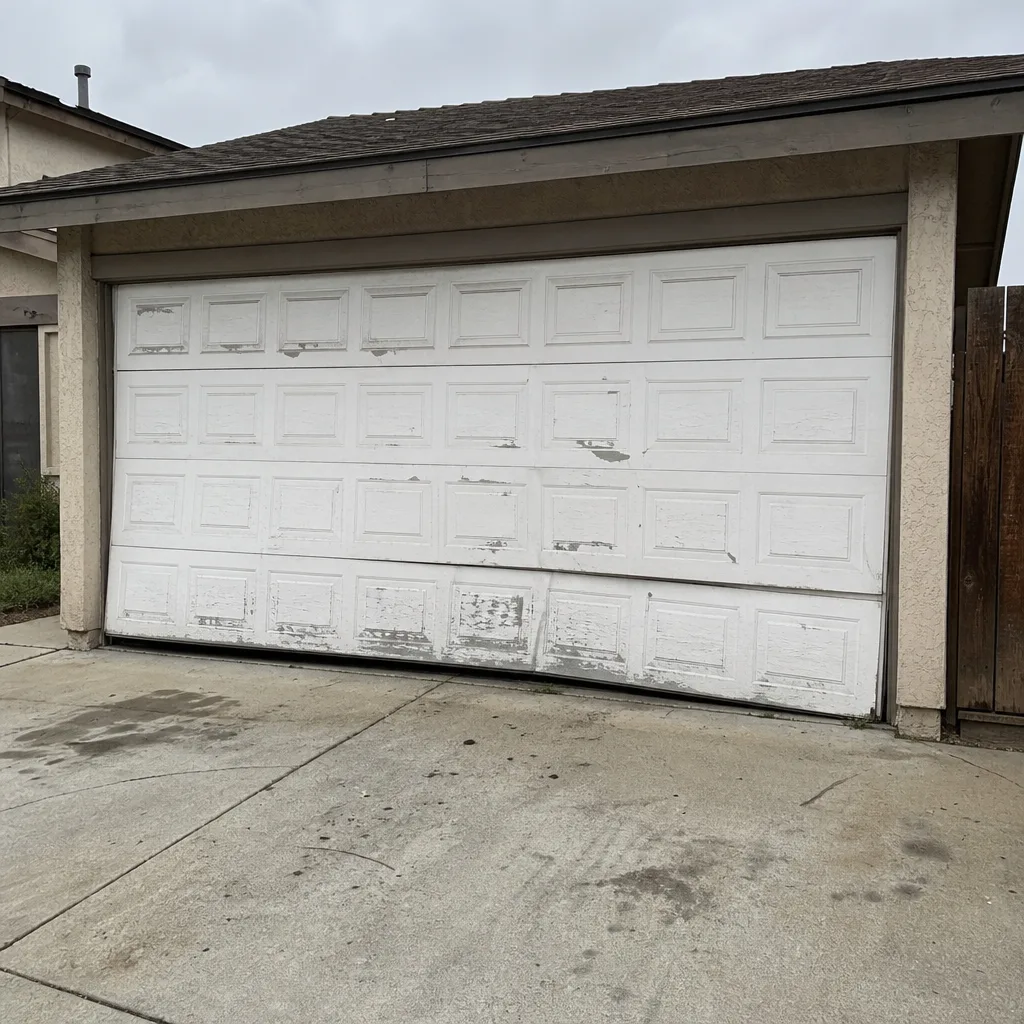 Before
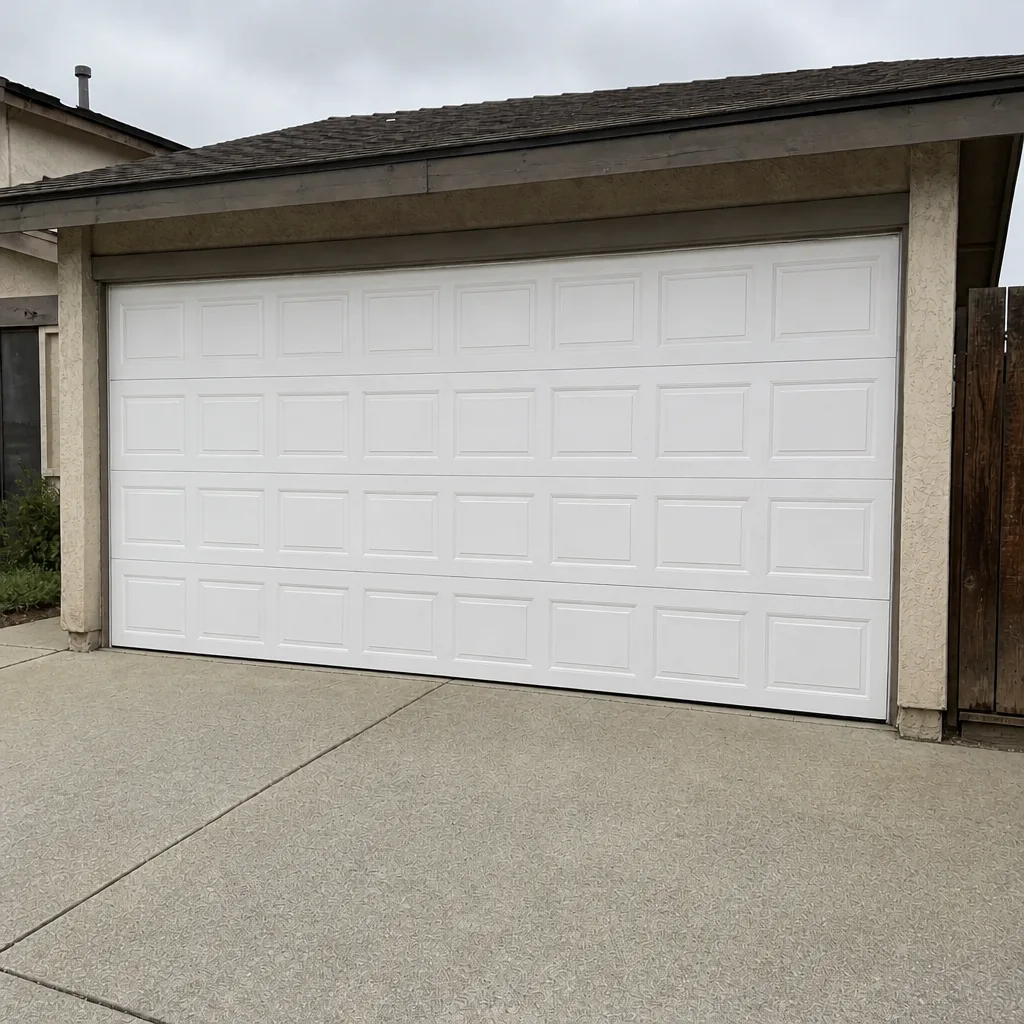 After
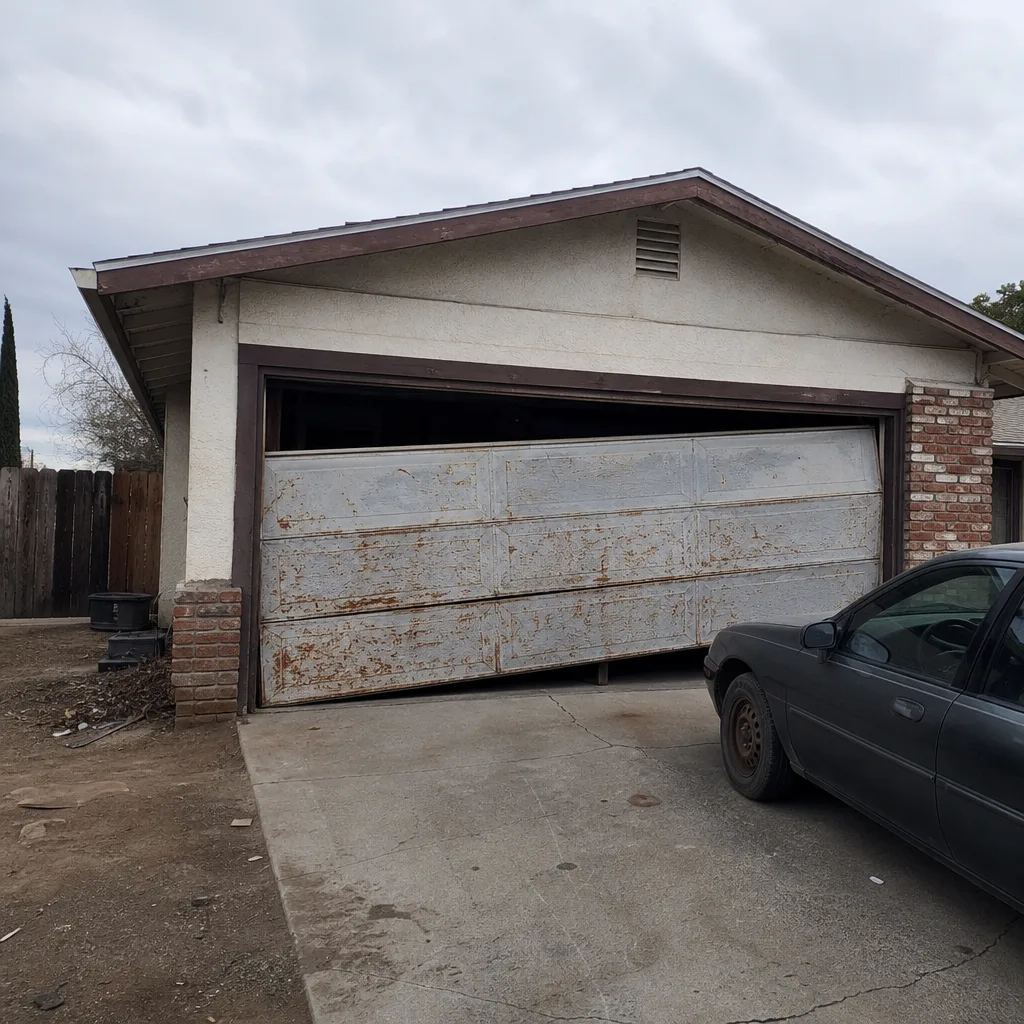 Before
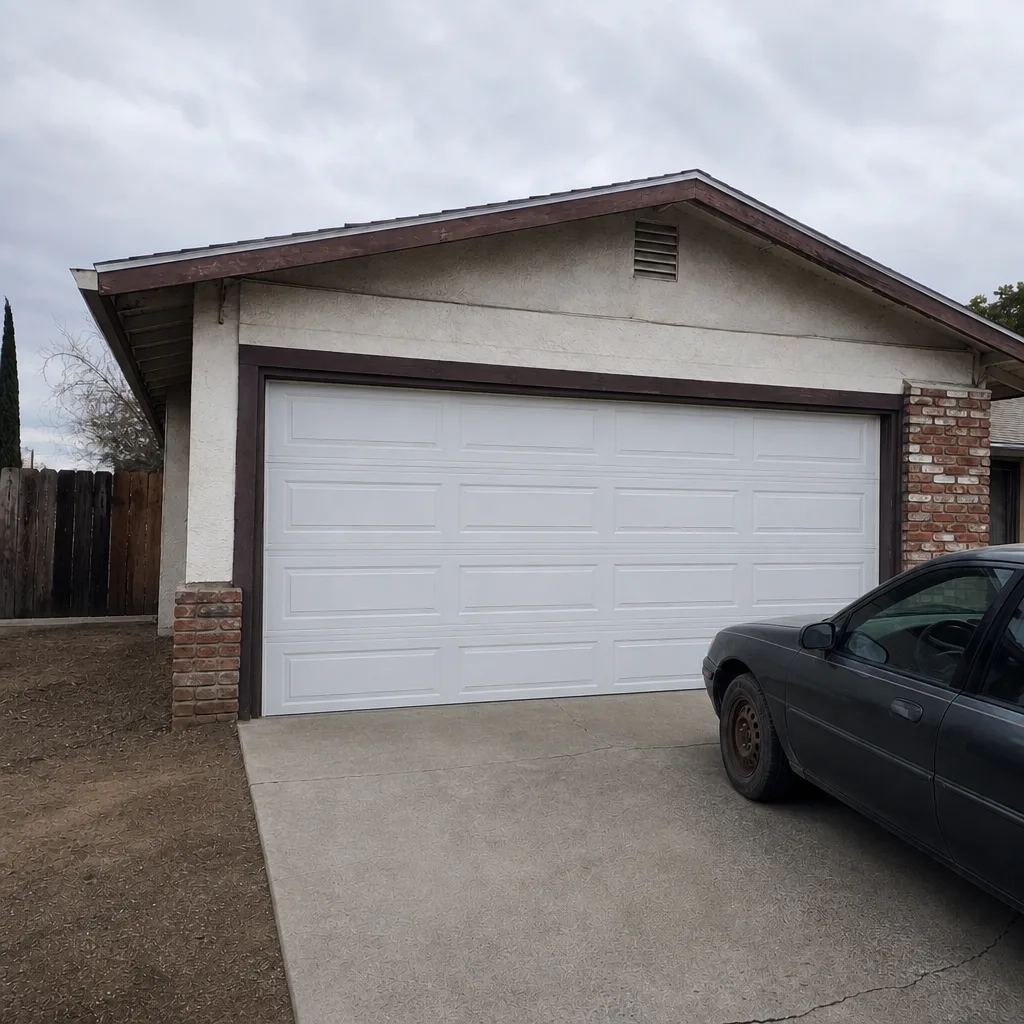 After
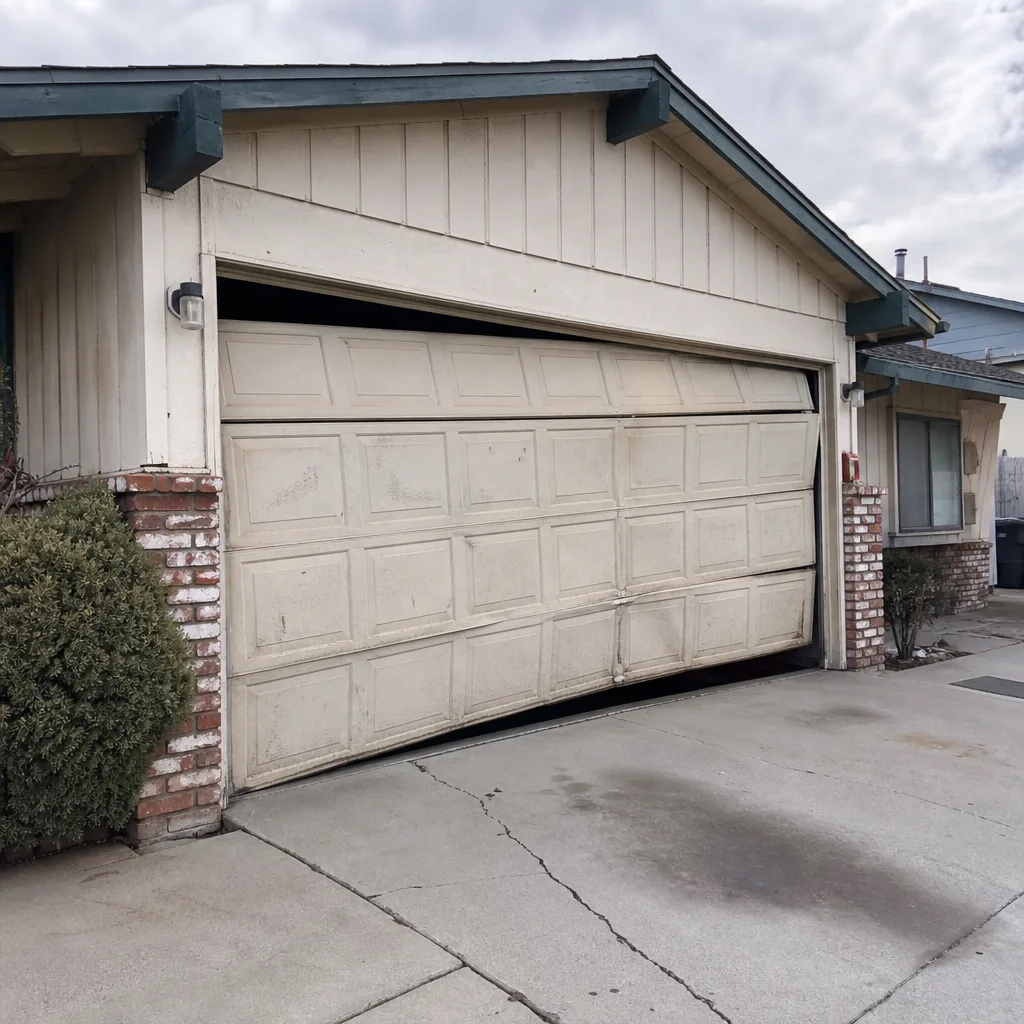 Before
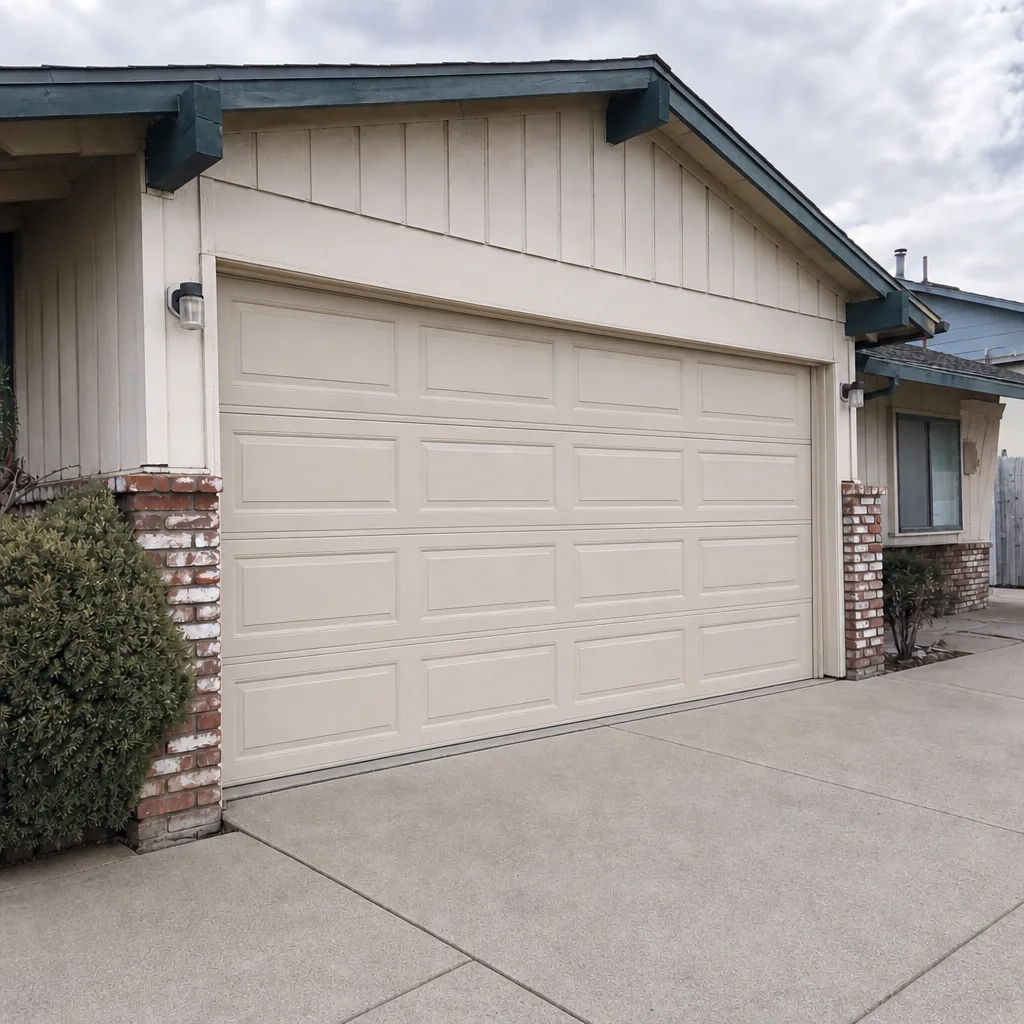 After
Parts That Wear Out First – and Rough Timelines
Every part of a garage door has a service life measured in either cycles (one up-and-down is a cycle) or years. Understanding the timelines is how you budget instead of getting surprised.
- <strong>Torsion springs:</strong> Typically 10,000-15,000 cycles for standard, up to 20,000-30,000 for higher-cycle springs. A door opened four times a day puts on about 1,460 cycles a year. Do the math – sometimes ten years of service is the whole lifespan.
- <strong>Rollers:</strong> Steel rollers wear out sooner than nylon. Nylon rollers usually last 8-10 years before they crack or seize.
- <strong>Cables:</strong> 10-15 years typical. Rusted or kinked cables sometimes fail earlier.
- <strong>Hinges:</strong> Plated steel hinges often last the life of the door but need re-greasing every six months.
- <strong>Bottom seal:</strong> 3-5 years in most climates; faster in the desert sun. A cracked seal lets dust and heat into your garage and is a cheap fix.
- <strong>Opener motor:</strong> Most modern openers (LiftMaster, Chamberlain, Genie) run 10-15 years before the motor or the logic board starts to fail.
A Craftsman opener we rebuilt last year had gone through its third door. That’s normal. The door is the mechanical part; the opener is the electrical muscle.
We can usually tell within five minutes how much life is left on your springs just by counting the cycles you describe. If you’re unsure, our main service hub lists what we look at during every visit.
When a Sensor or Opener Problem Looks Like a Door Problem
Before you assume a worn part, rule out the electronics. Half the calls we get about “the door is acting up” end up being a sensor or an opener board, not the door itself.
Signs it’s the opener or sensors, not the door:
- Door runs 6 inches and reverses. That’s almost always a sensor, a misaligned safety beam, or something blocking the path.
- Door won’t respond to the remote but works on the wall button. Remote battery or the opener’s receiver.
- Door opens but won’t close, and the light on the opener blinks in a pattern. That blinking is a diagnostic code – grab your opener manual and read it.
- Door stops at a random spot each time. Travel-limit settings or a failing encoder.
Signs it’s the door itself:
- Door feels heavy by hand.
- Door runs off-balance.
- Door makes one of the five sounds above.
- Door has visible damage (bent track, frayed cable, spring gap).
If you rule out the opener, you’re into door territory. If you rule out the door, you’re into opener territory. Knowing which side of that line you’re on saves a service call, or at least makes the call shorter.
Common Mistakes to Avoid
- <strong>Ignoring a repeated sound because the door still opens.</strong> A door that opens today is telling you what it won’t do tomorrow. If the sound repeats, treat it as urgent.
- <strong>Greasing the track.</strong> Grease on the track attracts grit and makes rollers slide, not roll. Lubricate the hinges, rollers, and springs, not the track itself.
- <strong>Skipping the monthly balance test.</strong> It’s two minutes and it’s the single best predictor of a spring failure.
- <strong>Trying a spring or cable repair yourself.</strong> We’ve said it before and we’ll say it again: torsion springs are under hundreds of pounds of tension. This is not a homeowner job. No video makes it safe.
- <strong>Letting the door run with a frayed cable.</strong> A snapped cable can whip through the garage and cause serious injury. Stop the door.
- <strong>Using WD-40 as a lubricant.</strong> It’s a solvent, not a lubricant. It dries out and leaves rollers running dry. Use a purpose-made garage door lubricant.
- <strong>Assuming an expensive quote is the only quote.</strong> In Spring Valley, the spread on quotes for the same spring replacement is sometimes a hundred dollars. Always ask for a written second opinion.
When to Call a Professional
Call a professional right now if the door won’t move, if a spring has visibly snapped, if a cable is frayed or hanging, or if the door moves unevenly on one side. These are the failures that cause injury and turn a two-hundred-dollar repair into a two-thousand-dollar one. Call before you use the door once more.
When the door still works but something’s talking, that’s the sweet spot for a service call – cheap fix now, big fix later. Our team handles spring, cable, roller, hinge, and opener service across Spring Valley with honest quotes and a written 90-Day Done Right Promise on every job. We quote on the phone, we hold the number when we get there, and we don’t upsell you into parts you don’t need. Otto’s Garage Door Spring Valley offers free estimates in Spring Valley – call (888) 318-1978, and a real person will pick up.
Frequently Asked Questions
The first signs are a door that sounds louder or rougher than it used to, an uneven lift on one side, and a door that opens with a shudder or snap. Any of those repeating for more than a week tells you a part is on its way out. Call us for a look before it stops working entirely.
No. Torsion springs are under hundreds of pounds of stored tension and can cause severe injury or death if they let go during a DIY repair. This is a job for a trained technician with the right tools every time. Call (888) 318-1978 if you suspect a spring problem – we’ll talk you through what to do next.
Once a month. It takes about two minutes and it’s the best way to catch a spring that’s losing tension before it breaks. If the door slams down or floats up when released by hand, you’ve found your problem.
Desert heat dries out rollers and hinges, and morning-to-afternoon temperature swings make metal track expand and contract. That combination makes doors louder than they’d be in a steadier climate. If the noise is constant across weather and time of day, it’s mechanical – call (888) 318-1978 for an estimate.
Standard torsion springs last about 10,000-15,000 cycles; high-cycle springs go 20,000-30,000. A door opened four times a day uses 1,460 cycles a year, so the math is worth doing on your own door. Call us with the number of daily open-close cycles and we can estimate what’s left on your springs.
Yes. Background-checked technicians with up to 22 years of experience. We back every job with a written 90-Day Done Right Promise – if it’s not done right, one call brings us back to make it right. Call (888) 318-1978 for a free estimate.
The Bottom Line
Your door tells you what’s wrong before it stops working. A snap, a clunk, a grind, an uneven lift – each one points to a specific part that’s wearing out, and each one is cheaper to fix now than after it fails. Run the monthly balance test, do the two-minute floor check on cables and springs, and learn the difference between a seasonal quirk and a real mechanical problem. If you’re unsure, call and ask. Otto’s Garage Door Spring Valley – the name on the van is the name on the invoice and the name on the license. Learn more at Otto’s Garage Door Spring Valley home, call (888) 318-1978 for a free estimate, and let us give you a straight answer.
Written by the team at Otto’s Garage Door Spring Valley.