
Last updated November 18, 2026
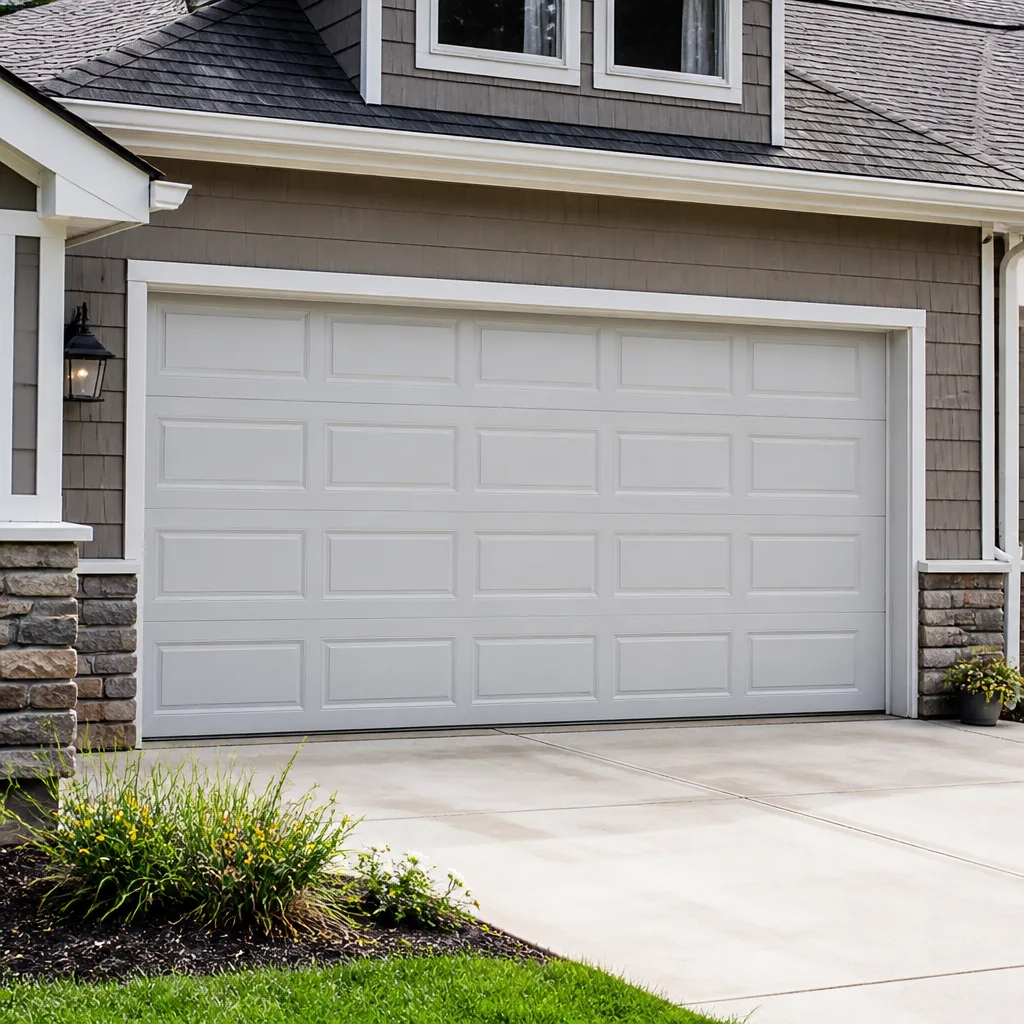 Raised-panel steel
 Carriage house
 Modern flush
 Full-view glass
 LiftMaster openers
 Chamberlain openers
Full 25-point door and opener safety check with every visit - springs, cables, rollers, tracks, and your LiftMaster or Chamberlain opener included
You get a price before we start. It does not change when the pro arrives.
Get your free estimateGarage Door Parts Maintenance Schedule: What to Do and When
A torsion spring rated for 10,000 cycles in a mild climate can give out in half that time when it sits in 115°F attic air six months out of the year, and nobody prints that warning on the box. Here in Spring Valley, your door lives a harder life than the one the manufacturer tested. Heat cooks the grease. Dust grinds the rollers. The sun bakes the bottom seal until it cracks like old leather. This guide gives you a maintenance calendar built for the desert, not for Seattle. You’ll learn what to check weekly, what needs tools once a year, and how to read your own door so you know when a part is worn out versus simply out of adjustment.
Quick Answer
In Spring Valley, lubricate springs, hinges, and rollers every three to four months instead of twice a year, inspect rollers and bottom seals after every major dust storm, and have the full door serviced once a year by someone who can check spring tension and cable wear with the right tools. Most parts last 7 to 12 years here if you keep them clean and oiled, but springs often fail earlier because of the heat, sometimes in 5 to 7 years of daily use.
Styles & brands we work with
- Raised-panel steel
- Carriage house
- Modern flush
- Full-view glass
- LiftMaster openers
- Chamberlain openers
Table of Contents
- Why Your Door’s Maintenance Clock Runs Faster in Spring Valley
- The 15-Minute Saturday Walkthrough (No Tools)
- The Right Lubricant for Las Vegas Valley Heat
- What to Check After Every Dust Storm
- Cycle-Count Math: How Much Life Is Left in Your Springs
- The Annual Service That Actually Needs Tools
- Adjustment or Failure? How to Tell the Difference
- Your Spring Valley Seasonal Calendar
Why Your Door’s Maintenance Clock Runs Faster in Spring Valley
Most online maintenance schedules were written for a country where summer tops out around 85°F and the air holds some moisture. Spring Valley is not that place. From June through September, the air in a closed garage off Rainbow Boulevard or Flamingo can climb well past 110°F, and that heat does two things to your door. It thins out the grease until it stops doing its job, and it slowly cooks the steel in your springs.
Steel loses temper as it cycles hot. A spring that would run 10,000 cycles in a cool climate might realistically give you 5,000 to 6,000 cycles here before it snaps. That is not a sales pitch, it’s physics. Add the fine desert dust that settles on every horizontal surface, and you get a door where moving parts wear against grit instead of sliding clean.
What that means for you is simple: the “oil it twice a year” advice you’ll find on most manufacturer sites is not enough in Spring Valley. Your door needs attention more often, and it needs the right lubricant to survive the summer. We’ve seen doors in the older neighborhoods near Spring Valley High School go through a set of rollers in three years that would have lasted eight somewhere cooler. The calendar in this guide is built around what your door actually faces, month by month, in this valley.
The 15-Minute Saturday Walkthrough (No Tools)
You don’t need a toolbox to catch most problems early. A quick walk around the door once a month, and after any big wind, will tell you more than you’d expect. Here’s the routine we walk homeowners through when they call for a free estimate.
- Look at the door from the street. Stand back and check whether it sits even in the opening or hangs low on one side. A door that’s visibly crooked usually means a cable or spring has shifted.
- Run it up and down once. Listen. A steady hum from the opener is normal. Grinding, squealing, or a loud bang at the start means something needs attention. If the opener is straining, the problem is almost never the opener.
- Check the bottom seal by hand. Run your fingers along the rubber strip at the base. If it’s cracked, brittle, or missing chunks, cold air and bugs are getting in. Desert sun kills these seals faster than anything else on the door.
- Wipe a roller. Grab a roller stem and see if it spins free or feels gritty. Dry or gunky rollers are your first sign the grease has cooked off.
- Look for loose bolts. Give the hinges and brackets a wiggle by hand. Anything that shifts needs tightening.
- Test the safety reverse. Lay a roll of paper towels under the door and close it. It should reverse on contact. If it doesn’t, stop using the door until it’s fixed.
That whole walkthrough takes about 15 minutes and catches the majority of early failures. For the parts side of things, a worn roller or hinge is a cheap swap compared to a snapped spring, which is why catching them early pays.
The Right Lubricant for Las Vegas Valley Heat
Here’s where a lot of Spring Valley homeowners go wrong. They grab whatever can of spray is in the garage, hit the springs once, and call it done. White lithium grease is the default for a lot of doors, and it works fine in a temperate climate. In our heat, it turns tacky, collects dust, and gums up by mid-July. What you want is a silicone-based or a lithium-soap grease rated for high temperatures. Silicone stays slick when it gets hot and doesn’t hold onto dust the same way.
What to lubricate, and what to leave alone:
- Springs: a light coat along the coil. This is the one that matters most for noise and lifespan.
- Hinges: a drop in each pivot point.
- Roller stems and bearings: a small amount where the roller meets the stem, not on the roller itself.
- Bearings and the torsion shaft: a light film.
- Don’t grease the tracks. Tracks should stay clean and dry. Grease in the track collects grit and makes the door drag.
- Don’t spray the opener rail or the photo-eye lenses. Keep those clean and dry.
Do this every three to four months in Spring Valley, so roughly March, June, September, and December. The June pass matters most, right before the worst heat. If you’re not sure what’s safe to touch on your door, that’s a good time to have someone look at it during a routine visit. We handle opener and garage door opener repair and installation in Spring Valley if the motor side needs a look too.
What to Check After Every Dust Storm
Spring Valley gets wind events that coat everything in a fine tan grit, and your garage is not sealed against it. A single bad dust storm can push sand into the tracks, the rollers, and the bottom seal. That grit is what grinds parts down fast. Checking after a storm, not just twice a year, is one of the biggest things that separates doors that last here from doors that don’t.
After a major wind, do this:
- Blow or sweep out the tracks. Any grit sitting in the track is grinding against your rollers every time the door moves.
- Wipe down the bottom seal. Sand trapped under the seal wears the rubber and scratches the floor.
- Check the rollers. If they feel gritty or won’t spin, clean and re-lubricate or replace them.
- Look at the cable drums. Dust and grit can collect where the cable winds. If the cable looks frayed or is jumping the drum, that’s a stop-and-call situation.
- Check the photo-eye lenses. Dust on the safety sensors can make the door reverse for no reason. A quick wipe fixes it.
Cables and springs are under serious tension and are the two parts we tell folks never to touch themselves. A door is 200 pounds riding on two springs. Respect it. If something looks wrong with the cables or the door won’t balance, that’s a job for a trained professional, not a Saturday project. If you need it looked at, our garage door repair in Spring Valley team can come out and tell you exactly what’s going on.
Cycle-Count Math: How Much Life Is Left in Your Springs
Every spring has a rated cycle count. One full cycle is one open and one close. You can estimate where your springs are in their lifespan with a little arithmetic. Think of it the way you’d count tire miles. Count your household’s daily door cycles, then do the math.
- Count a typical day. A family where both cars leave and come back, plus a couple of trips for errands, runs about 6 to 10 cycles a day. A retired couple with one car might run 2 to 4.
- Multiply by 365. Ten cycles a day is 3,650 cycles a year.
- Adjust down for heat. In Spring Valley, assume your springs give you roughly half their rated life because of the summer heat. A spring rated for 10,000 cycles realistically gives you around 5,000 here.
- Do the division. At 3,650 cycles a year, a 10,000-cycle spring rated for a temperate climate would last under two years in a Spring Valley garage at that rate, which is why a heavier-rated spring is worth the upgrade.
Here’s the practical version: if your door gets heavy daily use, your springs may only last 5 to 7 years in this climate. If it’s lightly used, you might get 10. If you don’t know the age of your springs and the door is more than a few years old, have them looked at. We count spring cycles the way you count tire miles, and we’ll tell you what’s left on yours instead of just waiting for the bang.
The Annual Service That Actually Needs Tools
The monthly walkthrough is for you. The annual service is where real tools and a trained eye come in, and it’s the part that should not be a DIY project. This is the once-a-year check that keeps a door from failing at the worst moment, like a Friday night when your car is sealed inside and you have somewhere to be.
What a proper annual service covers:
- Spring tension and balance check. We test whether the door balances at the halfway point. Uneven tension is how doors get heavy and openers burn out.
- Cable inspection. Checking the cables and drums for fraying, wear, and proper winding, all of which are high-tension parts you don’t want to handle yourself.
- Roller and hinge assessment. Deciding which parts are worn and which just need grease.
- Opener force and travel adjustment. Making sure the opener isn’t working harder than it should.
- Safety reverse test with proper weight. Confirming the door reverses correctly, the way the manufacturer intended.
- Track alignment. Straightening and tightening the track so the door runs smooth.
One annual visit catches the things a homeowner can’t safely check and gets parts replaced before they fail. If your door is older and the parts are near the end of their life, replacing the whole thing may make more sense than patching it. We also offer garage door installation in Spring Valley when a door is past saving, and we’re fluent in Clopay, Amarr, and Wayne Dalton doors if you’re weighing that choice.
Adjustment or Failure? How to Tell the Difference
During a routine inspection, the hardest call is often whether a part is just out of adjustment or whether it’s on its way out. Getting this wrong either wastes money on a part that didn’t need replacing, or leaves a worn part that’s about to fail. Here’s how we tell the difference, part by part.
- Rollers: If a roller spins free and feels smooth once cleaned and greased, it’s fine. If it wobbles on the stem, has flat spots, or grinds even after greasing, it’s failing.
- Bottom seal: A seal that’s dirty but pliable is fine. One that’s cracked, hard, or crumbling is done, no adjustment possible.
- Hinges: A loose hinge that tightens up is an adjustment. A hinge with a cracked plate or a worn pivot that won’t hold is a replacement.
- Springs: There’s no adjustment for a spring that’s lost tension. If the door is heavy, it’s time for a spring replacement, not a tweak.
- Cables: A cable that’s just slightly loose can sometimes be adjusted. A frayed cable or one that’s jumped the drum is a replacement, and a safety issue.
The rule of thumb: adjustment fixes a position or a tightness. If the material itself is worn, cracked, or stretched, that’s a failing part and it gets replaced. A good inspection tells you which is which before it becomes an emergency.
Your Spring Valley Seasonal Calendar
Here’s the whole guide boiled down to a calendar you can stick on the wall of your garage. This is built for Spring Valley’s heat and dust, not a national average.
- March: Full lubrication before the heat arrives. Check the bottom seal for winter cracking. Test the safety reverse.
- April through May: Wind season. Check the tracks, rollers, and bottom seal after every big dust event. Wipe the photo eyes.
- June: Second lubrication pass, right at the start of the worst heat. This is the one that saves your rollers.
- July through August: Be extra aware of noise. Heat makes worn parts louder. If the door starts grinding, don’t wait for fall.
- September: Third lubrication pass. Check the springs and cables after the long hot summer. This is a good month for the annual service.
- October through November: Check the bottom seal again before winter, since the sun bakes it all summer. Clear out any summer dust from the tracks.
- December: Fourth lubrication pass. A final safety reverse test.
- Any time: A dust storm, a weird noise, or a door that suddenly feels heavy means a check now, not next season.
If you’d rather have someone do the annual service and the spring check, that’s what we’re here for. You can start from our Otto’s Garage Door Spring Valley home page and we’ll take it from there, or call and talk to a live person about what your door needs.
Common Mistakes to Avoid
- Sticking to the twice-a-year grease schedule. In Spring Valley’s heat, twice a year isn’t enough. You’ll want three to four passes to keep the parts from cooking dry.
- Using the wrong lubricant. White lithium grease gums up in our summer heat and traps dust. Silicone or a high-temp grease holds up past June.
- Greasing the tracks. It feels like it should help, but it collects grit and makes the door drag. Tracks stay clean and dry.
- Ignoring the bottom seal. The desert sun destroys these fast. A cracked seal lets in dust, bugs, and heat, and it’s a cheap part to swap before it becomes a bigger leak.
- Adjusting your own springs or cables. These are under serious tension, and one wrong move can cause a real injury. A door is 200 pounds riding on two springs. Leave these to a trained professional.
- Waiting for the door to break instead of checking it. A monthly 15-minute walkthrough catches most failures early, which is far cheaper than an emergency call at nine at night.
- Skipping the dust-storm check. A single wind event can push grit into everything. A quick clean after the storm saves wear on the whole door.
See the difference
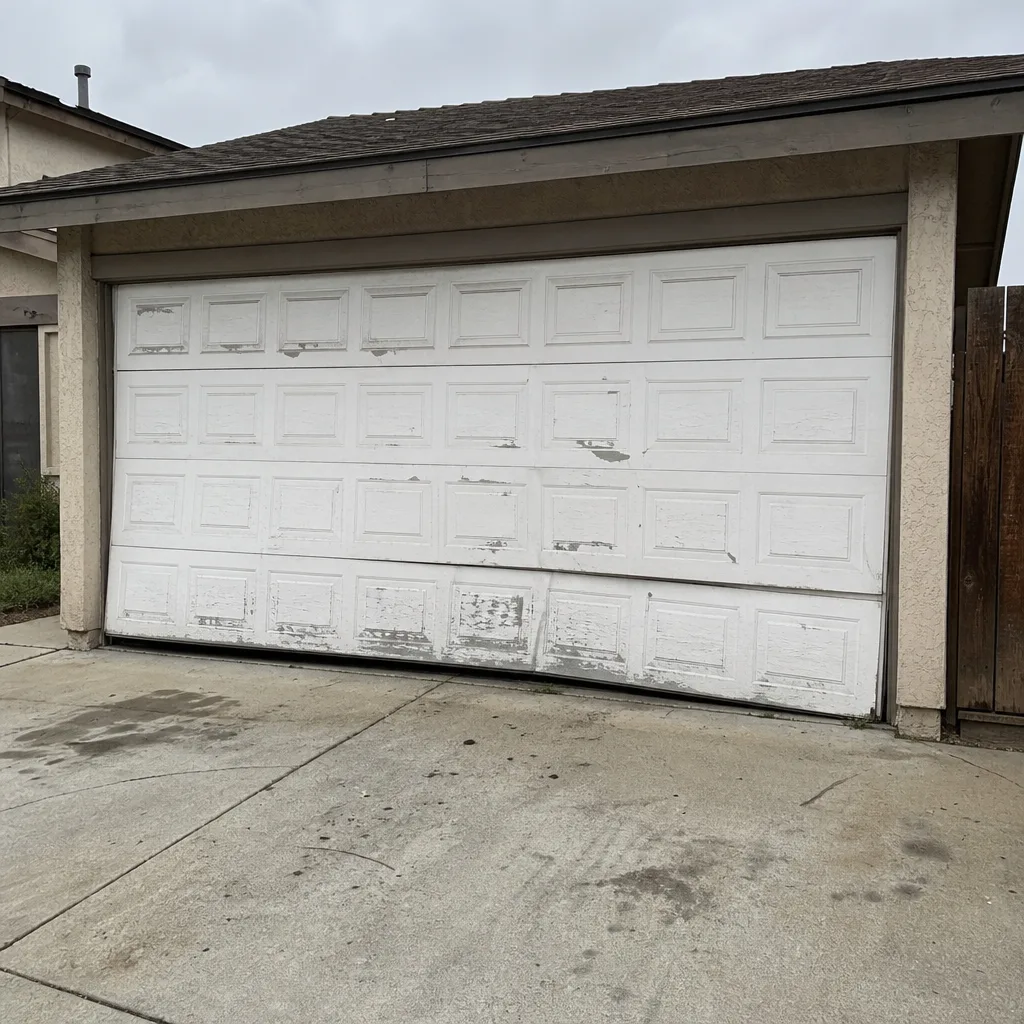 Before
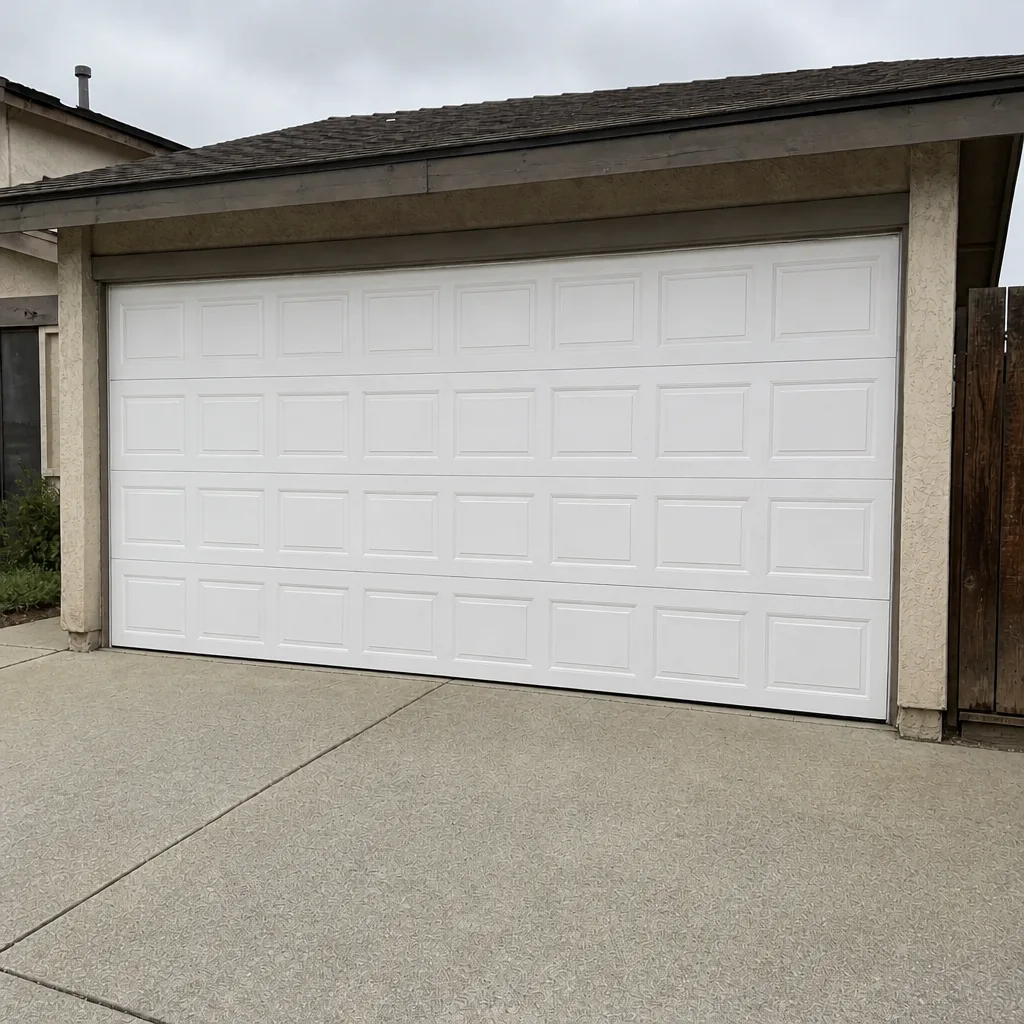 After
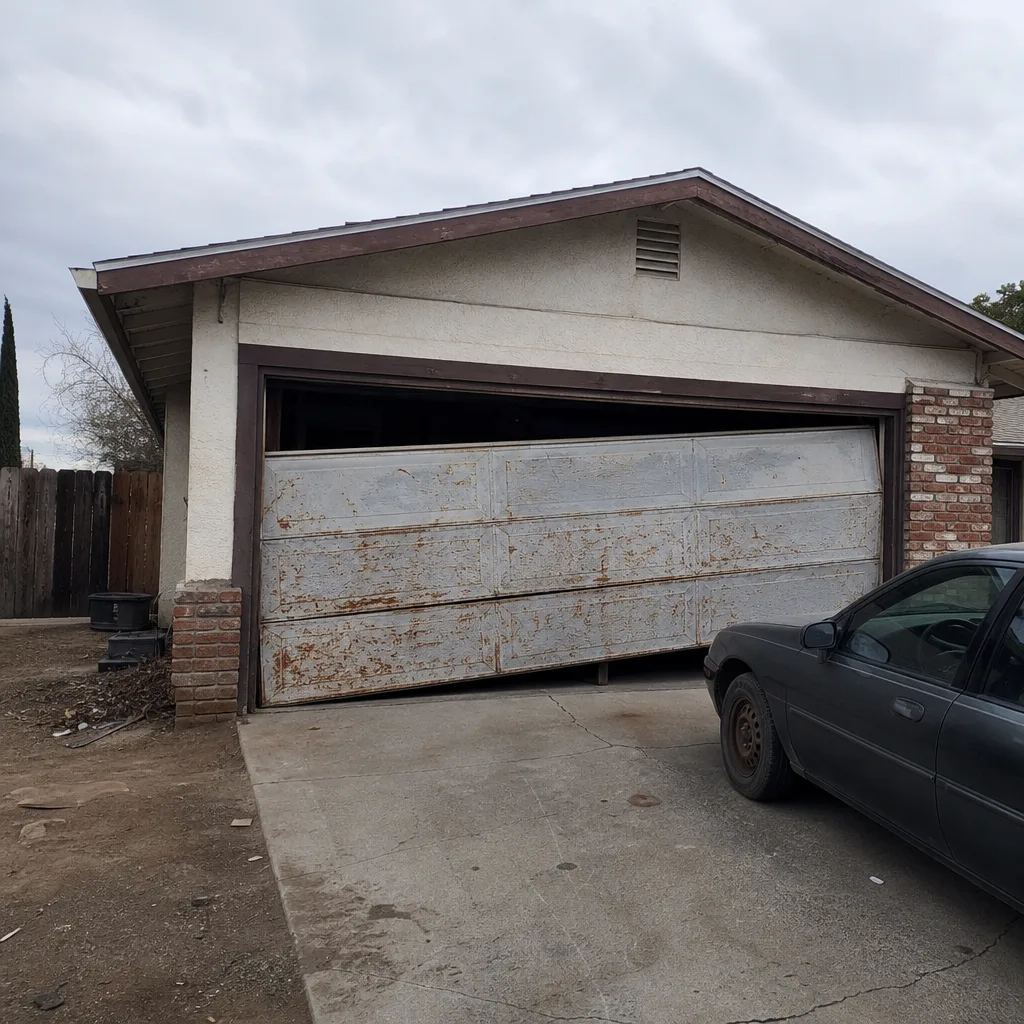 Before
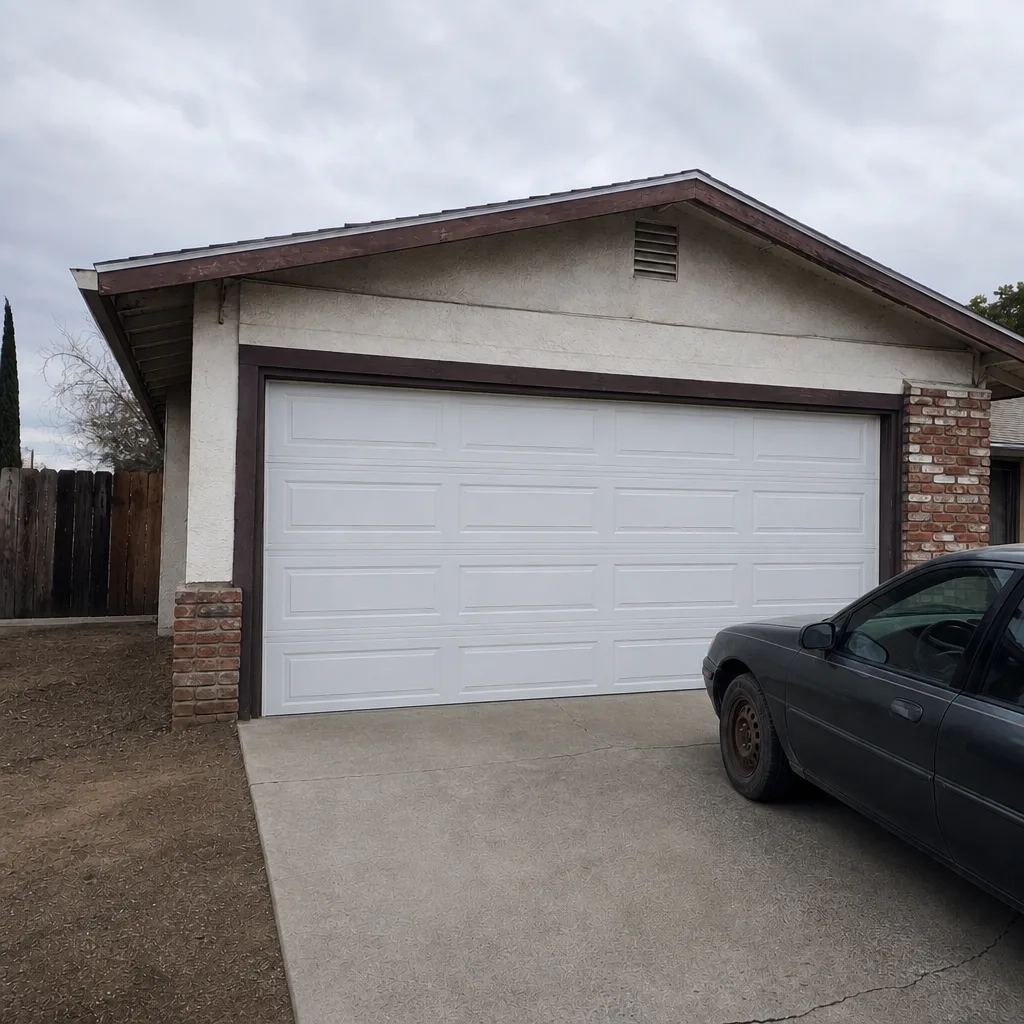 After
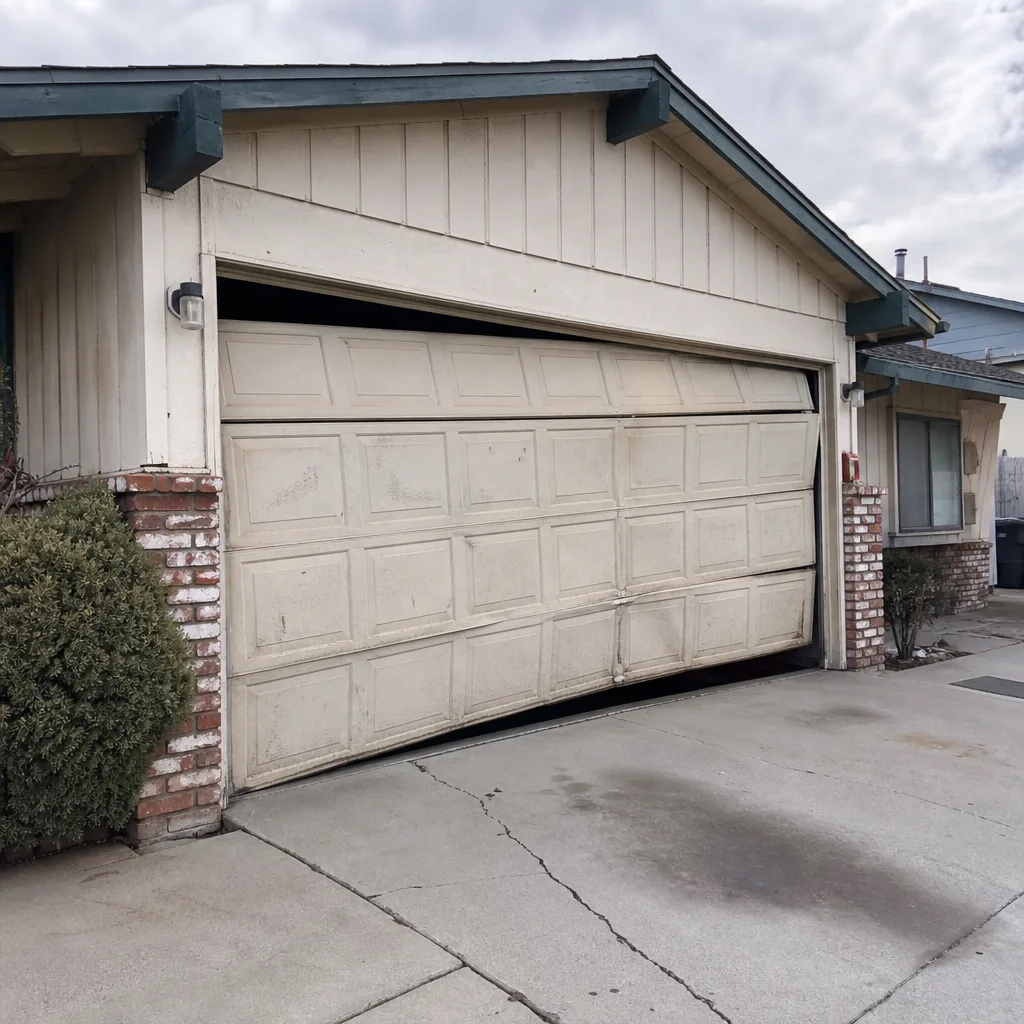 Before
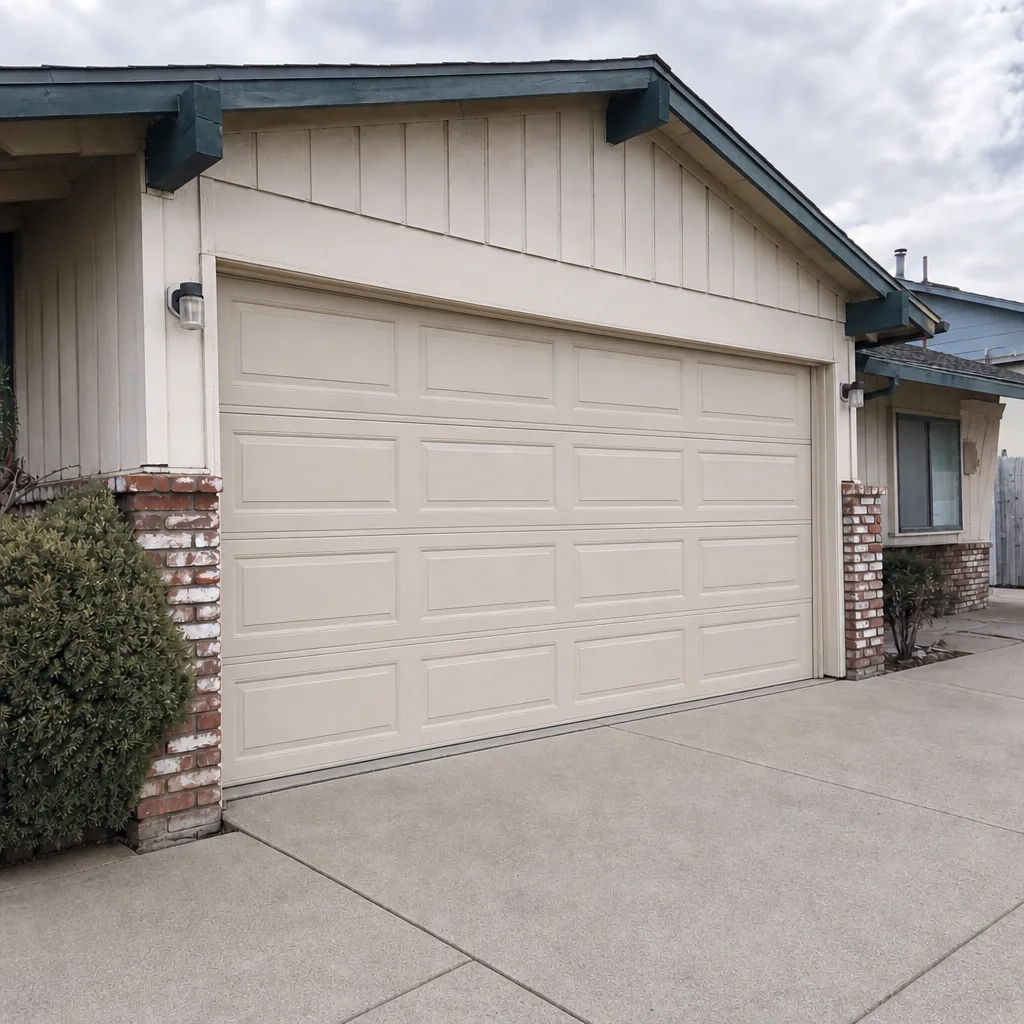 After
When to Call a Professional
Some things a homeowner can handle with a can of silicone and a clean rag. Some things you should never touch. Call a professional if the door feels heavy when you lift it by hand, if you hear a loud bang from the springs, if the door hangs crooked, or if a cable looks frayed or has come off the drum. Stop using the door if the safety reverse doesn’t work, and don’t keep running it if the opener is straining, since that usually points to a spring or balance problem the opener can’t fix. Anything involving springs, cables, or the torsion shaft is a job for someone trained to handle high tension safely. Otto’s Garage Door Spring Valley offers free estimates in Spring Valley so you know what you’re dealing with before anyone touches the door. Call (888) 318-1978 and a live person will pick up.
Frequently Asked Questions
Every three to four months here, versus the twice-a-year schedule you’ll see on most manufacturer sites. The heat in a Spring Valley garage cooks grease faster than a mild climate, so a pass in March, June, September, and December keeps the parts from running dry. If you’ve just been through a dust storm, a quick clean and re-lube of the rollers and tracks is worth doing too. Call (888) 318-1978 if you’d rather have it done on a service visit, and estimates are free.
Plan on 5 to 7 years for a door with heavy daily use, and closer to 10 if it’s lightly used. Heat reduces the effective cycle life of a spring, so a spring rated for 10,000 cycles might realistically give you around 5,000 in this climate. If your door is more than a few years old and you don’t know the spring age, have them checked. Call (888) 318-1978 for a free estimate on where your springs stand.
Rollers and the bottom seal are the two parts a handy homeowner can usually swap without much risk, as long as the door is closed and the springs are left alone. Anything involving the springs, cables, or torsion shaft is not a DIY job because those parts are under high tension. When in doubt, let a trained technician handle it. Call (888) 318-1978 and we’ll tell you what’s safe to do yourself and what isn’t.
Blow out the tracks, wipe down the bottom seal, check that the rollers spin free, and clean the photo-eye lenses. Grit in the tracks grinds your rollers every time the door moves, so a two-minute clean after a wind event saves real wear. If the door starts grinding or the cable looks frayed, stop and call. Call (888) 318-1978 for a free estimate if something doesn’t look right.
If the part is loose or slightly out of position and tightens back up, it’s an adjustment. If the material itself is cracked, stretched, or worn regardless of position, it’s a failing part and needs replacing. The annual inspection is where we sort this out part by part. Call (888) 318-1978 for a free second opinion on any written estimate.
Yes, especially in Spring Valley. The parts you can’t safely check yourself, like spring tension and cable wear, are exactly the ones that fail without much warning. A once-a-year service catches those before they snap. It’s cheaper than an emergency repair and far less of a headache than a door that won’t open. Call (888) 318-1978 to schedule it, and estimates are free.
The Bottom Line
Your garage door in Spring Valley runs on a faster clock than the one in the maintenance manual, because heat and dust wear it down quicker than the ratings assume. Grease three to four times a year with silicone or high-temp grease, not white lithium. Clean the tracks and check the rollers after every dust storm. Do a 15-minute Saturday walkthrough monthly and let a trained professional handle the springs and cables once a year. Do that, and you’ll get the most out of your parts and avoid the late-night bang. When you need a hand, a live person answers the phone.
Whether your door just needs a tune-up or you’re weighing repair against replacement, Otto’s Garage Door Spring Valley is here to help. We quote the job up front and hold that number, so you know what you’re paying before any work starts. Call (888) 318-1978 for a free estimate today.
Written by the team at Otto’s Garage Door Spring Valley.