
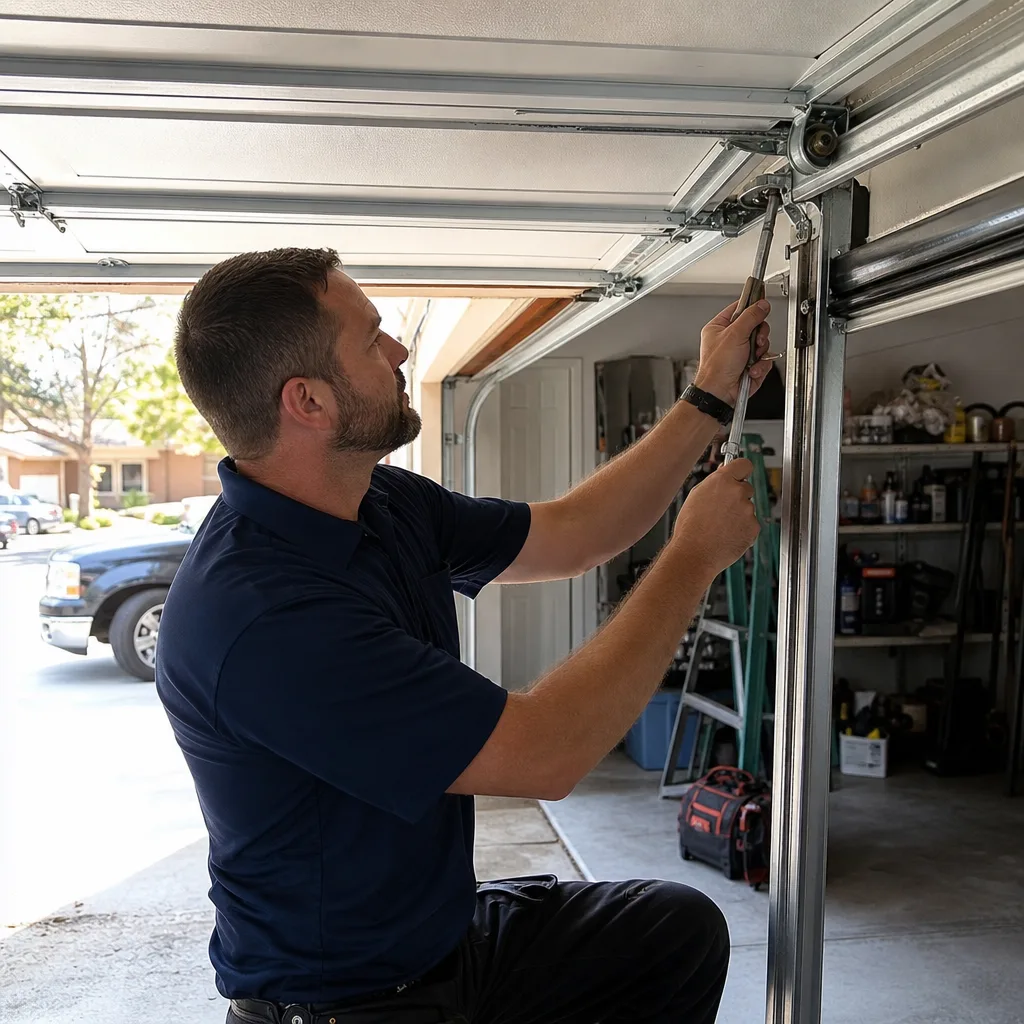
Last updated November 18, 2026
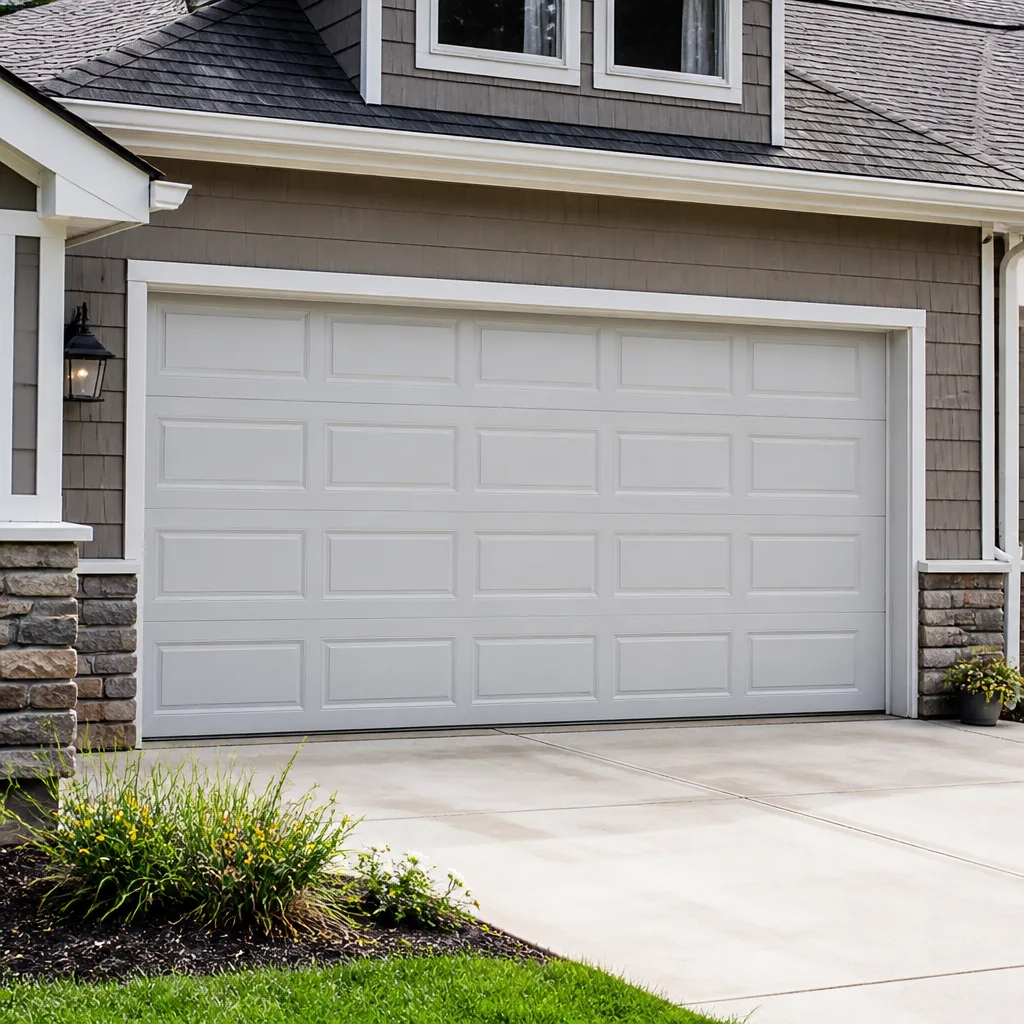 Raised-panel steel
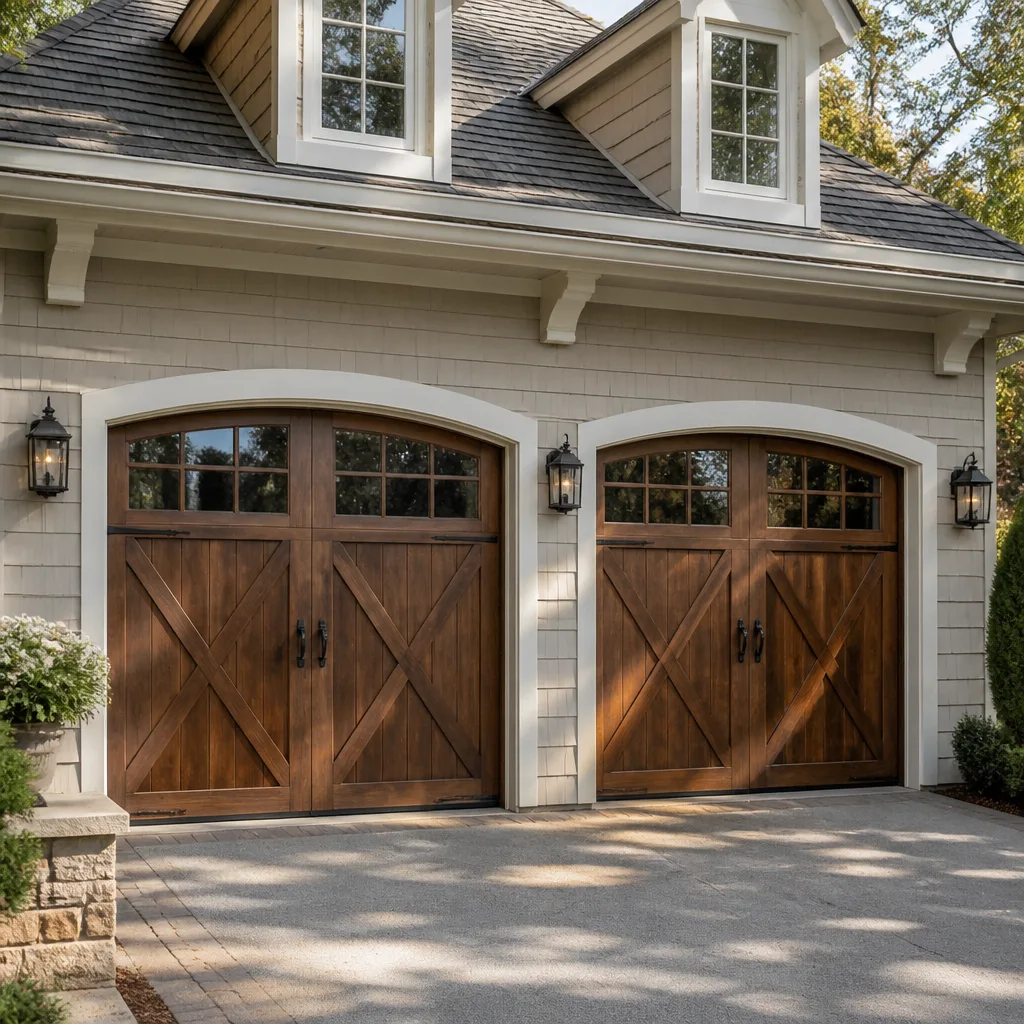 Carriage house
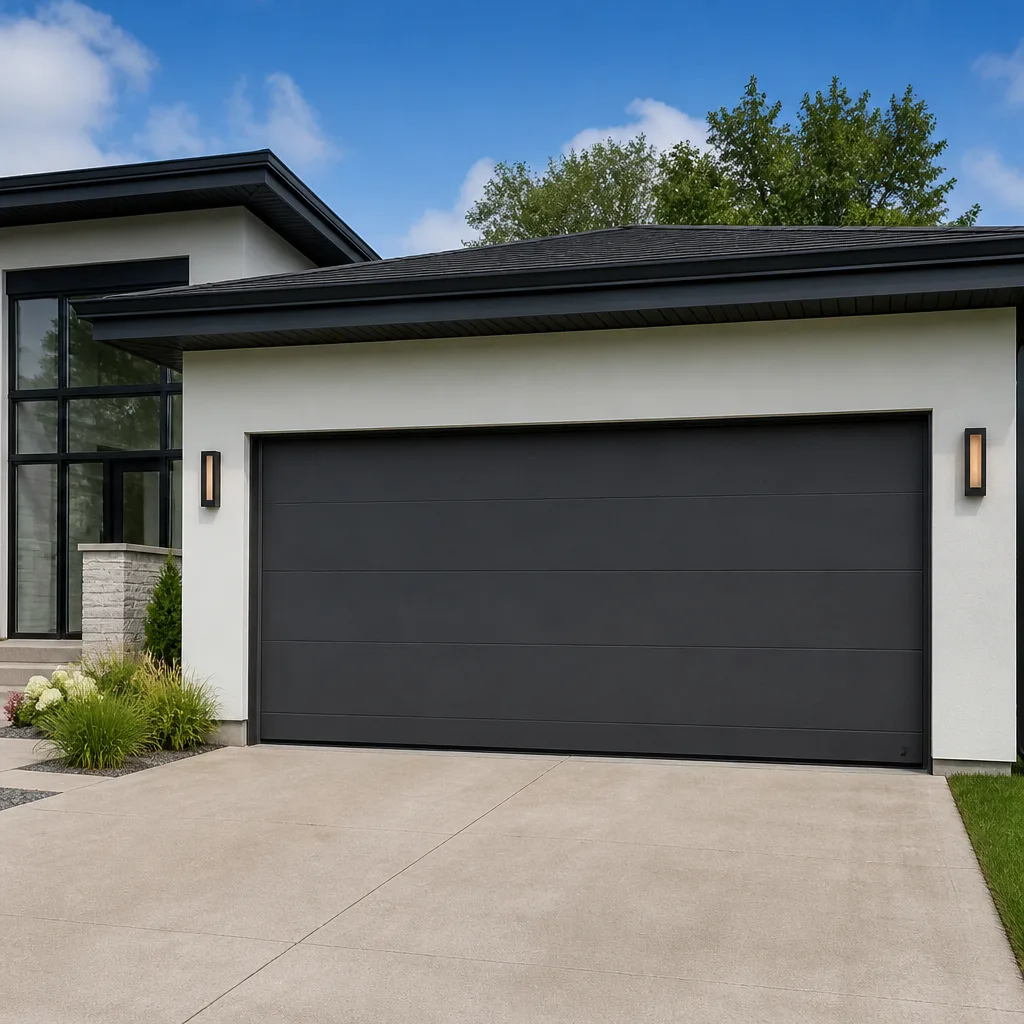 Modern flush
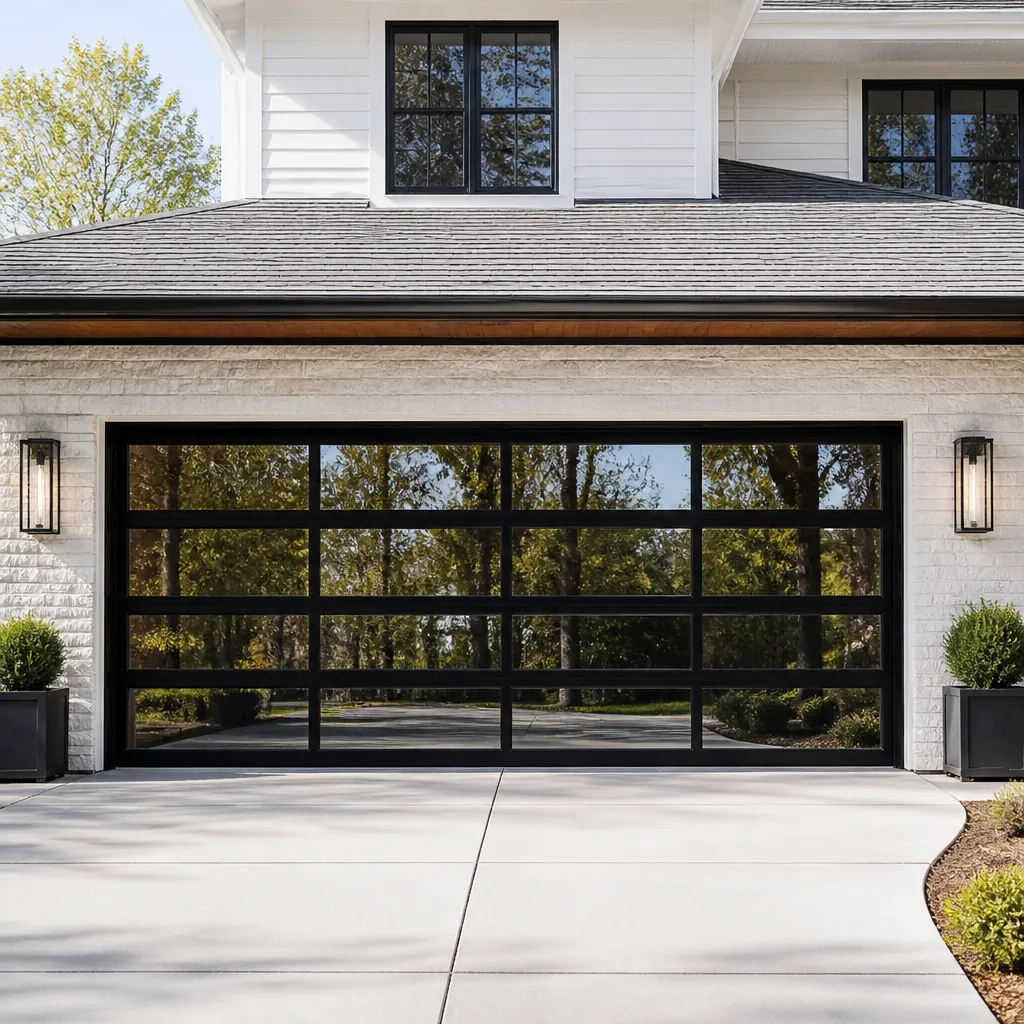 Full-view glass
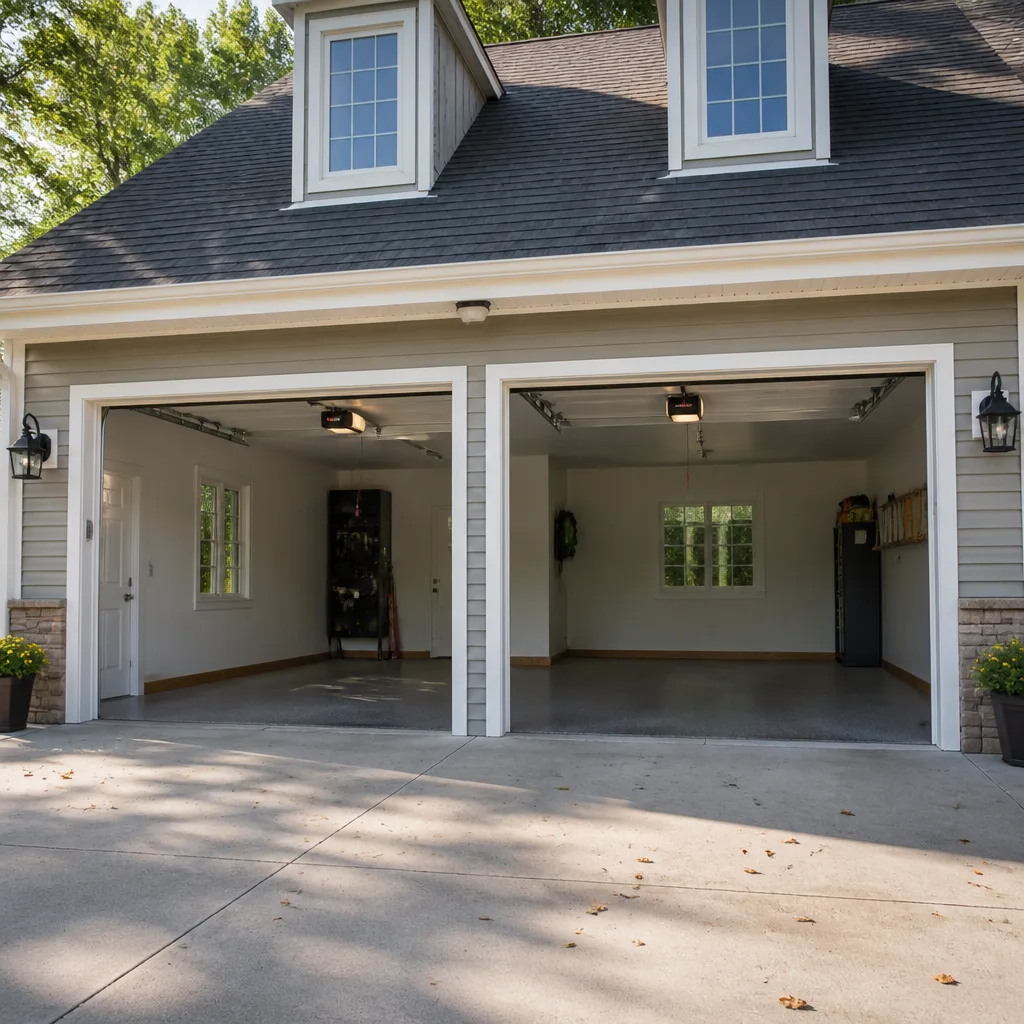 LiftMaster openers
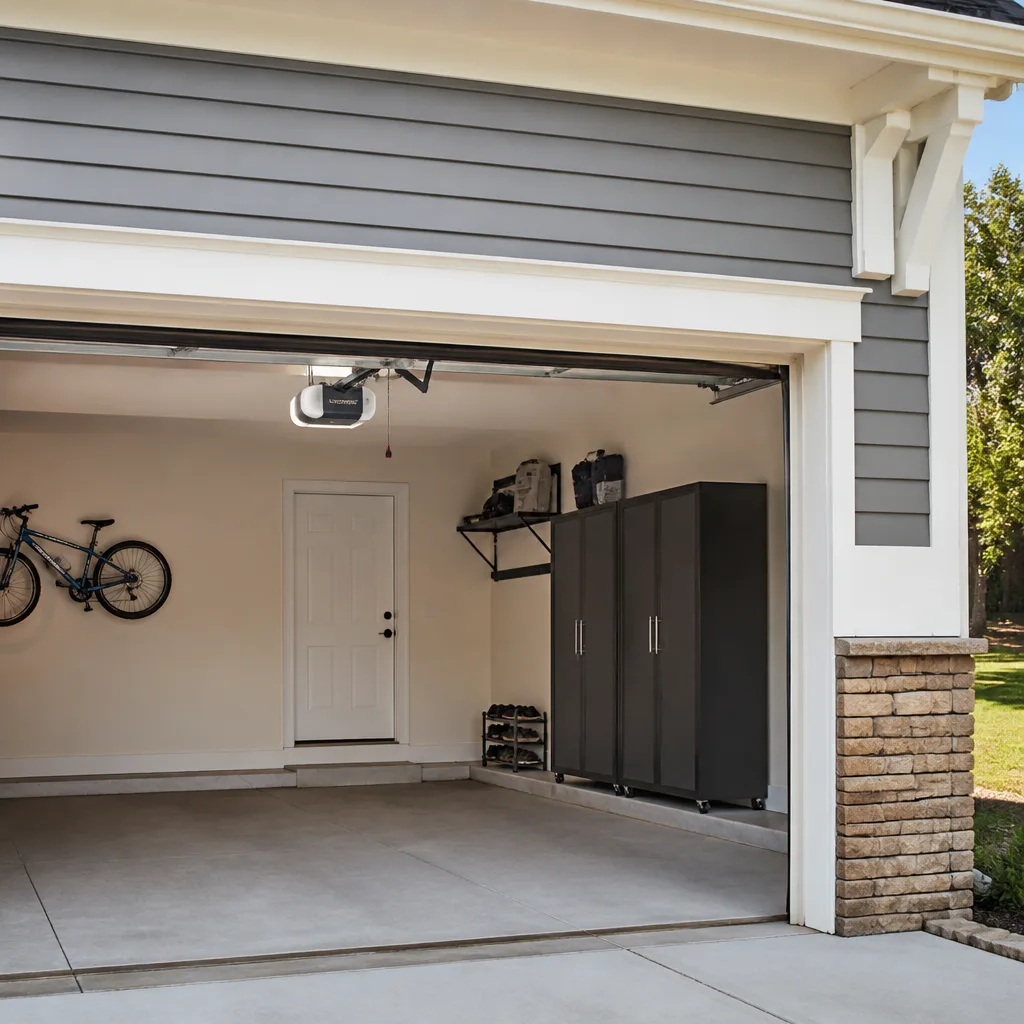 Chamberlain openers
Full 25-point door and opener safety check with every visit - springs, cables, rollers, tracks, and your LiftMaster or Chamberlain opener included
You get a price before we start. It does not change when the pro arrives.
Get your free estimateDIY vs Professional Garage Door Repair: What’s Safe to Do Yourself
A single torsion spring on a standard two-car door stores roughly the same energy as a loaded crossbow. Except it releases in every direction at once if the winding bar slips. That one fact shapes this whole guide. Some garage door repairs are genuinely homeowner work: a worn bottom seal, a misaligned photo-eye, a remote that quit talking to the opener. Others carry enough stored force to break bones. We’re drawing the line at stored energy, and we’ll tell you exactly which side of it each job sits on, with the Spring Valley heat and desert grit factored in.
Quick Answer
Anything that touches springs, cables under tension, drums, or the door’s structural header is professional-only work, no exceptions. Everything else, including weather stripping, bottom seals, photo-eye alignment, remote reprogramming on a Chamberlain or Genie opener, and roller swaps on a door whose extension springs are already de-tensioned, is reasonable DIY territory for a careful homeowner. When in doubt, the test is simple: if releasing, adjusting, or removing the part could let stored energy move something fast, put the tools down and call.
Styles & brands we work with
- Raised-panel steel
- Carriage house
- Modern flush
- Full-view glass
- LiftMaster openers
- Chamberlain openers
Table of Contents
- The Stored-Energy Rule: One Test That Settles It
- DIY-Safe Repairs You Can Do This Weekend
- Pro-Only Repairs and Why Each One Is Off-Limits
- The Video Trick That Makes a Pro Visit Faster and Cheaper
- Why Spring Valley Doors Wear Differently
- Why We’ll Walk You Through a Safe Fix on the Phone
- Common Mistakes to Avoid
- When to Call a Professional
The Stored-Energy Rule: One Test That Settles It
Before you touch anything, ask one question: is this part holding back stored energy? Garage doors run on a balance system. Either torsion springs mounted on a shaft above the door or extension springs running along the horizontal tracks stretch under load. Both store force constantly, even when the door sits closed and quiet. A part under tension will move the instant you release it, and it doesn’t care what’s in the way.
Here’s the non-negotiable test. If the answer to “could this part spring, snap, drop, or whip when I loosen it?” is yes or even maybe, it’s professional work. That covers torsion springs, extension springs, lift cables, and the drums the cables wind onto. It also covers anything mounted to the header above the door, because a header that’s failing under load is a structural problem wearing a garage door costume.
What’s left after you apply the test is a solid list of jobs that involve fasteners, seals, sensors, and electronics. No stored energy. No hospital risk. That’s your DIY lane, and it’s wider than most homeowners expect.
- Stored energy present: springs, cables, drums, header and track structure. Professional only.
- No stored energy: seals, weather stripping, sensors, remotes, opener settings, rollers on a de-tensioned door. DIY-friendly.
- Gray area: track that’s visibly bent, a door that’s come off one roller. Stop and get eyes on it before you force anything.
One more thing about the crossbow comparison. It isn’t a scare tactic. It’s why the warning labels exist on every spring bracket. A door is 200 pounds riding on two springs. Respect it.
DIY-Safe Repairs You Can Do This Weekend
These jobs involve rubber, sensors, and settings. If you’re handy enough to change a bicycle tube, you can handle them. Work with the door closed and the opener unplugged unless a step says otherwise.
Bottom seal replacement. The rubber strip at the bottom of the door takes the worst of it: heat, grit, and daily contact with the slab. When it cracks or tears, you get drafts, dust, and the occasional scorpion finding its way inside a Spring Valley garage. Slide the old seal out of its channel, cut the new one a couple inches long, slide it in, and trim flush.
Weather stripping on the sides and top. Same idea, different location. Peel off the old strip, clean the jamb, and press or nail on the new. Adjust the door’s travel if the new strip is thick enough to catch.
Photo-eye alignment. If the door reverses for no reason, look at the two small lenses near the floor on each side. They should face each other, clean and unobstructed. Wipe them, nudge them until the indicator light on each is solid, and test by passing your hand through the beam.
Remote and keypad reprogramming. A dead remote is usually a battery or a lost pairing, not a dead opener. The manual for your Chamberlain or Genie has the pairing steps, and it’s a two-minute job.
Roller swaps, with one condition. You can replace worn nylon rollers on a door with extension springs, but only after the door is fully open and the springs are de-tensioned by design. Never do this on a torsion setup. If you’re not sure which you have, don’t guess.
That list covers most of what actually goes wrong with a door. For anything past it, our Garage Door Repair in Spring Valley page lays out the repair side in plain terms.
Pro-Only Repairs and Why Each One Is Off-Limits
Every job on this list is off-limits for one reason: stored energy or structural load. Not because it’s complicated. Because it’s dangerous in a way that doesn’t announce itself.
- Torsion spring replacement. The spring sits under hundreds of pounds of winding tension. The winding bars are the only thing between that energy and your hands, and a slip happens in a fraction of a second. This is the single most dangerous repair on any garage door.
- Extension spring replacement. These live along the tracks and snap with real force when they fail. A proper job means the door is up, the springs relaxed, and the new springs paired with a safety cable threaded through the middle.
- Cable replacement. Lift cables are wound under tension and hold the door’s weight in tension. An unloaded cable can whip. This is a two-person, trained-hand job.
- Drum realignment. The drums are what the cables wind around. Touching them means dealing with cable tension and door weight at the same time.
- Any repair above the door header. The header carries the whole track and spring assembly. If it’s sagging, cracked, or pulling loose, that’s a structural question, and bolting more hardware into a failing header can make it worse.
- Track replacement on a loaded door. Tracks look simple. They also hold the door’s path and weight. Straightening or replacing one on a live door is a job for someone who does it daily.
We’ve seen what happens when a homeowner tries a spring. In our experience, the smart ones stop at the winding bars. If a spring snapped and your car is sealed in, that’s exactly the call we take at nine at night. Spring repair is what we do most, and a new spring done right is a modest repair compared to an emergency room visit. Our Otto’s Garage Door Spring Valley home page has the full picture of what we handle.
The Video Trick That Makes a Pro Visit Faster and Cheaper
Here’s the one prep step that saves you money, and it takes ninety seconds. Before you call anyone, record a short video of the door doing the thing it’s doing wrong.
- Stand where you can see the whole door, inside the garage, with the light on.
- Run the opener and catch the full cycle: the noise, the hitch, the reversal, whatever it does.
- Walk around the door and film the springs, cables, drums, and both tracks. Slow and close is better than wide.
- Say out loud what you notice: “it bangs halfway up” or “it reverses right after it starts down.”
- Text or email the video along with the model of your opener if you know it.
Why it works: a pro can often hear what’s wrong before the door finishes its first cycle. A grinding start, a sharp pop, a door that hangs on one side, those tell us whether it’s a spring, a worn roller, or a failing opener. That means the person on the phone can quote in the right range before the truck moves, and no one’s guessing at the door. It’s also the fastest way to get an honest picture of whether you’re looking at a $60 seal or a spring replacement.
When you call a shop, ask for a price before anyone comes out. Upfront pricing means the number quoted on the phone holds when the tech is standing in your garage.
Why Spring Valley Doors Wear Differently
Spring Valley doors don’t wear like doors back east. The heat and dust change what fails first and when.
Rubber takes the biggest hit. Bottom seals and weather stripping that would last years in a mild climate can be baked stiff and cracked in a couple of summers out here. Desert grit grinds into rollers and hinges, and they wear faster than the calendar suggests. That’s why a door in Spring Valley often needs seal and roller service earlier than the same door somewhere wetter and cooler.
Springs get cycled more, too. Any house where the garage is the front door gets thousands of extra cycles a year. Every open and close is a cycle, and a spring has a finite number before it fails. We count spring cycles the way you count tire miles. If a spring is close to the end of its life, it’s worth knowing before it strands you on a Tuesday morning.
For doors that are past patching up, our Garage Door Installation in Spring Valley page covers what a replacement involves, and a Clopay or Amarr door is a common fit for the heat here. Opener work runs on its own track, and our Garage Door Opener Repair & Installation in Spring Valley page walks through that side.
Why We’ll Walk You Through a Safe Fix on the Phone
Here’s how we run this. If you call about a bottom seal, a misaligned photo-eye, or a remote that quit, we’ll tell you how to fix it yourself. It’s a two-minute conversation and it saves you a service call. We’d rather keep you as a customer for twenty years than sell you a $150 visit for a $15 part.
If you call about a spring, a cable, or a door hanging crooked, the answer changes. We quote the job on that call and hold the number when we get there. No-hassle pricing that doesn’t move between the phone and the driveway. If the price on the phone doesn’t match the price at the door, you should be asking why. It shouldn’t.
Every job we do comes with the 90-Day Done Right Promise in writing on the invoice. If it’s not right, we make it right. That’s one call back to the shop, not a customer-service queue.
And if a written estimate from someone else looks wrong, or high, or just confusing, bring it to us. The free second opinion on any written estimate is a standing offer. There’s no trip charge inside the county, and seniors and veterans get 10% off, always. That’s how we run it.
Common Mistakes to Avoid
These come up again and again, and most of them you can avoid with a little caution.
- Treating a spring like a hardware project. We’ve seen homeowners watch a video, buy winding bars, and try it. A torsion spring stores force that a video can’t teach your hands to respect. Call it in.
- Assuming a strained opener is the problem. If the opener is straining, the problem is almost never the opener. A door that’s binding, out of balance, or running on a tired spring drags on the opener, and a new opener won’t fix a balance problem. Diagnose the door first.
- Adjusting the opener’s force settings to brute-force the door. Turning up the travel force masks the real problem and wears parts faster. A door that needs more force to move has something wrong with it.
- Leaving a door in the open position when a spring lets go. A broken spring with the door up can drop a 200-pound door fast. If you hear the pop, keep people and pets clear and call before you try to lower it by hand.
- Ignoring the bottom seal during the hot months. A cracked seal lets in fine desert dust that gets into the opener track and rollers. In Spring Valley we see this every summer, and the seal is cheap insurance.
- Working on a live door without blocking it. If a door is up and off a roller, it can drop. Never work under a door held only by the opener.
- Taking the cheapest quote without a written scope. A price with no parts named and no work listed isn’t a price. Get it written down and compare like for like.
When to Call a Professional
Call a professional if any of these are true: a spring is broken or making a loud pop, a cable is loose, frayed, or off its drum, the door is crooked or off a track, the door reverses on its own and sensor cleaning didn’t fix it, the header above the door is sagging or cracked, or the door is old enough that the springs are near the end of their cycle count. Also call if you started a DIY fix and got stuck. There’s no shame in stopping; there’s a lot in forcing a part that doesn’t want to move.
Otto’s Garage Door Spring Valley offers free estimates in Spring Valley. Call (888) 318-1978, and a person answers around the clock.
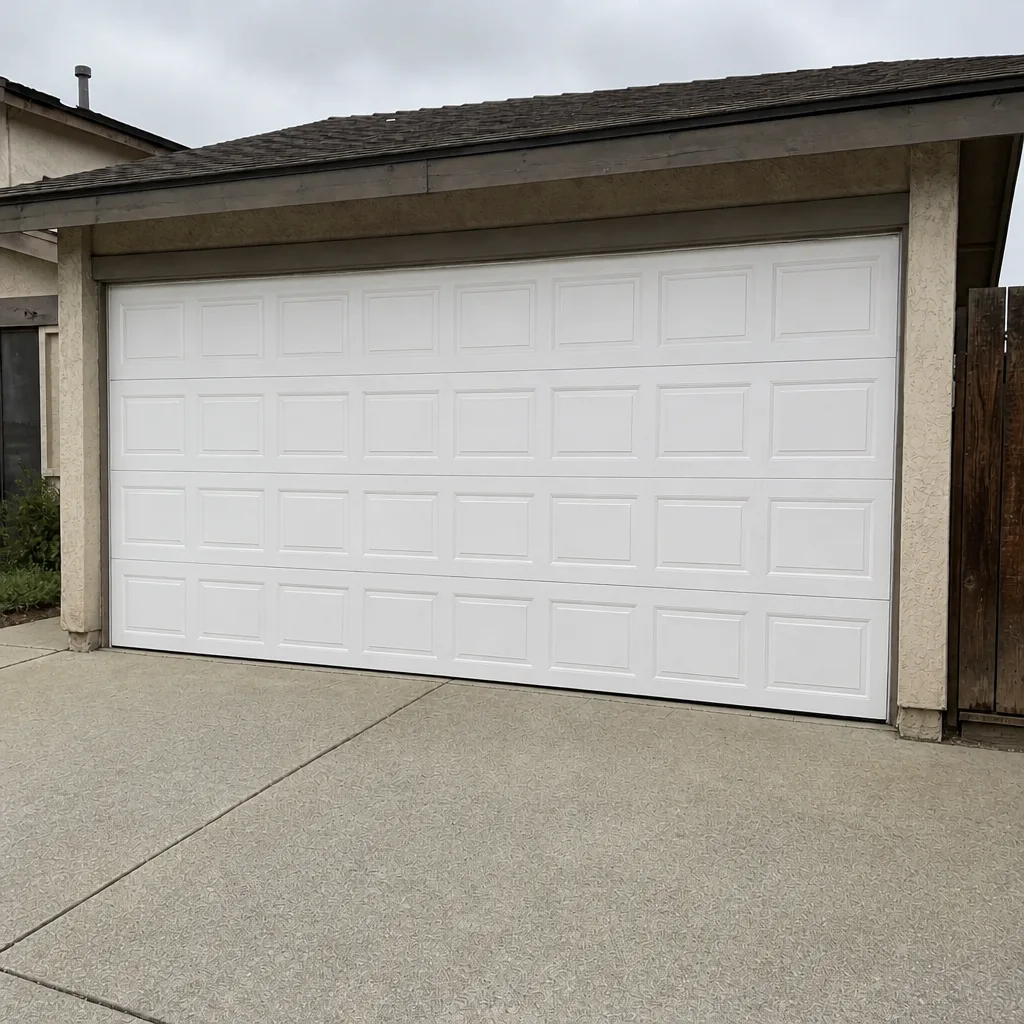
See the difference
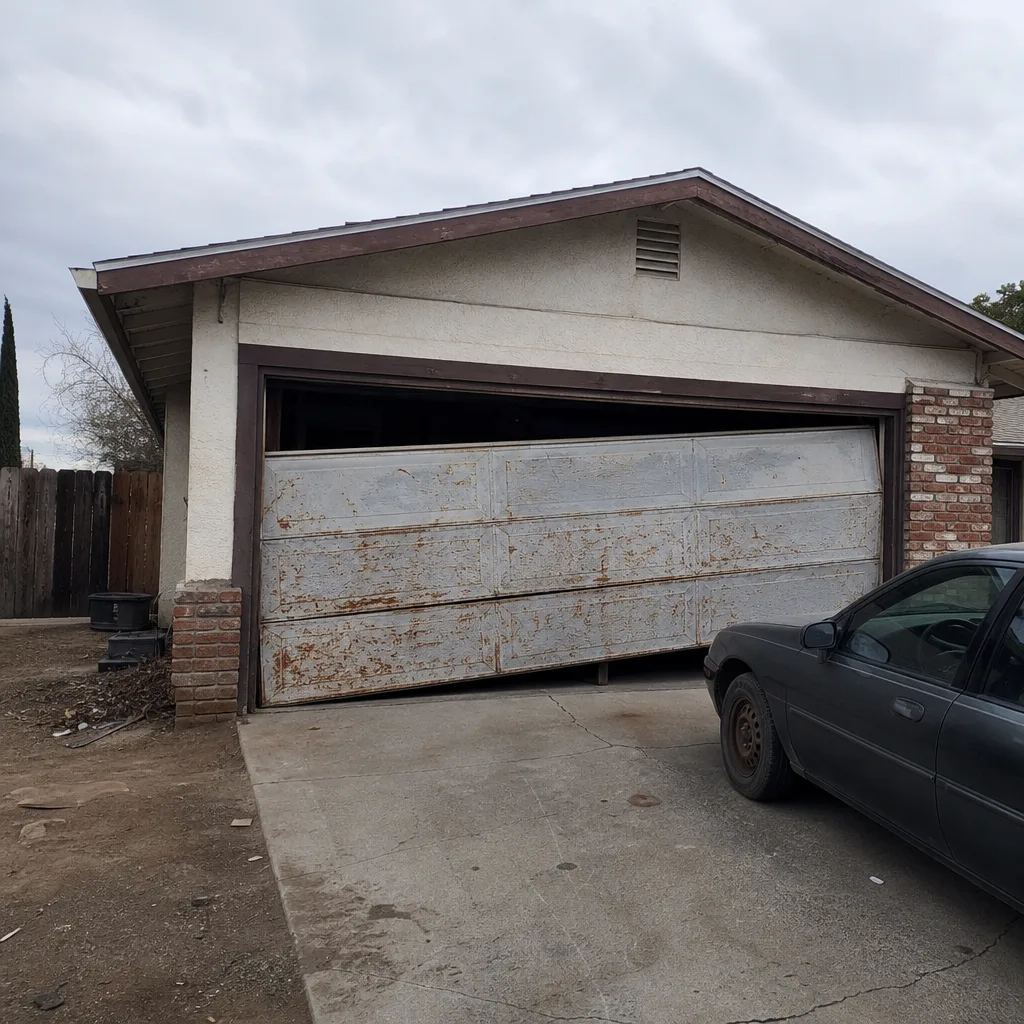
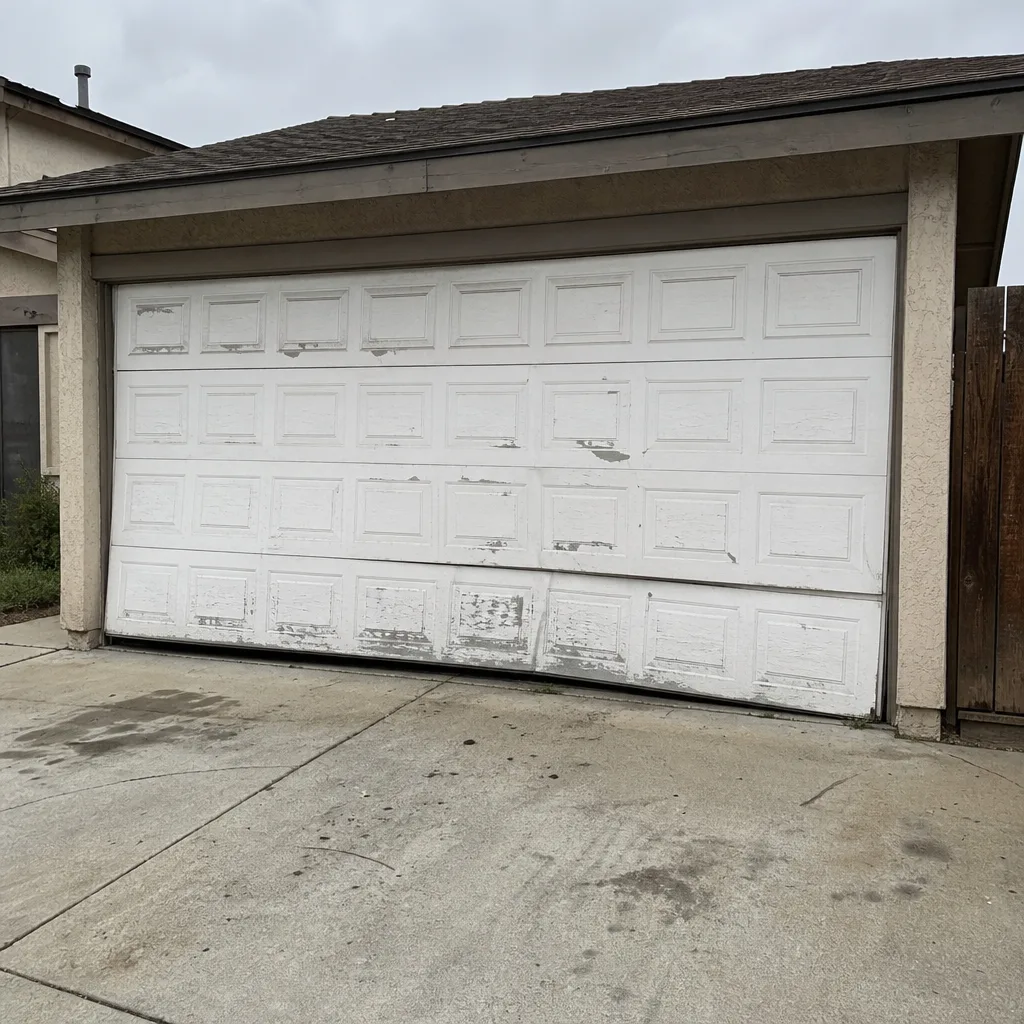 Before
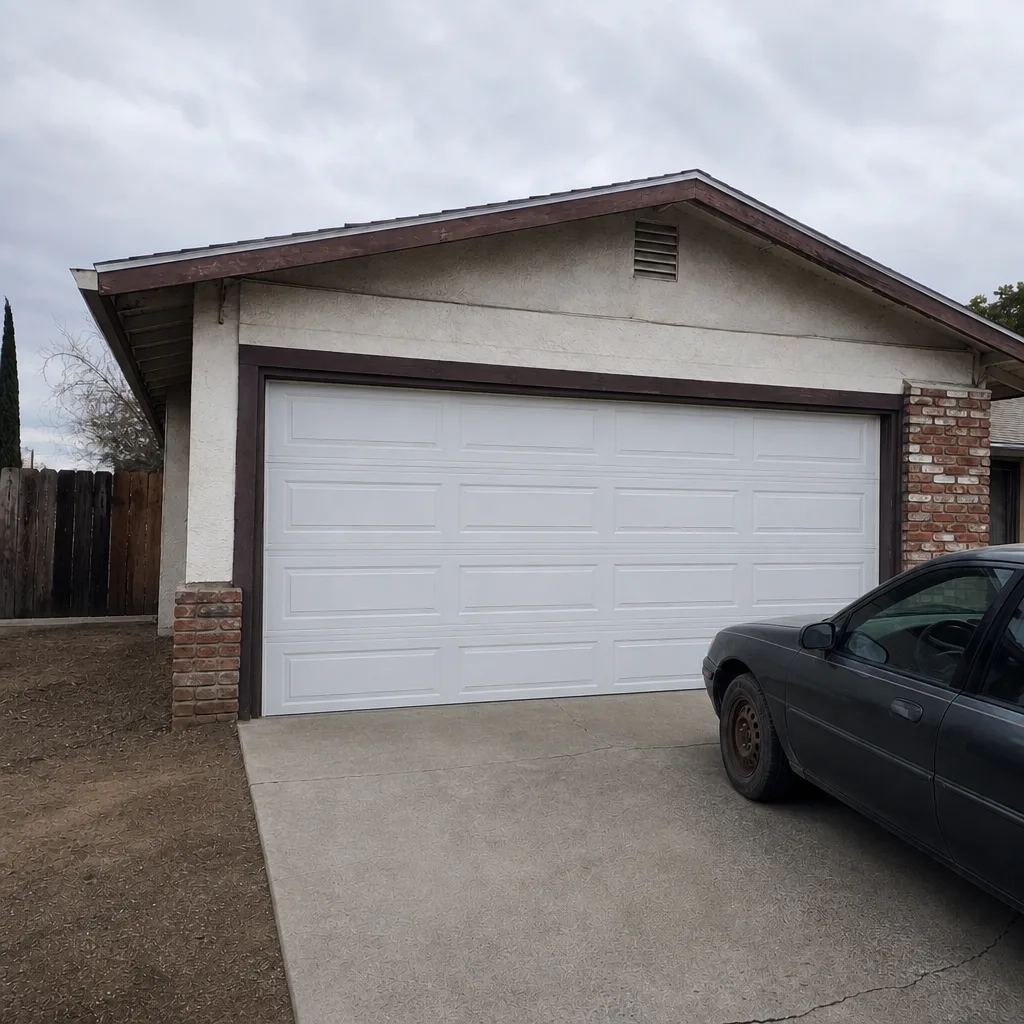
 After
 Before
 After
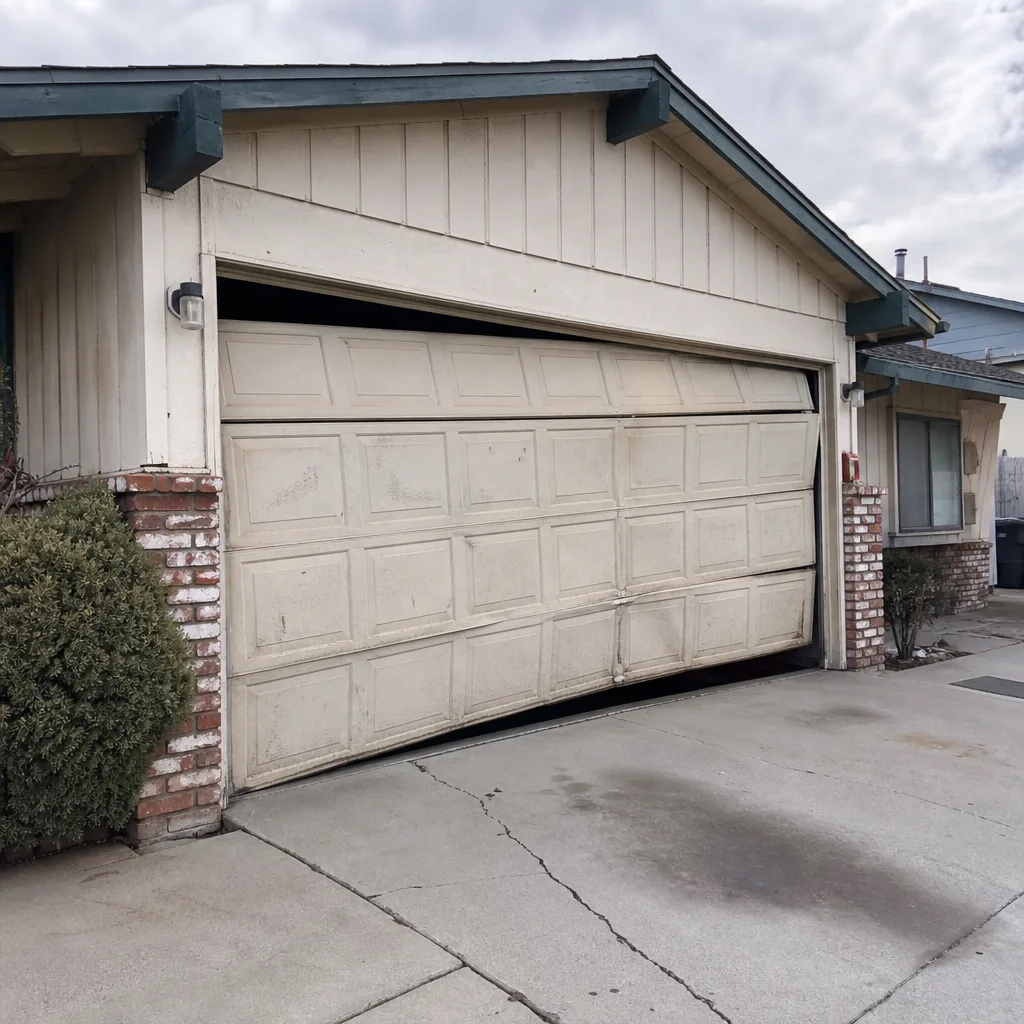 Before
 After
Frequently Asked Questions
No. Torsion spring replacement involves stored energy that can cause serious injury in a fraction of a second, and it needs professional winding bars and training to do safely. A spring replacement done right is a routine repair for a pro and a genuine hazard for anyone else. Call a professional before you touch the winding bars.
Bottom seal replacement, side and top weather stripping, photo-eye alignment, remote and keypad reprogramming, and roller swaps on a door whose extension springs are already de-tensioned. Those jobs involve rubber, sensors, and settings with no stored energy involved. Anything with springs, cables, drums, or the header is professional work.
Spring repair is quoted upfront per job, and a spring replacement is a mid-range repair, not a big-ticket one. The exact number depends on door size and spring type, so a quote on the phone is the honest way to know. Call (888) 318-1978 for an exact quote, estimates are free.
Nine times out of ten it’s the photo-eye sensor, dirty or out of alignment. Wipe both lenses and check that the indicator lights are solid, then test it by passing your hand through the beam. If it still reverses with clean aligned sensors, the opener or the door’s balance is the problem, and it’s worth a look.
No. We quote the job on the phone and hold the number when we get there. The price quoted is the price on the invoice, and any work beyond the original scope is agreed on before we start. If the number you were quoted isn’t what you’re charged, ask why.
Yes. The shop is locally owned and owner-operated, with a published address and license number you can verify before anyone shows up. Our technicians have up to 22 years of experience and are trained across all major brands, from LiftMaster and Chamberlain to Genie, Clopay, Amarr, and Raynor. Every job is backed by the 90-Day Done Right Promise in writing.
The Bottom Line
The answer to DIY vs professional garage door repair comes down to stored energy. Seals, weather stripping, sensors, remotes, and de-tensioned roller swaps are yours to handle, and we’ll help you over the phone. Springs, cables, drums, and anything above the door header belongs to a trained professional, because a door is 200 pounds riding on two springs and it deserves respect. If you’re not sure which side a job sits on, that’s your answer. Call, tell us what the door’s doing, and we’ll give you a straight answer on whether it’s a weekend job or one for us.
Call Otto’s Garage Door Spring Valley at (888) 318-1978 for a free estimate. We’re proud to serve Spring Valley and the surrounding communities, and a live person answers around the clock. Free second opinion on any written estimate, no trip charge inside the county, and 10% off for seniors and veterans, always.
Written by the team at Otto’s Garage Door Spring Valley.