
Last updated November 18, 2026
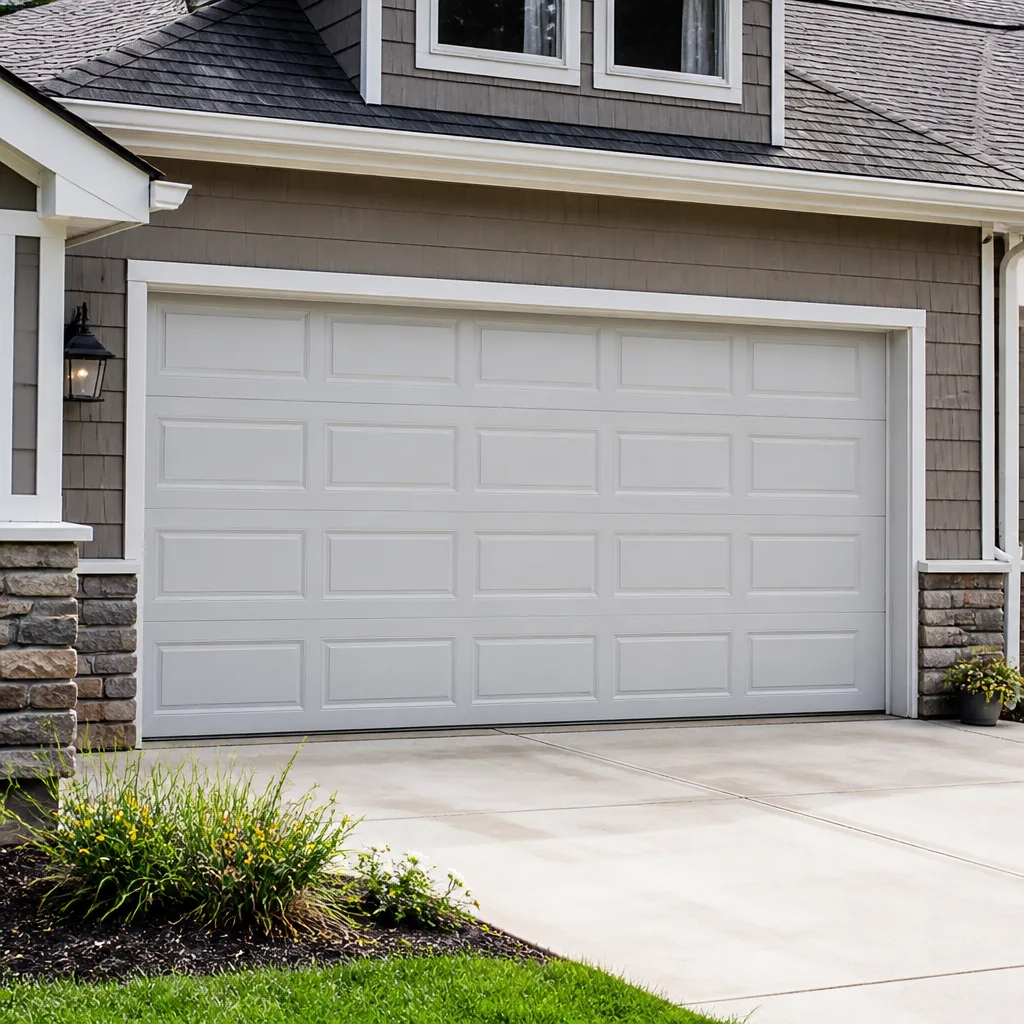 Raised-panel steel
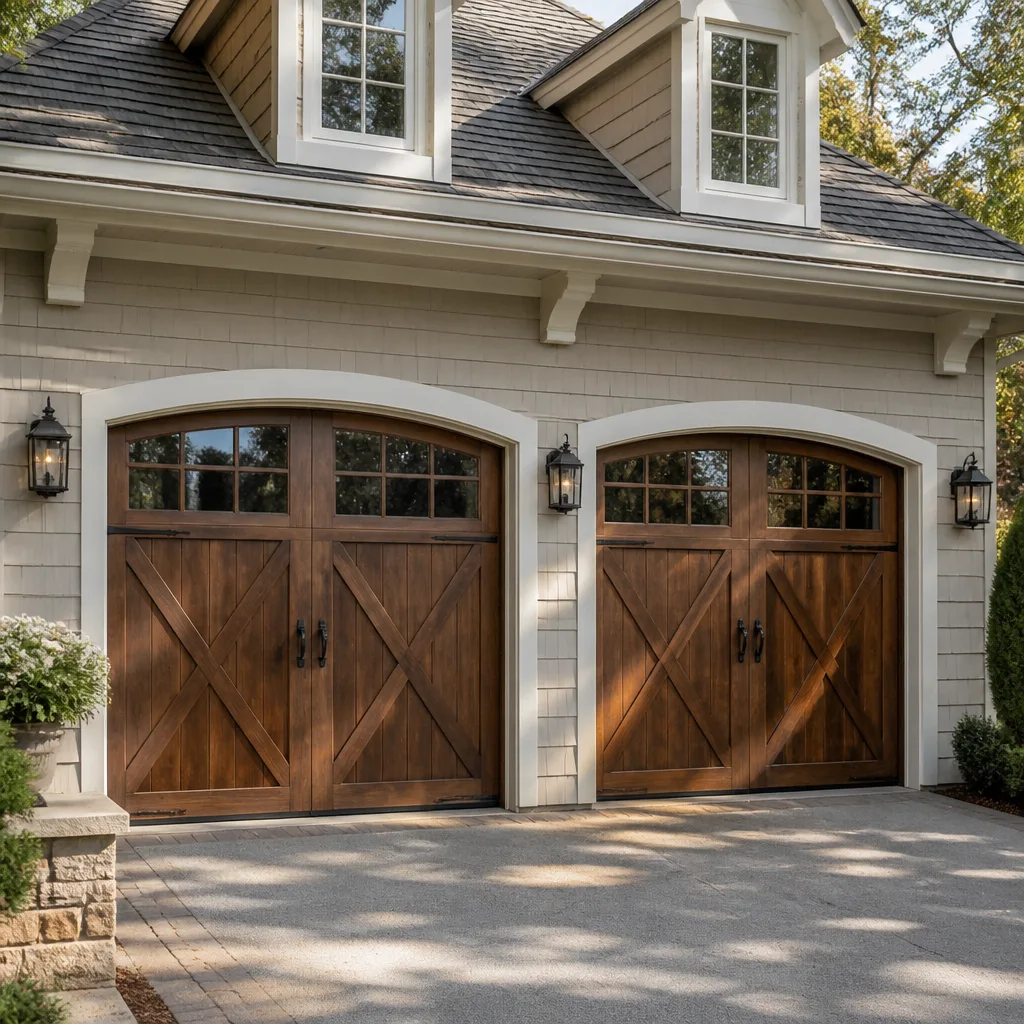 Carriage house
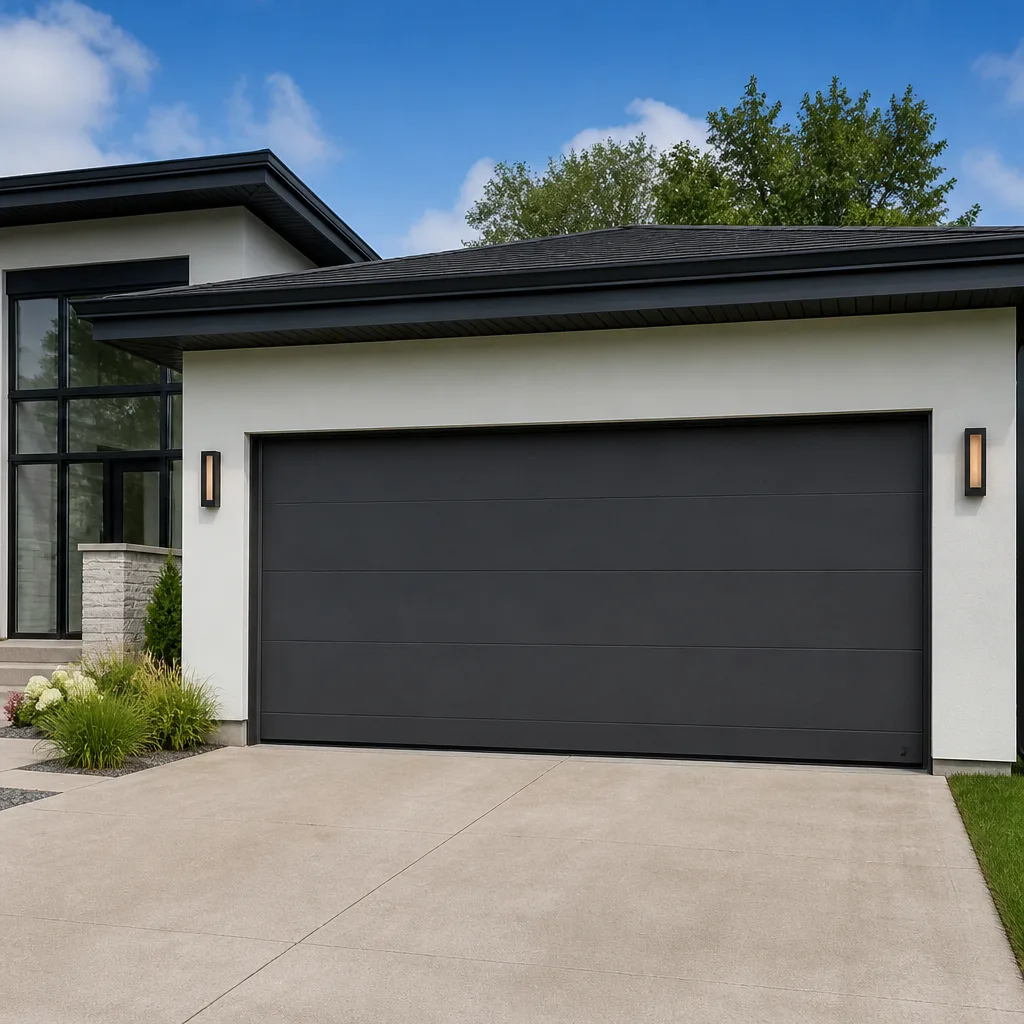 Modern flush
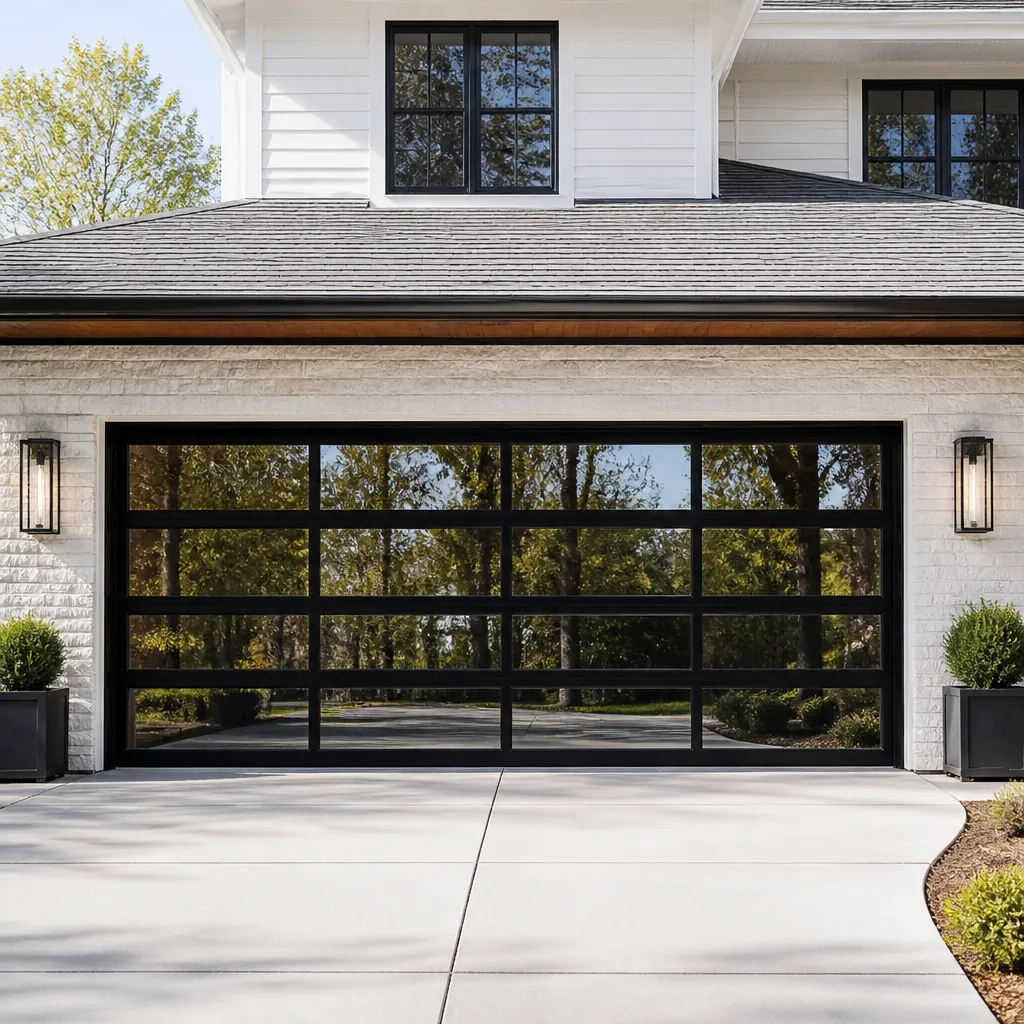 Full-view glass
 LiftMaster openers
 Chamberlain openers
Full 25-point door and opener safety check with every visit - springs, cables, rollers, tracks, and your LiftMaster or Chamberlain opener included
You get a price before we start. It does not change when the pro arrives.
Get your free estimateEmergency Garage Door Troubleshooting: Common Problems and How to Fix Them
The broken spring that makes a sound like a gunshot at 11 PM feels like a catastrophe. It isn’t. It’s usually a two-hour fix in the morning. The quiet cable fraying on one side, the one nobody hears, is the part that can drop a 300-pound door without warning. Most garage door emergencies look worse than they are, but a few look perfectly fine and are genuinely dangerous. This guide sorts which is which before you touch anything. We’ve answered these calls from Spring Valley for a long time, and the pattern holds: the loud problems are the safe ones to sleep on, and the quiet ones are the ones that hurt people.
Styles & brands we work with
- Raised-panel steel
- Carriage house
- Modern flush
- Full-view glass
- LiftMaster openers
- Chamberlain openers
Quick Answer
Most garage door emergencies are not true emergencies: a snapped torsion spring, a dead opener battery, or a door that tripped its safety sensor can wait until morning for a scheduled repair. The situations that genuinely require immediate attention – and that you must not touch – are a loose or frayed cable, a bent track with a door off its rollers, a door hanging at an angle, or any panel that has started to separate from the frame. If you see one of those, stop using the door and call a trained technician right away.
Table of Contents
- The One Question That Sorts Every Nighttime Call
- Reading the Symptom: Sound, Sight, and Smell
- When You Must Not Operate the Door Manually
- How to Safely Secure a Door That Won’t Close
- Midnight Misdiagnoses and What’s Actually Wrong
- What to Tell Us So the First Visit Has the Right Parts
- Spring Valley Conditions That Trigger Garage Door Emergencies
- Common Mistakes to Avoid
- When to Call a Professional
- Frequently Asked Questions
The One Question That Sorts Every Nighttime Call
Before you do anything, ask one question: is the door still attached to its frame and sitting level? If the answer is yes, you almost certainly have a wait-until-morning problem. If the door is hanging crooked, a cable is slack or frayed, or the door has come off its rollers, you have a call-right-now problem. That single filter prevents most midnight injuries.
A torsion spring is a coiled steel part under constant tension that lifts the full weight of the door. When it snaps, which happens on a cycle count somewhere between 10,000 and 20,000 cycles on most residential doors, it makes that gunshot noise and the door drops or hangs heavy. It’s dramatic, but it’s contained. The spring broke, the door stayed in its tracks, and nobody got hurt. That’s a morning call.
A cable is different. Cables run along the sides and hold the door in balance with the springs. A cable that’s fraying on one side, or that has jumped its drum, means the door can come down unevenly and fast. You can’t always see a failing cable until it’s nearly gone. That’s why a “quiet” door that suddenly slams or a door that feels heavier on one side is a stop-and-call situation.
Here’s how we sort them in Spring Valley:
- Wait until morning: broken spring, dead opener, door reversed by a sensor, remote that stopped working, a door that won’t open but looks level and undamaged.
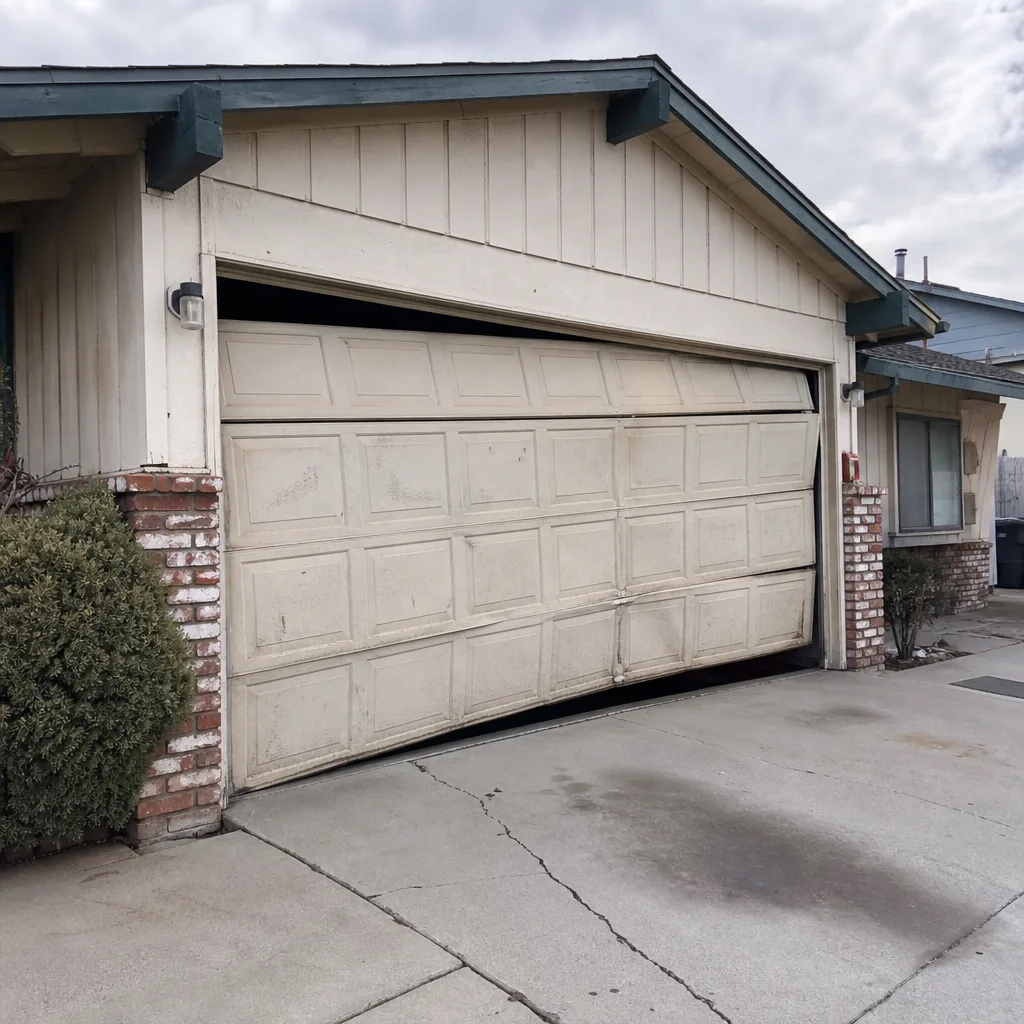
- Call now, don’t touch: slack or frayed cable, door off its rollers, bent track, panel separating, door hanging at an angle, door that slammed or dropped on its own.
Reading the Symptom: Sound, Sight, and Smell
Garage doors fail in a fairly predictable set of ways. Knowing what each symptom usually means saves you a panicked call and often a diagnostic fee. Here’s the problem-by-problem breakdown we’ve seen most often around Spring Valley.
Loud bang, door won’t lift
That’s a broken torsion spring roughly 90 percent of the time. The opener runs, the door doesn’t move, or it moves an inch and stops. It’s a same-day repair, not a safety hazard, as long as the door itself is still seated in its tracks. Don’t keep cycling the opener trying to force it – you’ll burn out the motor too.
Grinding or scraping sound while opening
Usually worn rollers, dry hinges, or a track that has shifted slightly out of alignment. It’s annoying, and it will eventually wear your opener out if ignored. It’s not an emergency unless the door is visibly off-track or moving unevenly.
Door reverses immediately after touching the floor
That’s almost always the safety sensor, not the springs. The photo-eye at the bottom of the track is misaligned, blocked, or fogged. Check for a spider web, a stray leaf, or a knocked sensor bracket before you assume anything bigger.
Door slams down hard instead of easing shut
This is a red flag. A door that drops fast usually has a spring or cable problem, or a stripped torsion drum. Do not stand under it, and don’t try to catch it. Call right away. In our experience a slamming door is the symptom people most often misread as “just needs adjusting.”
Smell of burning rubber or hot motor
That’s an opener straining against a problem it can’t overcome – a stuck door, a bound track, or worn gears. If the opener is straining, the problem is almost never the opener itself. Unplug it and stop using it until someone looks.
When You Must Not Operate the Door Manually
Every door has a manual release cord, and homeowners reach for it first. Sometimes that’s exactly the wrong move. The release disconnects the opener from the door, which means the full weight of the door is now on the springs and cables and your hands. Here are the situations where pulling that cord can drop the door or hurt someone.
- A frayed or slack cable. If a cable has failed or is hanging loose, the door may have nothing holding it in balance. Releasing the opener can let it fall.
- A bent track or door off its rollers. Manually lifting a door that’s off track can bind it and snap a panel loose or drop it.
- A partially separated panel. A door with a panel pulling away from the frame has lost structural integrity. Moving it makes the gap worse, and the panel can come free.
- A door hanging at an angle. If the door isn’t level, one spring or cable is carrying more than its share. Operate it and it can come down crooked and fast.
A door is 200 pounds riding on two springs. Respect it. If any of the four conditions above apply, leave the door where it is and call Otto’s Garage Door Spring Valley at (888) 318-1978. This is the one time we’ll tell you not to touch your own door.
How to Safely Secure a Door That Won’t Close
A garage door stuck open leaves your home exposed overnight. You don’t have to fix the door to secure it, and you shouldn’t try. Here’s how to lock things down without putting your hands anywhere near the moving parts.
- Leave the door where it is. Don’t force it closed, don’t prop it with your shoulder, and don’t run it repeatedly hoping it catches.
- If it’s open a foot or two and level, you can often bring it down by hand slowly with two people – one on each side – and stop immediately if it binds, tilts, or speeds up. If anything feels wrong, stop.
- If it won’t move safely, secure the opening instead of the door: lock the door between the garage and the house, move valuables out of the garage, and park outside for the night.
- Block the doorway from the inside with something heavy you can move in the morning, and turn on the garage’s exterior light so the opening isn’t a dark target.
- Call and schedule the repair. A live person answers around the clock, and in Spring Valley we can usually get eyes on it first thing.
One thing to skip: never wedge a door up or down with a broom handle, a block of wood, or a cinderblock under the bottom edge. It looks secure and it isn’t. A door that comes down on a wedge can buckle the panel or spit the block across the garage.
Midnight Misdiagnoses and What’s Actually Wrong
Half of the emergency calls we get turn out to be one of a handful of misdiagnoses. Sorting the real problem from the assumed one saves you a call and gets the door working faster. Here are the four we see most.
“The opener is dead” that’s really a battery
If the wall button works but the remote doesn’t, your opener is fine. It’s the remote battery, or the remote needs re-pairing after a power bump. A fresh battery or a two-minute re-sync fixes it. On a Chamberlain or Genie unit the pairing procedure changes with the model, so keep the manual or search the model number before you buy a new opener.
“The springs are broken” that’s really a sensor
A door that opens fine but won’t close usually has an obstruction in the photo-eye or a sensor that got knocked out of alignment. Look at the two small sensors at the bottom of the tracks – one should have a steady light. If it’s flickering or dark, clean the lens and straighten the bracket.
“The opener is stripped” that’s really a balance problem
An opener that grinds and strains is usually fighting a door that’s out of balance because of worn springs, not because the gear is stripped. If lifting the door by hand takes real effort, the springs are the problem and the opener is just the messenger.
“The door is stuck open” that’s really a snapped cable
A door that opens a foot, binds, and won’t move is often a snapped or jumped cable on one side, not a stuck opener. That’s the “call now, don’t touch” category – see the section above before you manually release it.
Getting it right matters because the fix is different for each one. A sensor realignment is a five-minute visit. A spring replacement is a scheduled repair. Nobody wants a truck showing up for the wrong problem.
What to Tell Us So the First Visit Has the Right Parts
The difference between a one-visit fix and a two-trip headache is often what you say on the phone. A good technician shows up with the right spring, the right cable, or the right opener based on your description. Here’s what to have ready.
- The door’s make and model, printed on a sticker on the inside of the door or on the opener housing. Clopay, Amarr, Wayne Dalton, and most others label it clearly.
- What the door is doing right now. Won’t open, won’t close, opens a foot and stops, reverses on contact, slams down.
- What sound it made, and when. A bang at 11 PM is a spring. Grinding for a week is rollers or a track. A door that just quietly stopped is often an opener or power issue.
- Whether the door is level. Stand back and look. If it’s crooked, say so – that changes which parts to bring.
- The door’s approximate age and whether it’s ever been serviced. That tells us whether to expect a spring, a cable, or a whole-door problem.
When you call (888) 318-1978 a live person picks up, and we quote the job on that call and hold the number when we get there. That’s the whole point of asking these questions up front – no surprise invoice, no second trip for the wrong part. If you’d rather see the full list of what we handle, our garage door repair in Spring Valley page lays out the common jobs.
Spring Valley Conditions That Trigger Garage Door Emergencies
Spring Valley’s climate punishes garage doors in ways that don’t show up everywhere. The summer heat bakes a door that faces west, and the metal panels expand and contract daily. Over a few years that movement loosens hinges and works rollers out of alignment, which is why so many of our summer service calls start with a grinding door that “was fine last week.” The fine desert dust also gets into tracks and roller bearings, and it gets into photo-eye lenses too, which is why sensor faults spike here after a windy stretch.
We also see a lot of older doors in the neighborhoods around Spring Valley that have never had their springs counted. A torsion spring has a finite cycle life. On a door that goes up and down four times a day, that life runs out in roughly seven to ten years. When you call, we’ll tell you what’s left on yours so you’re not surprised by a bang at 11 PM. If the math says it’s near the end, replacing it on a scheduled visit beats an emergency call every time.
If you’re weighing repair against replacement, our garage door installation in Spring Valley page walks through what a new door costs and when it makes more sense than another round of fixes.
Common Mistakes to Avoid
- Pulling the manual release on a door with a bad cable. The cord disconnects the opener, and the door’s weight falls to the springs and your hands. If a cable is slack or frayed, leave it.
- Cycling the opener over and over on a door that won’t lift. A broken spring plus a running opener equals a burned-out motor and a bigger bill. Try it once, then stop.
- Assuming a dead remote means a dead opener. Nine times out of ten it’s a battery or a pairing issue. Check the wall button before you panic.
- Trying to bend a track back into place yourself. A bent track throws the door off its rollers and can drop a panel. That’s a technician’s job, not a pry-bar job.
- Ignoring a door that slams or drops. A heavy, fast-closing door is the quiet danger we warn about. Get it looked at before it comes down on someone.
- Wedge-propping a stuck-open door with a broom or block. It isn’t secure, and a falling door can buck the panel. Lock the house-to-garage door instead.
- Hiring the first number that answers without a written price. In this county a fair quote is a phone call away. Get the number in writing before anyone touches the door.
When to Call a Professional
Call a professional the moment you see a slack or frayed cable, a door off its rollers, a bent track, a separating panel, or a door hanging at an angle. Those are the conditions where operating the door can hurt you. Call for a broken spring too – it isn’t dangerous, but it takes the right tools, the right spring size, and the right tension to fix safely. Call if your opener strains, if the door slams, or if it reverses for no reason you can find. A door is 200 pounds riding on two springs, and the parts that fail quietly are the ones that matter most. We’ve seen every one of these in Spring Valley, and we’ll tell you straight whether it’s a morning fix or a call-now situation.
Otto’s Garage Door Spring Valley offers free estimates in Spring Valley. Call (888) 318-1978 and a live person will pick up, quote the job, and hold that number when we arrive.
Frequently Asked Questions
No. A broken torsion spring is usually a same-day repair, not a safety hazard, as long as the door is still level and seated in its tracks. Don’t keep running the opener, and call in the morning to schedule the fix.
Only if the door is level, undamaged, and the cables are intact. Pull the manual release and lift slowly with two people, stopping if it binds or feels heavier on one side. If a cable is frayed or the door is off track, don’t touch the release.
It usually means a spring or cable problem, or a stripped torsion drum. A slamming door is the symptom people misread most often, and it can drop fast enough to hurt someone. Stop using it and call right away. Call (888) 318-1978 for an exact quote – estimates are free.
That’s often a snapped or jumped cable on one side, or a door that’s badly out of balance. It’s in the don’t-touch category. Don’t force it and don’t pull the release – call and describe what it’s doing so we bring the right parts.
Yes. A live person answers the phone around the clock, including nine at night when a spring lets go and your vehicle is sealed inside. We quote on the call and hold that price at the door. That said, most nighttime calls turn out to be wait-until-morning problems, and we’ll tell you honestly which one you have.
No. We quote the job on the phone before the visit and don’t revise the number upward at the door. If we find something different once we’re standing in front of it, we’ll tell you and agree on the new price before any work starts.
The Bottom Line
Most garage door emergencies are louder than they are dangerous. A snapped spring, a dead opener, or a tripped sensor can almost always wait until morning for a scheduled repair. The ones that actually threaten your home or your hands are the quiet ones: a fraying cable, a bent track, a door off its rollers, a separating panel, a door that slams or hangs crooked. Sort those from the loud ones, never force a damaged door, and secure an open doorway by locking the house instead of propping the door. That single discipline keeps you and your home safe until a trained technician with up to 22 years of experience can get eyes on it.
If you’re in Spring Valley and something looks wrong, call Otto’s Garage Door Spring Valley at (888) 318-1978 for a free estimate. A name and number on the phone, a written price, and a 90-Day Done Right Promise on every job. If you’re curious how we got here, start at Otto’s Garage Door Spring Valley home. Wondering about the opener itself? See our garage door opener repair & installation in Spring Valley page.
Written by the team at Otto’s Garage Door Spring Valley.
See the difference
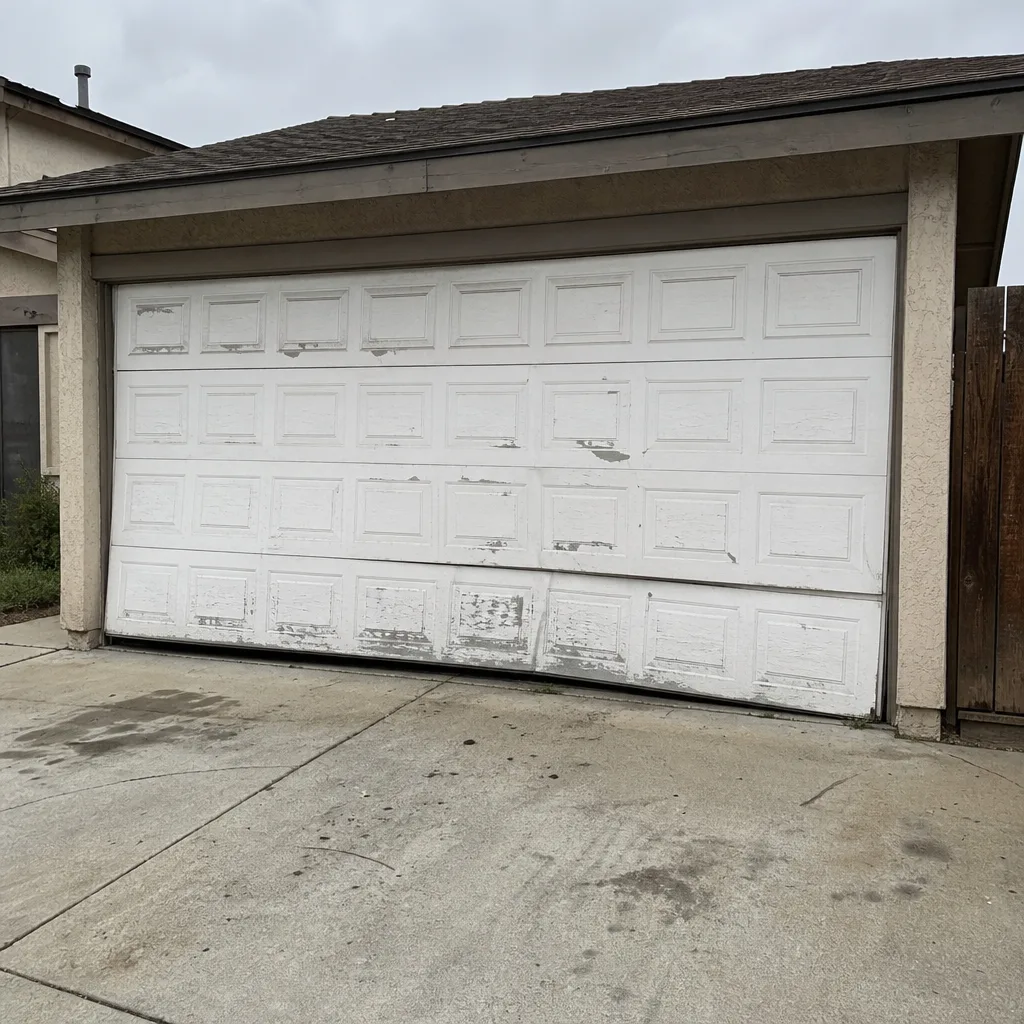 Before
 After
 Before
 After
 Before
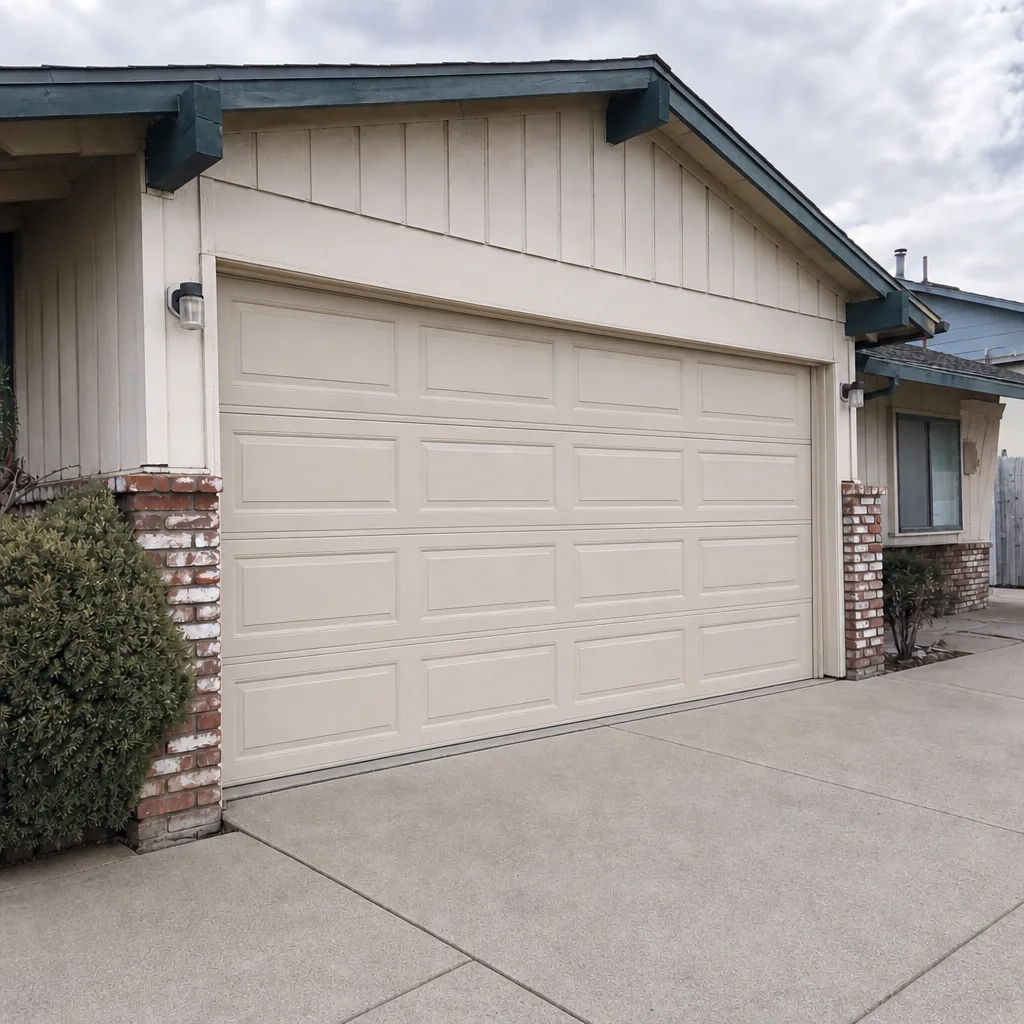 After