
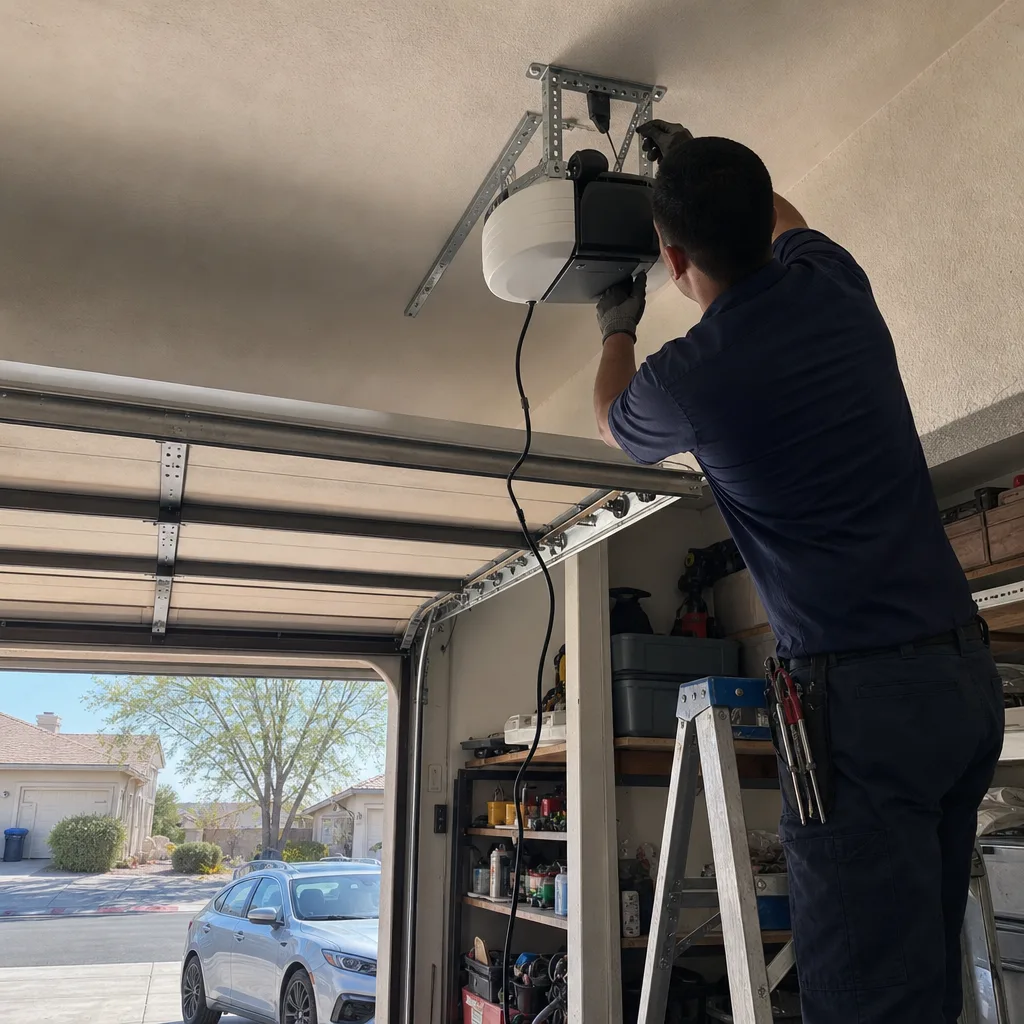
Last updated November 18, 2026
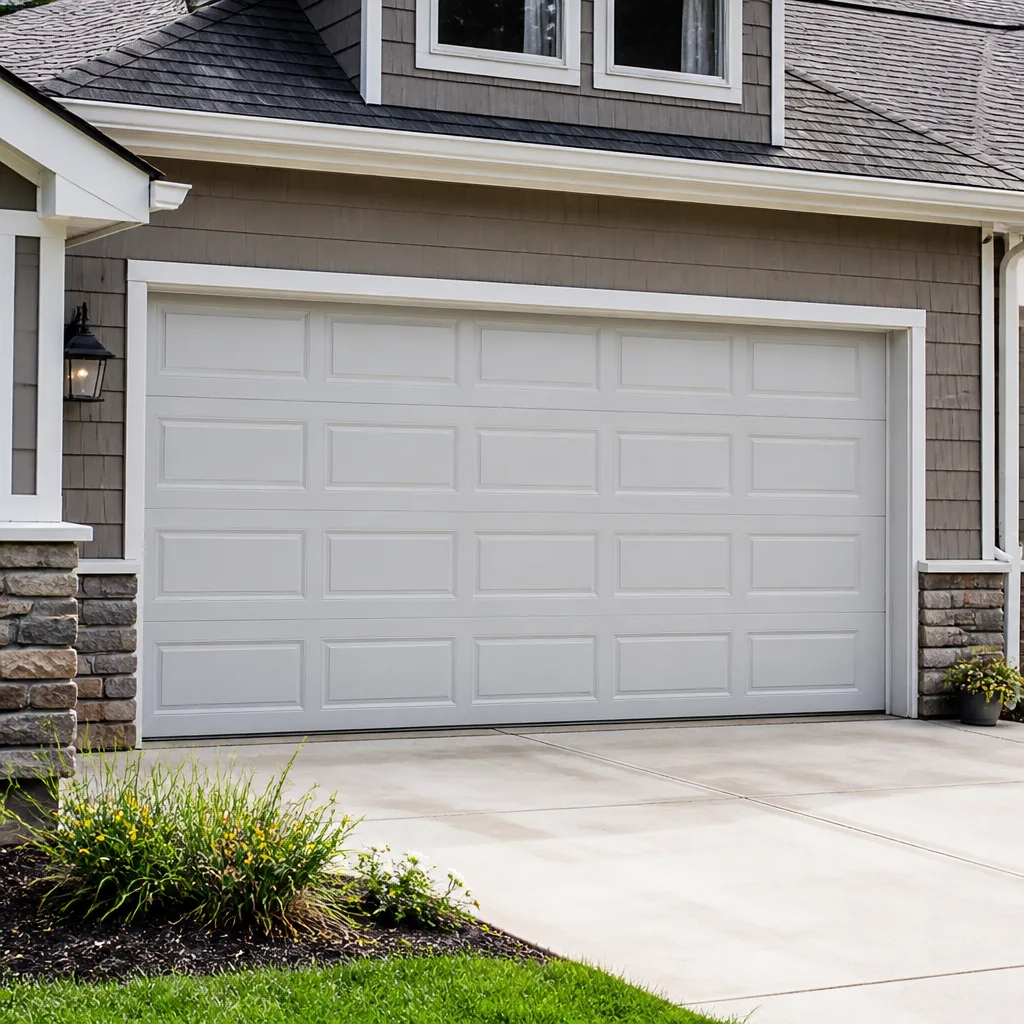 Raised-panel steel
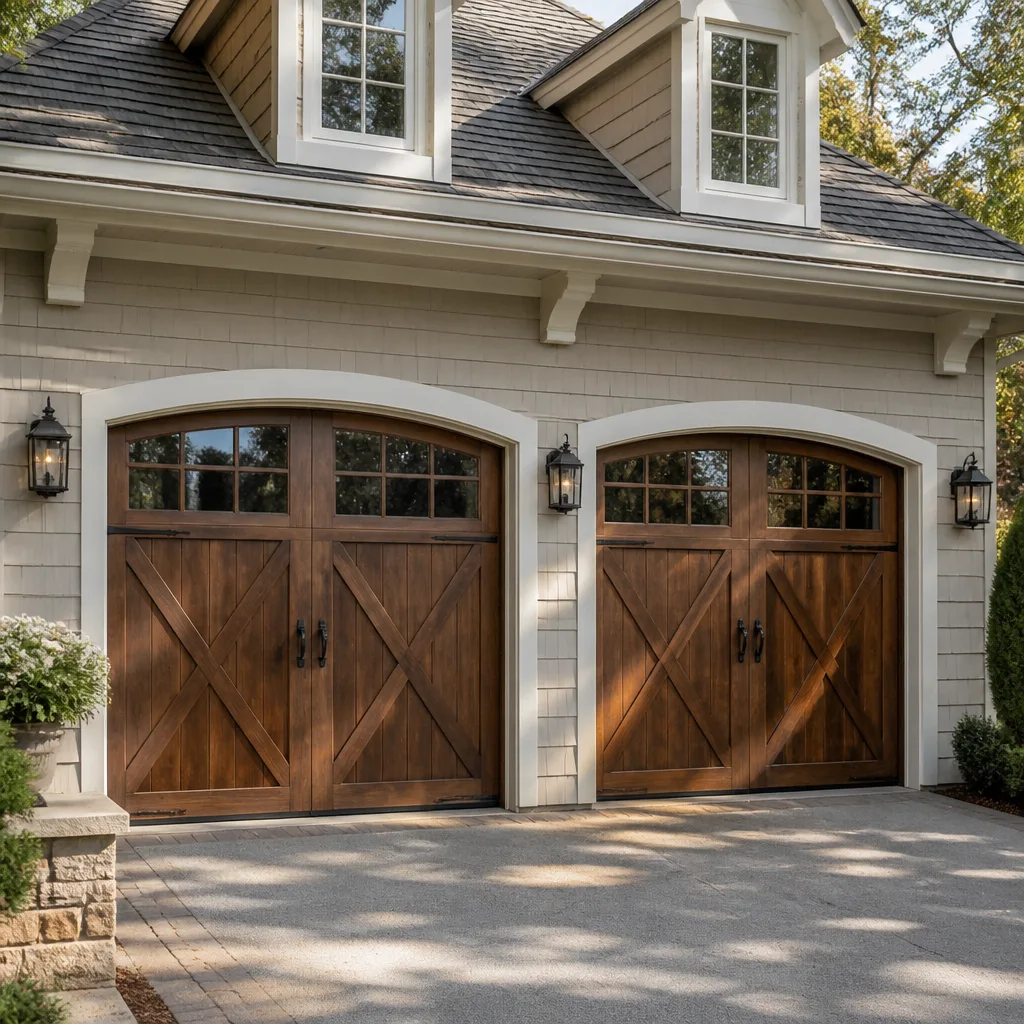 Carriage house
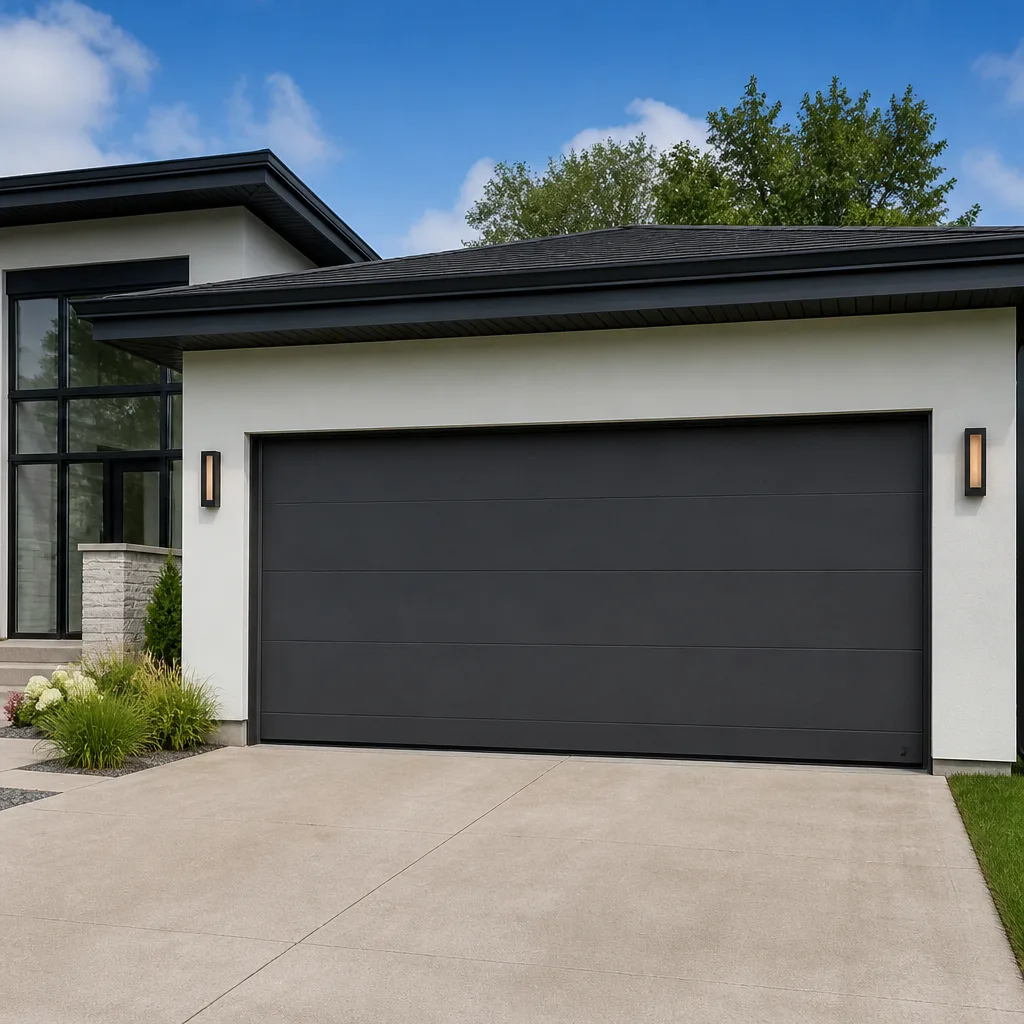 Modern flush
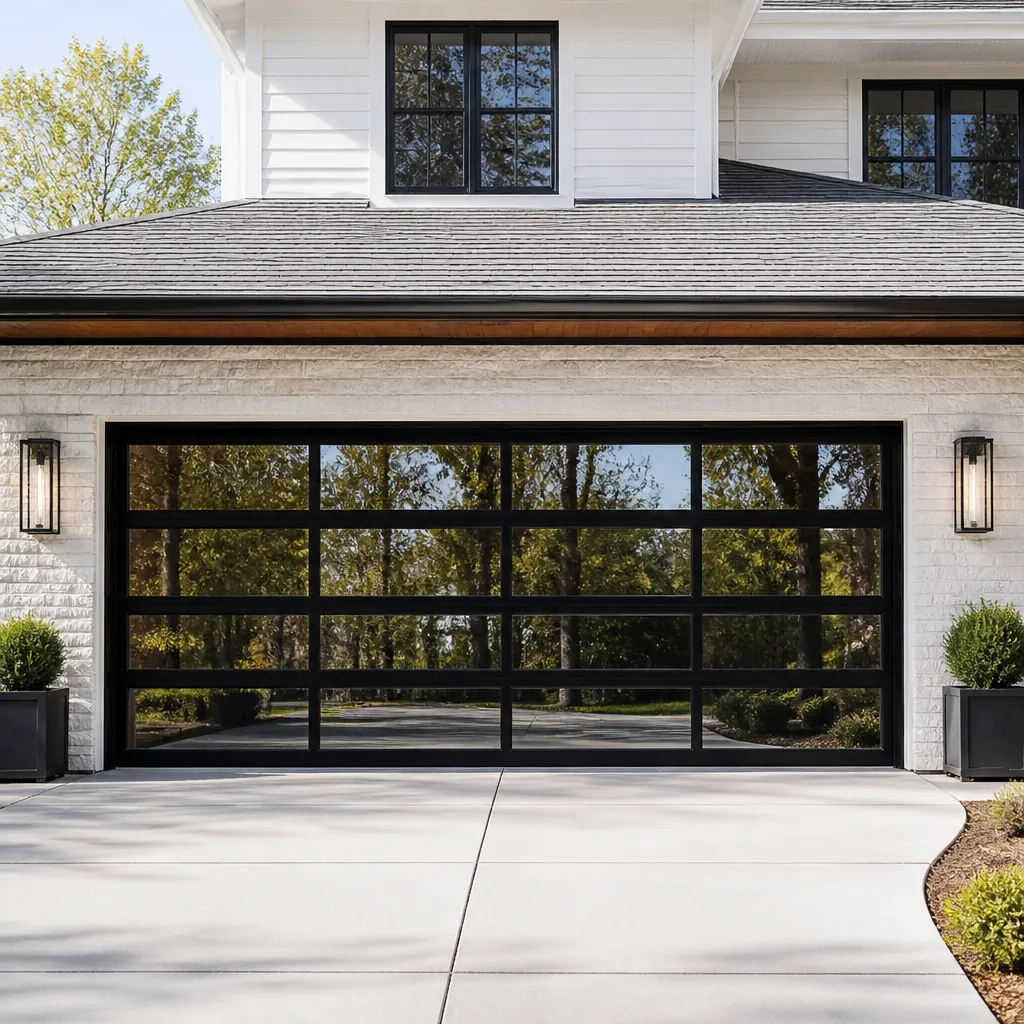 Full-view glass
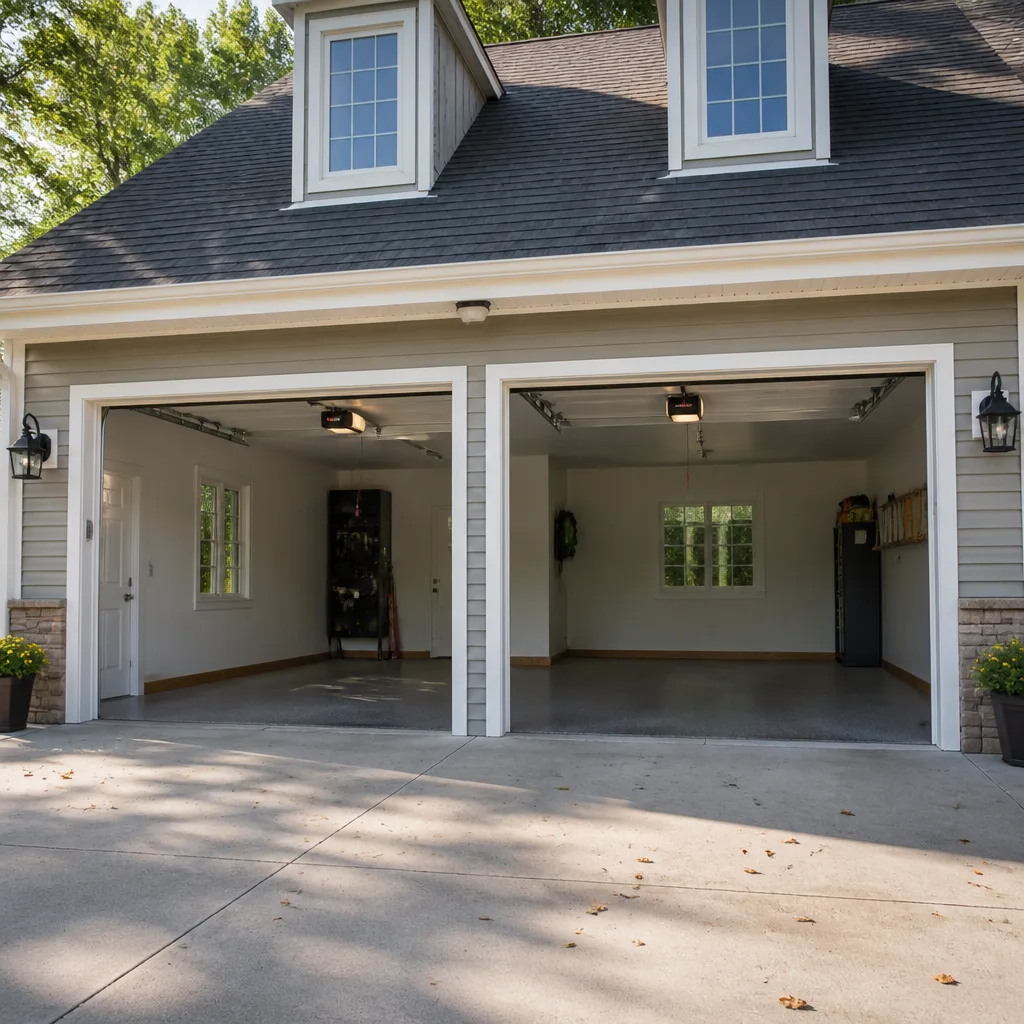 LiftMaster openers
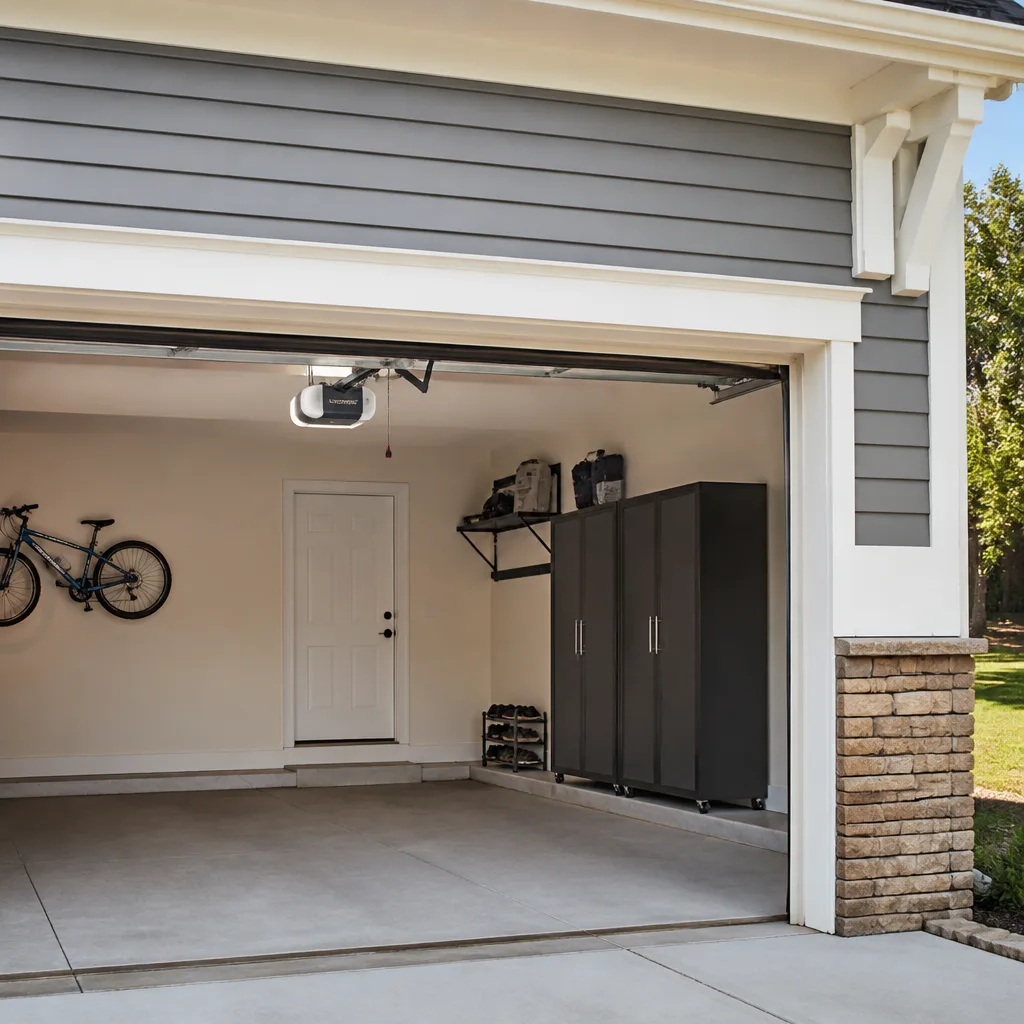 Chamberlain openers
Full 25-point door and opener safety check with every visit - springs, cables, rollers, tracks, and your LiftMaster or Chamberlain opener included
You get a price before we start. It does not change when the pro arrives.
Get your free estimateThe Complete Guide to Garage Door in Spring Valley
Most garage door guides are written for a homeowner somewhere temperate, where summers top out at 85 and winter actually brings frost. Spring Valley isn’t that place. We sit at the edge of the Mojave, and on a July afternoon the attic space above a garage can climb past 160°F. That single number changes which springs are worth buying, which openers survive, and which lubricants turn to gum by August. This guide maps every stage of owning a garage door in Spring Valley, from the day you buy to year ten, against what actually holds up on a street here.
Quick Answer
A garage door in Spring Valley needs the same core parts as anywhere else, but the heat, alkaline dust, and wide day-to-night temperature swings shorten the life of springs and openers faster than the box ratings suggest. Buy a steel door, spec heat-rated springs and a thermally protected opener, inspect twice a year, and watch your Clark County permit and HOA paperwork before you sell. Do those, and a door lasts. Skip them, and you’ll replace springs years early.
Styles & brands we work with
- Raised-panel steel
- Carriage house
- Modern flush
- Full-view glass
- LiftMaster openers
- Chamberlain openers
Table of Contents
- How Spring Valley Heat Changes Everything
- Which Door Materials Survive Spring Valley
- Standard Opener vs. Heat-Rated Opener
- The Ten-Year Ownership Timeline
- The Two Inspections Most Homeowners Skip
- Permits, HOA, and Selling Your House
- Common Mistakes to Avoid
- When to Call a Professional
How Spring Valley Heat Changes Everything
Spring is the part that suffers most. A torsion spring is rated in cycles, one cycle meaning one open and one close, and the number printed on the box assumes a moderate climate. Heat is the enemy of steel. Every hot day softens the metal slightly and every cool night stiffens it again, and that flexing over a decade adds up to fatigue the spec sheet never accounted for. We’ve seen springs in Spring Valley fail well short of their rated cycle count because the door spent ten summers baking against a west-facing wall.
The heat doesn’t stop at the springs. It cooks the grease inside the opener motor, dries out the rollers until they squeal, and hardens the weather seal along the bottom until it cracks and lets in dust. Alkaline dust is the other half of the problem here. It’s fine, it’s everywhere, and it works its way into every hinge and track. Left alone, it turns into a grinding paste.
- Springs: Expect a shorter life than the box says. Cycle count assumes 70°F days, not 110°F afternoons.
- Rollers: Nylon rollers hold up better than cheap steel in this dust; steel rollers pit and seize.
- Seals and trim: The rubber bottom seal and any vinyl trim should be checked every spring for cracking.
- Lubricant: Use a heat-stable lithium or silicone spray, not a thin oil that evaporates by June.
Our technicians have up to 22 years of experience, and a lot of that experience in the Las Vegas valley comes down to one habit: we count spring cycles the way you count tire miles. When we look at your door, we’ll tell you what’s left on the springs, not just whether they’re working today.
Which Door Materials Survive Spring Valley
If you’re buying a new door, material is the first real decision and the one most Spring Valley homeowners get wrong by copying advice meant for wet climates. Here, the enemy isn’t rain or salt, it’s ultraviolet light and grit. UV index in Spring Valley runs high most of the year, and it bleaches, chalks, and eventually cracks anything that isn’t built for it.
Steel is the workhorse and what we recommend for most homes here. A good insulated steel door from a maker like Amarr or Wayne Dalton handles the UV, shrugs off dust, and holds paint far longer than wood. The catch is that steel dents, and the inner panels can rust if the bottom seal ever fails and lets water pool. Keep the seal intact and steel is the smart buy.
Aluminum is lighter and won’t rust, which sounds perfect until you remember that light means thinner and thinner means it dents easier. It’s a fine choice for a modern look or a glass-panel door, less fine if kids play basketball in the driveway.
Wood composite looks the best and costs the most. It resists moisture better than real wood, but Spring Valley’s dry heat will still dry it out over time, and it needs more attention than steel to keep its finish. If you want the look, plan to refinish it every few years.
- Best all-around for Spring Valley: insulated steel
- Best for a modern glass look: aluminum with tempered panels
- Best for curb appeal, most upkeep: wood composite
- Skip: uninsulated steel on a west-facing wall, which turns the garage into an oven
Whatever you pick, match it to the exposure. A door on the shaded north side of a house will outlast the identical door baking on the west. When we measure a Spring Valley home, that’s part of what we look at. Learn more about Garage Door Installation in Spring Valley when you’re ready to choose.
Standard Opener vs. Heat-Rated Opener
Here’s the plain answer: a standard residential opener is fine for most Spring Valley homes, but if your garage attic bakes, a heat-rated or belt-drive model with thermal protection lasts longer. The difference isn’t horsepower. It’s how the motor and control board handle sustained high temperatures.
The motor itself generates heat while running, and it sheds that heat into the air around it. In a garage where the air is already 130°F, a standard opener can’t cool down, and the control board is usually the first thing to fail. A heat-rated opener is built with components and thermal cutouts meant to take that. Belt-drive openers run quieter and generate less friction heat than chain drives, which also helps in a hot garage.
When does it actually matter? Consider a heat-rated opener if your garage faces west, if the attic above it has no ventilation, or if your current opener has already died once in the summer heat. For most other Spring Valley homes a good name-brand chain or belt drive from LiftMaster or Chamberlain works fine, provided the door is balanced and the opener isn’t straining.
And if your opener is straining, the problem is almost never the opener. A door with a worn spring or a bent track makes the motor work twice as hard, and no opener survives that for long. Fix the door first. If you suspect the opener itself is the issue, our Garage Door Opener Repair & Installation in Spring Valley page walks through the symptoms.
The Ten-Year Ownership Timeline
Ownership is a schedule, not a guess. Here’s what a well-kept garage door in Spring Valley looks like from install day to year ten, and roughly when each milestone arrives.
- Year 0 (install): Door hung, springs matched to the weight, opener installed, safety reverse tested twice. Get the paperwork together, including the permit.
- Year 1: First lubrication and balance check. Catch a loose hinge or a fraying cable before it fails.
- Year 2 to 3: Touch up any paint on steel, replace a cracking bottom seal, tighten fasteners that the heat has worked loose.
- Year 4 to 6: Expect a first spring failure somewhere in this window in a hot garage. Have the springs inspected, not just the door.
- Year 7 to 8: Openers often show their age here. Rollers and cables get a hard look.
- Year 9 to 10: Decide whether you’re replacing springs and opener again or replacing the door. Steel has usually earned a repaint.
The biggest thing homeowners miss isn’t any single item on that list. It’s the habit of looking at the door once a season. A door is 200 pounds riding on two springs. Respect it, and check it before it checks you.
The Two Inspections Most Homeowners Skip
Most Spring Valley homeowners get the oil-and-squeak check, but two inspections get skipped and both are the ones that matter most.
The balance test. Disconnect the opener and lift the door halfway by hand, then let go. A balanced door stays put. If it drifts down or slams up, the springs and the door weight are out of sync, and the opener is fighting a losing battle. You can do this one yourself any time, and you should, because it tells you more than looking at the springs does.
The full spring-and-cable inspection. This one we do, not you. High-tension torsion springs and cables store enough energy to injure a person badly, and a cable under load can snap without warning. There’s no safe way to examine them up close without the right tools and training. What you can do is look from a distance: a gap in a coil, a stretched spring, rust on a cable, or a door that’s become noticeably heavier all mean it’s time to call.
- Balance test: every six months, by hand, opener disconnected
- Visual spring-and-cable check: every six months, from the floor, no climbing
- Professional full inspection: once a year, especially before summer
Permits, HOA, and Selling Your House
A lot of Spring Valley sits in unincorporated Clark County, and that distinction catches people at the worst moment: the closing table. Replacing a garage door is typically permitted work, and a permit pulled for the door is a record a buyer’s inspector can check. If a previous owner swapped a door or opener without one, that quiet gap can turn into a delay or a repair credit you didn’t budget for.
HOA rules are the second snag. Many Spring Valley neighborhoods restrict door color, panel style, and window patterns, and a door that doesn’t match the approved plan can earn you a written notice after the fact. Before you buy a door, we recommend two things: know which jurisdiction your address sits in, and read the HOA architectural rules or ask the board. When we quote an installation, we’ll tell you what to check for your specific street.
If you’re prepping a house for sale, this is worth a conversation early. A clean paper trail on the door and opener is one less thing a buyer can use to negotiate. Our Garage Door Repair in Spring Valley page covers how we handle smaller fixes that can hold up a sale.
Common Mistakes to Avoid
- Buying springs by the box rating alone. The cycle count assumes moderate weather. In a Spring Valley garage you’ll get fewer cycles than the label promises, so don’t judge the old springs as premature when they fail.
- Lubricating with the wrong product. Thin oils evaporate in the heat and leave tracks dry. Use a heat-stable lithium or silicone spray and skip anything that attracts dust.
- Blaming the opener for a door problem. A straining opener usually means a spring or track issue. Replacing the opener without fixing the door just burns out the new one.
- Installing a door without a permit or HOA approval. In unincorporated Clark County this can surface during a sale, and an HOA can require you to change a door that was never approved.
- Skipping the balance test. It’s free and takes two minutes, and it’s the earliest warning you’ll get before a spring failure strands your car.
- Climbing up to “check” the springs. That’s how people get hurt. Look from the floor, call a pro for anything up close.
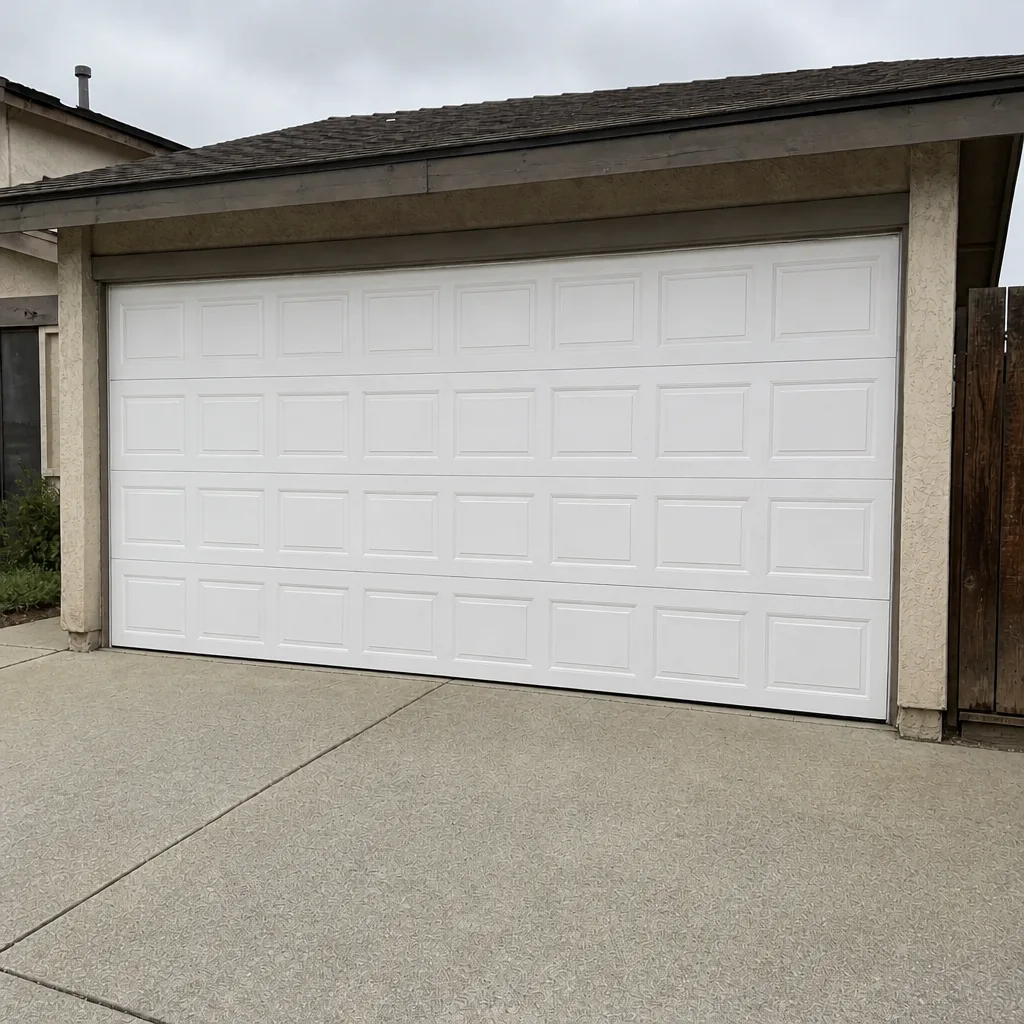
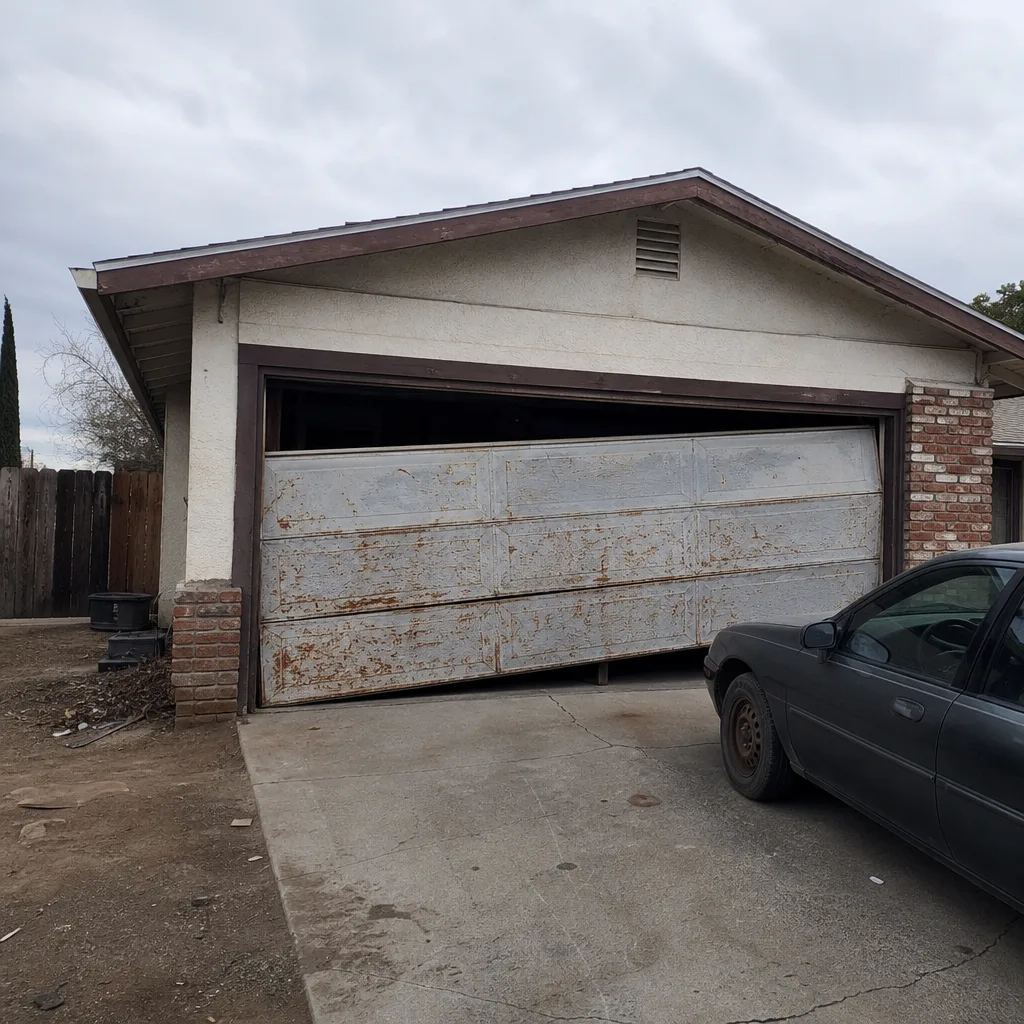
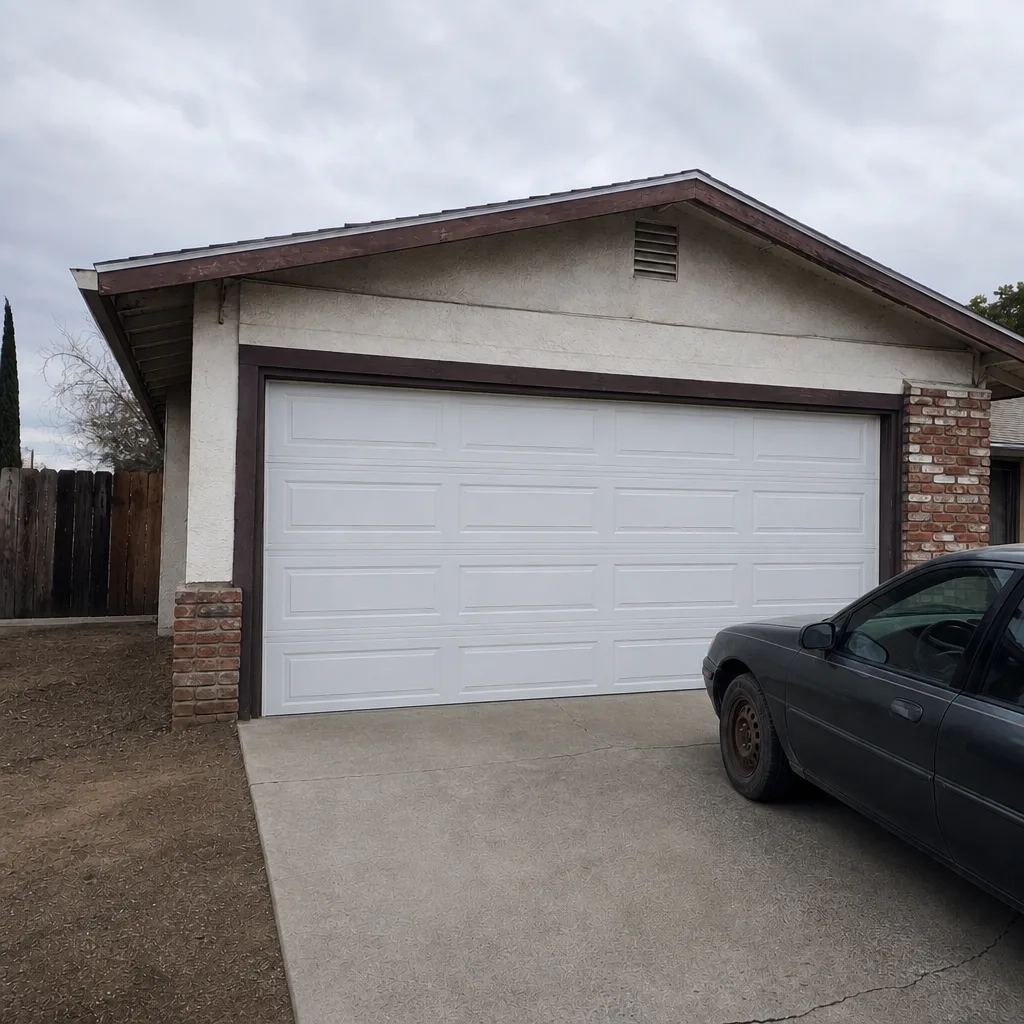
See the difference
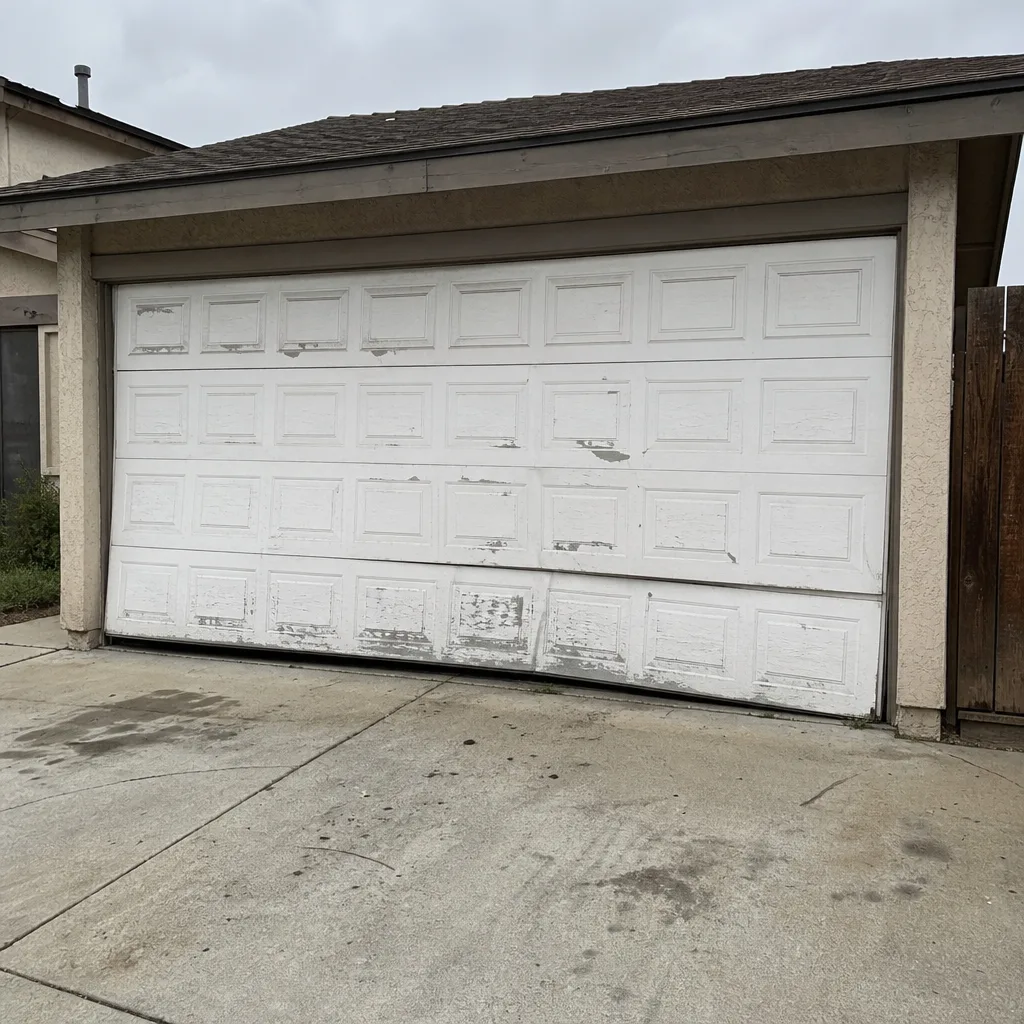 Before
 After
 Before
 After
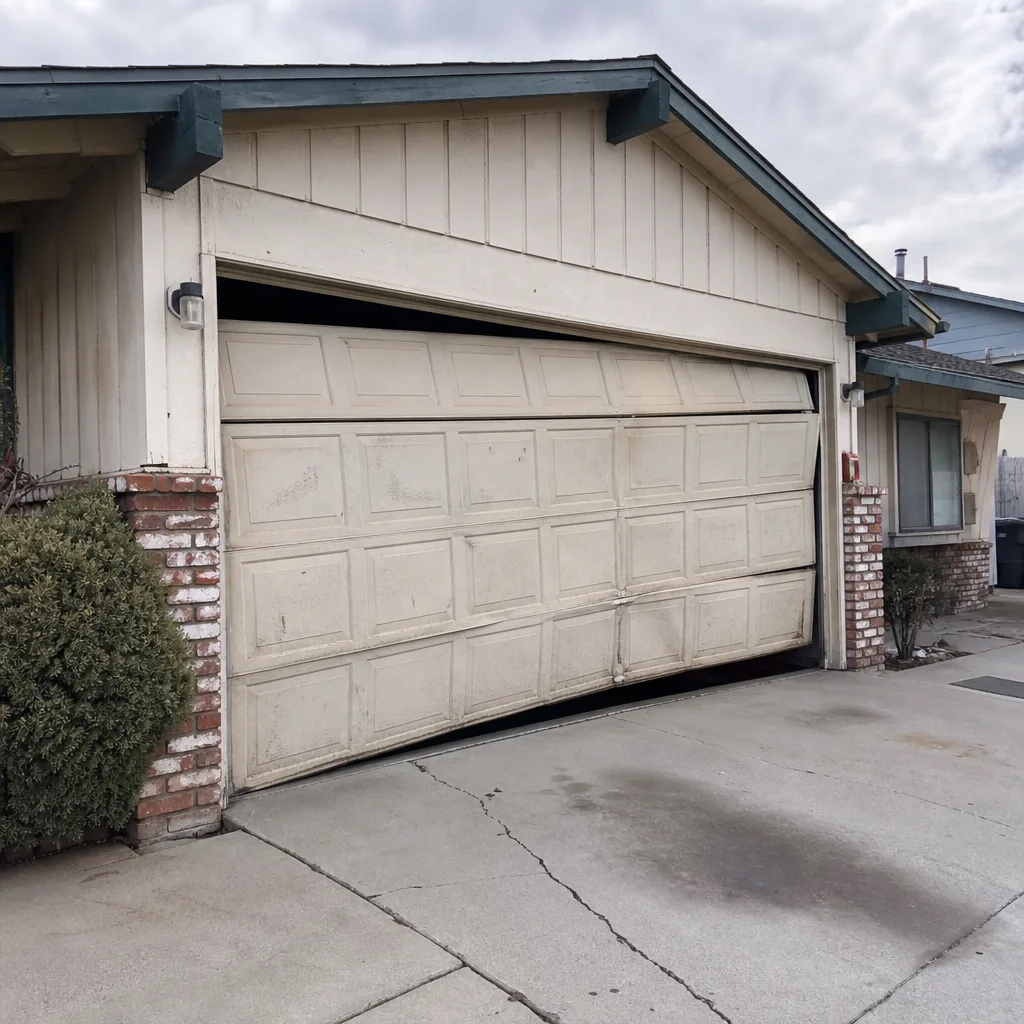 Before
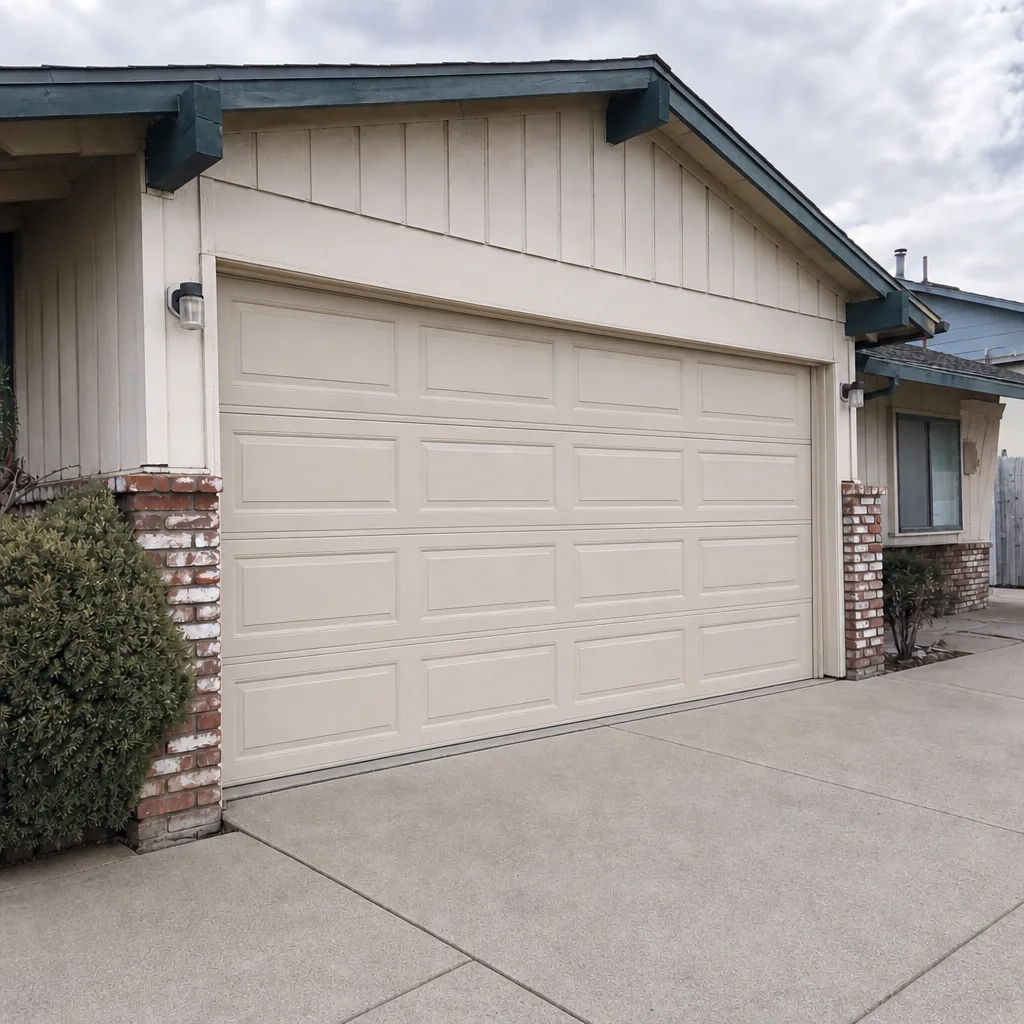 After
When to Call a Professional
Some jobs are handy-work and some aren’t. Call us if the door is heavy to lift, if you hear a bang from the garage and the door won’t open, if a cable looks frayed or loose, if the door drifts or slams during the balance test, or if the opener has started reversing for no reason. Those are the symptoms that can lead to a car trapped inside or, worse, an injury. Spring tension and cable work is trained-professional territory, full stop.
Otto’s Garage Door Spring Valley offers free estimates in Spring Valley – call (888) 318-1978. A live person answers, quotes the job on that call, and holds the number when we arrive.
Frequently Asked Questions
Once a year professionally, plus a balance check and a visual inspection every six months, is the right cadence here. The heat and dust accelerate wear faster than the national-average service schedules most guides recommend, so a yearly professional visit catches spring and opener problems before they strand you.
Because the cycle rating on the box assumes moderate temperatures and your garage runs much hotter. Sustained heat fatigues the steel faster, so a Spring Valley spring can fail years before its rated cycle count. It’s not a bad spring; it’s a hot climate. Call (888) 318-1978 for a free estimate on replacements.
Replacing a garage door is typically permitted work in unincorporated Clark County, and many HOAs also require approval on color and style. Check which jurisdiction your address falls in and read your HOA rules before you buy, because a missing permit or an unapproved door can surface during a sale.
It’s worth it if your garage runs very hot: a west-facing door, an unventilated attic above, or an opener that has already failed in summer heat. For most homes, a good name-brand belt-drive or chain drive works fine once the door itself is balanced and not straining the motor.
For repairs and emergencies, same-day is often possible, and a live person answers around the clock when a spring lets go at night. New door installations are measured, ordered, and scheduled rather than same-day. Call (888) 318-1978 for a free estimate and a straight answer on timing.
No. We quote the job on the phone and hold that number at the door. If we find something the quote didn’t cover, we tell you before any work starts, and nothing gets added to the invoice you didn’t agree to first. Estimates are free.
The Bottom Line
A garage door in Spring Valley lives in a tougher climate than the manuals assume, and the decisions that matter here are heat-rated springs, the right door material, a properly sized opener, and a twice-a-year look at the balance and the cables. Handle the permit and HOA paperwork before you sell. Keep the door lubricated with something that survives the summer. Do those things and a door runs a decade or more; skip them and you’ll be replacing springs years early. When it’s time, start with Otto’s Garage Door Spring Valley home and we’ll take it from there.
Ready to get your garage door sorted? Call Otto’s Garage Door Spring Valley at (888) 318-1978 for a free estimate. A live person answers, the price is quoted and agreed before any work starts, and every job carries the 90-Day Done Right Promise in writing.
Written by the team at Otto’s Garage Door Spring Valley.