
Last updated November 18, 2026
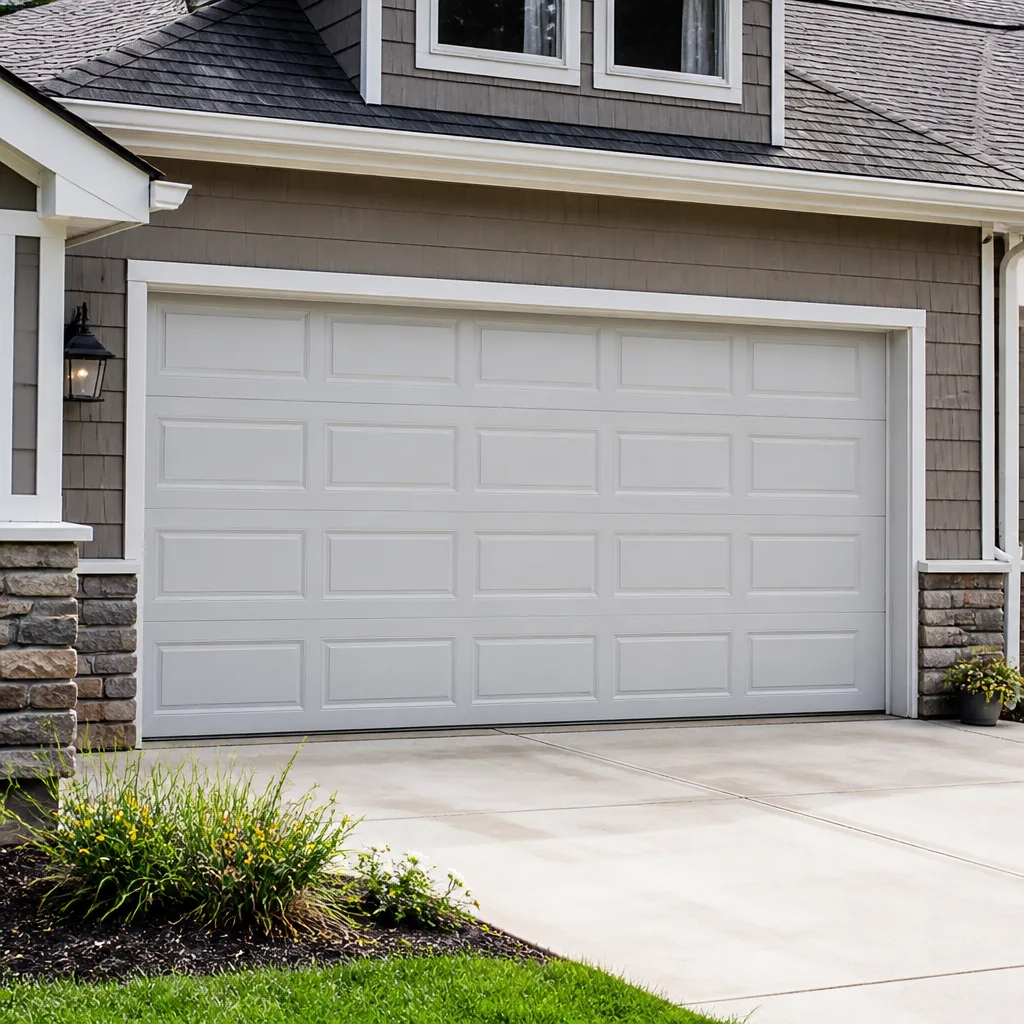 Raised-panel steel
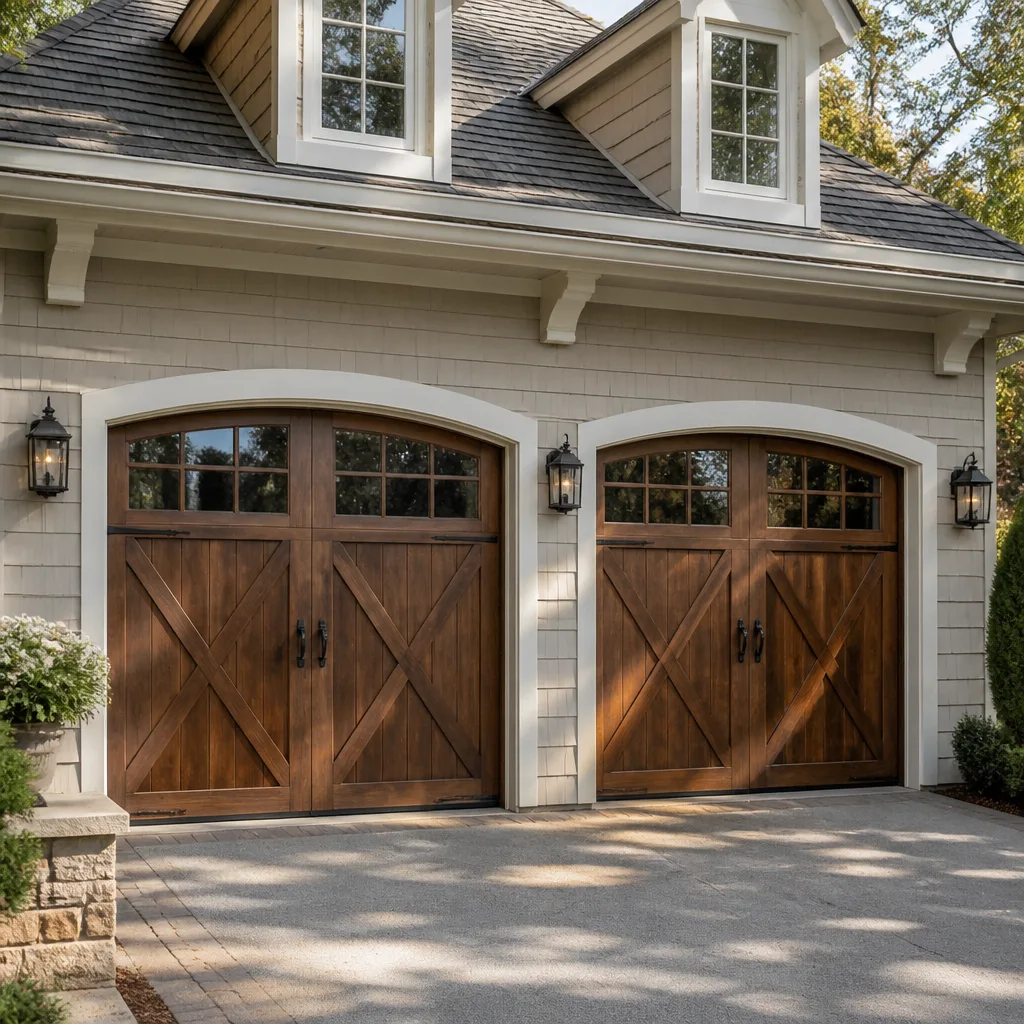 Carriage house
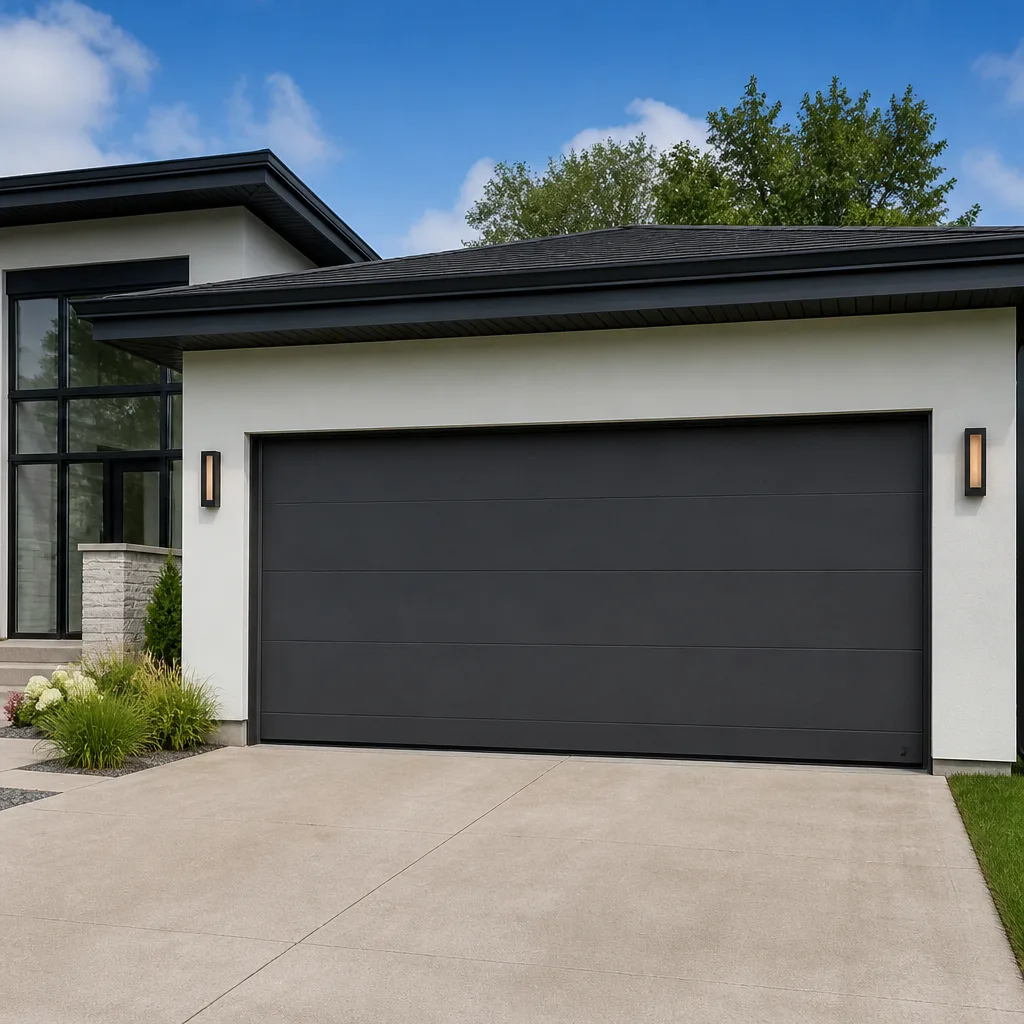 Modern flush
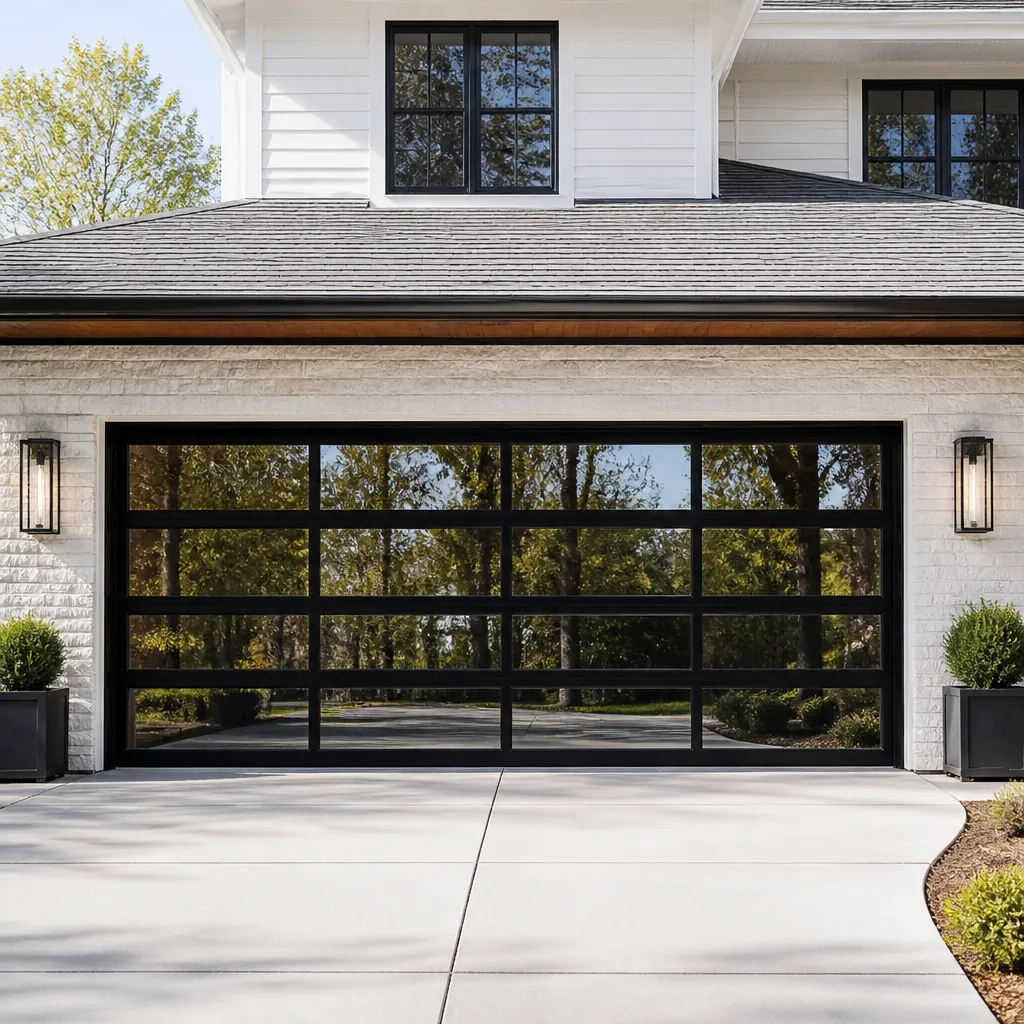 Full-view glass
 LiftMaster openers
 Chamberlain openers
Full 25-point door and opener safety check with every visit - springs, cables, rollers, tracks, and your LiftMaster or Chamberlain opener included
You get a price before we start. It does not change when the pro arrives.
Get your free estimateGarage Door Opener Repair & Installation Warning Signs Every Homeowner Should Know
The opener that dies at 7am on a Tuesday almost never dies without warning. It made a sound about three weeks earlier, and the homeowner figured that was just how it always sounded. After enough Spring Valley service calls, you start to hear the pattern: grinding means the trolley is wearing, that chirp on engage points to the sprocket, a hum with no movement is usually a failing capacitor. Ask anyone on your street. This guide covers the five sounds, the quiet warning signs that aren’t sounds at all, and how to tell a fix-it-this-week problem from a call-us-tonight one.
Quick Answer
A garage door opener gives you warning for weeks before it quits. The loudest ones are grinding, chattering, humming without movement, and a high squeal. The quiet ones matter just as much: a door that reverses on its own in summer heat, slower travel on cold mornings, a remote that works from one spot but not another, and intermittent failures caused by spider webs on the photo eye. Fix the cheap symptoms early and you avoid most emergency calls.
Styles & brands we work with
- Raised-panel steel
- Carriage house
- Modern flush
- Full-view glass
- LiftMaster openers
- Chamberlain openers
Table of Contents
- The Five Sounds That Mean Something Specific
- Behavioral Warning Signs That Aren’t Sounds
- The Photo Eye Warning Sign Nobody Talks About
- Safety Issue vs. Convenience Issue
- The “It’s Getting Old” Fallacy
- A Five-Minute Hearing Test for Your Opener
- Repair or Replace: How to Decide
- Common Mistakes to Avoid
The Five Sounds That Mean Something Specific
An opener is a mechanical machine with a handful of wear parts. Each one fails in a specific way and makes a specific noise. Learn the five, and you can tell the person on the phone what’s happening before they knock on the door.
- Grinding. A rough, gravelly rumble as the door travels. Most often the trolley carriage wearing against the rail, or a rail that’s lost its lubrication. Left alone, the trolley can seize mid-travel and strand the door half open.
- Chattering on engage. A rapid clatter right when you press the button, then the door moves. That’s usually the drive sprocket or gear starting to lose teeth. It works today. It won’t for long.
- Humming without movement. The motor runs, the door doesn’t. Two things cause this most: a failing start capacitor, or something physically blocking the door. Check the obvious first, then call.
- Clicking without engagement. A relay click with nothing after it points at the logic board or the wall control. On Chamberlain and Genie units, this is one of the most misdiagnosed symptoms, and sometimes it’s a loose wire, not a dead board.
- The high squeal. A sharp metallic whine is the sound of a drive gear about to strip. Once it strips, the opener runs but drives nothing. That’s a “call before it quits” sound, not an emergency.
Here in Spring Valley, the dry air and heavy summer dust wear out rail lubricant faster than in wetter climates. We hear grinding complaints most in July and August, right when the heat and grit are worst on the moving parts.
Behavioral Warning Signs That Aren’t Sounds
Not every warning sign is audible. Some of the most useful ones show up in how the door behaves.
The remote that works from one spot but not another
If your remote works from the driveway but fails from inside the house, the problem is usually signal, not a dead remote. Interference from LED bulbs, a metal-clad wall, or a neighbor’s device on a similar frequency can all affect it. A fresh battery and a small antenna adjustment sometimes solve it.
The door that reverses without obstruction in summer heat
This is a big one, and it’s specific to our climate. In Spring Valley, attic and garage temperatures push past 120°F regularly. When a unit’s internal thermal protection kicks in, it can reverse or refuse to close with nothing in the way. If you notice this only in June through September, thermal shutdown is a likely culprit, not a bad sensor.
Slower travel on cold mornings
A door that crawls on a 40°F morning but runs normal by noon is telling you something. Cold grease thickens, and a worn gear or weak capacitor struggles harder. This is the cheapest moment to call, before the strain turns into a stripped gear.
The door that won’t close all the way, then does
A door that hits the same spot on the floor and reverses is often an out-of-adjustment travel limit. That’s a five-minute adjustment if it’s the limit, and a safety issue if it isn’t.
The Photo Eye Warning Sign Nobody Talks About
Here’s the pattern we see more than any other: the opener works fine every day, then fails once or twice a week with no obvious cause. The homeowner dreads it. The house is a mess, and no one can find a reason.
The culprit is almost always the photo eye, the two small sensors near the floor on either side of the door. Spiders love them. So does dust, pollen, and the fine grit Spring Valley winds kick up. A web spun across one lens blocks the beam for a split second, and the door stops or reverses. The next day, the web is gone and the door works. That’s not a failing logic board. That’s a ten-minute cleaning.
Before you call anyone, walk out and look at both eyes. Wipe the lenses with a soft cloth. Check that the small LED on each one is solid, not blinking. If you want to be thorough, run a finger along the lens edge where dust collects. If the intermittent failures stop, you saved yourself a diagnostic fee. If they continue, that’s a real signal.
Safety Issue vs. Convenience Issue
Not every symptom is urgent. Some are annoying. Some are serious. Here’s how we sort them.
Convenience issues (call this week, not tonight): a squealing opener that still runs, a slower door on cold mornings, one remote that works less reliably than the other, or a light that’s stopped working. None of these will hurt anyone. All of them get more expensive if you wait.
Safety issues (fix today): a door that reverses inconsistently, a door that won’t reverse at all when something is under it, a door that comes down hard, or any door that has come off a track. A door is 200 pounds riding on two springs and an opener mechanism. Respect it. If the safety reverse doesn’t work, do not use the door until someone has looked at it.
Test the reverse on any door: lay a 2×4 flat under the door, close it, and see whether the door reverses on contact. It should. If it doesn’t, stop using the door and call a professional. For a full breakdown of what’s involved in a typical repair, see our Garage Door Repair in Spring Valley page.
The “It’s Getting Old” Fallacy
Age alone tells you almost nothing about when an opener will fail. We’ve opened units that were twenty years old and running clean, and we’ve replaced units three years old that were cooked by heat and neglect. What matters is age combined with symptoms.
The honest rule of thumb: age plus any two of the symptoms on this page together usually means you’re about 60 days out from a full stop. Not a guarantee, but a strong pattern. That’s the moment to have the conversation with yourself. Do you want to spend the money on the planned replacement, or do you want the 7am emergency where the car is trapped and you’re calling whoever answers?
If your opener is more than fifteen years old and you’re noticing any of the button problems on this page, the math starts favoring a new unit. A fresh opener with a battery backup and modern safety sensors runs less than an emergency repair at the worst possible hour, and you get to pick the day. For our current opener installation services, see Garage Door Opener Repair & Installation in Spring Valley.
A Five-Minute Hearing Test for Your Opener
Do this once a year, and once anytime you notice something off. It’s the single best five minutes you can spend on your garage door.
- Press the button and just listen. Don’t watch. Don’t multitask. Listen to the whole cycle. Anything grinding, chattering, squealing, or clicking that you don’t remember from last year goes on the list.
- Watch the door travel. Does it move at a steady pace? Does it hesitate? Does it reverse or stop before it should?
- Test the safety reverse. Lay a 2×4 flat under the closing door. The door should reverse immediately on contact. If it doesn’t, stop using the door.
- Wipe both photo eyes. Also check that the small LEDs on them are solid, not blinking.
- Try each remote from the same spot. You’re checking whether they behave the same. If one works reliably and the other doesn’t, the problem is likely the remote or its battery, not the opener.
If the door fails any of steps two through four, that’s a call-us-now. If it passes but you heard something new in step one, that’s a call-this-week.
Repair or Replace: How to Decide
When you’re facing a repair, three questions sort it out.
- Is the repair a small part? A capacitor, a photo eye, a remote battery, a travel limit adjustment. Repair is the obvious call.
- Is the repair a major mechanism on a newer unit? A logic board or drive gear on an opener under twelve years old is worth fixing. On a unit past fifteen, weigh the repair against a new install.
- Are you also seeing spring symptoms? Springs wear in cycles. If your door is getting heavy on one side or making a sharp “bang” when it opens, that’s a spring issue, not an opener issue. A door is 200 pounds riding on two springs, and spring work is a dangerous job best left to a pro. Our team’s page at Otto’s Garage Door Spring Valley home walks through what a spring call typically involves. We count spring cycles the way you count tire miles: we’ll tell you what’s left on yours.
Brand matters less than wear pattern, but some units age better than others. Chamberlain and Genie openers tend to hold up well past a decade with consistent maintenance, while older LiftMaster units often outlast their gear with a simple lubrication schedule. If you’re thinking about a new door to go with an opener, our Garage Door Installation in Spring Valley page covers the measure-and-order side of that work.
Common Mistakes to Avoid
- Ignoring a new sound because “it’s always done that.” It hasn’t. Your ear adjusts. The opener is trying to tell you something.
- Spraying WD-40 on the rails. It’s a solvent, not a lubricant. It strips the good grease off and makes the wear worse. Use a proper garage door lubricant.
- Replacing the whole opener when the photo eye is the problem. Intermittent failures with a spider web on the lens are not a logic-board failure. Wipe the eyes first.
- Assuming an old opener is about to die. Age alone doesn’t predict failure. One symptom alone rarely does either. Age plus two symptoms together is the real signal.
- Adjusting travel limits without testing the safety reverse after. Any adjustment to travel should be followed by a safety reverse test. Skip the test and you’ve made the door less safe.
- Calling a national number and getting a phone quote that changes at the door. That’s the single most common complaint we hear from Spring Valley homeowners. The number on the phone should be the number on the invoice, and it should be quoted before the work starts.
- Waiting until the 7am failure. The emergency call costs more and traps your car. The planned repair is cheaper and happens on your schedule.
See the difference
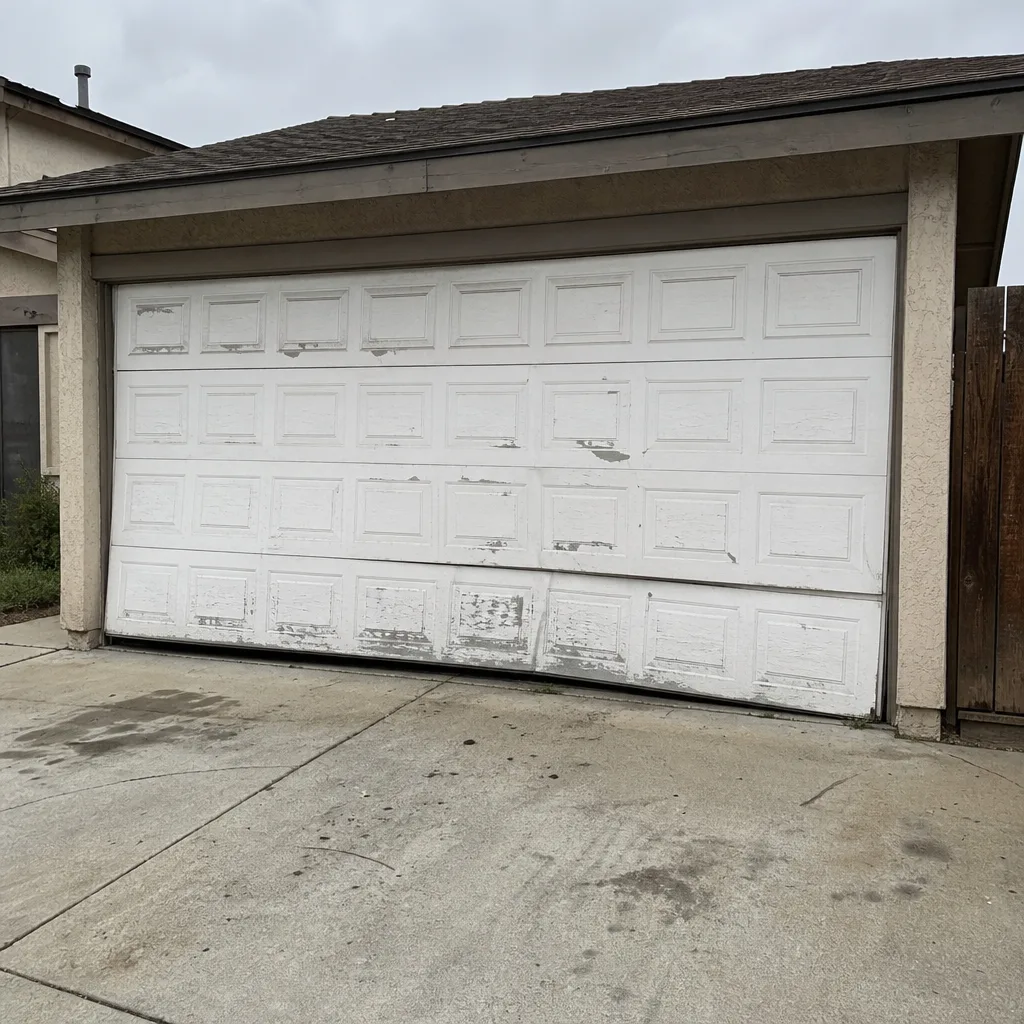 Before
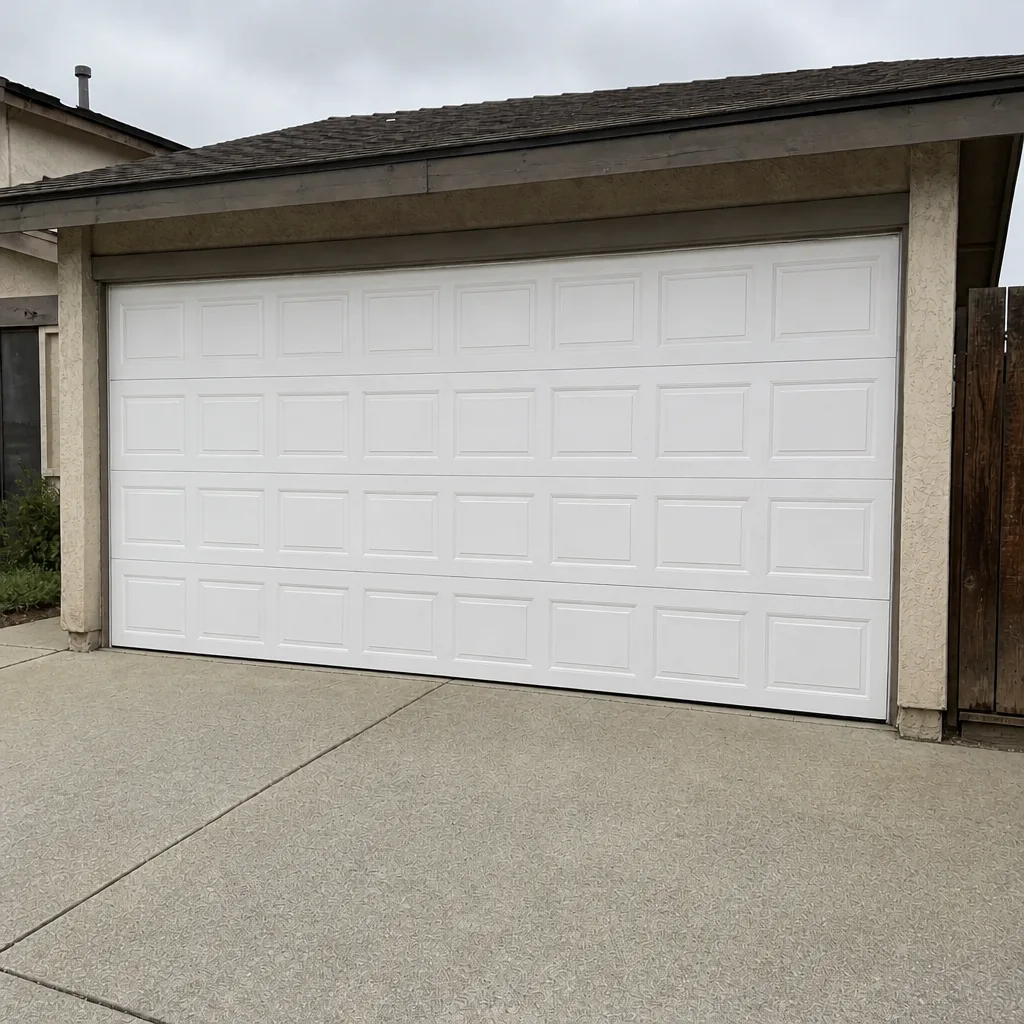 After
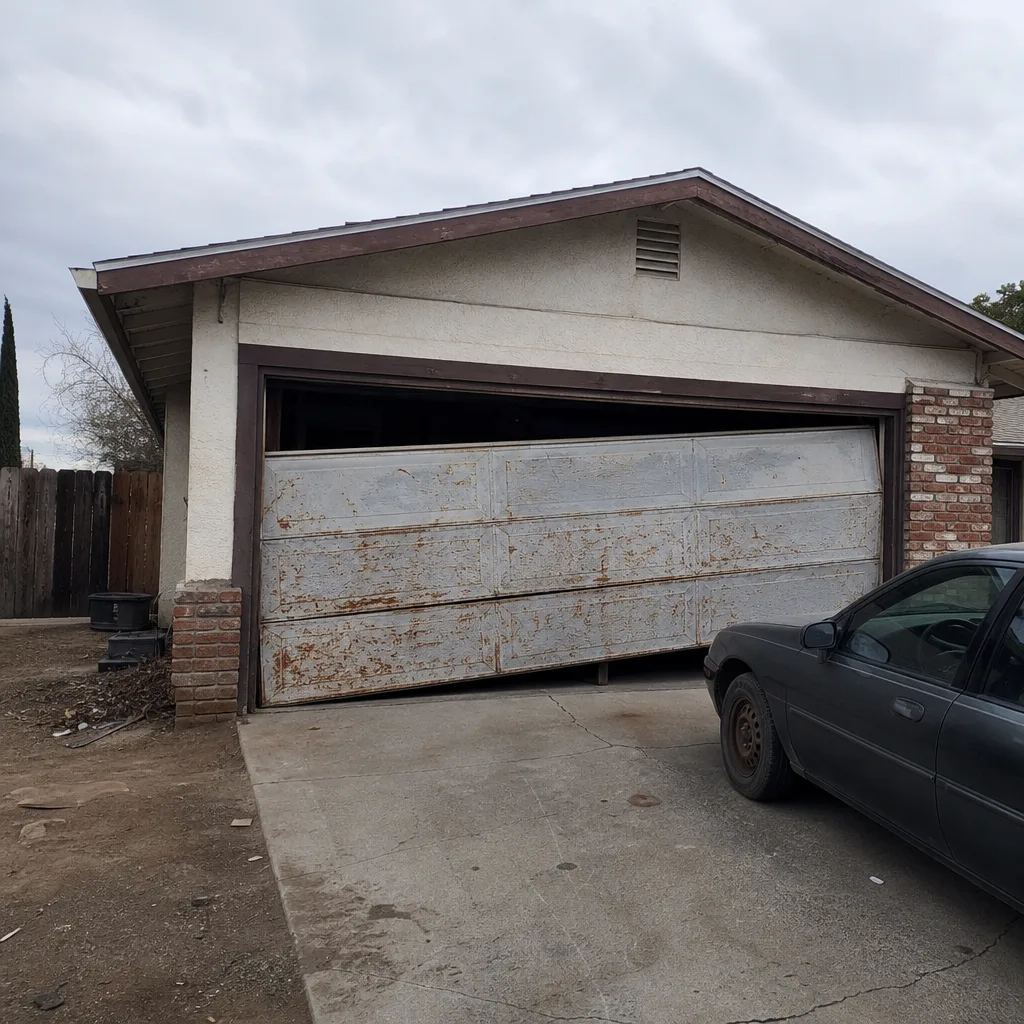 Before
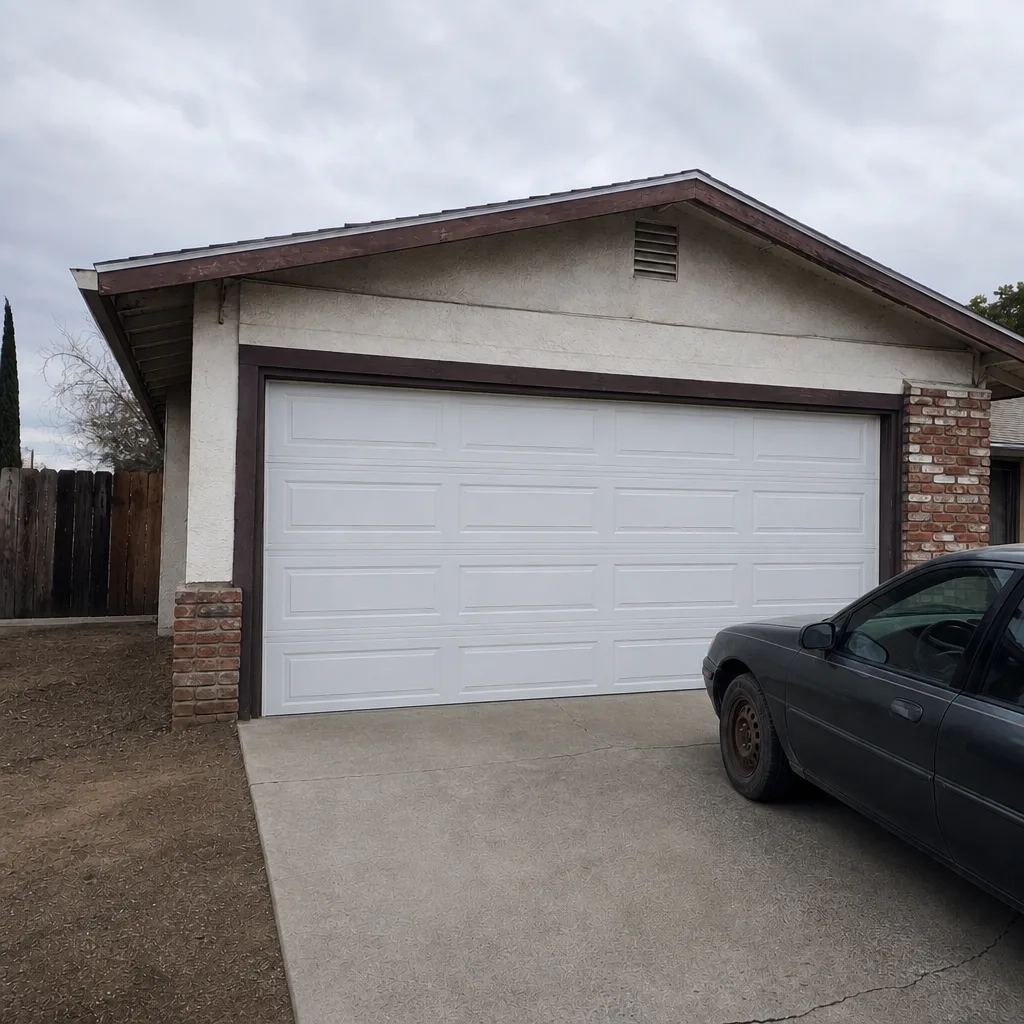 After
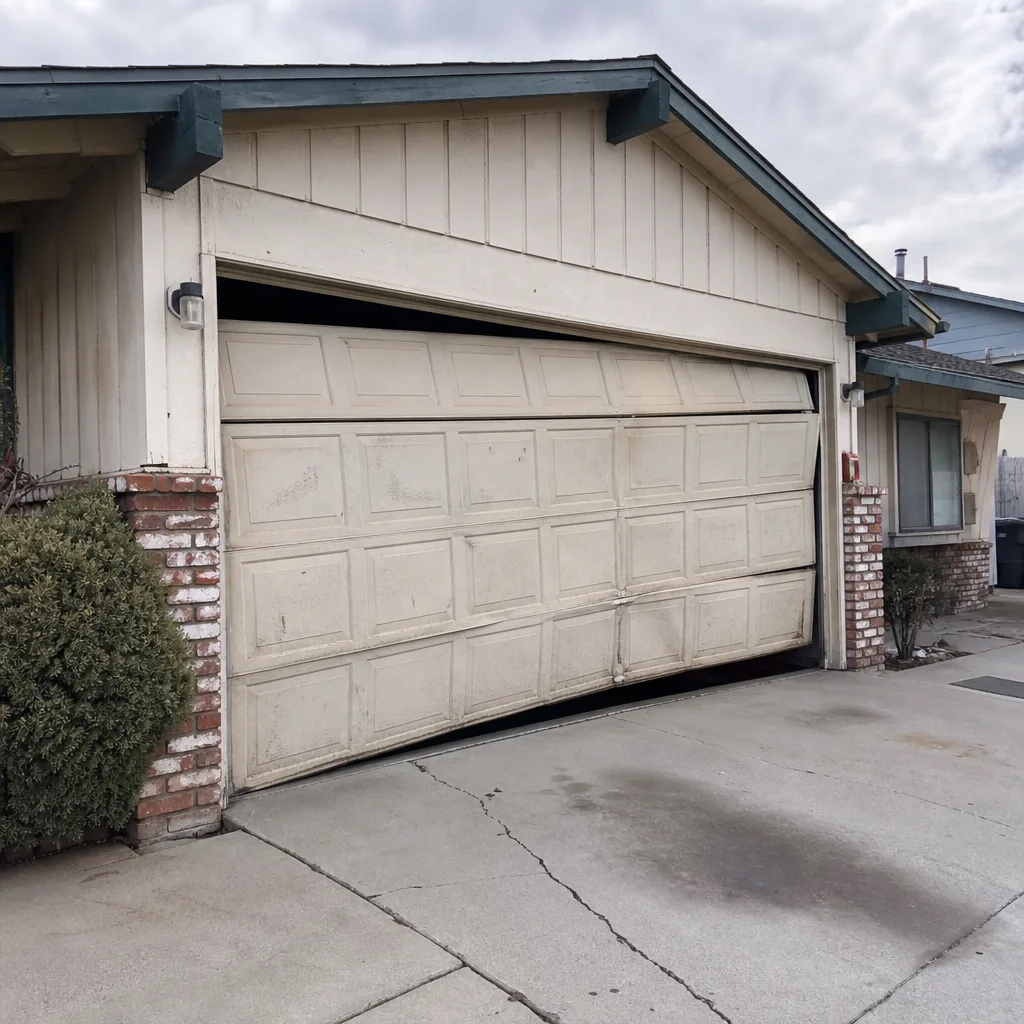 Before
 After
When to Call a Professional
Call right away if the door reverses inconsistently or won’t reverse at all, if a spring has snapped, if the door has come off its track, or if the opener hums but doesn’t work the door. For the rest, a planned visit beats an emergency every time. We’ve been in this county since 2004, and in that time we’ve seen every brand and every failure mode, from Chamberlain logic boards to Genie drive gears to Clopay and Amarr door weight issues.
Our technicians have up to 22 years of experience, are background-checked, and we quote the price before the visit and hold the number at the door. If you’re seeing any two of the symptoms on this page, call (888) 318-1978 and we’ll talk it through. Free estimates in Spring Valley, and a live person answers around the clock, including nine at night when a spring lets go and your vehicle is sealed inside. If you’ve already got a written estimate from someone else, we’ll offer a free second opinion, and we don’t charge a trip fee inside our county.
Frequently Asked Questions
The five most reliable early signs are grinding during travel, chattering when the door engages, humming without movement, clicking without engagement, and a high-pitched squeal on the drive gear. Any one of them is worth a call. Two together usually means you’re within about 60 days of a full failure.
Intermittent failures in our area are most often spider webs or dust blocking the photo eye, not a failing opener. Wipe both lenses, check the small LEDs are solid, and see if the failures stop. If they continue after two cleanings, that’s worth a real diagnostic.
For safety issues like a door that won’t auto-reverse or has come off its track, we answer the phone around the clock and we’ll get someone out as fast as we can. For warning signs that aren’t urgent, a scheduled visit is usually the smarter call. Call (888) 318-1978 and we’ll tell you honestly which one you’re looking at.
No. We quote the number on the phone and we hold that number when we get there. If the diagnosis turns up more than we expected, we’ll tell you before doing any additional work and you get to decide. Nothing gets done that hasn’t been quoted and agreed first.
Yes. We’re locally owned and owner-operated, and our team is background-checked, insured, and trained across all the major brands. Every job comes with our 90-Day Done Right Promise in writing on the invoice.
At 15 years with one warning symptom, a repair often keeps you going for another few years. At 15 years with two or more of the symptoms on this page, the math usually favors replacement, because the next failure is likely to be an emergency. Call (888) 318-1978 and we’ll give you the honest version either way.
The Bottom Line
Your opener almost never quits without warning. It makes a sound, changes its timing, or fails once a week for a reason. The five sounds (grinding, chattering, humming, clicking, squealing) tell you which wear part is going. The quiet signs (thermal shutdown in summer heat, slow travel on cold mornings, intermittent photo eye failures) tell you when something else is up. A symptom alone is often cheap to fix. Two or more together usually means you’re weeks out from the emergency call. Read the signs, do the five-minute hearing test once a year, and call when something sounds different. It beats staring at a dead door at 7am.
If anything you read here matches what your opener is doing, call us at (888) 318-1978 for a free estimate. We’ll tell you what it is and what it costs before we ever knock on your door. Prefer to reach out online? Start with our Otto’s Garage Door Spring Valley home page or our Garage Door Opener Repair & Installation in Spring Valley page, and we’ll follow up the same day.
Written by the team at Otto’s Garage Door Spring Valley.