
Last updated November 18, 2026
 Raised-panel steel
 Carriage house
 Modern flush
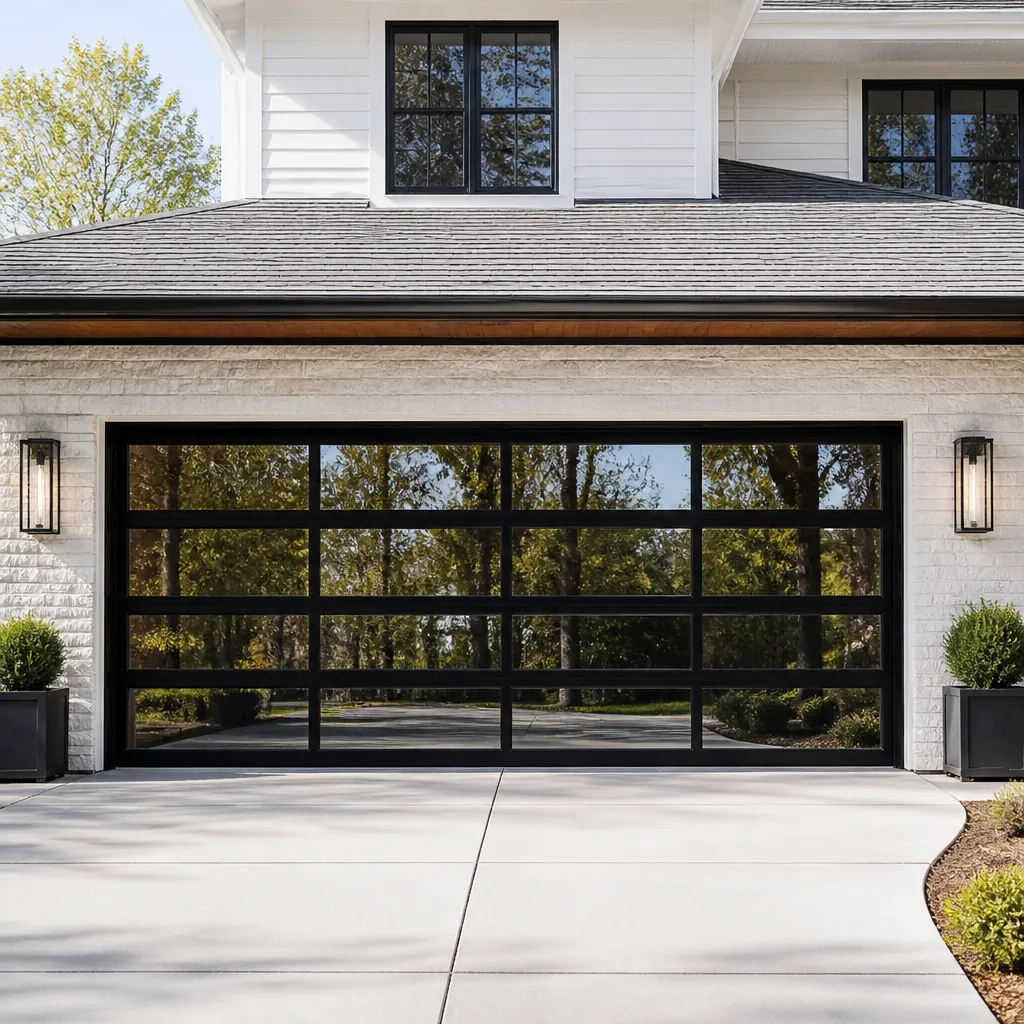 Full-view glass
 LiftMaster openers
 Chamberlain openers
Full 25-point door and opener safety check with every visit - springs, cables, rollers, tracks, and your LiftMaster or Chamberlain opener included
You get a price before we start. It does not change when the pro arrives.
Get your free estimateEmergency Garage Door Warning Signs Every Homeowner Should Know
A spring doesn’t just snap out of nowhere. It makes a specific sound about two days before it goes – a sharp little pop you’ll hear once and never forget – and nobody tells you what to listen for until after the spring has already broken. We’ve walked into hundreds of Spring Valley garages where the door was down and the truck was trapped, and almost every one of those calls started with a warning that got ignored. This guide is about those warnings. What to listen for, what to look at, and how to know in about sixty seconds whether you’re calling now, scheduling tomorrow, or safe to watch for one more week.
Quick Answer
The main emergency warning signs on a garage door are a loud pop followed by the door not lifting, a door that won’t stay up more than a few inches, frayed or slack cables hanging off the drum, and an opener that strains or reverses on its own. If you see a snapped spring, a dangling cable, or a door that drops when you let go, stop using it and call a professional the same day. A garage door is 200 pounds riding on two springs, and the warning almost always comes 48 to 72 hours before it fails.
Styles & brands we work with
- Raised-panel steel
- Carriage house
- Modern flush
- Full-view glass
- LiftMaster openers
- Chamberlain openers
Table of Contents
- The Sound a Door Makes Before It Fails
- Spring Warnings: What a Dying Spring Looks and Sounds Like
- Cable Warnings: The Visual Signs That Mean Stop Now
- Opener Motor Warnings Most Homeowners Miss
- Why a Slow-Moving Door in the Morning Is More Urgent Than You Think
- The “Door Won’t Stay Up” Symptom That Becomes an Emergency Within a Week
- Self-Triage: Call Now, Schedule Tomorrow, or Watch One More Week
- Common Mistakes to Avoid
- When to Call a Professional
- Frequently Asked Questions
The Sound a Door Makes Before It Fails
Springs don’t announce themselves politely. When a torsion spring is down to its last few hundred cycles, the metal fatigues unevenly, and that fatigue shows up as sound before it shows up as a break. In our experience, homeowners describe the pre-failure sound in three ways, and they’re all the same thing happening at different stages:
- A sharp pop when you press the button or pull the release – usually the loudest of the three, and the one that means the spring is days from snapping.
- A metallic twang that rings for a second after the door moves, almost like a guitar string being plucked and then muted.
- A grinding or groaning that sounds like the door is dragging on something – often the torsion tube taking load the spring was supposed to carry.
Here in Spring Valley, the sound gets worse in the late fall and early spring. The desert swing between hot afternoons and cold nights works a steel spring through expansion and contraction twice a day, and a spring already at the end of its cycle count will often go in the first cold snap after a hard summer. We get a run of these calls every November, and they all sound the same on the phone: “It made a bang last night and now the door won’t come up.” That bang was the warning. The door refusing to lift is the emergency.
What to listen for when you’re not sure: run the door once while standing inside the garage, and listen only to the door. If you hear anything apart from the smooth hum of the opener and the soft rumble of the rollers, that sound is your warning. Cables give a different warning than springs – a snapping or slapping sound, sometimes a high-pitched whine – and we cover that further down.
Spring Warnings: What a Dying Spring Looks and Sounds Like
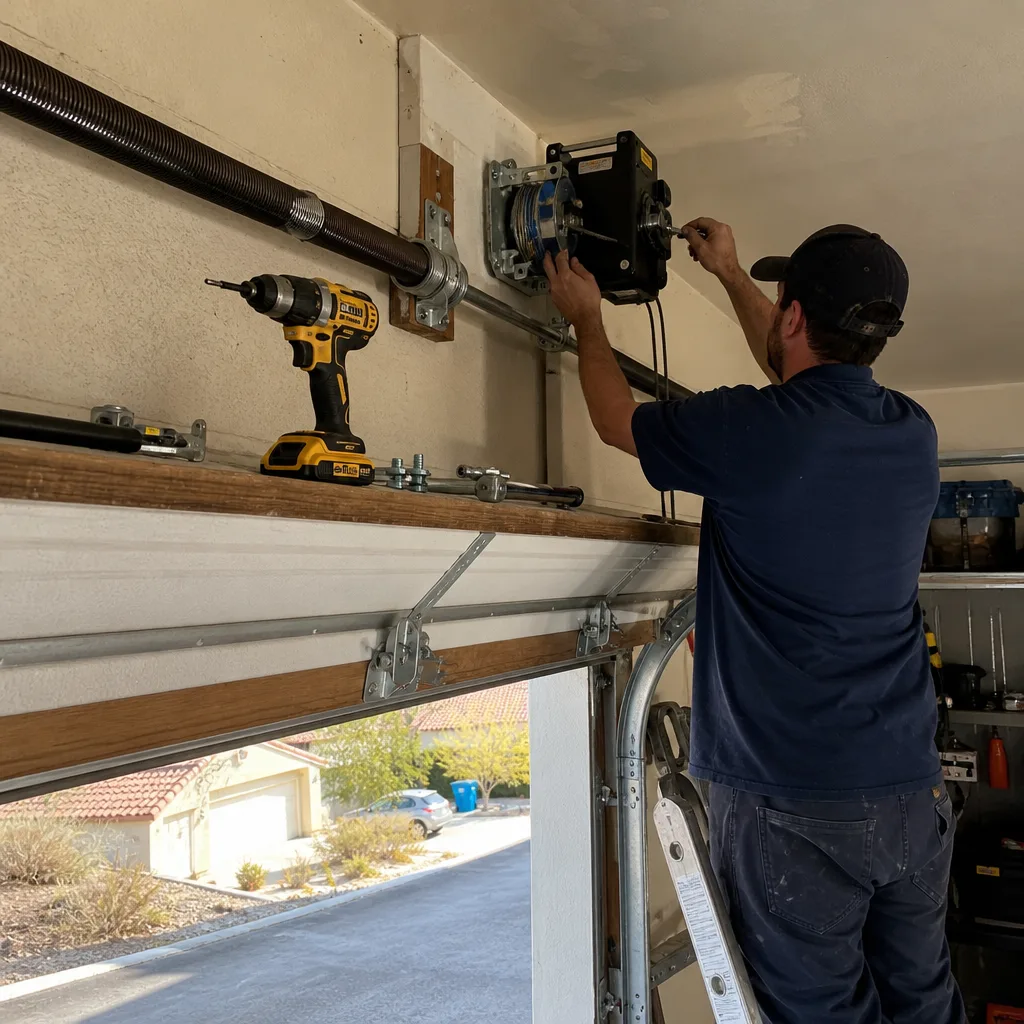
A torsion spring sits on a steel shaft above the door, wound tight and holding most of the door’s weight. When it fails, that weight drops all at once – which is why we tell every homeowner the same thing: this is not a part you check for fun. The spring is under tension every minute of every day, and the wrong move can take a finger or worse. Here’s what to look at from a safe distance with the door closed and the opener unplugged:
- A visible gap in the coil – one clean break, usually about an inch wide, in the middle of the spring. That’s a snapped spring and the door is unsafe to operate.
- Rust streaks or a red-brown powder on the coils. A spring that’s shedding rust is a spring that’s already losing strength. In Spring Valley’s dry air, rust shows up slower than in humid climates, so when you see it, it’s been happening a while.
- An uneven gap between coils on one side versus the other. Two springs should look like twins. If one is tighter than the other, the looser one is carrying more load and will go first.
- Paint flaking off the coils. A fatigued spring flexes differently, and the paint cracks where the metal is being worked hardest.
If you’re on a two-spring door – common on double-width doors with Clopay or Amarr panels – we always replace both when one goes. The second spring has taken the same number of cycles as the first, and the odds it’s more than a few weeks behind are small. Replacing one and leaving the other is how you end up calling at midnight again.
For a deeper look at how springs and the rest of the system are handled on a service call, see our Garage Door Repair in Spring Valley page. The short version: we count spring cycles the way you count tire miles, and we’ll tell you what’s left on yours.
Cable Warnings: The Visual Signs That Mean Stop Now
Cables and springs fail differently. A spring usually pops and drops the door. A cable frays first, and the fray is visible if you know where to look. The cables run from the bottom corners of the door, up the sides, and around a drum at each end of the torsion shaft. Here’s the checklist we use on arrival:
- Look at the cables where they meet the bottom bracket. That’s the highest-stress point. Any bird-caging, fraying, or tiny snapped strands mean the cable is in its final cycles.
- Check the drums at the top. The cable should be wound in neat, even wraps. If it’s overlapping itself or looks slack, the cable is either failing or has already jumped a groove.
- Look for a cable hanging loose off one side. That’s an emergency – the door is now supported unevenly, and if it’s up, it can drop.
- Listen for a snapping or slapping sound during the last few inches of travel on the way down. That’s a cable slapping against the drum where it’s starting to spit loose.
If any of those check out as bad, stop using the door – and specifically, stop using the manual release. Homeowners often pull the red handle thinking they’ll “just lift it a few times” until we can get there. With a failing cable or a broken spring, that’s exactly the move that drops a 200-pound door on someone. Leave the door closed, leave it alone, and call.
Cables are also one of the cheaper fixes you’ll do on a garage door, so the cost of waiting is never worth it. Our Otto’s Garage Door Spring Valley home page has the numbers laid out if you want to see what a typical cable and spring repair runs in this area before you pick up the phone.
Opener Motor Warnings Most Homeowners Miss
Here’s a line we say on almost every call: if the opener is straining, the problem is almost never the opener. The motor runs against the weight of the door, and when the door gets heavy because a spring has lost tension, the opener works harder to compensate. It’s straining because it’s doing a job it wasn’t built for. The warning signs to watch for:
- The opener reverses right after touching the floor or the header. On a LiftMaster or a Genie, this is usually the safety reverse doing its job – but if it starts happening out of nowhere on a door that worked fine last week, it’s often the extra load from a de-tensioning spring.
- A humming motor with no door movement. That’s a stripped gear or a failing capacitor. It’s not dangerous the way a broken spring is, but it will strand your car.
- Random light flickering or the opener losing its limit settings – the door stops halfway up, then halfway down, then doesn’t reach either. This is a logic board or limit switch going soft, and it gets worse fast.
- The motor gets hot enough to trip its internal overload after one or two cycles. That’s the opener telling you it can’t keep up.
If your opener is a Craftsman unit from the early 2000s, its warning is often just the wall button not responding on the first press. The circuit board is on its way out, and it will leave you locked in one morning. Our Garage Door Opener Repair & Installation in Spring Valley page covers the models we see most often in this area. Our technicians have up to 22 years of experience across all major brands, including LiftMaster, Chamberlain, Genie, Wayne Dalton, and Raynor.
Why a Slow-Moving Door in the Morning Is More Urgent Than You Think
A door that moves slow in the morning and normal by noon is not a quirk. It’s a warning, and it’s more urgent than most homeowners realize. There are two places the slowdown comes from, and both get worse:
- The spring is losing tension. Cold metal is stiffer metal, and a spring at the end of its cycle count can’t lift the same weight it did in July. As it warms through the day, the spring loosens up and the door speeds up. That’s not the spring “recovering” – it’s the spring telling you how little margin it has left.
- The rollers or hinges have dried out. In Spring Valley’s dry air, lubrication evaporates faster than in most climates. Rollers that run dry add drag to the whole system, which the opener has to fight, which shortens the opener’s life.
Here’s the test: stand in the garage and cycle the door once in the morning before it warms up. Count how many seconds it takes to reach the top. Then do it again at the warmest part of the afternoon. If the door is more than two seconds slower in the morning, you have a spring going soft. If the difference is small and steady across the day, you likely just need service – a lube and roller check.
The mornings matter here because they’re the closest thing Spring Valley has to a “cold” season. A high-desert morning will run twenty degrees below the afternoon, and that’s the spread that shows you a weakened spring. Slow in the morning, tight in the afternoon: schedule it this week. Slow all day, every day, and getting worse: that’s a call today.
The “Door Won’t Stay Up” Symptom That Becomes an Emergency Within a Week
We hear this one a lot and it almost always gets ignored: a door you lift by hand that won’t stay up more than a few inches without rolling back down. Homeowners treat it as a small annoyance and prop it with a two-by-four. Don’t. Here’s why it’s a one-week emergency, not a mild inconvenience.
When the door won’t stay up, that means the spring has lost enough tension that it can no longer balance the door’s weight against gravity. The full weight is now sitting on the cables, brackets, and the opener when the door is running – and one spring under-tension puts a full load on its twin. It’s a matter of time – often a matter of days – before the second spring goes, or a cable gives up under the load it wasn’t designed to carry, or the opener’s gearset strips out because it’s been doing all the lifting.
If the door won’t stay up, treat it as a broken spring. Stop using the door by hand. That means:
- Do not pick up the manual release to lift the door “just to get the car out.”
- Leave the opener disconnected from use – the motor will just work harder and fail sooner.
- Close the door fully, plug in the opener only if you need to close it to shut the door, then unplug.
- Call us or another local pro and schedule the repair.
If you’re deciding between a new door and a repair, our Garage Door Installation in Spring Valley page walks through when replacement makes more sense than a fix. On a door over fifteen years old with two springs down and a worn bottom section, sometimes a new door is cheaper than four repairs.
Self-Triage: Call Now, Schedule Tomorrow, or Watch One More Week
Sixty seconds in the garage, one honest look, and you’ll know exactly which category you’re in. Do this with the door closed and the opener unplugged.
Call now – today
- The spring is visibly snapped (a gap in the coil).
- A cable is hanging loose or frayed at the bottom bracket.
- The door won’t stay up more than a few inches.
- The door starts to drop the moment you let go of the bottom section.
- You heard a bang, and now the door won’t open at all.
Schedule tomorrow or this week
- A sharp pop or twang on every cycle, but the door still moves.
- The door is visibly slower in the morning than the afternoon.
- The opener reverses on its own when it hits the header.
- The opener hums but doesn’t move the door.
- You see rust streaks or paint flakes on the spring coils.
Watch one more week
- A single occasional squeak that goes away after a bit of use.
- Rollers or hinges that groan only in cold weather.
- Small cosmetic issues with no change to door speed, sound, or balance.
One note: none of that list is a green light to fix it yourself. What you’re checking is what’s wrong, not how to fix it. Springs and cables are the two parts of a garage door that send people to the ER, and the repair is a spring-winding job, not a homeowner job. When we’re in Spring Valley, we can usually get a tech out the same day for the “call now” list. We answer the phone around the clock, and one of us will quote the job on that call.
Common Mistakes to Avoid
- Pulling the manual release on a door with a bad spring or cable. Homeowners pull the red handle thinking they’ll “just lift it a few times until you get here.” With a failing spring, that’s the move that drops the door on someone. Leave it closed.
- Treating a slow morning door as a cold-weather quirk. In Spring Valley, a door that’s slow at 6 a.m. and normal by noon is a spring that’s three to ten days from failure. Watch it for one more week, and you’ll be calling at midnight.
- Replacing one spring on a two-spring door. Both springs have the same cycle count. The second one fails in weeks, and you pay twice.
- Blaming the opener when the door gets heavy. A straining opener is a symptom, not the problem. Swapping the opener without fixing the spring underneath is the most common wasted-budget mistake we see.
- Using a two-by-four to prop a door up. A door that won’t stay up means a spring has failed. The two-by-four will hold until it doesn’t.
- Ignoring rust on the coils. In the desert, a rusty spring has been failing for a while before you see it. It’s not cosmetic.
- Letting a national chain quote on the phone and reprice at the door. We have been in this county since 2004, and we quote the job on the call and hold that number when we show up. If you’ve been burned by a door-to-door quote before, ask any pro for a written price before they touch a screwdriver.
When to Call a Professional
Call a professional the same day if you see a snapped spring, a loose or frayed cable, a door that won’t stay up, or a door that drops on its own after you release it. Those four are dangerous, and they’re not “wait and see” repairs. Call this week if the door pops, twangs, or lumbers up slowly in the morning – that’s the 48-to-72-hour warning window, and it’s the cheapest window you’ll get. Call for a free estimate on anything else that’s bugged you for months – a groaning roller, a remote that only works from ten feet away, a sensor that runs reverse on its own. Our technicians are experienced and background-checked, our pricing is upfront and quoted before the visit, and we back every garage door job with the 90-Day Done Right Promise in writing. Otto’s Garage Door Spring Valley offers free estimates in Spring Valley – call (888) 318-1978 for a quote or to schedule a visit. You’ll get a live person, day or night.
Frequently Asked Questions
The most reliable signs are a sharp pop or twang on each cycle, a door that moves noticeably slower in the morning than the afternoon, rust streaks on the spring coils, and an opener that reverses or strains on its own. If any of those show up, schedule a repair within the week – that’s usually the window before failure. Call us for a free estimate at (888) 318-1978 if you’re not sure what you’re looking at.
It’s a single loud bang or snap, followed by silence – the door just won’t lift after that. A failing spring, meaning one that’s about to break, often makes a sharp pop or a metallic twang on each cycle for a day or two beforehand. That earlier sound is the one to listen for. Call (888) 318-1978 and quote the job before you touch anything.
No. A door with one broken spring is putting its full weight on the other spring, the cables, and the opener, and any of those can fail next. Stop using it – do not pull the manual release to lift it by hand. Call for service and hold off until someone can get there. (888) 318-1978 gets a live person any hour.
An emergency torsion spring repair in Spring Valley typically runs $180 to $340 for a single spring and $280 to $480 for both springs on a two-spring door. That range covers parts and labor and a torsion bar adjustment. We quote the price on the phone and hold that number at the door – no repricing when the truck gets there. Call (888) 318-1978 for a free estimate.
Not quite an emergency, but more urgent than most homeowners think. A door that moves slower in the morning than the afternoon is usually a spring that’s losing tension, and that window is often 48 to 72 hours before failure. Schedule it the same week. Call (888) 318-1978 and we’ll tell you on the phone what to check next.
Yes. The high-desert swing between hot afternoons and cold nights works a steel spring through expansion and contraction twice a day, which uses up cycles faster than a mild climate would. We get a run of broken-spring calls every November when the first cold snap hits, and again in early spring. If your spring is at the end of its cycle count, that first cold morning is usually when it goes.
The Bottom Line
Every garage door emergency we see had a warning that came first – usually 48 to 72 hours ahead. The pop you hear on each cycle, the door that’s slow in the morning, the rust on the coils, the twang that follows the opener home – those aren’t quirks. They’re the door telling you it’s near the end of its cycle count. Learn the sounds, know the visual signs, and use the self-triage checklist once a season. If your door lands in “call now,” call now. If it lands in “schedule this week,” schedule it this week – that’s the cheapest window. And if you’re not sure, we’re a phone call away, and Otto answers.
Written by the team at Otto’s Garage Door Spring Valley.
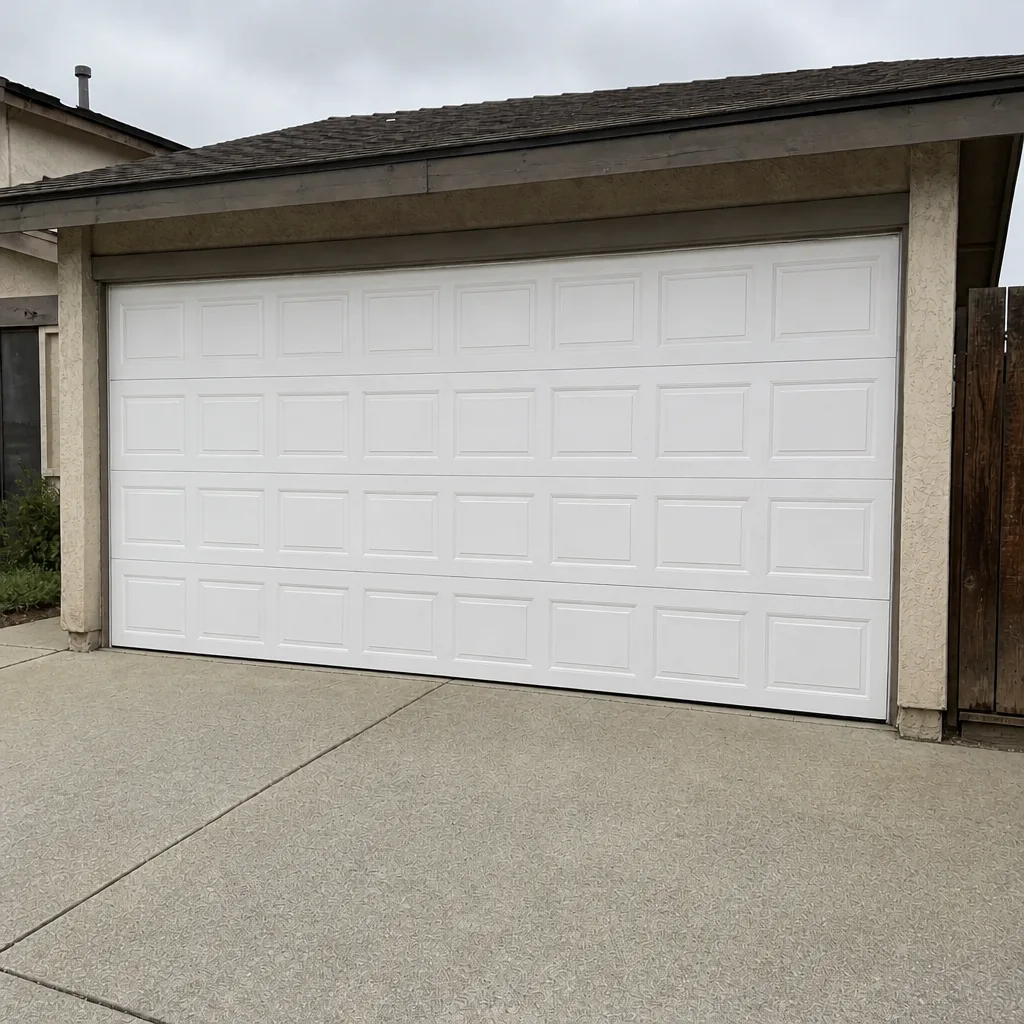
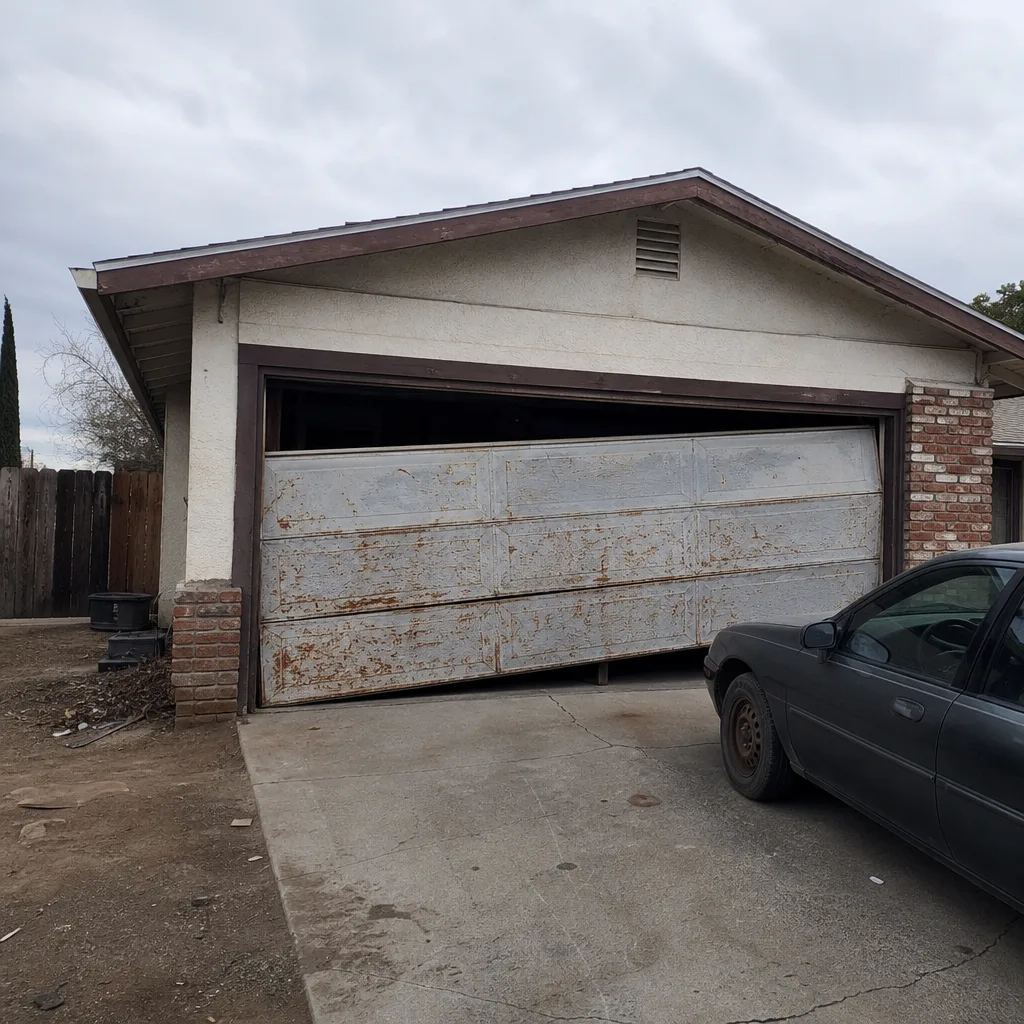
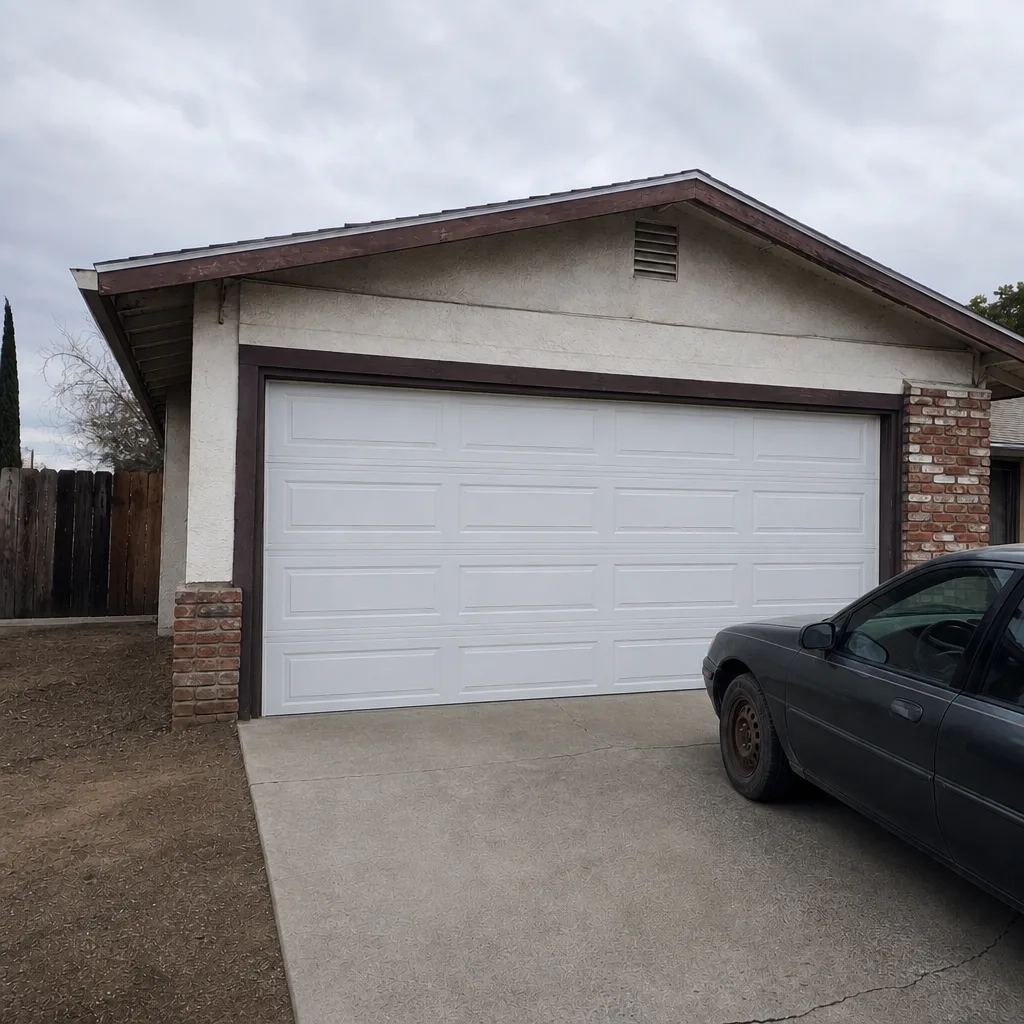
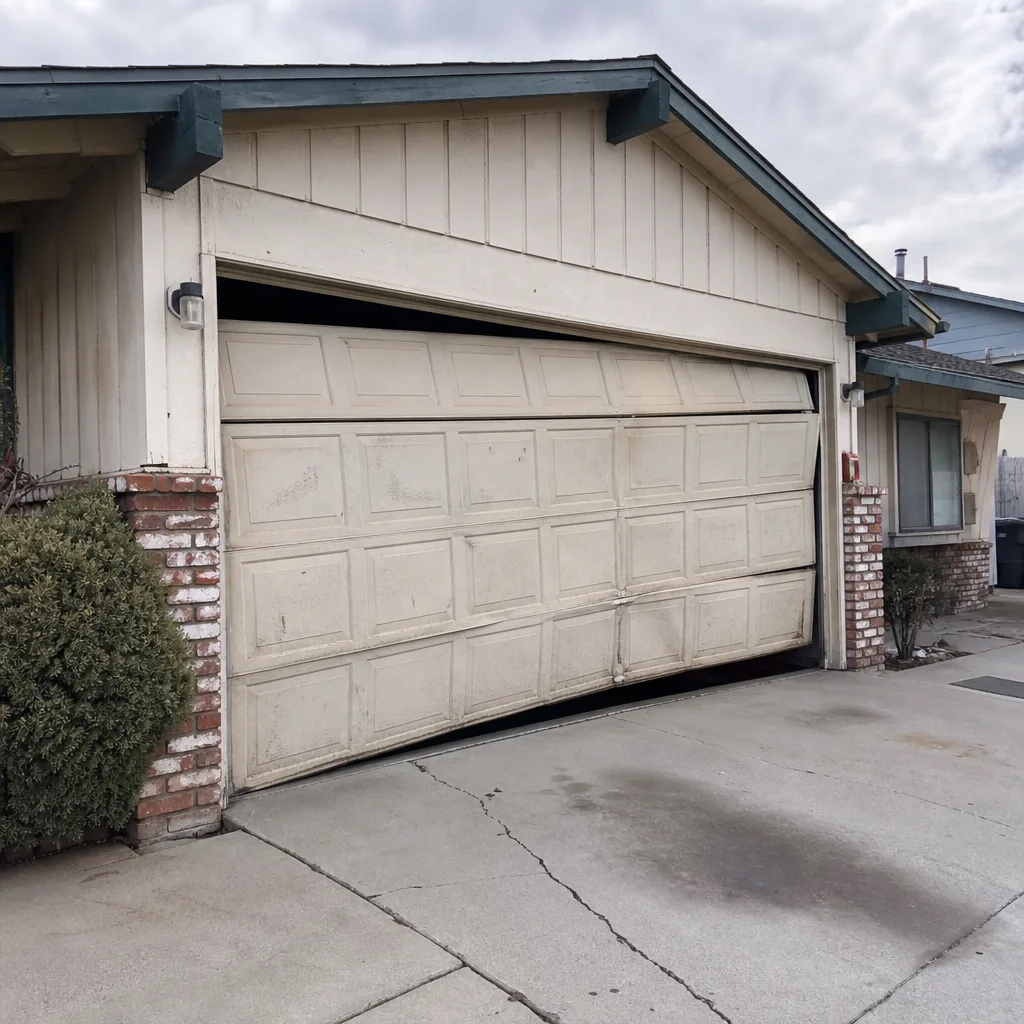
See the difference
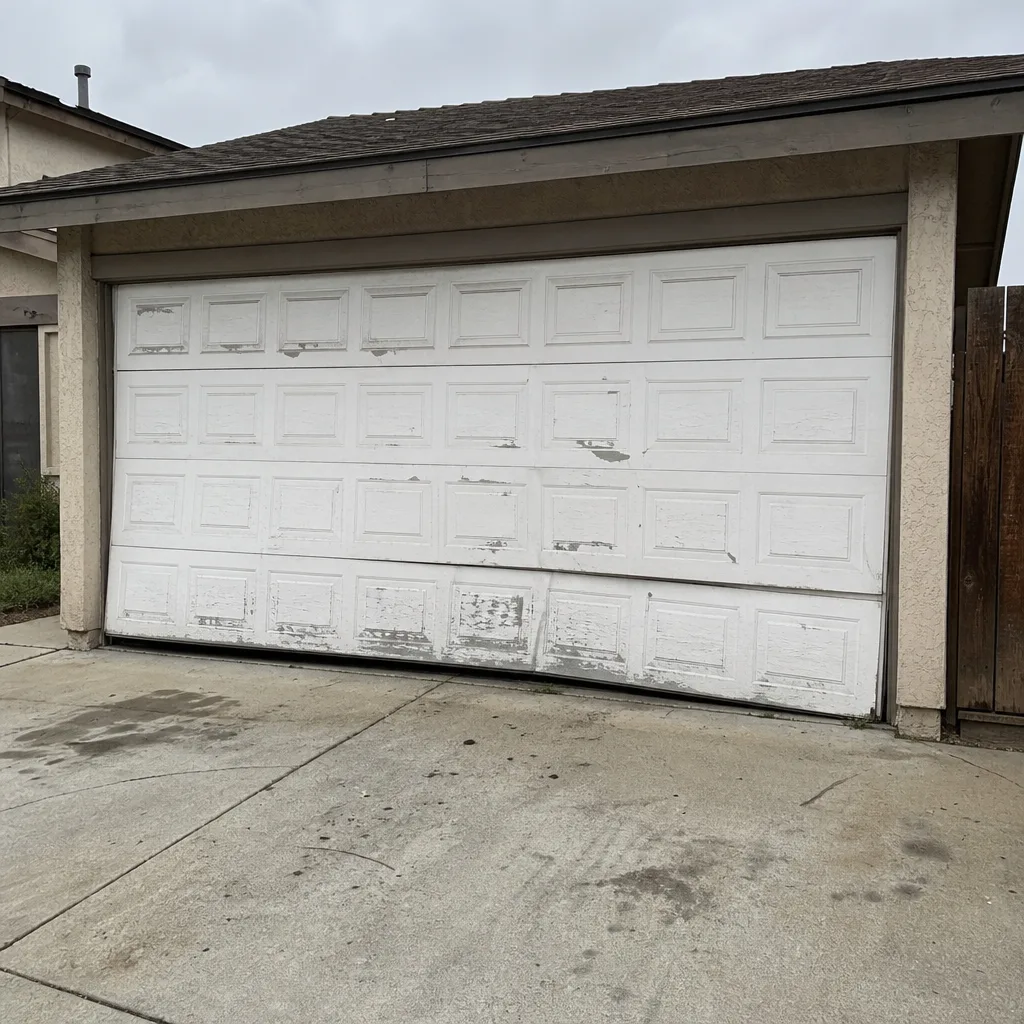 Before
 After
 Before
 After
 Before
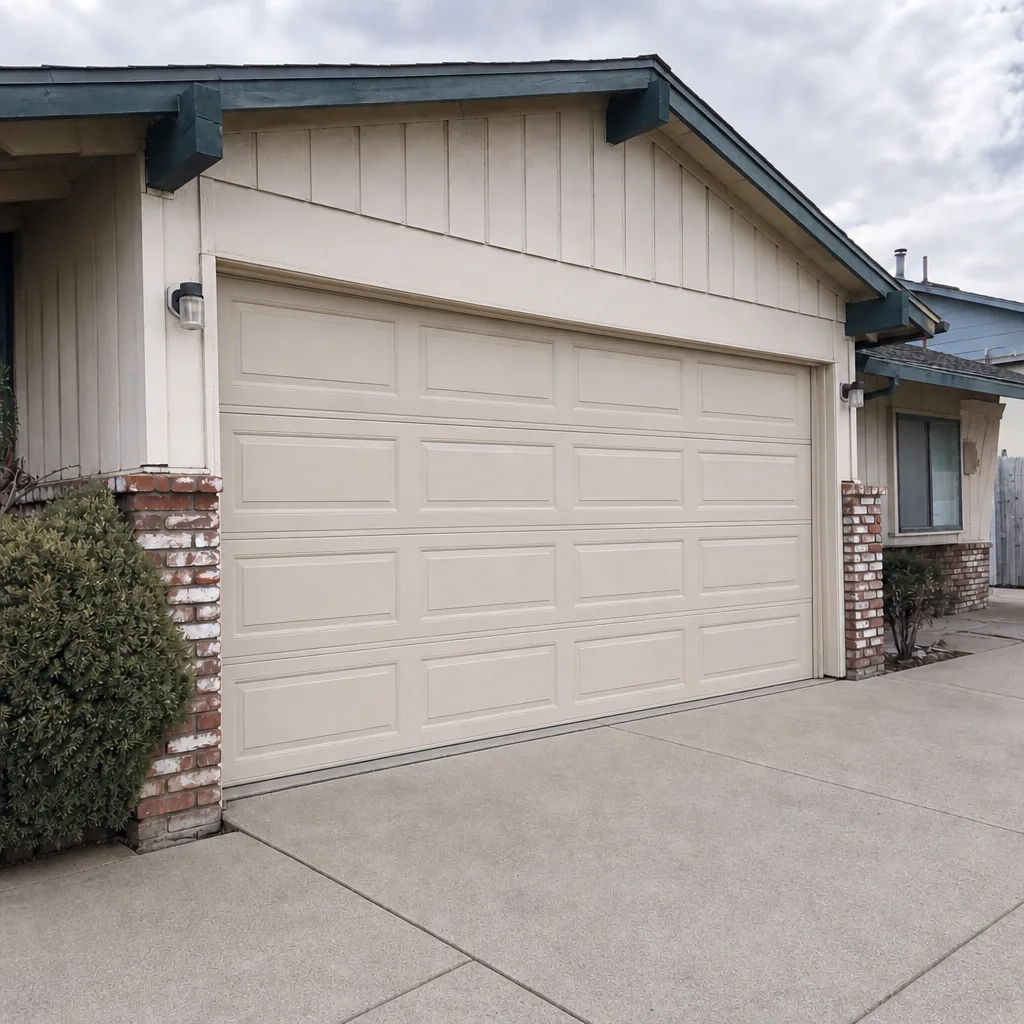 After