
Last updated November 18, 2026
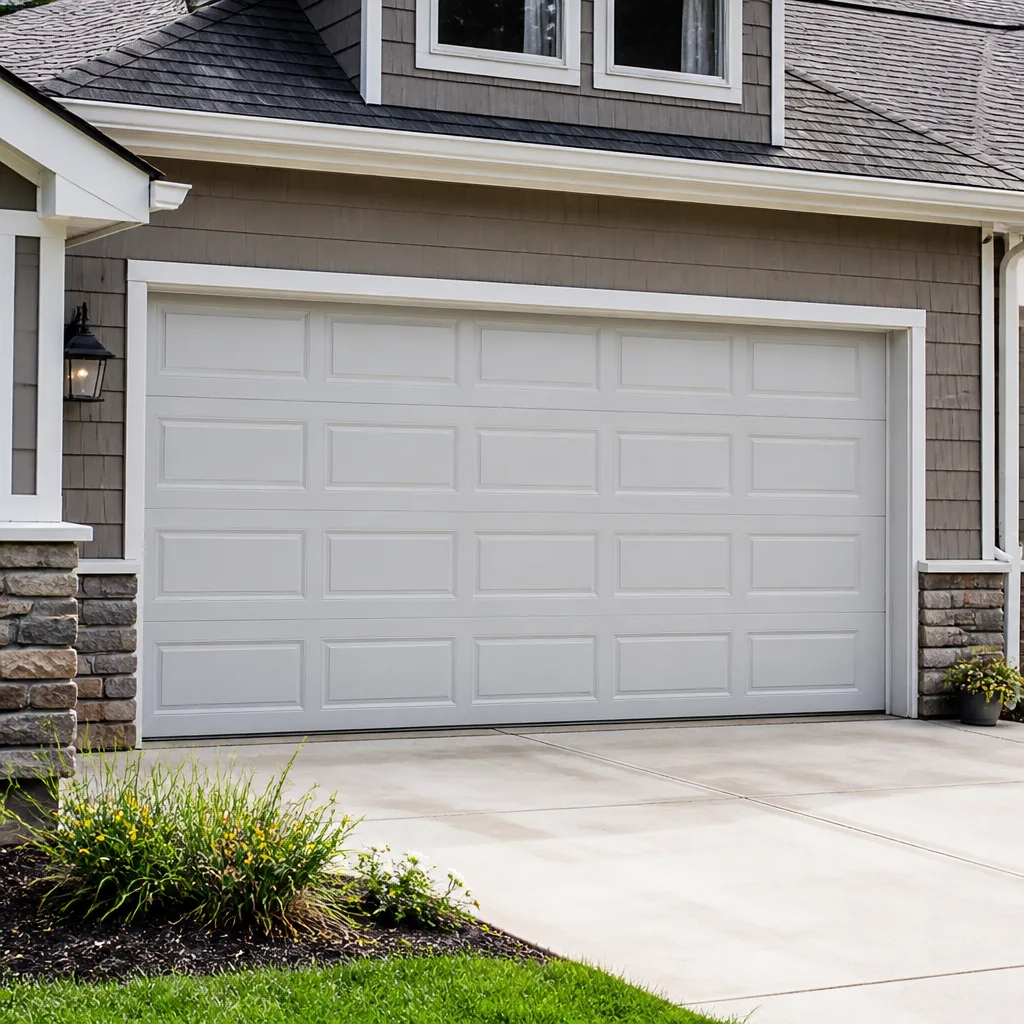 Raised-panel steel
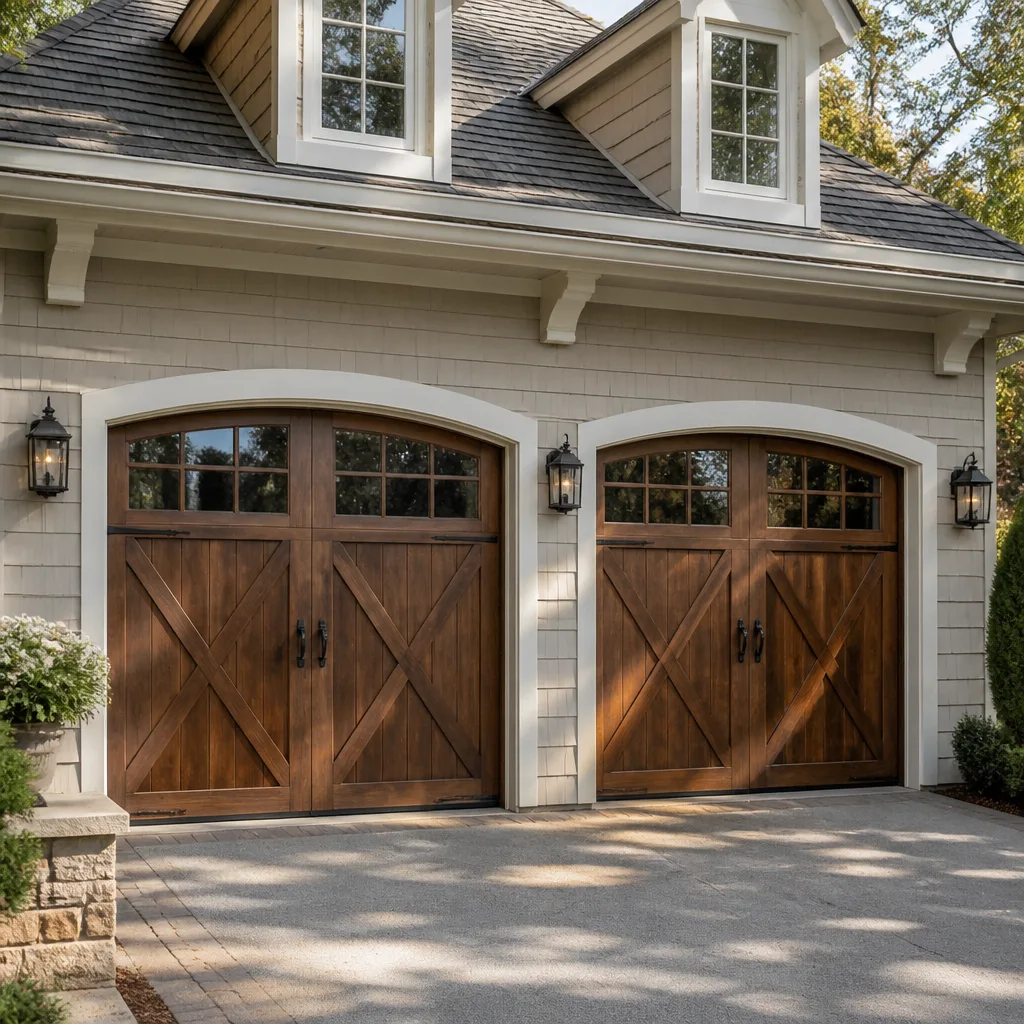 Carriage house
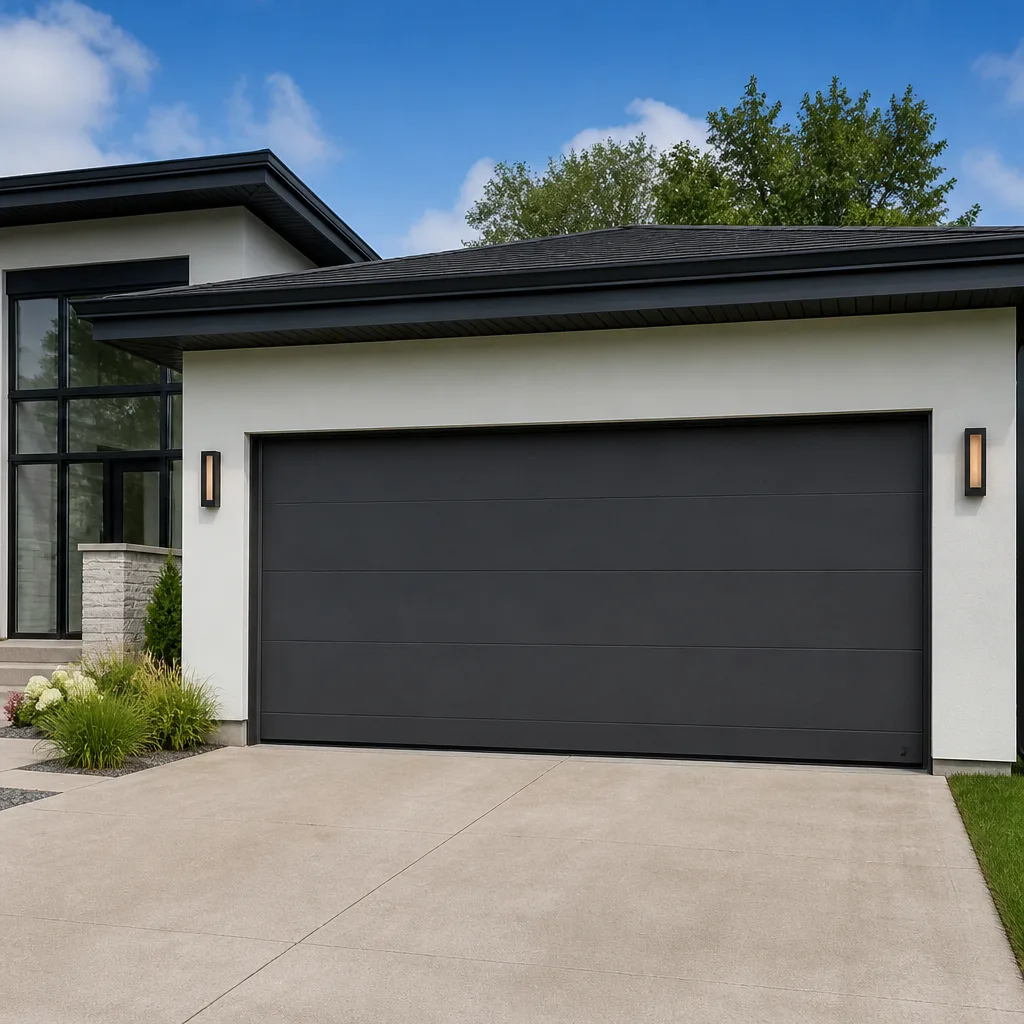 Modern flush
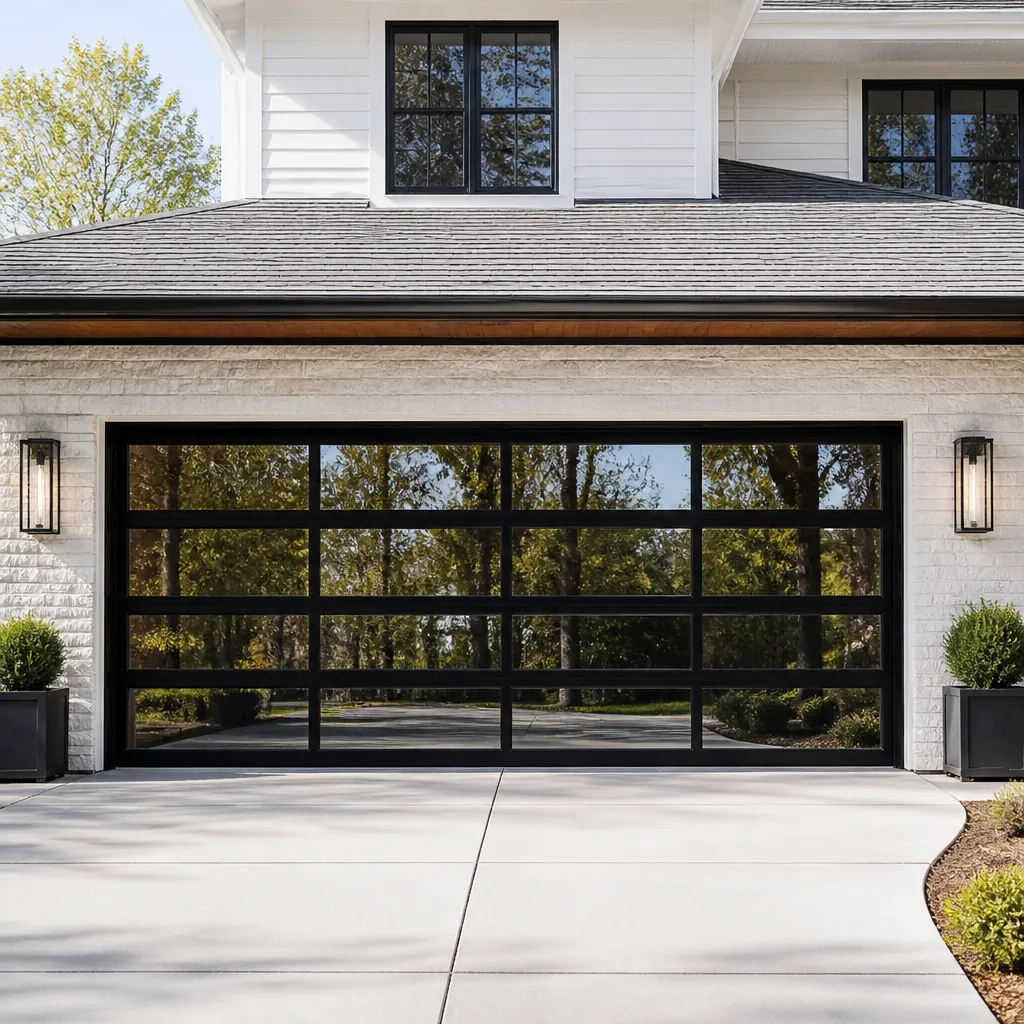 Full-view glass
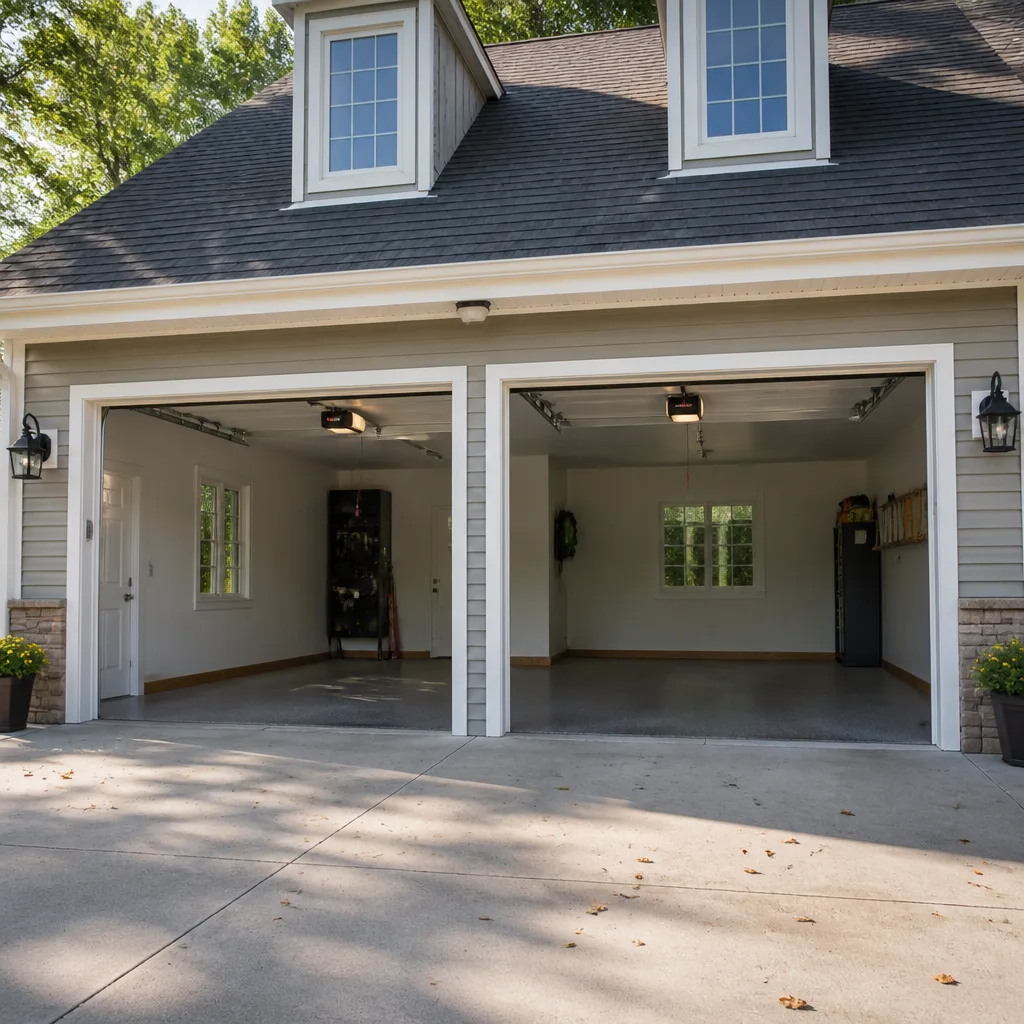 LiftMaster openers
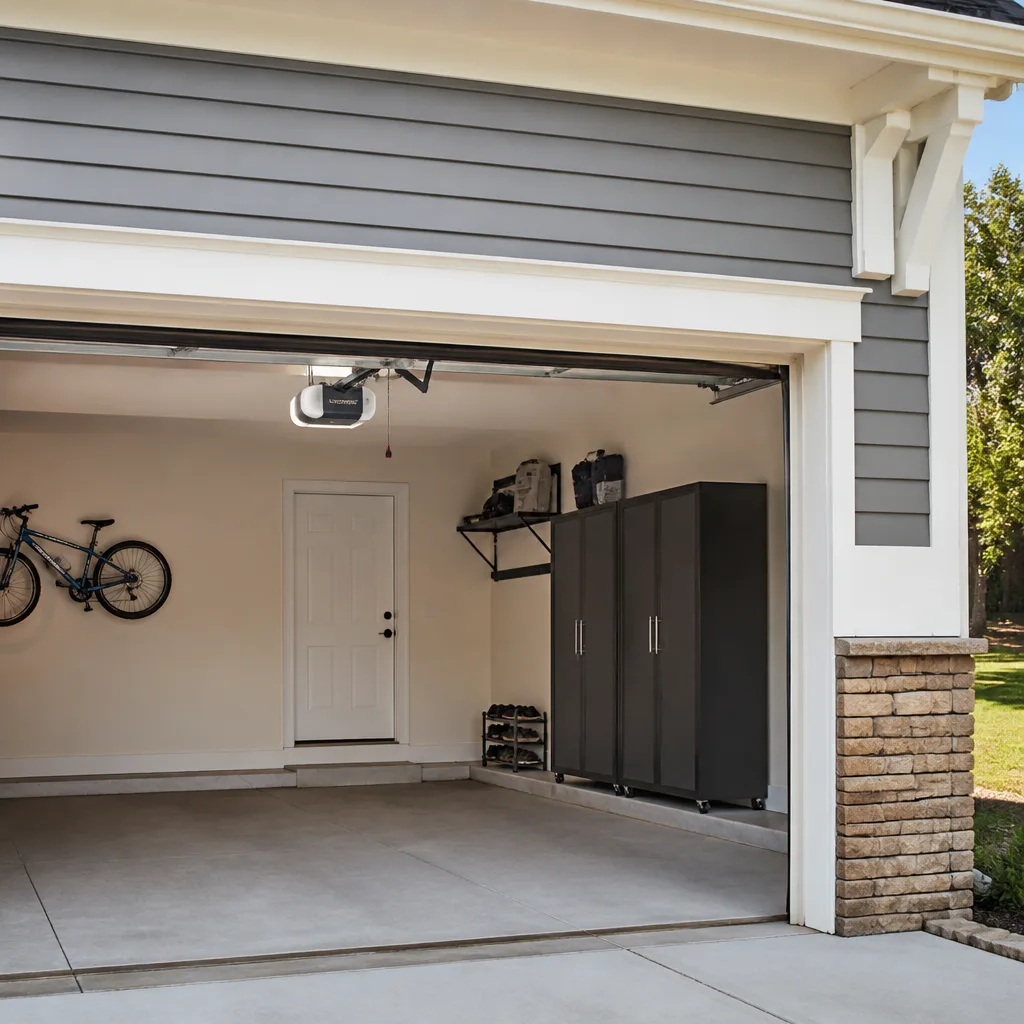 Chamberlain openers
Full 25-point door and opener safety check with every visit - springs, cables, rollers, tracks, and your LiftMaster or Chamberlain opener included
You get a price before we start. It does not change when the pro arrives.
Get your free estimateThe Complete Emergency Garage Door Guide for Spring Valley Homeowners
Spring Valley gets flash flood watches, power outages, and triple-digit heat, and every one of those creates a garage door emergency that a generic national guide doesn’t cover. A snapped spring at 9 p.m. when your truck is sealed inside hits different here than it does in a mild coastal town. So does a door hanging open all night on a block where everyone knows everyone but nobody’s watching your driveway. Here’s the honest answer: most garage door emergencies in Spring Valley fall into a handful of patterns, and once you know the pattern, you know whether you can stabilize it yourself or whether you need a real technician before morning. This guide walks you through both.
Quick Answer
If your garage door won’t open or close and you’re in Spring Valley, the first thing to do is stop pushing the button and look at the door itself. A broken spring, a snapped cable, or an off-track door is a technician job, not a screwdriver job. A dead opener, a tripped breaker, or a power outage is usually something you can handle on your own for the night. Either way, call (888) 318-1978 and a live person answers, quotes the job on that call, and holds that number when the truck shows up.
Styles & brands we work with
- Raised-panel steel
- Carriage house
- Modern flush
- Full-view glass
- LiftMaster openers
- Chamberlain openers
Table of Contents
- Why a Spring Valley Emergency Isn’t Like Anywhere Else
- How to Release Your Door During a Power Outage
- When Your Door Is Stuck Open Overnight
- The 24-Hour Decision Tree: Stabilize vs. Call
- How Triple-Digit Heat Changes Emergency Response
- Spring and Cable Failures: What to Check Without Touching
- What to Have Ready When You Call
- Preventing the Next Spring Valley Emergency
Why a Spring Valley Emergency Isn’t Like Anywhere Else
Spring Valley sits in a stretch of Nevada where the summer runs from late May into early October, and homeowners here know the drill. Doors get cycled hard, springs take a beating, and the whole system ages faster than it would in a cooler climate. When the monsoon pattern sets up in July and August, flash flood watches go up fast, and the last thing you want is a garage door that won’t open when you need to move a vehicle to higher ground or get out of the path of a wash that’s suddenly running.
Three local factors matter more than anything else in an emergency:
- Heat and cycle fatigue. A torsion spring is rated in cycles, not years. In this climate, doors that get used four or five times a day can wear a spring out noticeably faster than the same door in a mild region. We count spring cycles the way you count tire miles, and we’ll tell you what’s left on yours before it snaps.
- Power reliability. Summer storms knock out power in pockets of Spring Valley. A garage door on a LiftMaster or Chamberlain opener with a dead battery backup becomes a two-hundred-pound wall until you release it manually.
- Overnight security. When the power comes back but your door is stuck up, your truck, your tools, and your house are exposed all night. That’s a real emergency here, not just a nuisance.
All of this is why we tell folks the door is 200 pounds riding on two springs, and you respect it. The emergencies we see in Spring Valley are rarely exotic. They’re the same four or five failures happening over and over, and they’re entirely predictable if you know what to look for.
How to Release Your Door During a Power Outage
Every opener with a manual release has a pull cord hanging from the trolley, and knowing how to use it before you need it is the single best thing you can do tonight. The cord releases the door from the opener so you can lift it by hand. But there’s a right way, and doing it wrong can drop a door on your car or your foot.
- Close the door first if it’s up. If the door is already open and the power just died, don’t pull anything. Leave it. Trying to release a door mid-travel can send it slamming down.
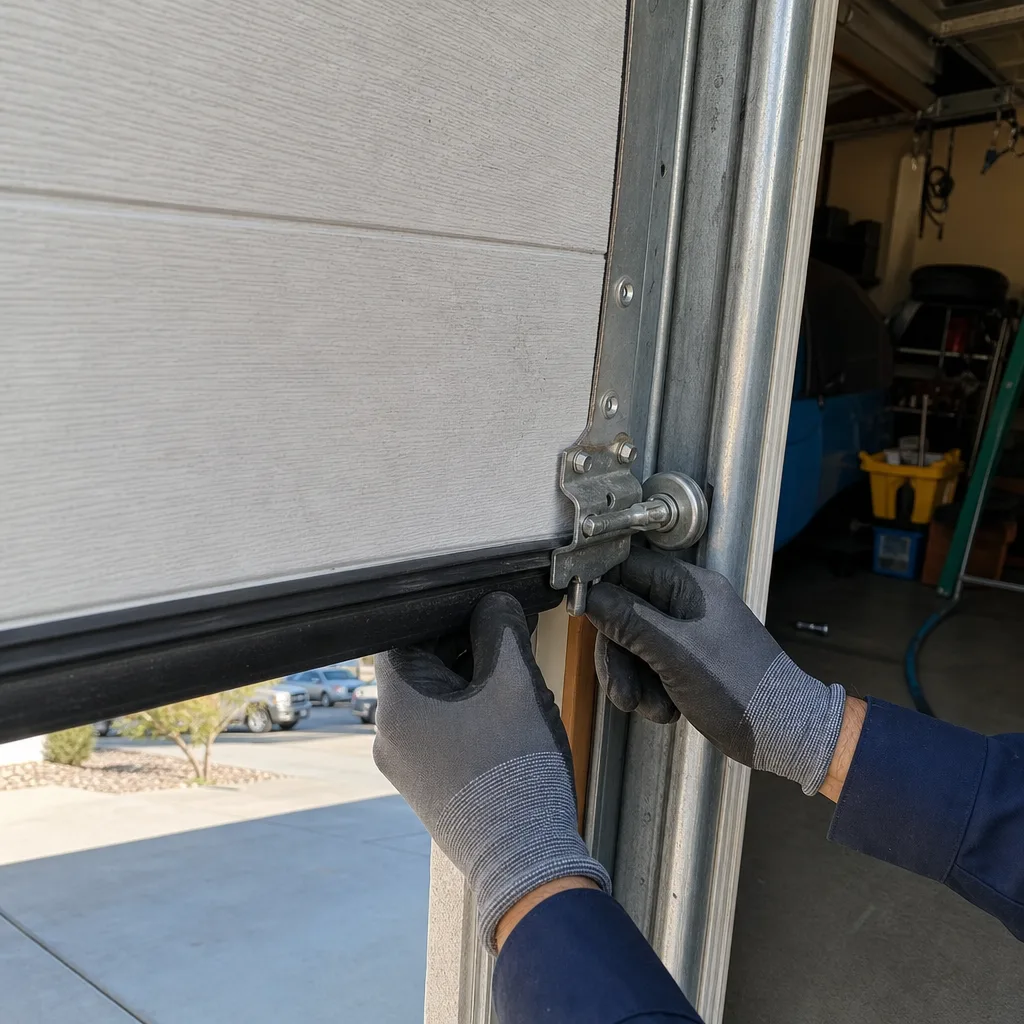
- Disconnect the opener. Standing outside with the door closed, pull the release cord straight down until it clicks. On most LiftMaster and Chamberlain units, that’s a red handle hanging near the top of the door.
- Lift slowly with two hands. Torsion-spring doors will feel heavy and may want to run up on their own once you get them moving. Sectional doors on extension springs may be even heavier. If it fights you or feels unbalanced, stop and call us.
- Prop it or close it fully. Never leave a manually opened door half up. Either lift it fully and secure it, or lower it back down gently.
- To re-engage: once power is back, run the opener until the trolley clicks back over the carriage, or pull the cord again if the model calls for it. Test the door with the wall button before you walk away.
If you’re not sure what kind of opener you have, look at the housing. A Genie or a LiftMaster with a battery backup will open the door a few times even after the power dies, which buys you a chance to get a vehicle out. A basic unit with no backup gives you nothing. Call us and we’ll talk you through releasing it on the spot.
When Your Door Is Stuck Open Overnight
A door stuck up overnight is a security emergency, plain and simple. Your vehicle, your tools, and the access it gives into your house are all exposed until morning. In Spring Valley neighborhoods where homes sit close together and garages face the street, a door hanging open at 2 a.m. is an invitation. Here’s how to handle it:
- Don’t force it down. If the door won’t close because a spring is broken or a cable is slack, pushing it down manually can bend panels, crack the carriage, or drop the door on you. A door is 200 pounds riding on two springs. Respect it.
- Secure the garage from the inside. If the door is up and you can’t bring it down, park a vehicle snug against the opening from inside and lock the interior door to the house. That buys you the night.
- Turn the opener off at the wall. A door that stopped mid-travel because of a sensor fault can sometimes be re-triggered by accident. Unplug the opener or flip the breaker so nobody bumps the wall button.
- Clear the path before morning. Get the trash cans, bikes, and anything of value out of the garage or against the back wall so nothing valuable is in the line of sight from the street.
- Call now, not at 6 a.m. A live person answers around the clock. Tell them it’s a security issue and they’ll give you a realistic window, plus a price quoted on the call.
We answer at nine at night when a spring lets go and your vehicle is sealed in, and we answer when a door is stuck up and you don’t want to sleep with one eye open. The quote on that call is the number we hold when we get there.
The 24-Hour Decision Tree: Stabilize vs. Call
Most people call us either too early or too late. Here’s a straight decision tree for the middle of the night, so you know whether to grab the flashlight or the phone.
First, look at the door from the driveway. Don’t touch anything dangling, and don’t stand under a door that looks crooked. Then walk through this:
- Does the opener run but the door doesn’t move? Disconnected carriage or broken spring. That’s a technician call. Don’t keep cycling the opener.
- Does the door go up but not down, or bounce back up? Safety sensor or travel limit. Look at the two small sensors at the bottom of the tracks. If one is knocked askew or the LED is off, straighten it and clear any obstruction. If that doesn’t fix it, call.
- Is there a broken spring? A visible gap in a torsion spring above the door, or a snapped extension spring hanging loose. Stop. This is a technician call, and it’s not safe to operate the door.
- Is the door off its tracks? One or more rollers out of the channel, or the door hanging crooked. Stop. Call. Don’t try to walk it back in.
- Dead opener, no lights, no sound? Check the breaker and the outlet. If it’s a power outage, release the door manually per the steps above and ride it out.
The rule we give homeowners: if the door is crooked, hanging, or making a loud bang noise and then going silent, that’s a call. If the door is square, sits on both tracks, and the opener just won’t respond, you can safely stabilize it for the night and call in the morning.
How Triple-Digit Heat Changes Emergency Response
In July and August, Spring Valley regularly sees 105 and higher, and that changes everything about a garage door emergency. Springs lose tension in the heat, cables stretch, and the metal of the door itself can get hot enough to burn a bare hand. A stuck door in a closed garage with no AC is a genuinely hazardous place to be working.
Here’s the difference a local technician makes in the heat. When a national dispatch center takes your call, you go into a queue. First a callback to confirm the address, then a scheduler who assigns a contractor from a rotating list, then a technician who may be coming from across the valley with whatever’s already on the truck. In a hundred-degree day, that queue can add two or three hours you don’t have.
A local tech knows what fails here and what to bring. We carry torsion springs for the common residential door widths, plus LiftMaster and Genie openers and standard rollers, so the truck that arrives is stocked for the failure you actually have. That’s not a sales pitch. It’s the reason a Spring Valley job that should take ninety minutes doesn’t turn into a two-day wait for a part.
One more heat note: don’t leave a door open to “cool the garage down” during a power outage in the afternoon. In this climate, you’re gaining nothing and giving away your security. Close it, secure it, and call.
Spring and Cable Failures: What to Check Without Touching
Torsion springs, extension springs, and the cables that run alongside them are what actually hold your door up. The opener just moves it. When a spring or cable fails, the door becomes a two-hundred-pound weight with nothing holding it back. You can inspect the system safely from the ground with your eyes and a flashlight, but this is where we draw the line on DIY.
What you can check safely:
- A visible gap in a torsion spring above the door. That spring is broken.
- A torsion spring that’s lost its coil gaps and lies flat. It’s lost tension.
- An extension spring hanging at an odd angle or detached at one end.
- A cable that’s slack, frayed, or has jumped off its drum.
- A door that sags on one side when you lift it slightly.
What you never do: don’t wind a spring by hand, don’t cut a cable, don’t try to reattach a spring at either end, and don’t stand under a door held up only by an opener. The stored energy in a wound torsion spring can release without warning and cause serious injury. We’ve seen spring failures send a winding bar through a garage wall. If you’re not sure, call and we’ll talk you through what you’re looking at.
When a spring does let go, the repair is usually straightforward once we’re on site. If you want the full picture of what happens on a spring call, our Garage Door Repair in Spring Valley page walks through what we check and what the typical fix looks like. If you’re hearing a strain in the opener before the door moves, the problem is almost never the opener itself, and our Garage Door Opener Repair & Installation in Spring Valley page covers the diagnostics.
What to Have Ready When You Call
The first call should get the right truck on the road, not a callback asking what kind of door you have. Have this information ready before you dial, and you’ll be done in three minutes instead of fifteen.
- The address and a cross street. In Spring Valley, some streets share names with wash access roads and a GPS alone can land a tech on the wrong side of the neighborhood. Tell us where you actually are.
- The door type. Roll-up, sectional, carriage-style, or tilt-up. If it has hinges between panels, it’s sectional.
- The opener brand if you can read it. LiftMaster, Chamberlain, Genie, Craftsman. It changes the diagnostic and sometimes the part on the truck.
- What you were doing when it broke. “It made a bang and then the door dropped” is a broken spring. “It just hummed and did nothing” is a motor or capacitor. “It goes up two feet and comes back down” is a sensor or limit.
- Whether a vehicle is trapped. This changes our priority. If someone’s car is sealed inside and they need to leave, tell us on the call.
- Whether you can safely close the door or secure it. If the door is stuck up, tell us so we’re bringing the right tools for a security call.
Give us that and you’ll get a quoted price on the call, an honest time window, and the same number when we arrive. No phone quote that grows a tail on the invoice. No transfer to a scheduler. The name on the van is the name on the license and the name on the invoice.
Preventing the Next Spring Valley Emergency
Most emergencies give you a warning first. If you know what to listen for, you can catch the small problem before it becomes a 2 a.m. call.
- Cycle-count your springs. Ask us how many cycles your door has on it and how many are left. A spring that’s near its rated life is a scheduled job, not an emergency.
- Lubricate the moving parts once a season. Rollers, hinges, and the torsion tube. In this climate, the dry heat pulls lubricant off faster than you’d think.
- Test the safety sensors monthly. Wave something across them and see if the door reverses. Ten seconds, every month.
- Check the battery backup on your opener. If your model has one, test it and replace the battery on schedule. A LiftMaster or Chamberlain with a fresh battery can open the door a few times during an outage, which is the difference between a mild inconvenience and a trapped vehicle.
- Look at your door once a week. Panels square, rollers in tracks, cables taut. Any change is your warning shot.
If you’re planning to replace a door that’s past its useful life, that’s the one call where you don’t want same-day speed. A replacement is measured, ordered, and scheduled so the door fits your opening. Our Garage Door Installation in Spring Valley page walks through what a free measure looks like and how we quote it, and you can always find us at the Otto’s Garage Door Spring Valley home page if you’re starting fresh.
Common Mistakes to Avoid
- Forcing a door that’s off its tracks. Two sentences: A door that’s out of the track has lost the alignment that holds the rollers in place. Pushing it back can bend the panels and turn a one-hour repair into a replacement.
- Cutting a spring or cable “to take the tension off.” That’s how people get hurt. The stored energy in a wound spring doesn’t care where you’re standing.
- Leaving a door half-open overnight to “check it in the morning.” In Spring Valley, that’s a security exposure all night long. Secure it or call.
- Believing the phone quote from the national hotline. The quote you get from a dispatch center isn’t’ the price you pay at the door. Ask the person on the phone whether they’ll hold the number when they arrive. We will.
- Cycling the opener over a known broken spring. The opener motor will strain and can burn out, and now you’re paying for two repairs instead of one.
- Disconnecting the door mid-travel during an outage. Release a manual trolley with a closed door, not a moving one. The door can slam down.
- Ignoring the warning sounds. A grind, a groan, a pause halfway up, all of these are early warnings. In this climate, they’re usually a spring telling you it’s about to let go.
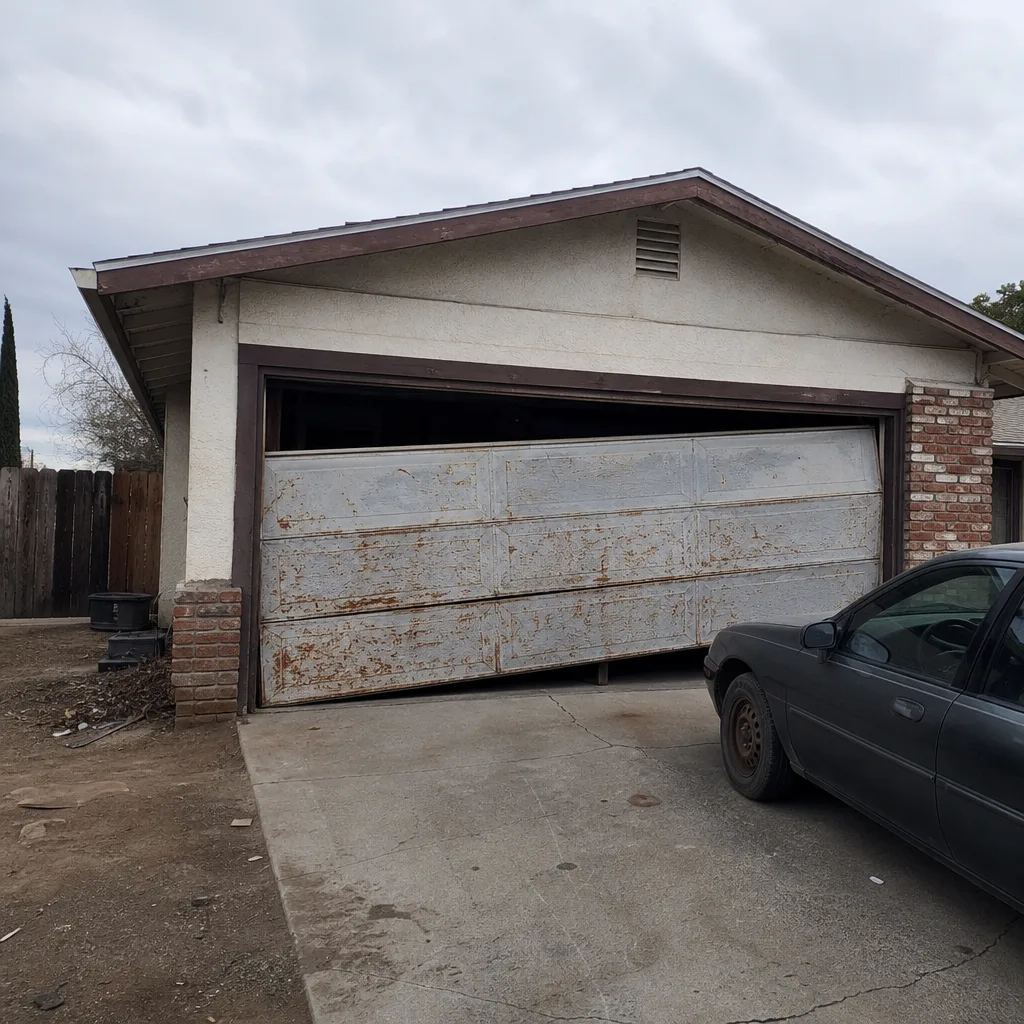
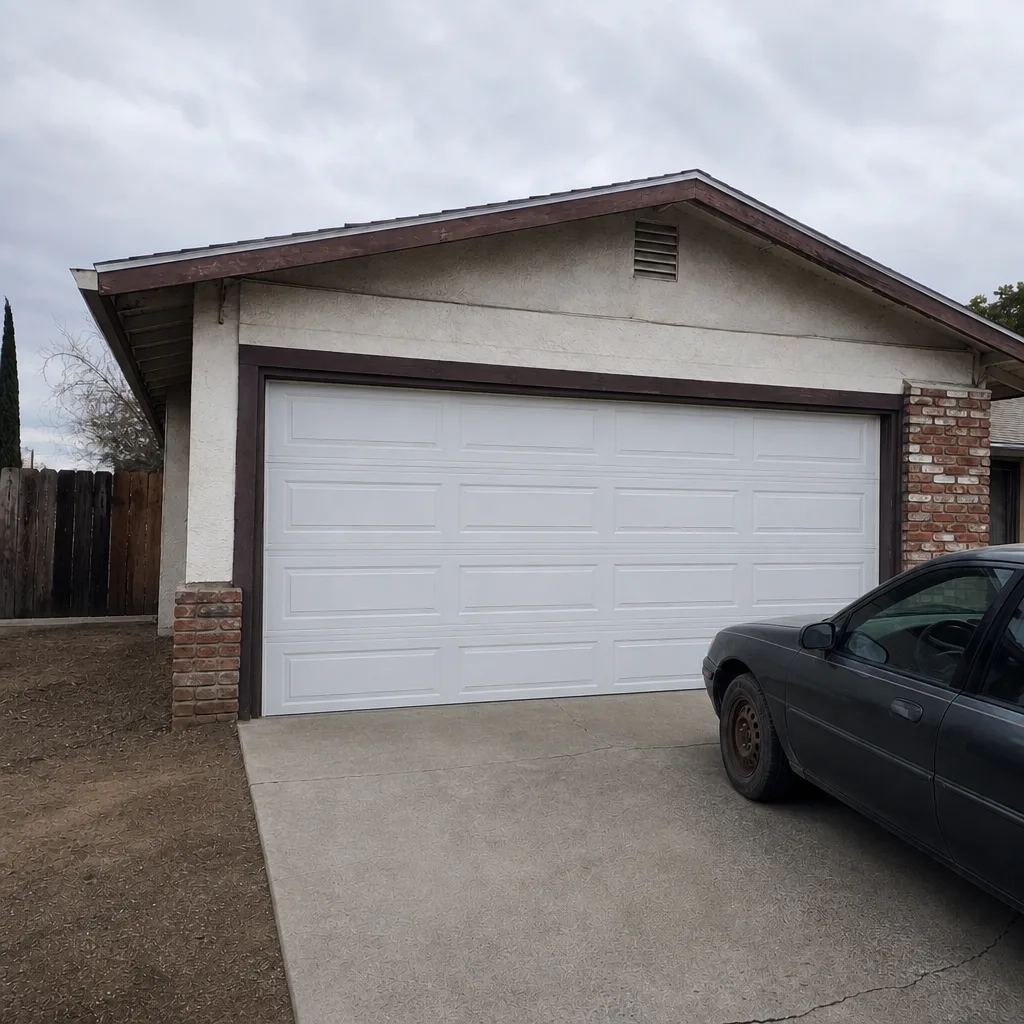
See the difference
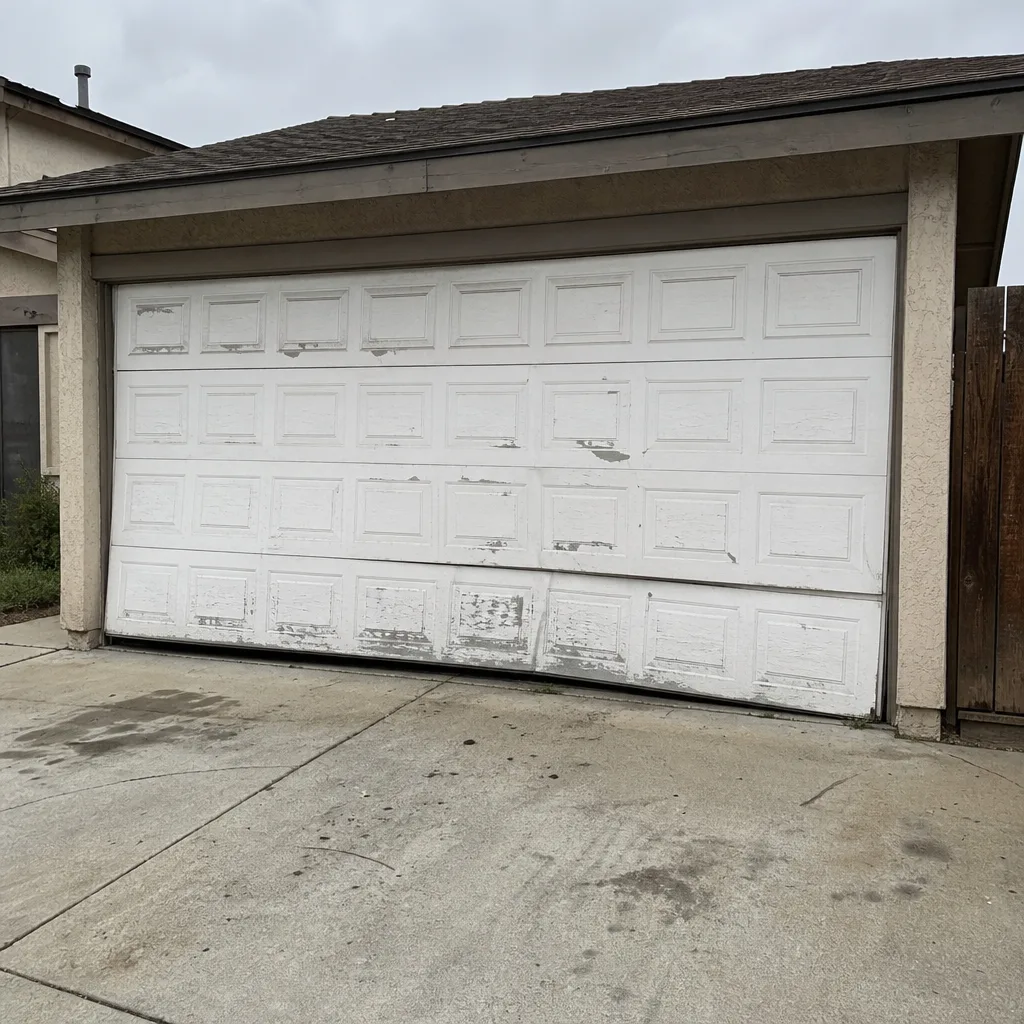 Before
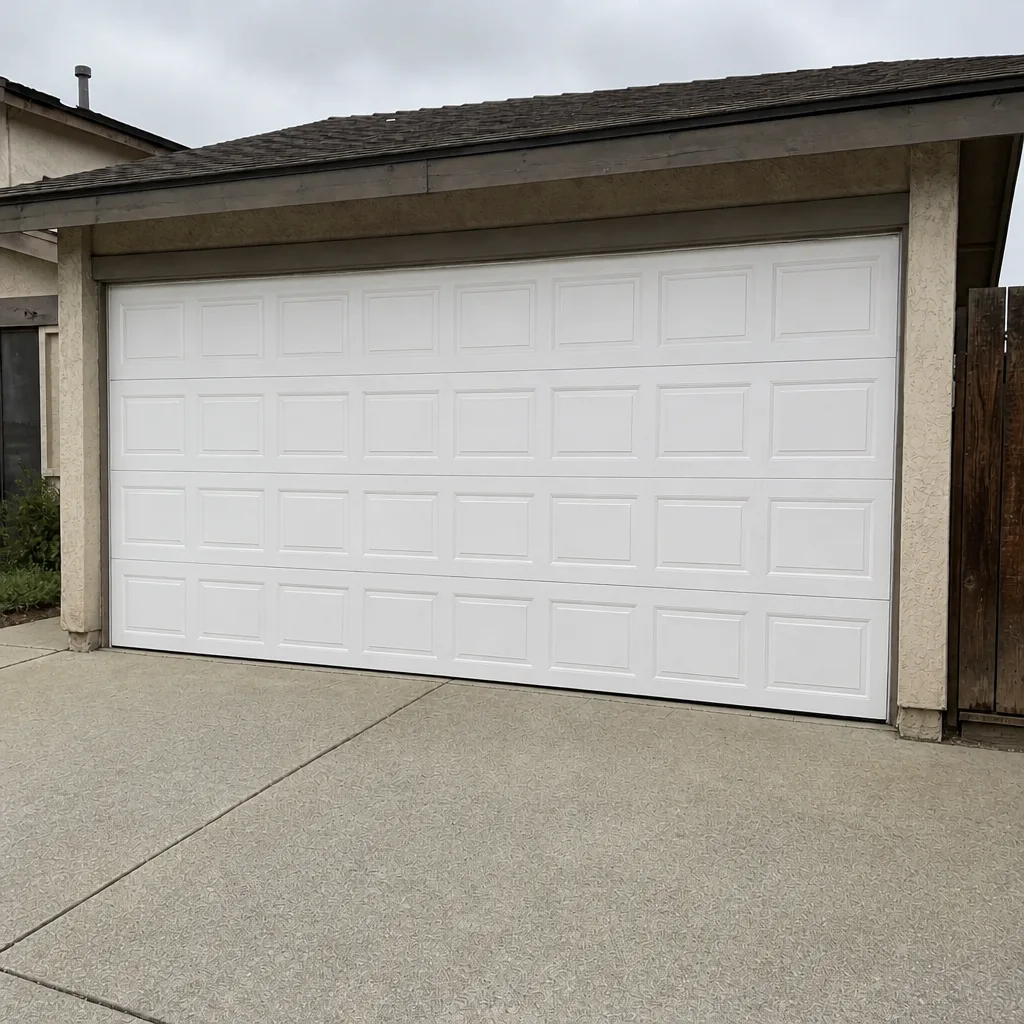 After
 Before
 After
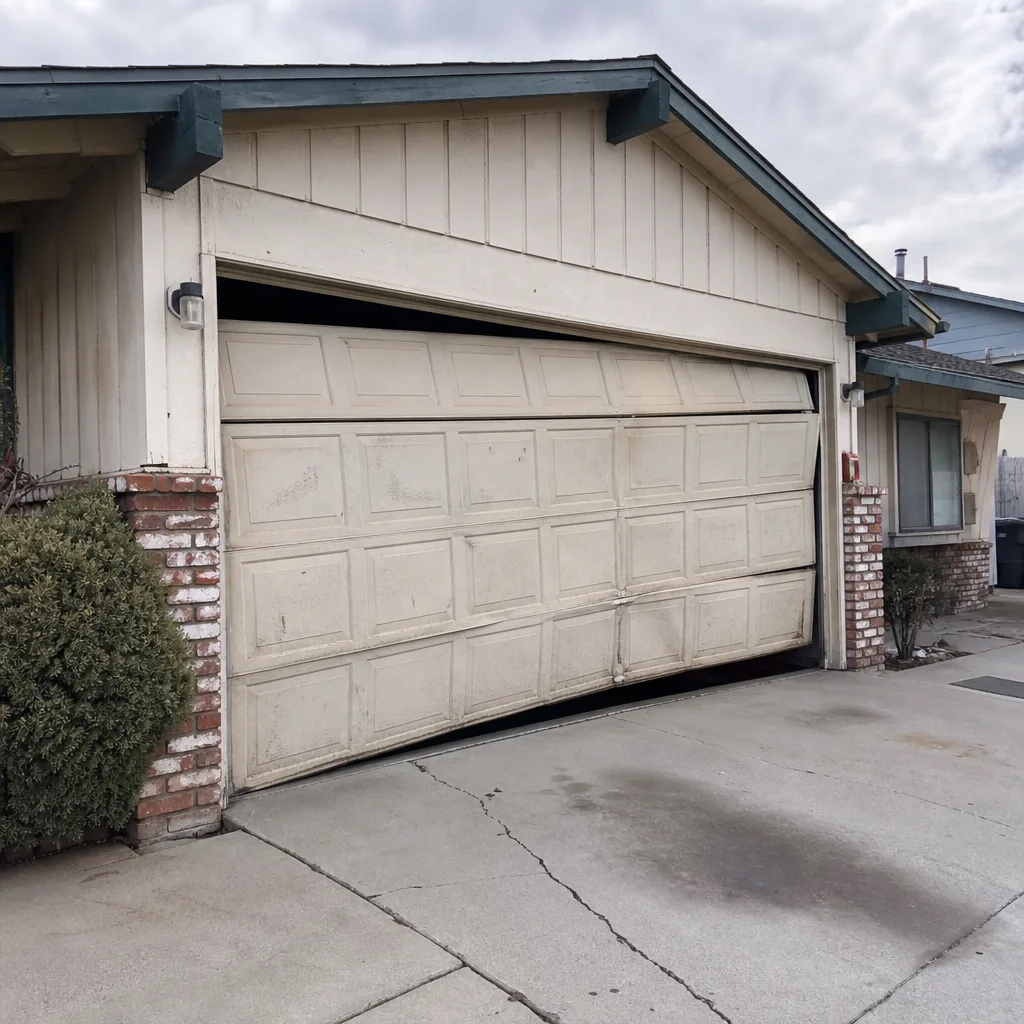 Before
 After
When to Call a Professional
Call a professional if the door is off its tracks, if a spring or cable is visibly broken, if the door has dropped and won’t stay up, or if you can’t secure it overnight. Those are all cases where the door is under tension or out of alignment, and no homeowner should be working on either. Spring, cable, and track repairs are the specific jobs where we’ve seen well-meaning homeowners get hurt. Otto’s Garage Door Spring Valley offers free estimates in Spring Valley, and we’ll tell you on the phone whether it’s a repair or a replacement. Call (888) 318-1978 and a live person picks up, quotes the job on that call, and holds the price when we arrive. The 90-Day Done Right Promise is in writing on every job: if it’s not done right, we make it right with one call. Seniors and veterans get 10% off, always, and there’s no trip charge inside the county.
Frequently Asked Questions
Yes, if your door has a manual release cord, which most do. Pull the cord down to disconnect the opener from the door, then lift slowly with two hands. If the door feels unbalanced or fights you, stop and call, because a broken spring is behind the resistance and lifting against it is dangerous.
Park a vehicle snug against the opening from inside the garage and lock the interior door to the house. Don’t force the door down if a spring or cable is broken. Then call (888) 318-1978 and tell them it’s a security call so it gets the right priority.
Most emergency repairs run in the range of a standard service call plus the part, and the number is quoted on the phone before we roll. Spring replacements, cable replacements, and sensor or track adjustments all vary, so the honest answer is the one you get on the call. You get a free second opinion on any written estimate, and there’s no trip charge inside the county. A $40 discount applies to repairs over $200. Estimates are free; call (888) 318-1978 for the exact number.
Not upward. The number we quote on the call is the number we hold when we walk up the driveway. If a different part is needed than what we discussed, we tell you and quote the difference before any work starts, so you approve every dollar before the first tool comes out.
Yes. We’re locally owned and owner-operated with a published address and license number you can verify before the truck shows up, and our technicians are background-checked. When you call, a live person answers, often the owner, so you’re not routed through a national dispatch center.
Triple-digit heat stretches cables, weakens torsion springs, and dries out lubricant on the moving parts. A spring near the end of its cycle is more likely to snap in July than in January here. Keeping the rollers and hinges lubricated and knowing how many cycles are left on your springs is the best protection.
The Bottom Line
Most garage door emergencies in Spring Valley fall into a short list: a broken spring, a snapped cable, an off-track door, a dead opener, or a door stuck open overnight. The first three are technician calls and no homeowner should be touching them because the door is under serious tension. The last two you can stabilize for the night and call in the morning. Have your address, cross street, door type, opener brand, and what you were doing when it broke ready before you dial, and the first call gets the right truck instead of a callback. The quote on the phone is the number at the door, the price is agreed before any work starts, and the 90-Day Done Right Promise is on every invoice in writing. Call (888) 318-1978 for a free estimate, any hour, and a live person will pick up.
Written by the team at Otto’s Garage Door Spring Valley.