
Last updated November 18, 2026
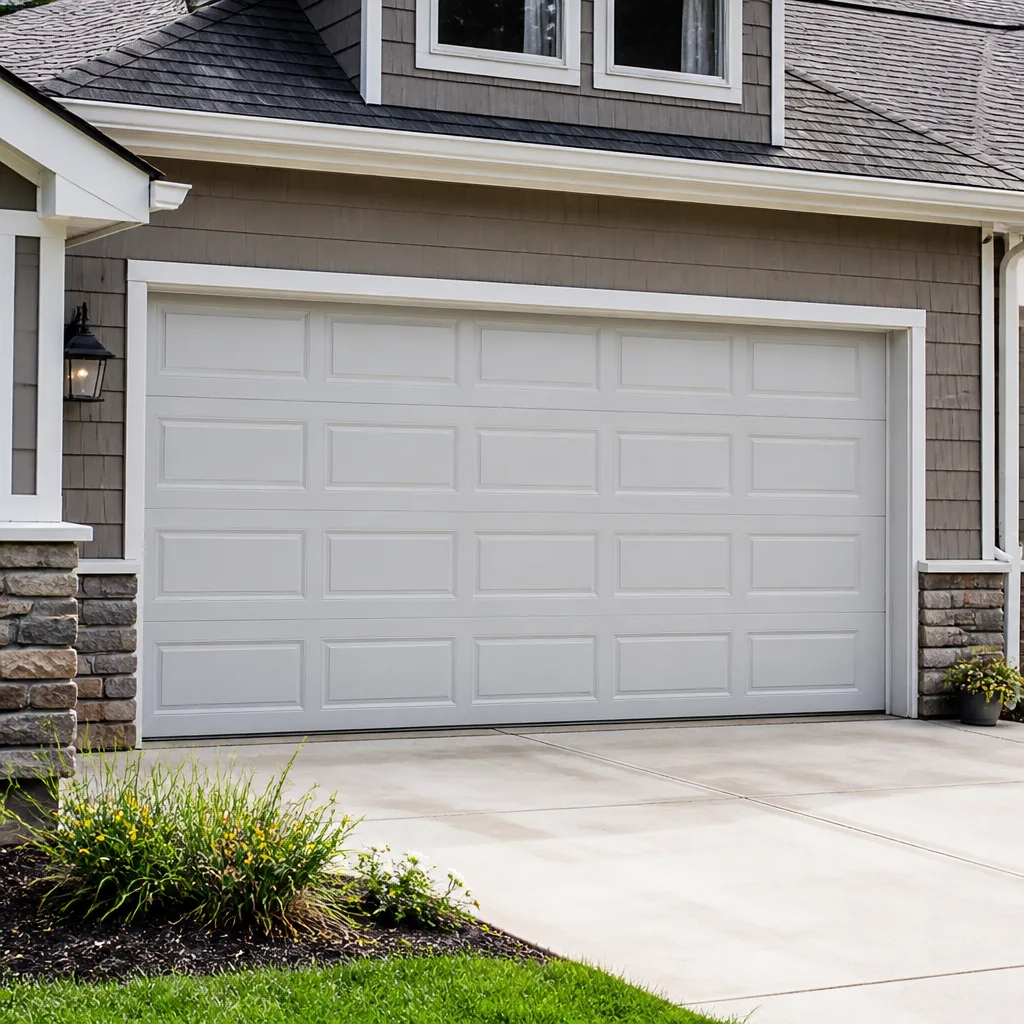 Raised-panel steel
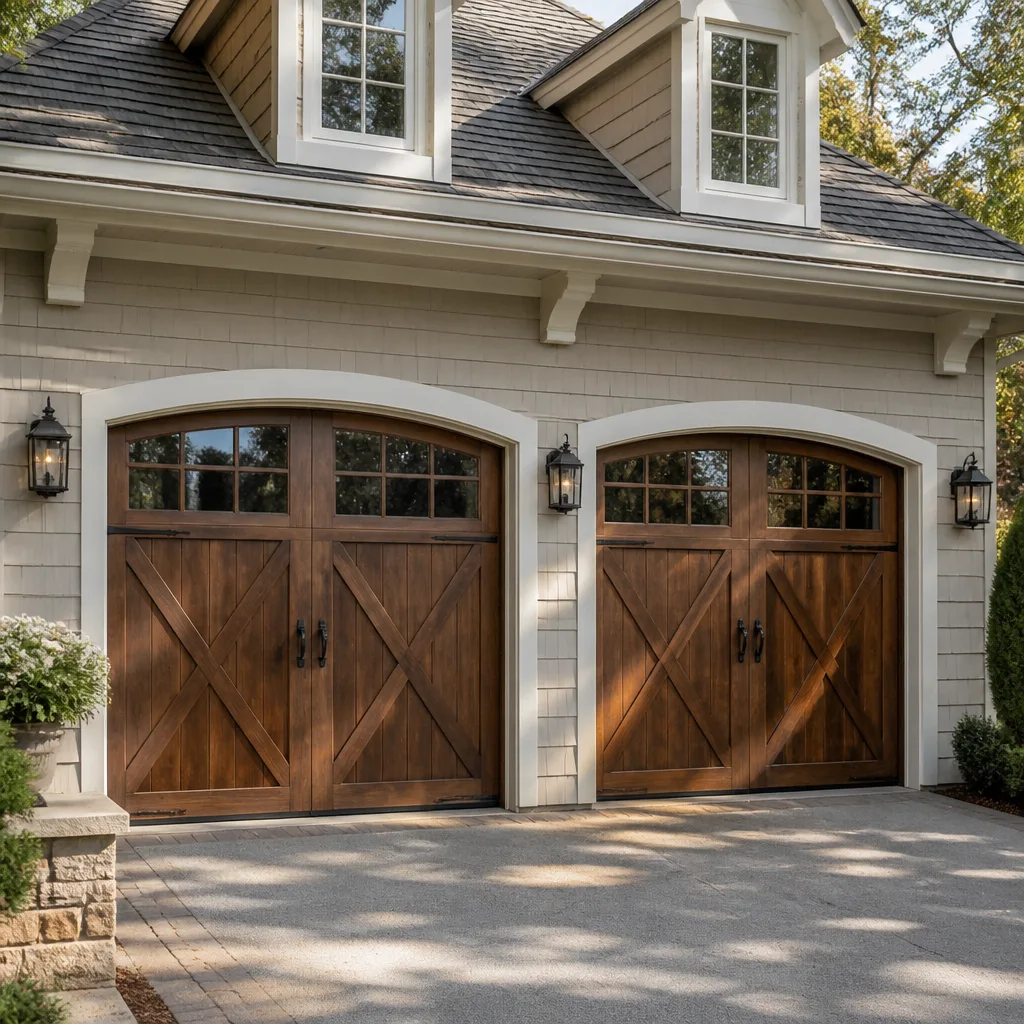 Carriage house
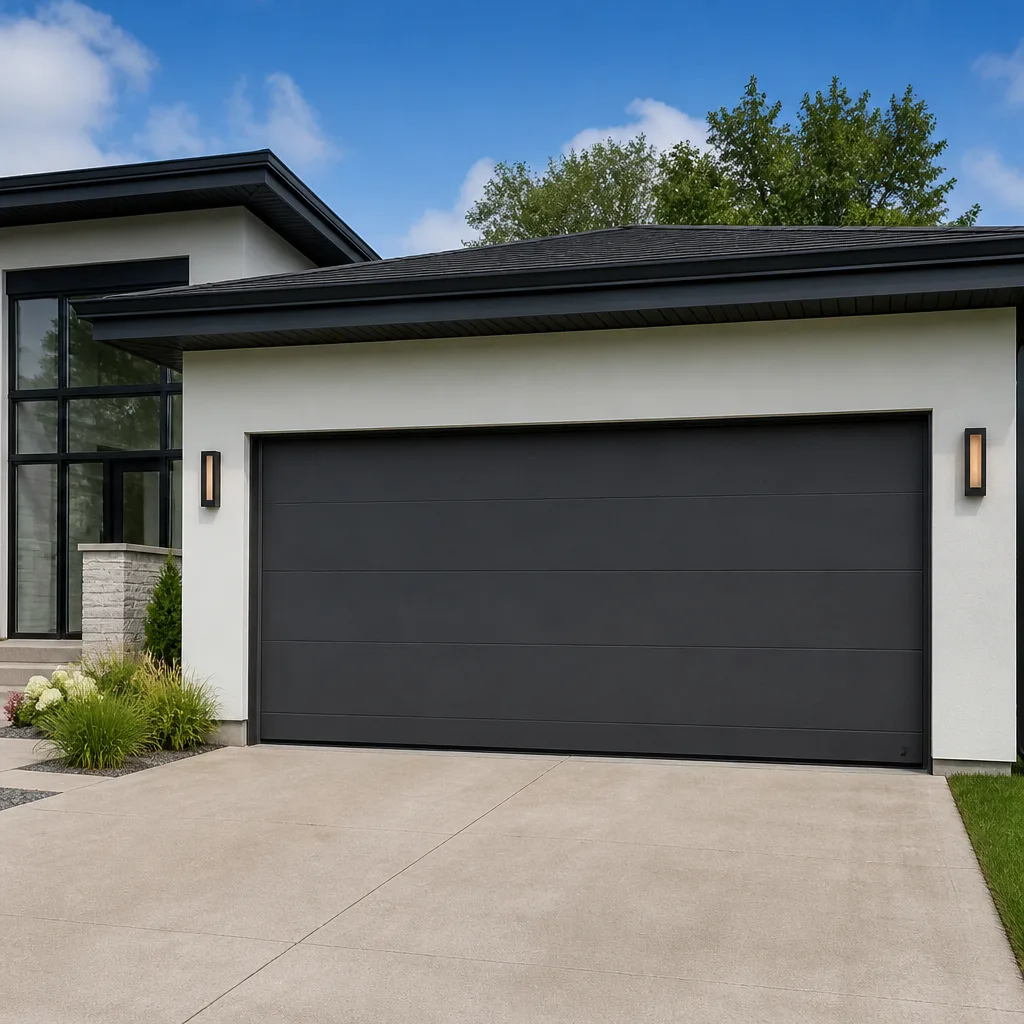 Modern flush
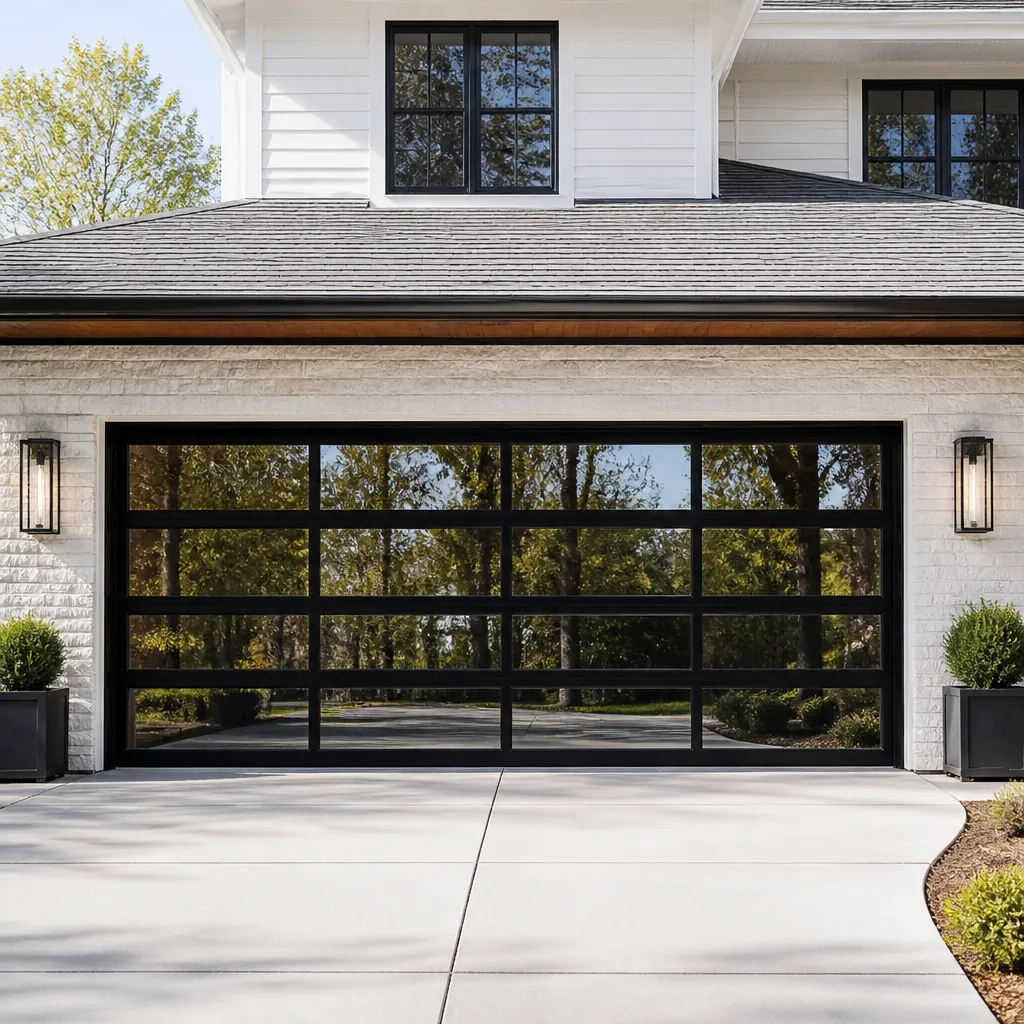 Full-view glass
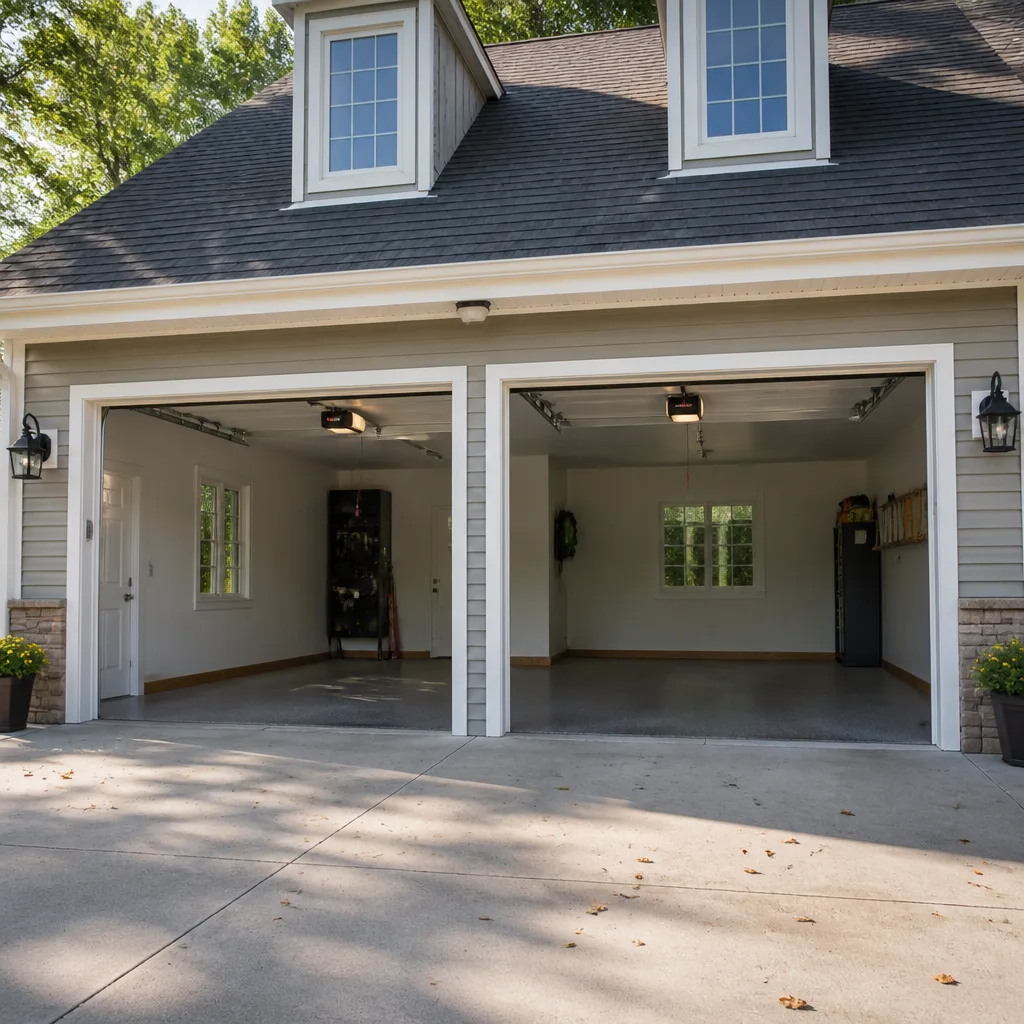 LiftMaster openers
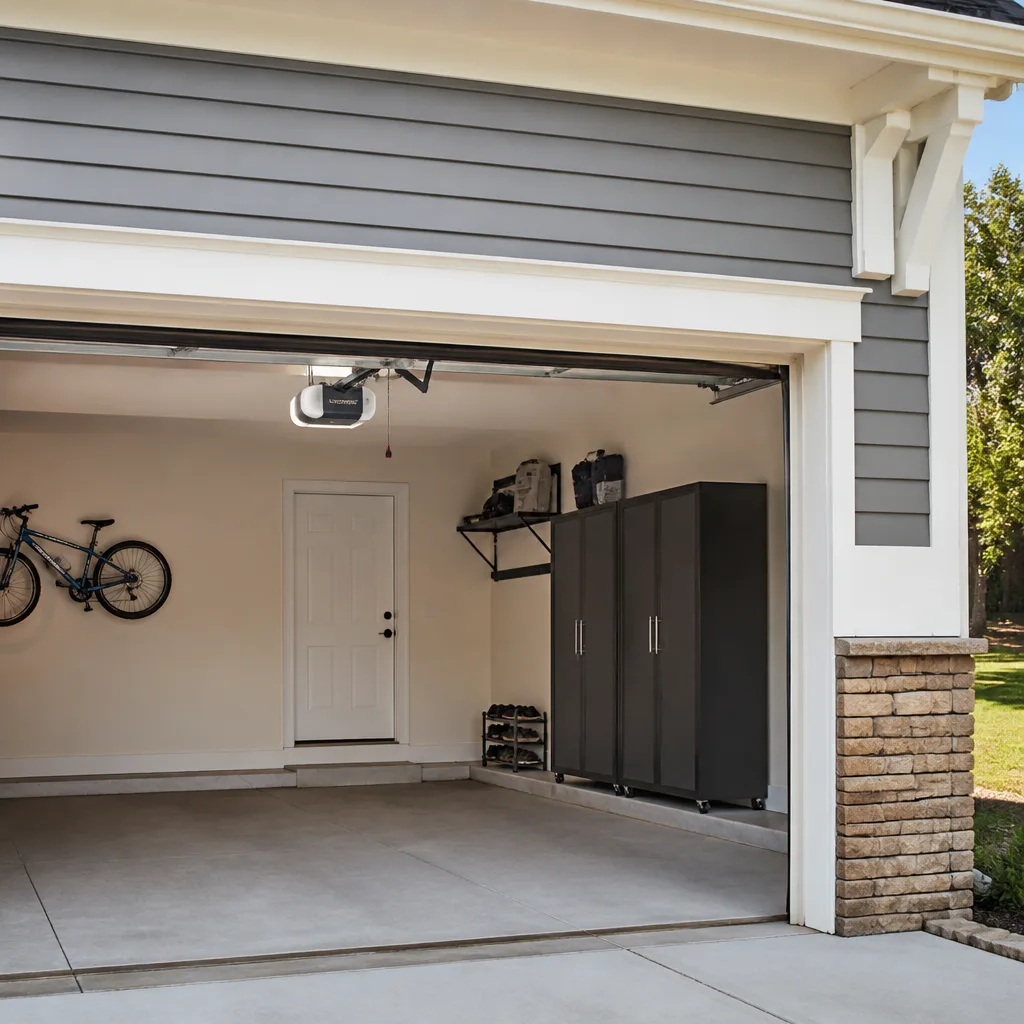 Chamberlain openers
Full 25-point door and opener safety check with every visit - springs, cables, rollers, tracks, and your LiftMaster or Chamberlain opener included
You get a price before we start. It does not change when the pro arrives.
Get your free estimateThe Complete Garage Door Installation Guide for Spring Valley Homeowners
A standard R-6 insulated door loses most of its thermal benefit when it’s installed in a frame with air gaps at the jambs. We see it on roughly one in three new installations we’re called in to correct around Spring Valley – a homeowner paid for insulation and got it delivered with a leaky picture frame around it. Buying the door is the easy part. Specifying it for a desert and installing it straight is where the money actually goes. This guide covers what door manufacturers’ default spec sheets don’t tell you about Spring Valley: which materials survive 115°F surface temps, what R-value your attached garage actually needs, why your springs age faster here, what Clark County wants to see on a permit, and the installation details that decide whether you’re replacing this door in twenty years or eight.
Quick Answer
For a garage door installation in Spring Valley that lasts, specify a 24- or 25-gauge steel door with a true measured R-value between R-9 and R-16 for an attached garage, request high-cycle torsion springs (25,000+ cycles) sized to the actual door weight, and hire an installer who pulls a Clark County permit and shows it to you. The door itself matters less than the three details you can’t see once it’s up: spring sizing, header bracket placement, and how the tracks sit on the slab. Get those right and a $1,800 door outperforms a $4,000 one installed wrong.
Styles & brands we work with
- Raised-panel steel
- Carriage house
- Modern flush
- Full-view glass
- LiftMaster openers
- Chamberlain openers
Table of Contents
- Material showdown: what survives the desert
- Insulation value reality check
- Spring sizing for extreme heat
- Permits in unincorporated Clark County
- The install details that give you twenty years
- The installation process, step by step
- Common mistakes to avoid
- When to call a professional
Material Showdown: What Survives the Desert
Out here the sun does the deciding. A west-facing garage door in Spring Valley can hit 115°F surface temperature by early afternoon in July, and it cools 60 degrees overnight, every night, for six months. That thermal cycling is what kills cheap doors, not the heat itself.
- Steel (24- or 25-gauge, 2- or 3-layer): The workhorse for this valley. Two-layer steel takes the sun well and holds paint for 10 to 15 years before fading. The 25-gauge 3-layer doors with polyurethane cores are what we recommend for attached garages facing west. Avoid 27-gauge single-layer steel panels; they oil-can and dent at the first shopping-cart bump.
- Aluminum: Won’t rust, which sounds great until you realize Spring Valley doesn’t have a rust problem – it has a heat problem. Aluminum expands more than steel and can gap at panel seams and score the rollers over time. Fine for detached garages and shaded north-facing doors; skip it on a west-facing attached garage.
- Composite wood and wood-look composites: The 2026 crop is better than five years ago, but we still see warping and finish-checking on west-facing wood-look doors within five years here, especially where the homeowner skipped the recommended re-seal. If you want the look, budget for resealing every four to five years. Composite more than makes up for it if you’ve got a shaded door.
Brand matters less than specification. Clopay and Amarr both make doors that will last 20 years out here and doors that won’t, in the same factory, at the same price point. We always read the gauge and core spec out loud to a homeowner before ordering, because the model name on the brochure won’t tell you.
Insulation Value Reality Check
Manufacturers love to advertise R-value on a door. That number is measured for the panel, in a lab, at 75°F. Your garage in Spring Valley in August is not a lab. A door rated R-16 that’s installed with a quarter-inch gap along one jamb has an effective R-value closer to R-5.
Here’s what actually matters for an attached garage in Clark County:
- R-9 to R-12 gets you most of the benefit. The jump from R-6 to R-9 changes the temperature in a garage by 15 to 20 degrees. The jump from R-12 to R-16 changes it by maybe five. The ROI drops off a cliff after R-12 for our climate.
- Attached vs. detached changes the answer. A detached garage is a shed with a door. Insulation is a comfort spend, not a smart spend. The attached garage is where your HVAC pays attention.
- Air sealing is worth more than the R-value. Weatherstripping along the sides and top, a properly compressed bottom seal at the slab, and a door that contacts the stop moulding evenly – these three details are worth roughly the same as the R-value jump from R-6 to R-12 in real-world performance.
In our experience, if a homeowner asks us one question, it should be this one: “Will you seal it properly at the jambs?” Nobody selling a door over the phone asks that. That’s how you end up with the leaky frame we open this guide with.
Spring Sizing for Extreme Heat
Your springs don’t know the weather. They know one thing: cycles. One open, one close, one cycle. On a door that opens four times a day – a typical Spring Valley household – that’s 1,460 cycles a year. A standard 10,000-cycle spring set on a stock residential door is rated for about seven years. Here, we see them fail closer to five, because the heat-cycled steel fatigues faster than the manufacturer’s Midwest test assumes.
Sizing is where most doors go wrong. The spring has to match the actual weight of the assembled door, panel by panel, plus hardware, plus glass inserts if you chose them. A door ordered with a “standard” spring set because the installers didn’t weigh it will be over-sprung or under-sprung, and either one eats the opener motor and shortens spring life.
- Standard 10,000-cycle springs: Wear out every five to seven years in this climate. Replaced two or three times over a twenty-year door life.
- High-cycle 25,000-cycle springs: Cost roughly $80 to $140 more per door up front. Go 15 to 20 years without replacement. The math is obvious if you plan to stay in the house.
- Matched pair, always. Never replace one spring when the pair is cycled out. The one you leave behind is the one that fails in six months.
We count spring cycles like you count tire miles. Ask your installer what cycle rating they ordered. If the answer is a blank look, that tells you which way to go. This is the same math we walk through in every garage door repair in Spring Valley call.
Permits in Unincorporated Clark County
A garage door is a building envelope component and a life-safety component. Clark County’s building department knows that, and a new door on a new opening needs a permit in most unincorporated areas. What gets missed on cash jobs isn’t the door – it’s everything around the door: header sizing, wind-load anchoring, and the electrical permit for the new opener circuit if one is being added.
Here’s what an owner-operator pulls and what a fly-by-night crew doesn’t:
- The framing and opening permit if the door width is changing or the header is being modified. Not required for a straight same-size replacement, but required if we’re widening from a single to a double.
- The electrical permit if a new opener outlet is being installed. In Spring Valley this is common on older homes where the opener was hardwired to a janky extension cord for 20 years.
- The final inspection – which is where the wind-load anchoring, the safety reverse trip test, and the photo-eye alignment all get verified by an inspector who’s seen 500 garage doors and isn’t impressed by yours.
Two things a homeowner should ask before anyone starts: “Who’s pulling the permit?” and “Will you show me the permit number before you start work?” If the answer is “we don’t need one for a replacement” in a situation where you do, that’s a crew that would rather save a $90 fee than protect your resale. Skip them.
The Install Details That Give You Twenty Years
Three details determine whether your Spring Valley door still operates smoothly in 2046. We’ve pulled apart enough installations that we can tell you exactly where they fail.
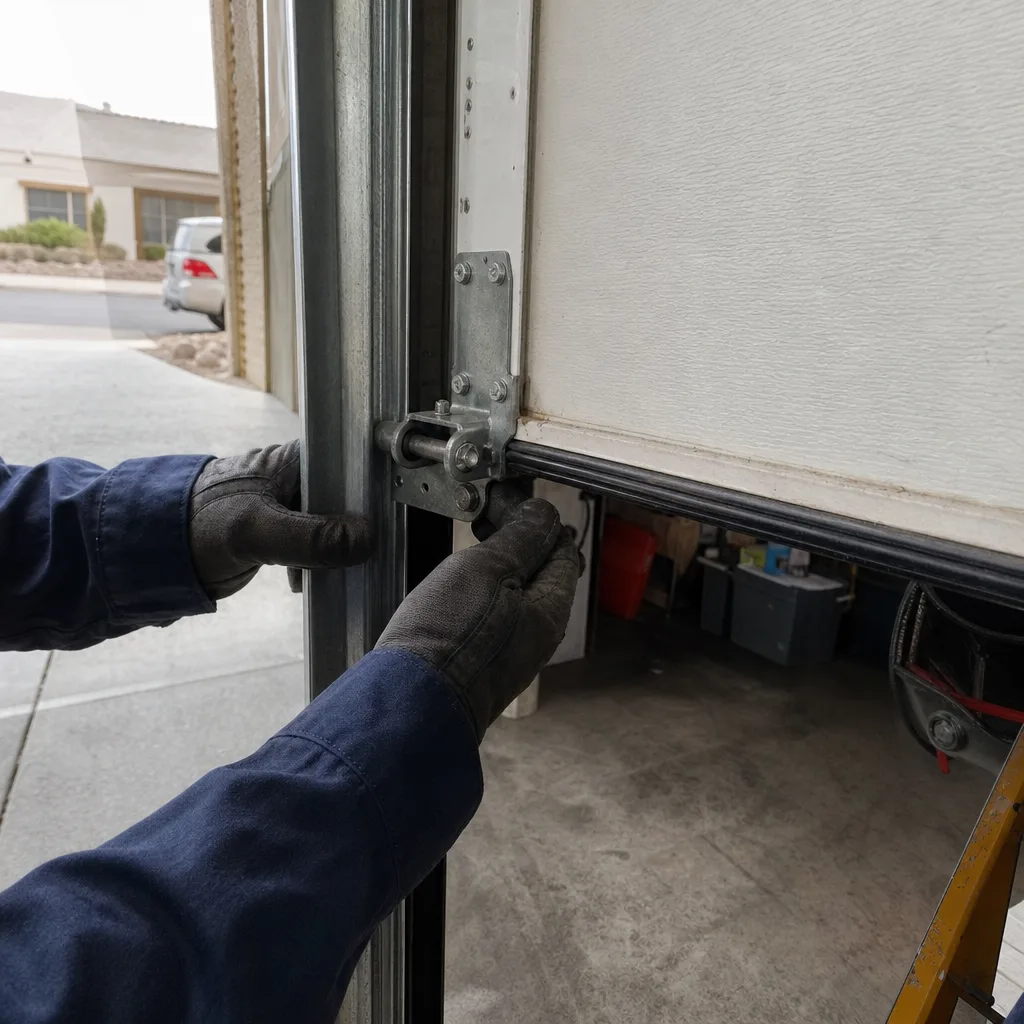
- Header bracket placement. The header bracket – where the torsion tube or opener rail anchors at the wall above the opening – has to sit at the exact height recommended by the manufacturer, mounted into solid framing, with the correct lag bolts. Not drywall, not a random 2×4 scabbed on as a shim. We’ve seen doors at elevation that fell out of the header bracket because the installer hit drywall and shrugged. That’s a falling 200-pound door into your garage. It’s also why nobody should be shoulder-tackling their own door install on a Saturday.
- Track plumb tolerance. The vertical tracks must be plumb within about 1/8 inch across their full height. There’s a reason: the roller rides the track, and if the track tilts even a fraction, one roller takes the load and one goes slack. Slack roller means chatter, premature roller wear, and a door that jumps the track after three or four years. Twisting a track with a level is 20 seconds of work. If your installer doesn’t, that’s an eight-year door.
- Bottom seal compression at the slab. The bottom seal has to sit compressed against the slab evenly across the full width. Uneven compression means the seal on one side isn’t touching while the other is squashed. That’s the air leak we open with. On a Spring Valley slab that’s settled even a little – and plenty of them have – the installer needs to either shim the track slides or recommend a bottom seal that tolerates the slope. A crew that just slaps the door down and leaves is selling you the leaky frame.
None of these are hard. All of them get skipped when the install is a race against a crew’s other three jobs that day. An honest installer takes four to six hours on a residential door and never asks you to help.
The Installation Process, Step by Step
Here’s what a proper install looks like, whether you’re working with us or anyone else:
- Measure and quote on site. Opening width, height, headroom, backroom, and jamb condition. Not on the phone. A phone quote that “sticks” is worth nothing if it’s wrong. Ours does stick – we measure, write the number, and honor it – but we’ve seen enough of the industry to know we’re the exception.
- Order the door to spec. Confirm gauge, core, R-value, glass, and spring cycle rating in writing. Four to six weeks lead time on most factory orders. We’ll tell you which models are running faster in the current supply chain.
- Pull the permit if the scope requires one. Ask for the number.
- Site prep. Old door removed, tracks and hardware carted off, opening swept and inspected for rot at the jambs and head. If the framing is soft, the door doesn’t go in until that’s fixed.
- Header bracket and torsion bar, laid out to the manufacturer’s spec, anchored into framing. Level verified.
- Tracks, rollers, hinges, panels. Vertical tracks plumbed to tolerance, panels stacked in correct order, hinges installed to the manufacturer’s numbering. Not “close enough.”
- Springs wound and tested – and this is where we’d stop you if you were planning to do it yourself. A 200-pound door rests on two wound springs. If the winding bar slips or the spring breaks mid-wind, it’s a hospital visit. This step is why you hire someone.
- Opener installation if new. LiftMaster and Chamberlain are what we install most, both with battery backup and smartphone control as standard options in 2026. For a deeper look at opener selection and setup, see our garage door opener repair & installation in Spring Valley page.
- Safety tests. Photo-eye alignment, force reverse test, balance test, travel limits. Every one of these is a life-safety check – the kid chasing a ball into the garage is the person these tests protect. We don’t leave until all four pass.
- Walkthrough with the homeowner. Lubrication schedule, balance check you can do yourself, what to watch for in the first month, and the written warranty. Ninety days on our labor, manufacturer warranty on the door, both in writing.
Total time on a standard residential install is four to six hours. If a crew claims they’ll have you done in two, ask what they’re skipping.
Common Mistakes to Avoid
- Buying on R-value alone. An R-16 door with air gaps at the jambs performs worse than an R-9 door sealed properly. Seal beats spec every time, and a good installer will tell you so before you sign.
- Accepting a phone quote as final. If the number on the phone doesn’t survive the driveway, walk. We quote on the call and hold the number at the door, and any reputable Spring Valley installer should do the same.
- Letting the installer skip the permit. A cash install with no permit means no inspection on wind-load anchoring or safety reverse testing. That’s not a discount – that’s a risk transferred to you, and your homeowner’s insurance will notice if a claim ever comes up.
- Choosing standard-cycle springs to save $100. You’ll pay for the difference three times over in a twenty-year door life in this heat. Ask for 25,000-cycle springs, in writing.
- Not verifying the installer’s license and address. A crew that won’t give you a published address and license number to check before the truck arrives is a crew you’ll never find again when something goes wrong in month nine.
- Skipping the safety reverse test on day one. Get on a ladder, lower the door onto a 2×4 laid flat on the slab, and confirm the door reverses. It should. If it doesn’t, call the installer back before they leave the street.
- Assuming all door brands fit all openings. A Clopay door specified for one opening width won’t fit another. Measure twice, order once. If your installer skips the on-site measure, they will eventually order the wrong door at someone else’s expense.
When to Call a Professional
Some garage door work is a homeowner’s job. Lubricating rollers and hinges, wiping down panels, keeping the photo-eyes clean – all fair game. Spring replacement, torsion bar work, track realignment, header bracket installation, and opener circuitry are not. The injury potential on a 200-pound door under tension is real and it happens fast.
Call us when the door is out of balance (it rises halfway and falls), when the opener is straining or reversing for no reason, when you’re hearing metal-on-metal at the track, or when you’re ready to spec and order a new door. Our garage door installation in Spring Valley service starts with a free on-site measure. If you’re not sure whether you need a repair or a replacement, we’ll tell you which and why – even if the answer is “repair is fine for another three years, save your money.”
Otto’s Garage Door Spring Valley offers free estimates in Spring Valley – call (888) 318-1978. If you’re just starting your research, start at our Otto’s Garage Door Spring Valley home page for the full picture of what we do.
See the difference
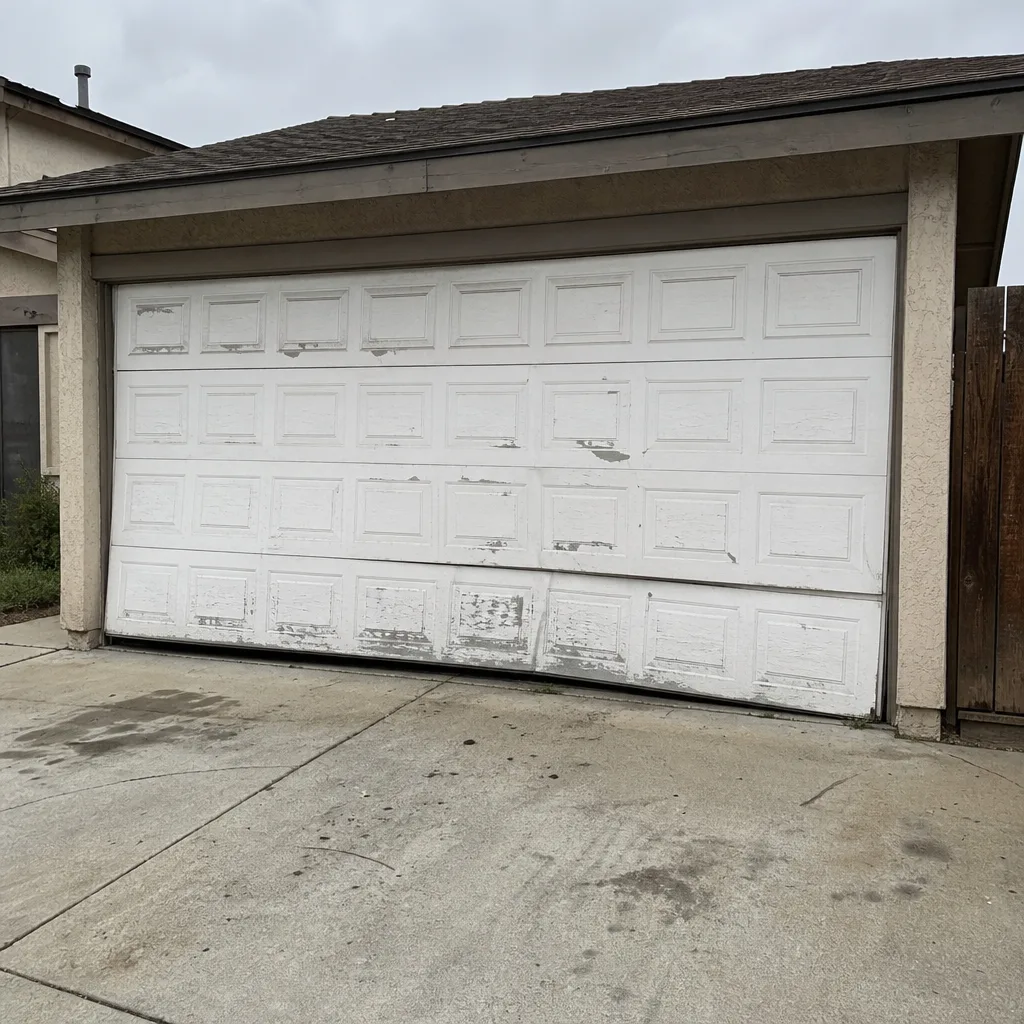 Before
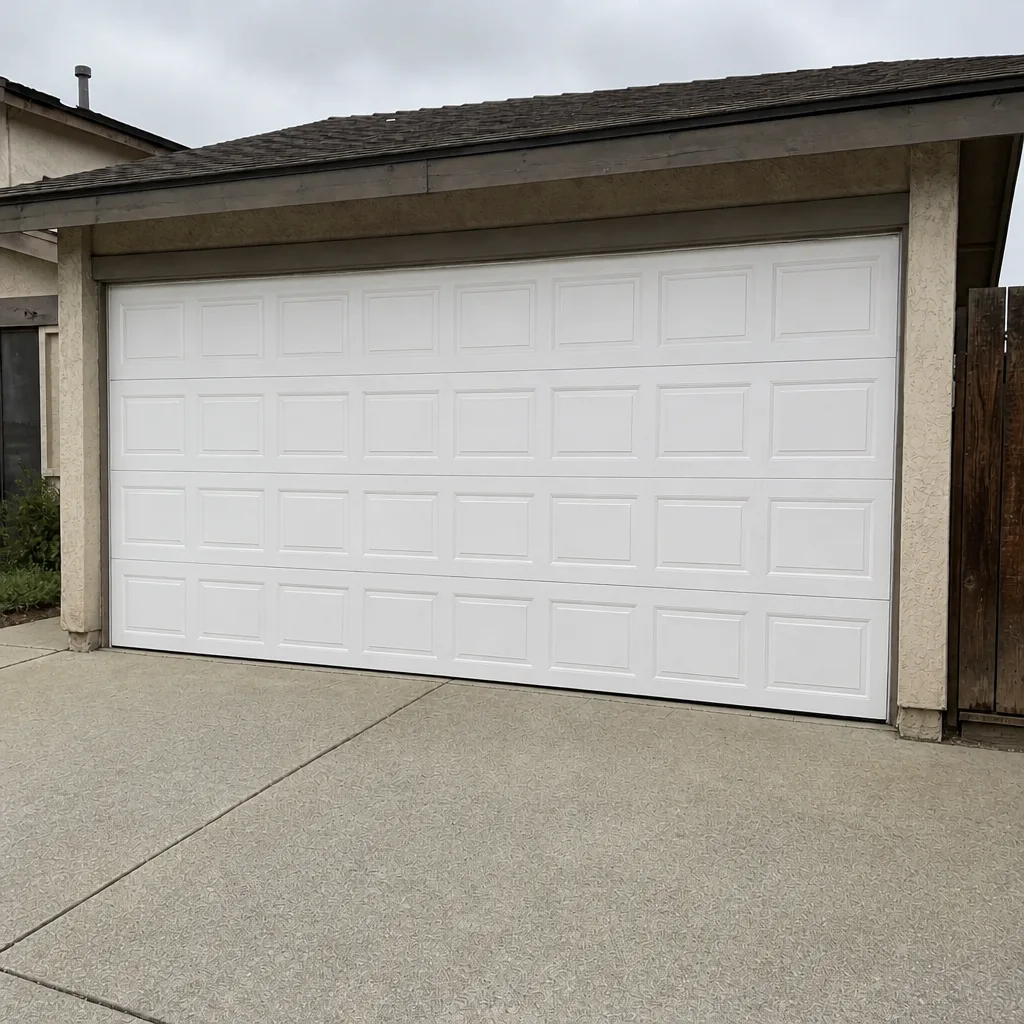 After
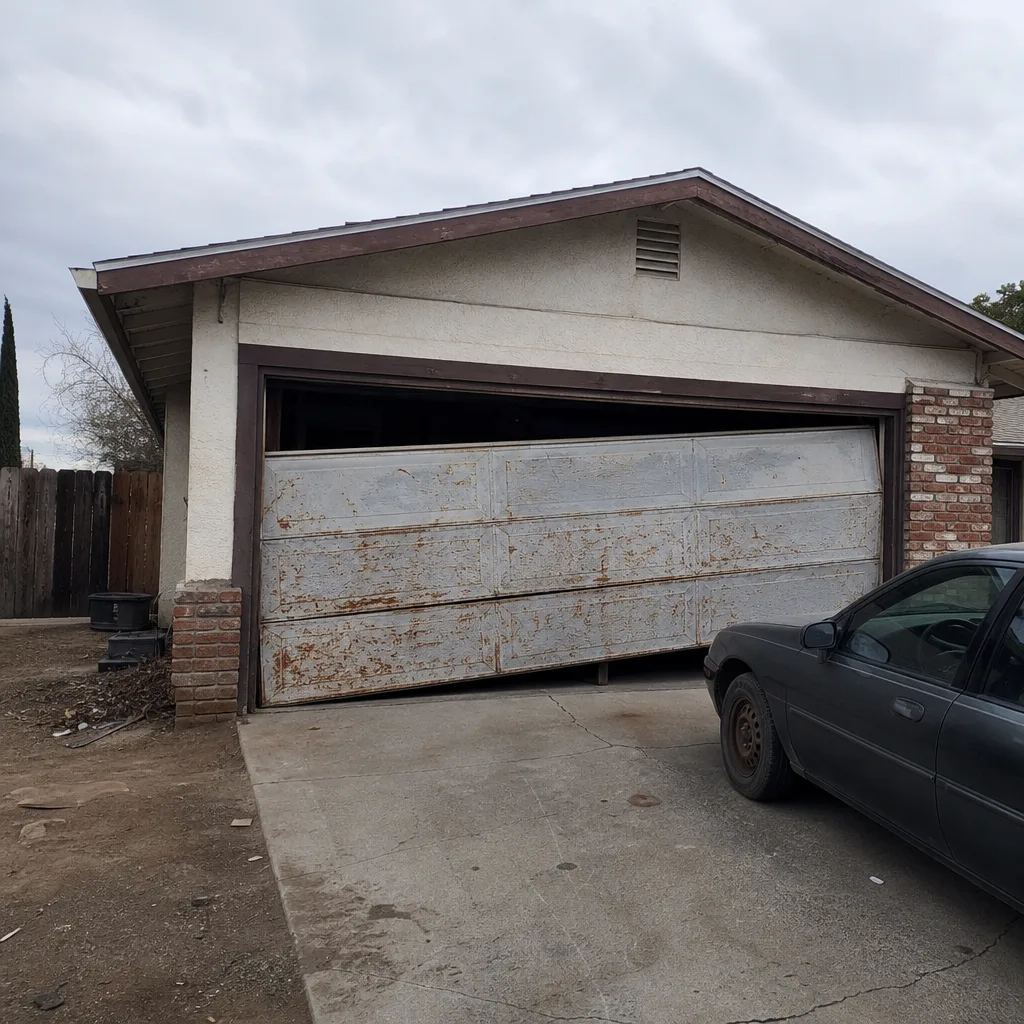 Before
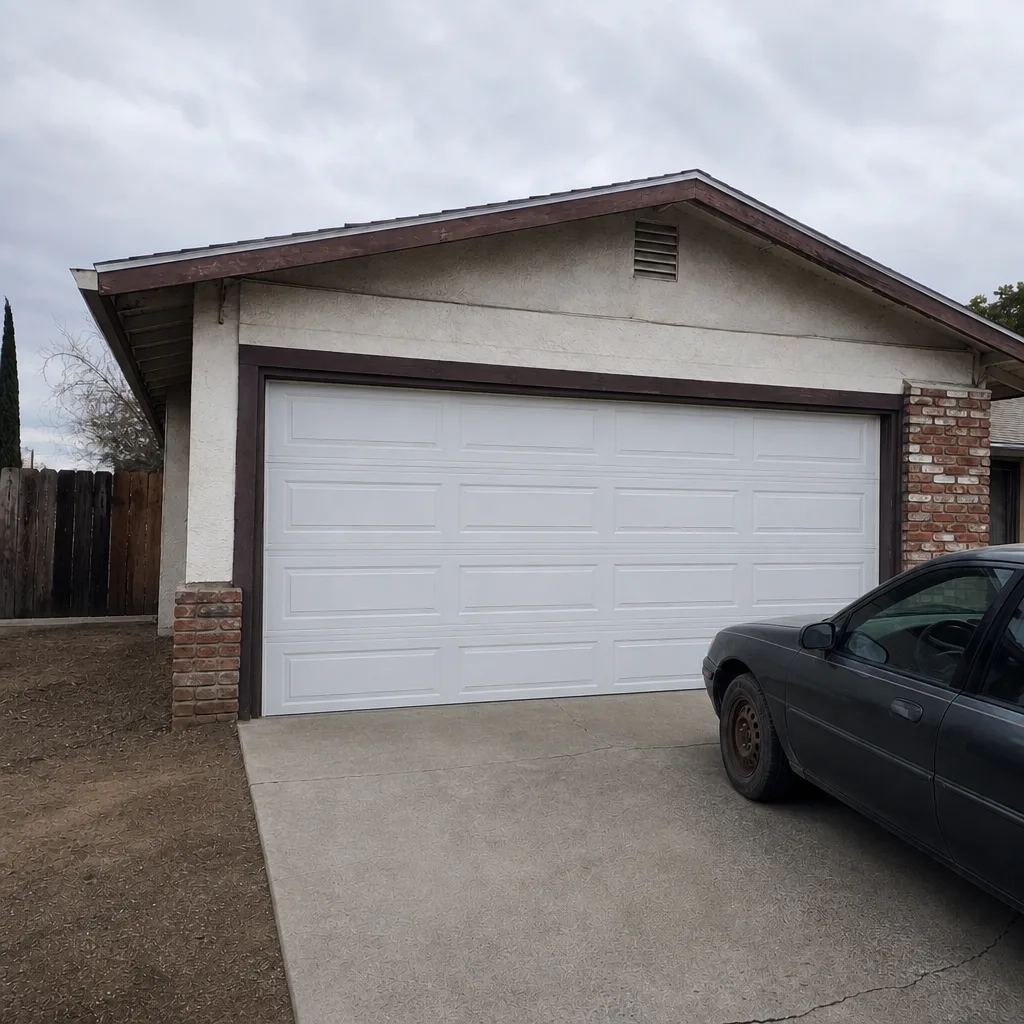 After
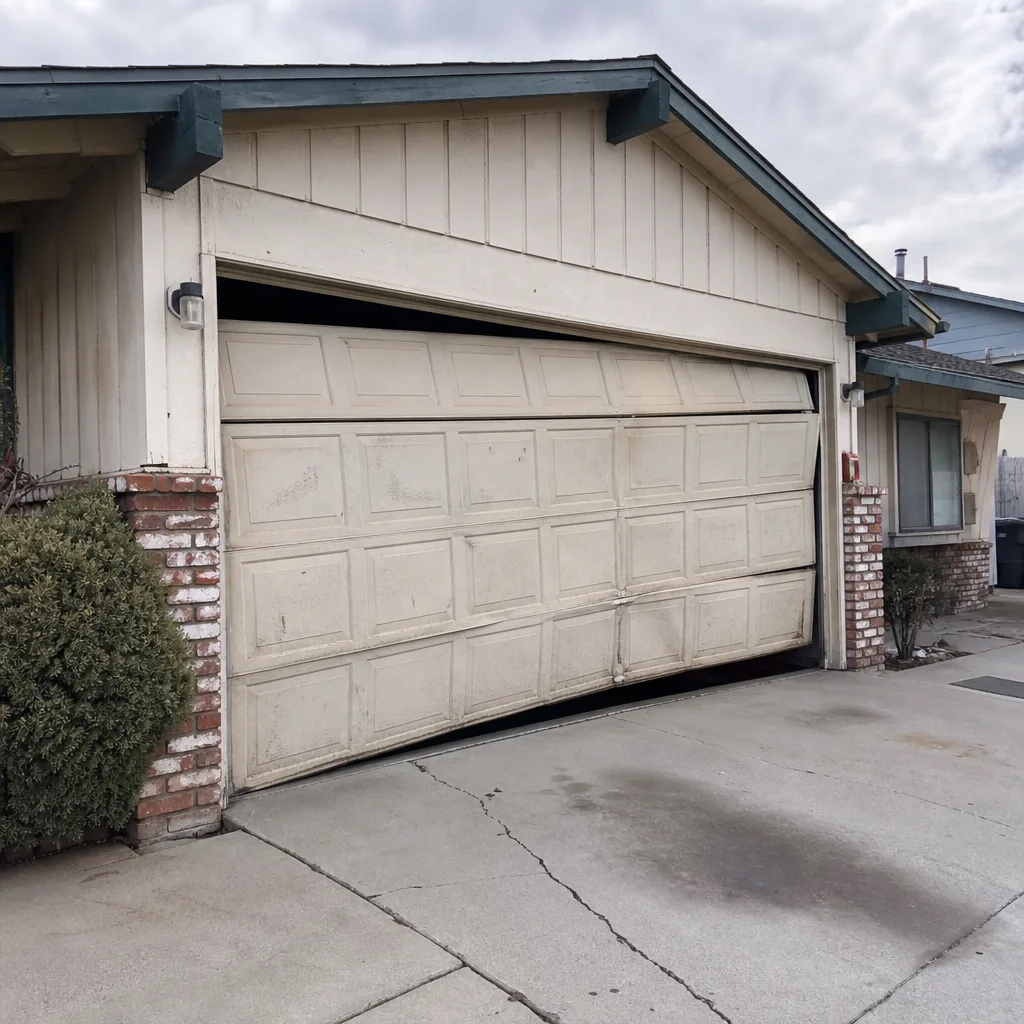 Before
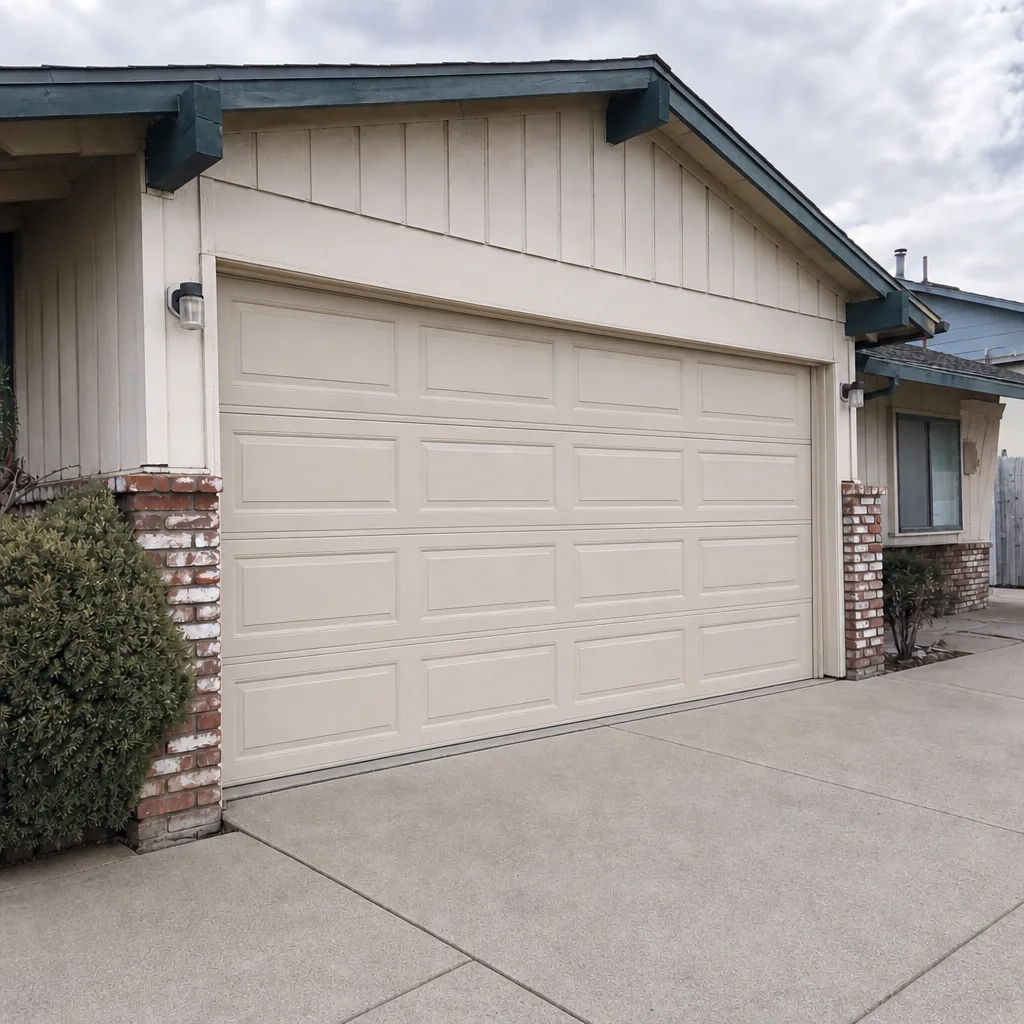 After
Frequently Asked Questions
A standard single-car insulated steel door runs $1,200 to $2,200 installed in Spring Valley; a double-car door runs $1,900 to $3,500 installed, depending on gauge, R-value, and glass. High-cycle springs add $80 to $140. A LiftMaster or Chamberlain opener with battery backup adds $350 to $650 installed. We quote the full number on the phone and hold it at the door, and we put it in writing before we order the door. Call (888) 318-1978 for a free on-site measure and exact quote.
Yes for most installations in unincorporated Clark County, especially if the opening is being modified or if a new electrical circuit is being added for an opener. Straight same-size replacements sometimes don’t require one – but the answer depends on your specific scope, and any installer who says “we never need one” hasn’t looked at your opening. Ask for the permit number before work starts. It protects your resale and your insurance claim if anything goes wrong.
25-gauge steel with a polyurethane core, two or three layers, is what we recommend for spring valley homes with west-facing attached garages. It handles the 115°F surface temps and the 60-degree overnight swings, holds paint for a decade-plus, and holds up structurally. Aluminum’s extra expansion makes it a worse choice here. Composite wood looks great but demands resealing every four to five years. Clopay and Amarr both make excellent doors in this spec – the model name matters less than the gauge and core.
Four to six hours on a standard single or double residential door, in normal conditions and with no surprises in the framing. The door itself is four to six weeks out from the factory in most cases. If someone tells you two hours, ask what step of the ten-step process they’re skipping – the answer is usually track plumb and bottom seal compression, which are exactly the two that decide how long the door lasts.
Absolutely, and we’ll put it in writing. High-cycle springs (25,000+ cycles) cost about $80 to $140 more than the standard 10,000-cycle set and go 15 to 20 years in Spring Valley heat instead of five to seven. That math is the single best decision you’ll make on the order form. If any installer can’t tell you the cycle rating, that’s your signal to call the next name on the list.
We install both on the same visit once the door is in from the factory – no separate trip, no extra charge. It’s the ordering time we can’t compress: most doors are four to six weeks out. We schedule the install day, show up when we said, and if the opener is going in with the door, we cross our fingers the electrical is ready and we finish in six hours instead of four. Call (888) 318-1978 to lock in a measure.
The Bottom Line
Spring Valley’s climate punishes doors spec’d for the Midwest. The three decisions that matter most are material and gauge (25-gauge steel for west-facing attached garages), insulation (R-9 to R-12 is the sweet spot, and air sealing beats R-value), and springs (high-cycle, always, in writing). The permit and the installation details – header bracket, track plumb, bottom seal – decide whether your door lasts eight years or twenty. The door is the easy part. The installer is the decision. Get the name of the person who’ll actually be on the job, check the license number, and hold them to the written price. That’s the whole guide in one sentence.
If you’re ready to spec and order, we’ll be there to measure – free, no trip charge inside the county, and the number won’t change between the phone and the driveway. Call (888) 318-1978 and we’ll get you on the calendar.
Written by the team at Otto’s Garage Door Spring Valley.