
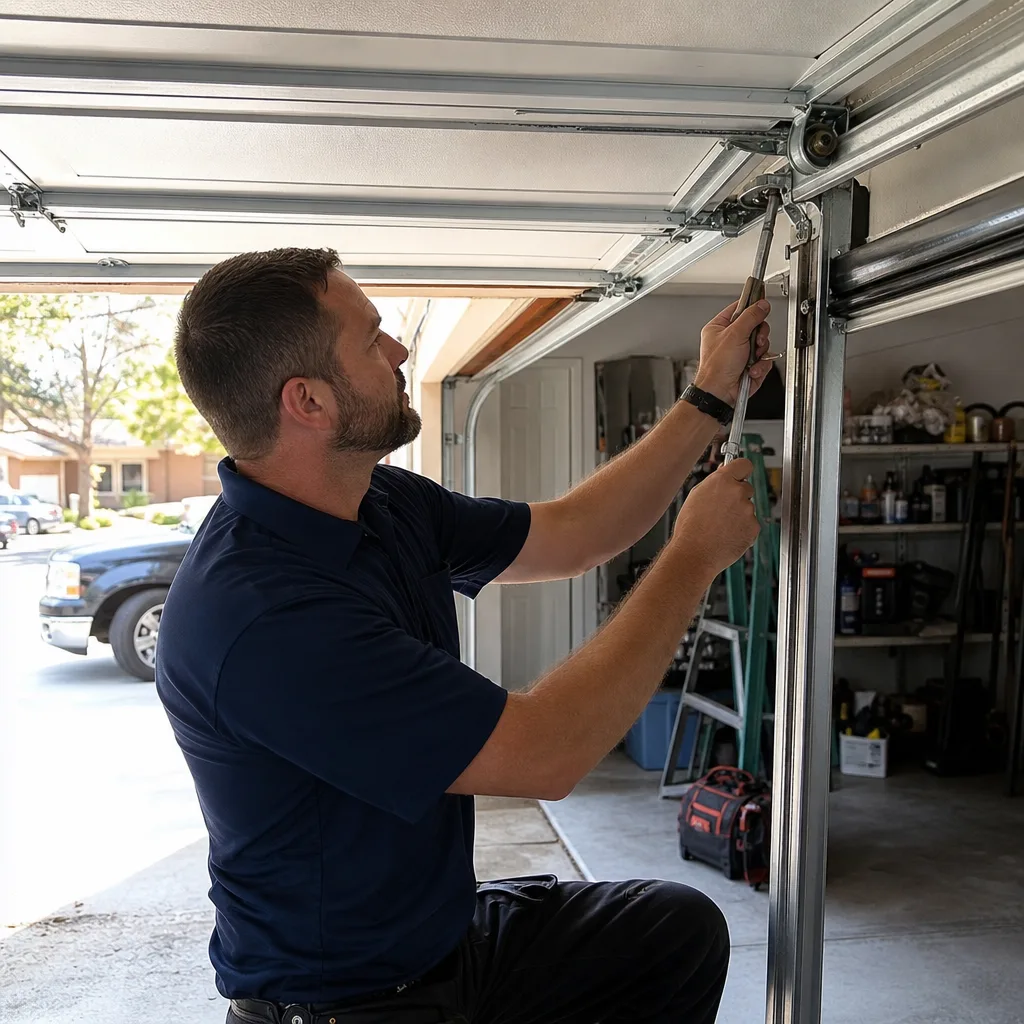
Last updated November 18, 2026
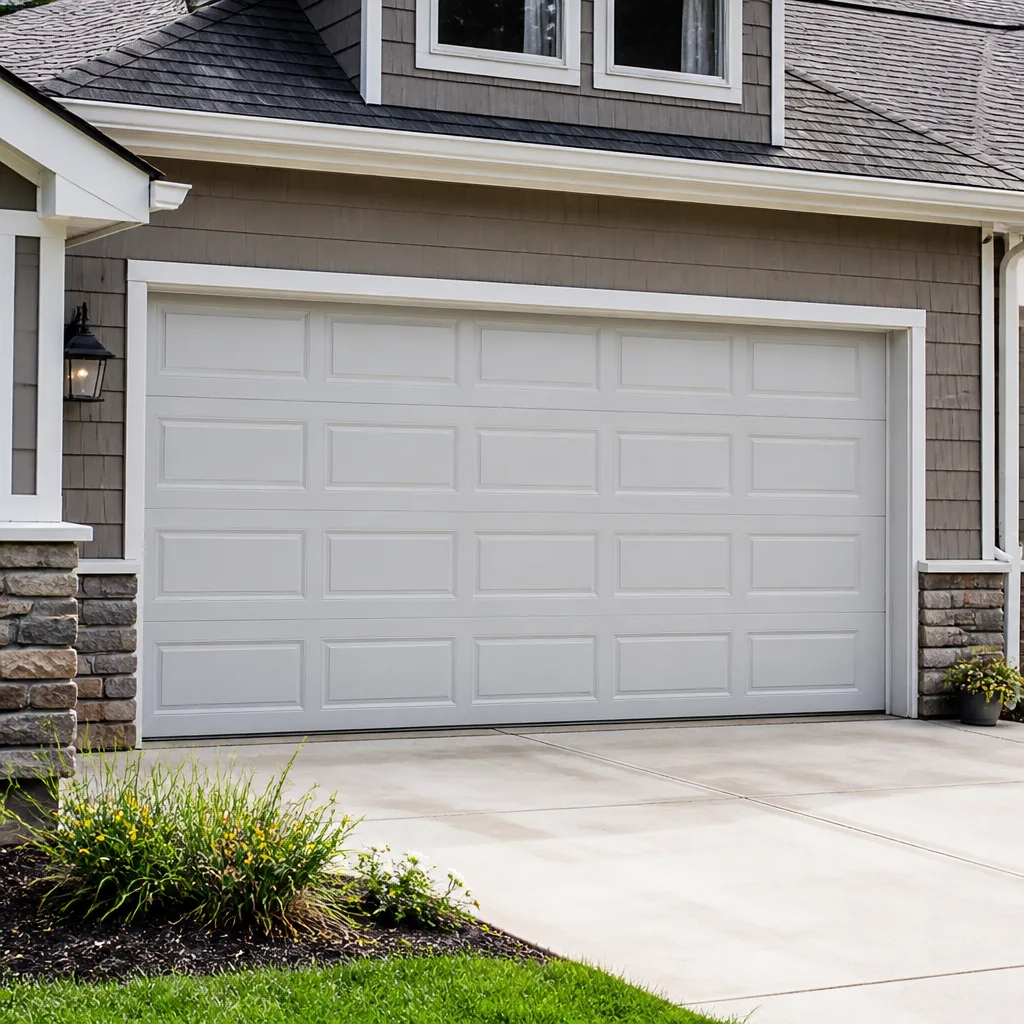 Raised-panel steel
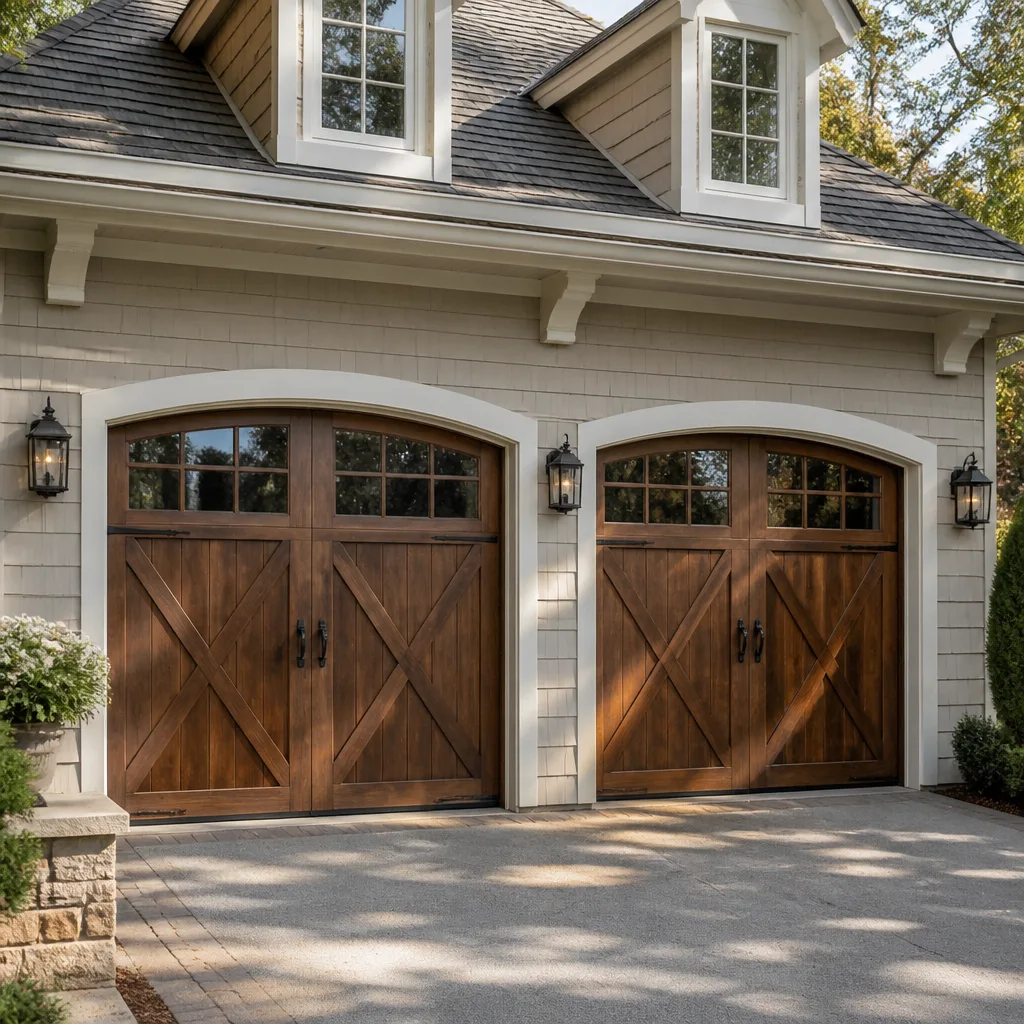 Carriage house
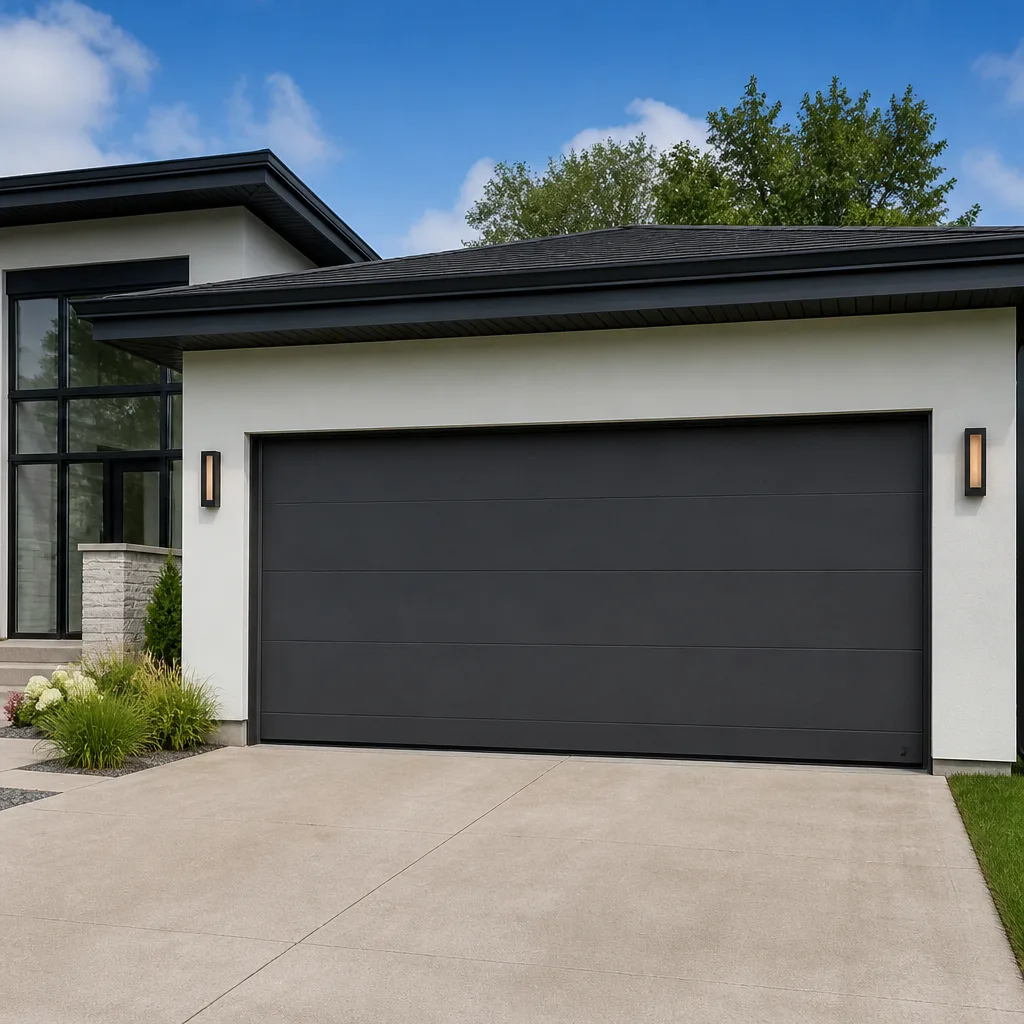 Modern flush
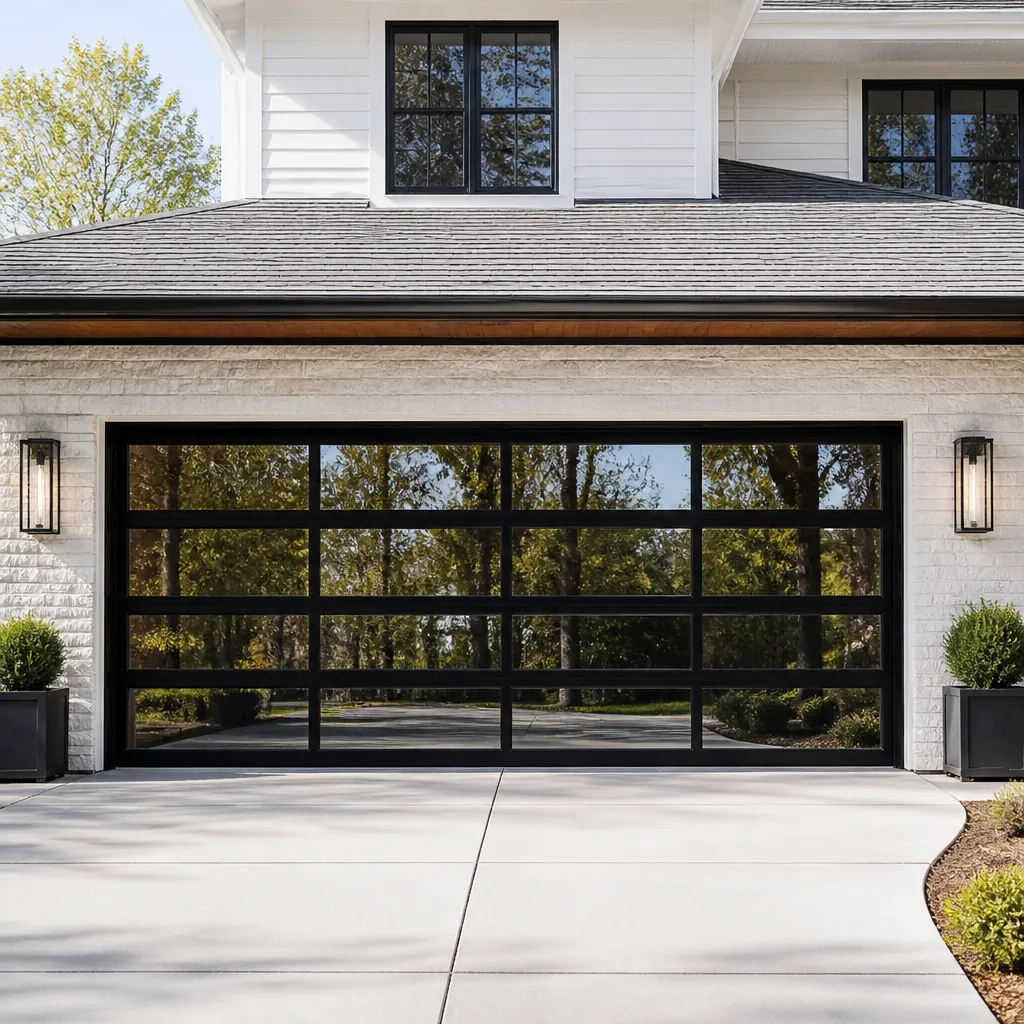 Full-view glass
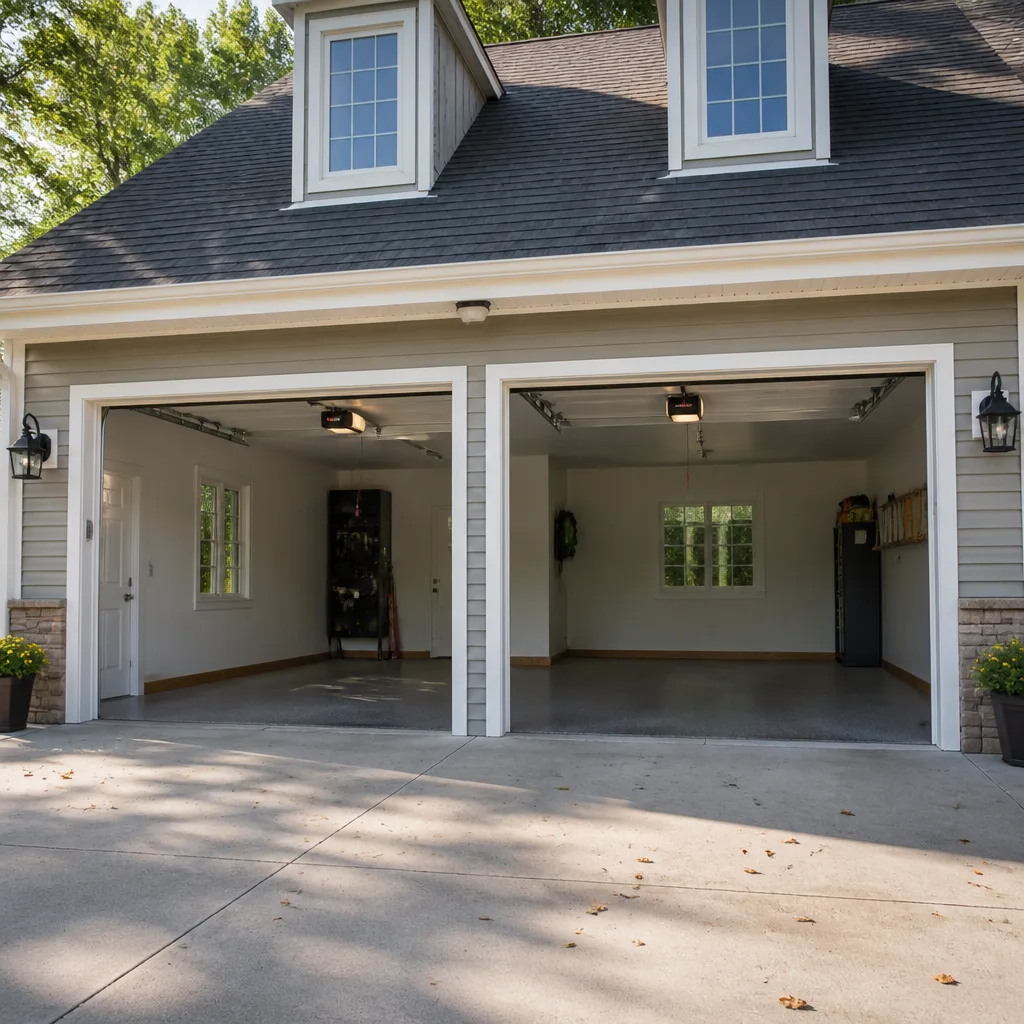 LiftMaster openers
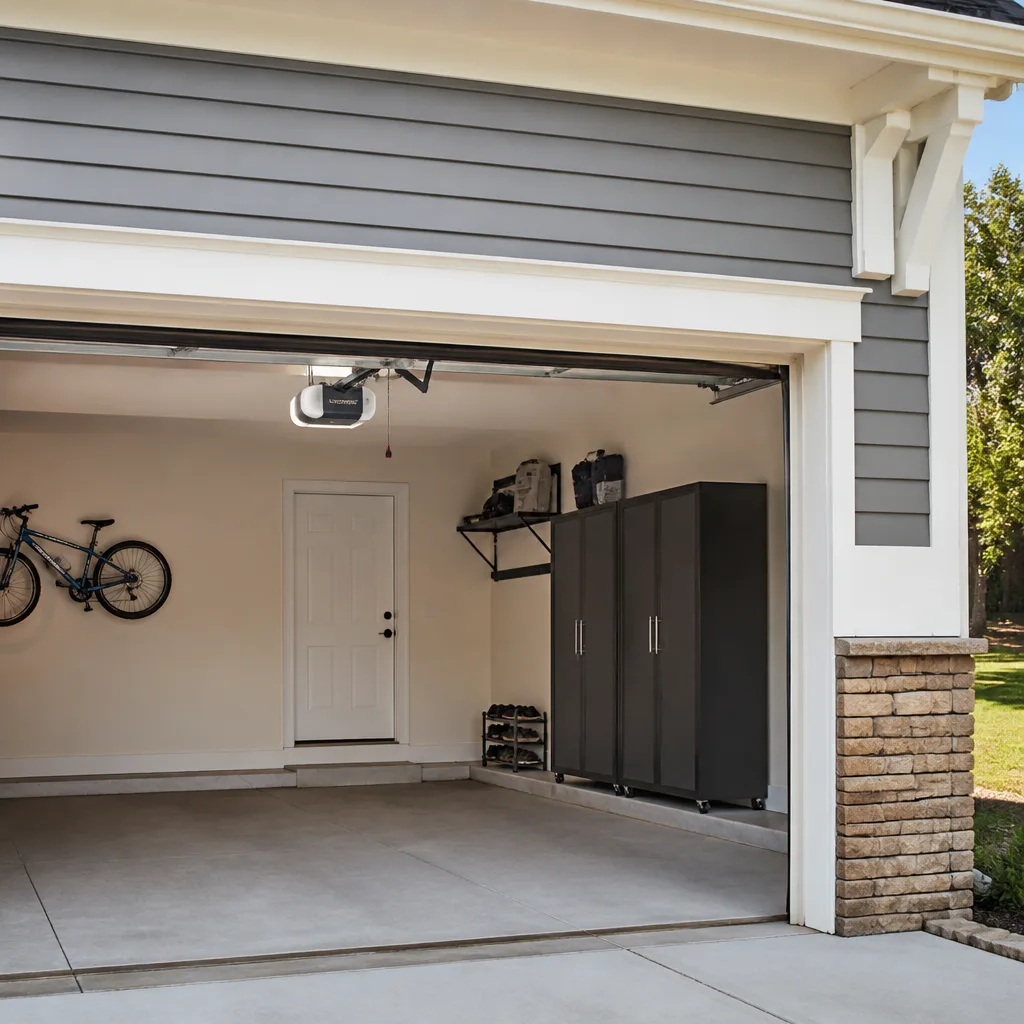 Chamberlain openers
Full 25-point door and opener safety check with every visit - springs, cables, rollers, tracks, and your LiftMaster or Chamberlain opener included
You get a price before we start. It does not change when the pro arrives.
Get your free estimateThe Complete Garage Door Repair Guide for Spring Valley Homeowners
Summer pavement temps in the Vegas Valley regularly hit 150°F, and that heat soaks straight into your garage. It bakes the lubricant on your springs into varnish inside a single season, and by the time you hear the pop, the damage started months earlier. Spring Valley sits right in that oven, and the doors here fail differently than doors back east. This guide covers what actually breaks in our zip codes, which repairs Clark County requires a licensed tech for, and the five calls we get most from neighbors in Spring Valley. If you want the short version first, it’s below.
Quick Answer
Most garage door problems in Spring Valley trace back to heat and dust, not age. Desert temperature swings wear out torsion springs faster than the manufacturer’s cycle rating predicts, and caliche dust grinds down rollers and track alignment. A licensed tech should handle anything involving springs, cables, or the torsion assembly, while a homeowner can safely manage lubrication, track debris, and safety-eye cleaning. Call (888) 318-1978 for a free estimate before small problems turn into a snapped spring.
Styles & brands we work with
- Raised-panel steel
- Carriage house
- Modern flush
- Full-view glass
- LiftMaster openers
- Chamberlain openers
Table of Contents
- Why Spring Valley Heat Breaks Doors Differently
- Torsion Springs in the Desert: Why They Fail Early
- Dust, Caliche, and Tracks: The Desert’s Real Enemy
- What Clark County Requires a Licensed Tech For
- The Five Calls We Get Most in Spring Valley
- What You Can Safely Check Yourself
- What Repairs Cost in Spring Valley
- The One Season That’s Actually Easier on Your Door
Why Spring Valley Heat Breaks Doors Differently
Metal expands when it’s hot and contracts when it cools, and in Spring Valley that cycle happens every single day, twice. A steel track that measures true at 7 a.m. can bow a sixteenth of an inch by 3 p.m. when the garage interior pushes past 130°F, then snap back overnight. Do that 300 times a year and the fasteners work loose, the panels torque slightly out of square, and the door starts to drag on one side.
We see this most in west-facing garages, the ones that take the full afternoon sun. Homeowners in the Rhodes Ranch and Southern Highlands areas call us about a door that “runs fine in the morning but catches by afternoon.” That’s not imagination. It’s thermal expansion showing up in the track and the hinges.
What compensates for it:
- Hinges and rollers rated for high-heat cycles, not the bargain hardware that ships with cheaper doors
- A slightly looser track tolerance than you’d set in a mild climate, so the door has room to grow
- Monthly checks on the lag bolts that hold the track to the wall, since heat loosens them faster here
- Springs sized for the actual door weight in summer conditions, not the factory spec sheet
The fix isn’t a bigger spring or a tighter track. It’s matching the hardware to the climate. That’s the whole game in Spring Valley.
Torsion Springs in the Desert: Why They Fail Early
A standard torsion spring is rated for around 10,000 cycles, and one cycle is one open and one close. On paper that’s years of use. In Spring Valley, we routinely see springs let go at 6,000 to 7,000 cycles, and heat is the reason. The lubricant that protects the coils turns to a sticky varnish under sustained high temperatures, the coils bind slightly against each other, and the metal fatigues faster than the rating assumes.
That’s why a door that’s only a few years old can snap a spring on a mild Tuesday morning in March. The math was already done by the previous August.
We count spring cycles the way you count tire miles. When we’re out on a repair, we’ll tell you roughly what’s left on yours so you’re not surprised. A few things that make a difference:
- Ask for a spring rated for the cycle count you actually want. Standard springs are the default. Higher-cycle springs cost more up front and last longer in this heat. For a door that gets opened four or five times a day, the upgrade pays for itself.
- Keep the springs lubricated. A silicone-based lubricant sprayed on the coils every few months slows the varnish problem. It’s the cheapest maintenance you can do.
- Watch for the warning signs. A door that feels heavier, a gap in the coils, or a loud bang from the garage are all signs the spring is on its way out.
Springs and cables are under extreme tension and can cause serious injury. This is not a DIY job, no matter what a video online implies. A door is 200 pounds riding on two springs. Respect it. Our Garage Door Repair in Spring Valley team handles spring replacement with the right tools and the right safety gear.
Dust, Caliche, and Tracks: The Desert’s Real Enemy
In wet climates, tracks rust. In Spring Valley, tracks fill with dust. The fine caliche particles that blow around the valley settle into the track channel and mix with whatever lubricant is on the rollers. That grit grinds the rollers down and eventually the door starts to bind. It’s a slower failure than rust, but it’s relentless.
You’ll notice it first as a door that’s noisier than it used to be, or one that jerks slightly as it travels. Left alone, the rollers flat-spot and the door gets harder to lift, which puts more strain on the opener. If the opener is straining, the problem is almost never the opener. It’s usually the door fighting a dirty track.
The desert maintenance routine is different from what you’d do back east:
- Wipe out the track channels every couple of months with a dry cloth. No oil in the track, ever, because oil traps dust.
- Lubricate the rollers, hinges, and springs with a dry silicone spray, not grease.
- Check the bottom seal for cracks. Desert sun dries out rubber fast, and a cracked seal lets dust and hot air in.
- Clear debris from the photo-eye lenses at the bottom of the track. Dust on those is the number one cause of a door that reverses for no reason.
Homeowners in the Spring Valley area near Fort Apache and Tropicana deal with more windblown dust than folks tucked against the mountains, so their tracks need attention more often. If you want an opener checked while you’re at it, our Garage Door Opener Repair & Installation in Spring Valley page covers what to look for.
What Clark County Requires a Licensed Tech For
A lot of homeowners ask us what they’re actually allowed to fix themselves. The honest answer: cosmetic and cleaning tasks are fine, and anything involving springs, cables, or the torsion assembly should go to a licensed technician. Clark County code treats the torsion system as a load-bearing assembly, and a repair that fails can drop a 200-pound door. Permits are generally required for a full door replacement, and a licensed tech signs off on the install.
Here’s a simple breakdown:
- Fine for a homeowner: wiping the tracks, lubricating rollers and hinges, cleaning the photo-eyes, replacing the remote battery, and swapping a light bulb in the opener.
- Licensed tech required: torsion spring replacement, cable replacement, track realignment, panel replacement, and any work on the torsion tube or drums.
- Permit territory: full door replacement, and structural changes to the opening. A licensed installer pulls the permit and handles inspection.
When you’re hiring, ask for the license number and verify it. Our team publishes ours, along with a real address, so you can check before anyone shows up. That’s how it should work everywhere in Spring Valley, and it doesn’t always.
The Five Calls We Get Most in Spring Valley
We answer the phone around the clock, and the calls that come in from Spring Valley zip codes tend to fall into five patterns. Here’s what they are and what usually caused them.
- The spring snapped and the door won’t open. Nine out of ten times this is a torsion spring that hit its heat-shortened cycle limit. The door is stuck down, the car is locked in, and it usually happens on a weekend.
- The door reverses on its own. Almost always one of two things: a dusty photo-eye, or a track that’s shifted slightly out of alignment from thermal movement. Cleaning the eyes fixes half of these on the phone.
- The door is crooked or binds on one side. A heat-loosened track bolt, or a roller that’s worn unevenly from grit. Left alone, it wears the opener gears too.
- The opener runs but the door doesn’t move. A stripped gear in the opener, often on a Chamberlain or Genie unit that’s seen a lot of duty. Sometimes it’s the emergency release that got pulled and never reset.
- The door is loud and shaky. Dust, dry rollers, and worn hinges. This is the one call we most often fix in under an hour.
If you’re pricing out a repair, our Otto’s Garage Door Spring Valley home page lays out how we quote the job on the call and hold that number at the door.
What You Can Safely Check Yourself
There’s a rhythm to a door that’s about to fail, and you can spot most of it with your eyes and ears before you ever call us. This is a check, not a repair. It’s what we walk through with homeowners on the phone, and it takes two minutes.
- Listen. Open and close the door once. A rhythmic thumping or a grinding noise points to a roller or track problem. A loud pop or bang means stop and call.
- Look at the springs. If you can see a visible gap in a torsion spring above the door, it’s broken. Don’t touch it. Call.
- Test the balance. Disconnect the opener with the release cord and lift the door halfway by hand. It should stay put. If it slams down or feels very heavy, the springs need attention.
- Check the photo-eyes. Wipe the lenses at the bottom of each track with a dry cloth. If the door reverses for no reason, this fixes it more often than anything else.
- Look at the bottom seal. Run your hand along it. Cracks and gaps mean hot air and dust are getting in, and it’s a cheap part to replace.
Anything that involves the springs, cables, or the torsion assembly, leave alone. The rest you can do safely, and it’ll save you a service call.
What Repairs Cost in Spring Valley
Pricing varies by door size, brand, and what’s actually wrong, but these ranges give you a realistic picture of what we see across the valley. We quote the job before we show up, and that number doesn’t change when we’re standing in your driveway.
- Torsion spring replacement: typically $180 to $340 for a single spring, more for a dual-spring setup or a higher-cycle spring upgrade
- Cable replacement: usually $120 to $220 per side
- Roller and hinge replacement: around $90 to $180 for a full set
- Track realignment: typically $120 to $200
- Opener gear replacement: usually $150 to $280, depending on the brand
- Panel replacement: $200 to $500 for a single panel on a Clopay or Amarr door, and hard to source on older doors
- Full door replacement: varies widely by size, insulation, and style, and we measure before we quote
Repair pricing for Spring Valley reflects the same factors everywhere in the valley: brand of door, weight, and whether the opener needs anything. We back every job with the 90-Day Done Right Promise, in writing. For a full door replacement, we measure and schedule rather than promise same-day, because that work isn’t done right on the fly. For an exact quote, call (888) 318-1978. Estimates are free.
The One Season That’s Actually Easier on Your Door
Spring Valley winters are mild enough that most homeowners forget the door altogether. That’s a mistake, and a useful one. Winter is when the springs get a break from the daily heat cycle, which means it’s the best time to catch a problem before summer pushes it over the edge.
A spring that’s at 60% of its cycle life in January will very likely fail by July. If you get an inspection in winter, you get to plan the fix on your schedule rather than on a Saturday night when your car is trapped. The same goes for the door seal and the opener gear, both of which wear through summer and can be replaced before the next heat wave.
Most of the calls we get from Spring Valley come in the heat of summer, not February. A little winter attention flips that pattern.
Common Mistakes to Avoid
- Oil on the tracks. It feels like it’ll make the door quieter, and it does, for about a week. Then the caliche dust coats the oil and turns the track into sandpaper. Use dry silicone on rollers, not oil in the tracks.
- Replacing a spring without checking the other one. Springs are usually installed in matched pairs. If one breaks, the other is on the same clock. Replacing one and not the other means you’ll be doing it again soon.
- Ignoring a door that runs crooked. A door that binds on one side stresses the opener gears and eventually burns out the motor. Fix the alignment before you replace the opener.
- Hiring on price alone. A quote that’s hundreds below everyone else usually means a bargain spring or a tech who isn’t licensed. In Spring Valley, that spring will be back in two summers.
- Lubricating the wrong parts. Grease on the torsion tube, oil on the photo-eyes, or the wrong product on the rollers all cause more harm than good. Dry silicone on the moving parts, dry cloth on everything else.
- Skipping the winter check. Almost everyone in Spring Valley does, and it’s the reason July is our busiest month.
- Assuming a loud door is normal. It isn’t. A door that gets louder every month is telling you a part is wearing out, and it’s cheaper to fix that part now.
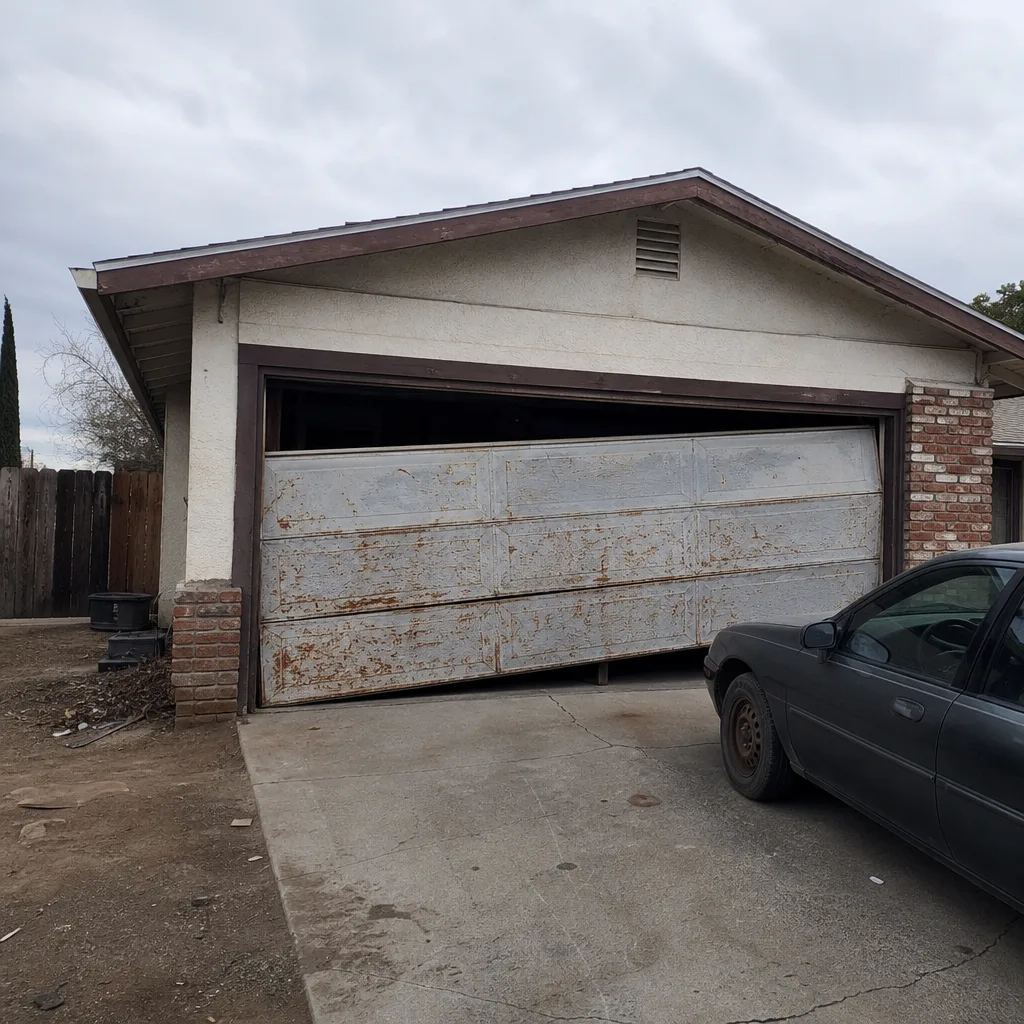
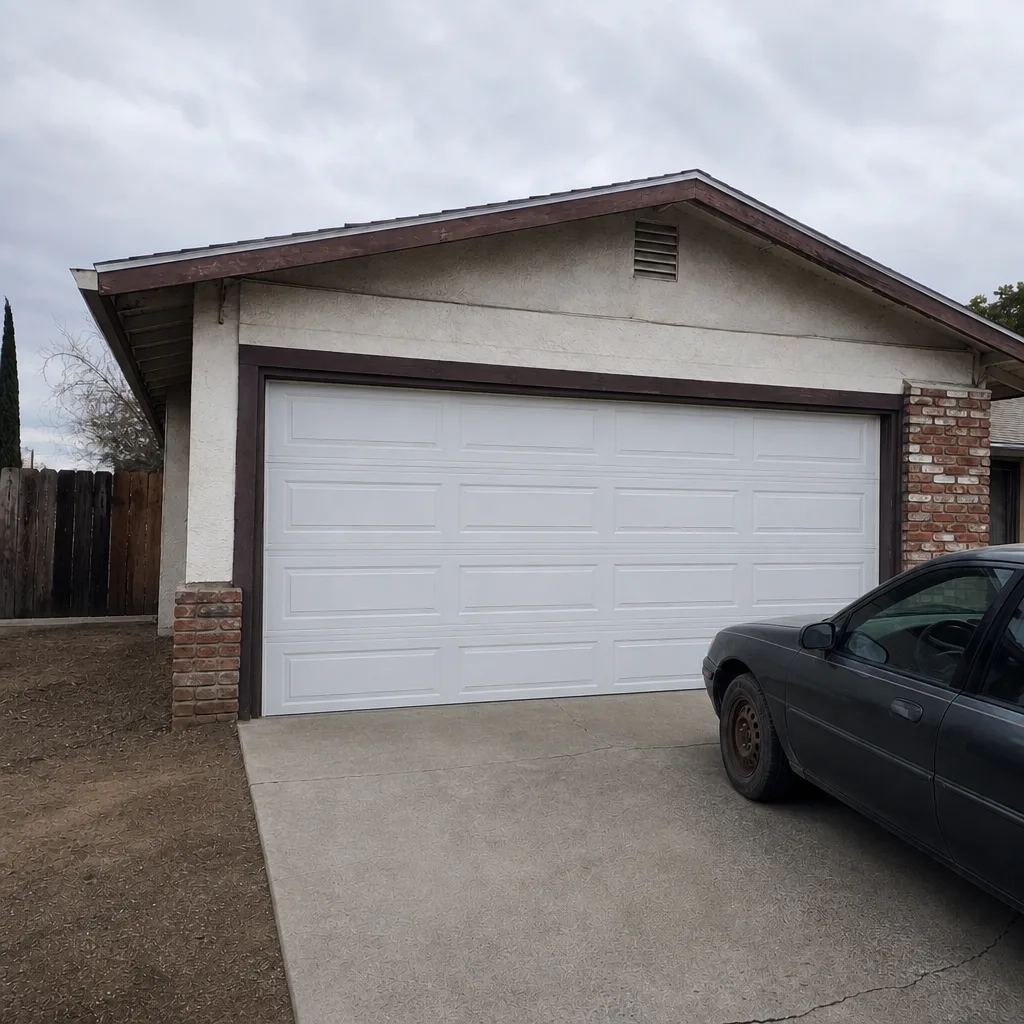
See the difference
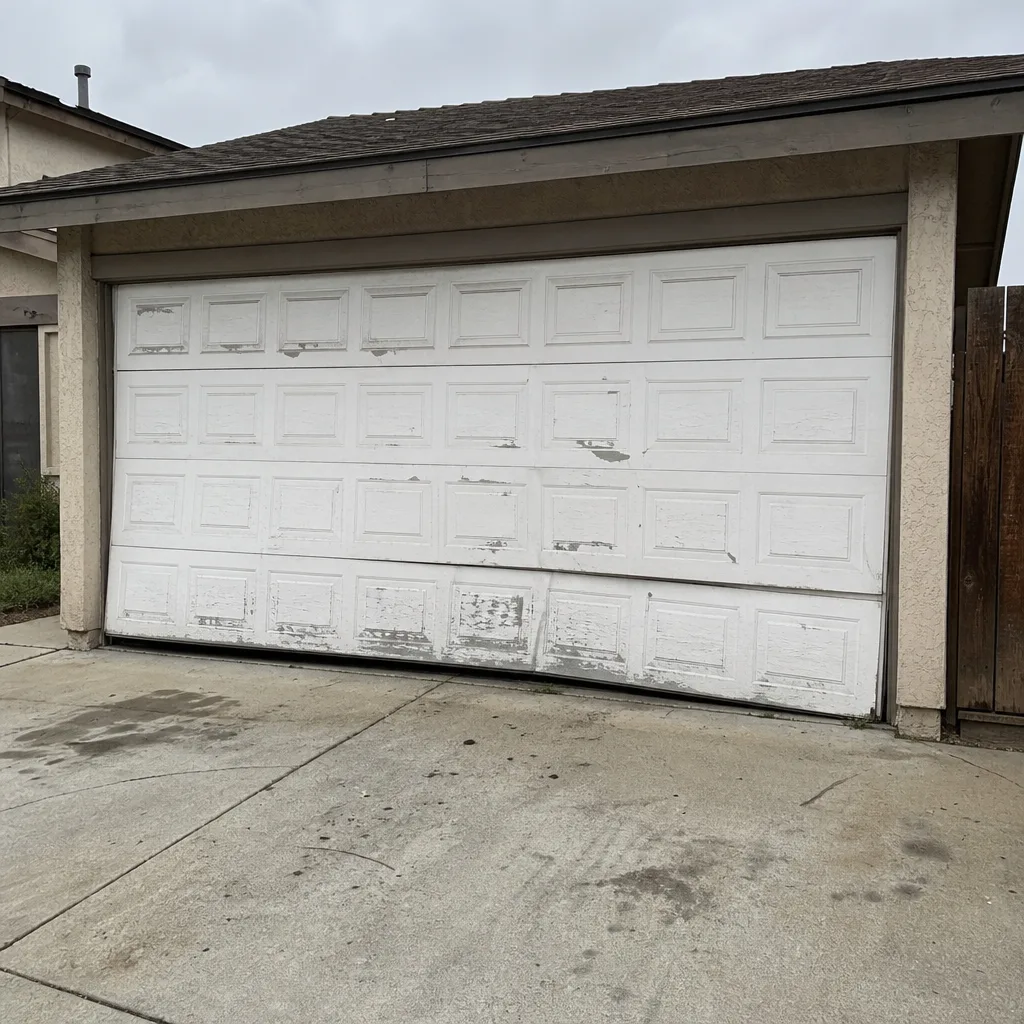 Before
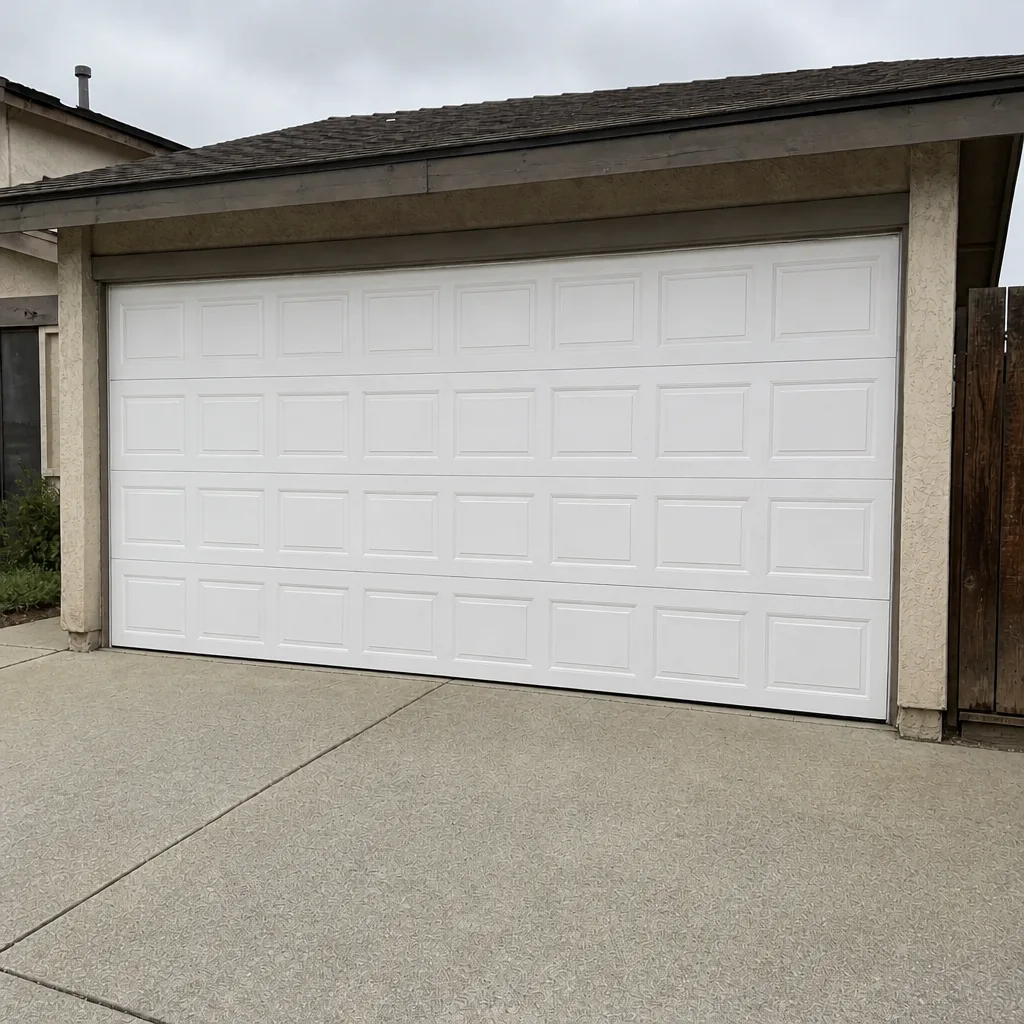 After
 Before
 After
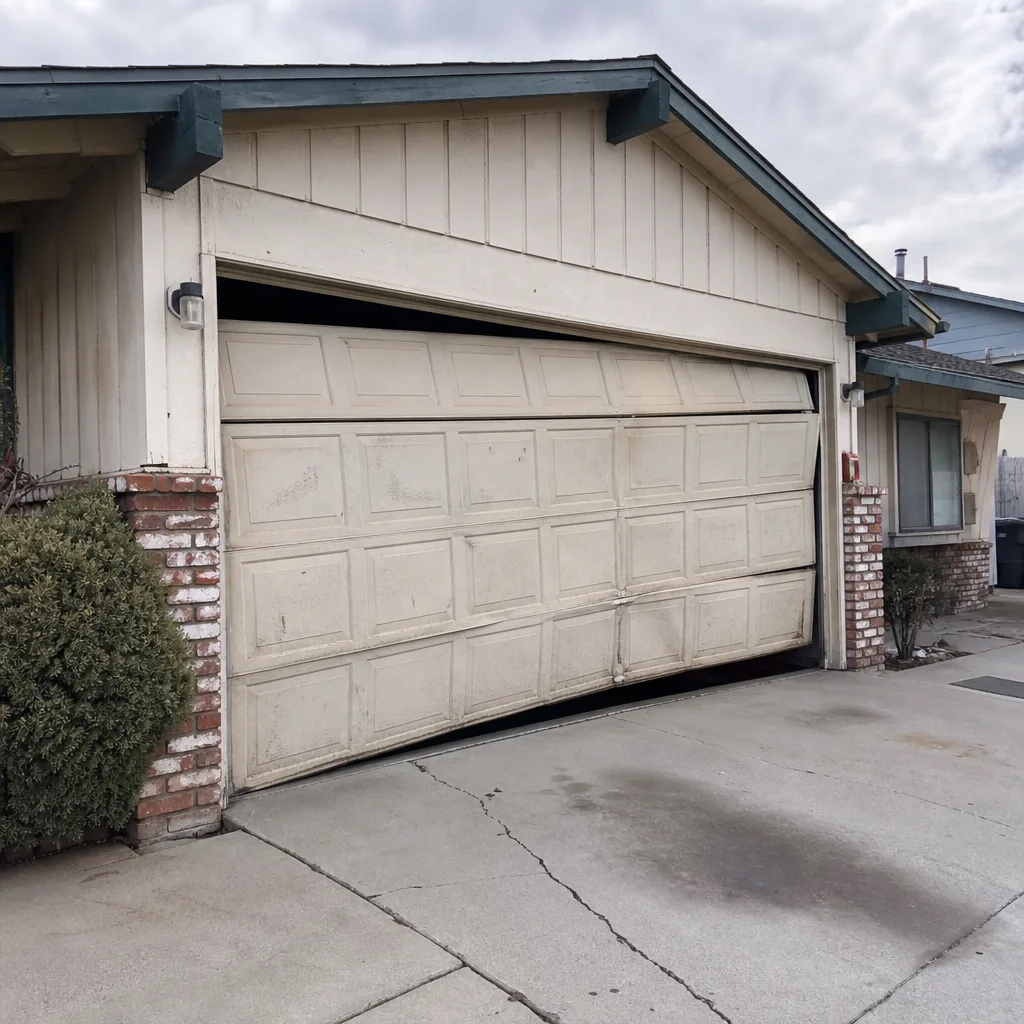 Before
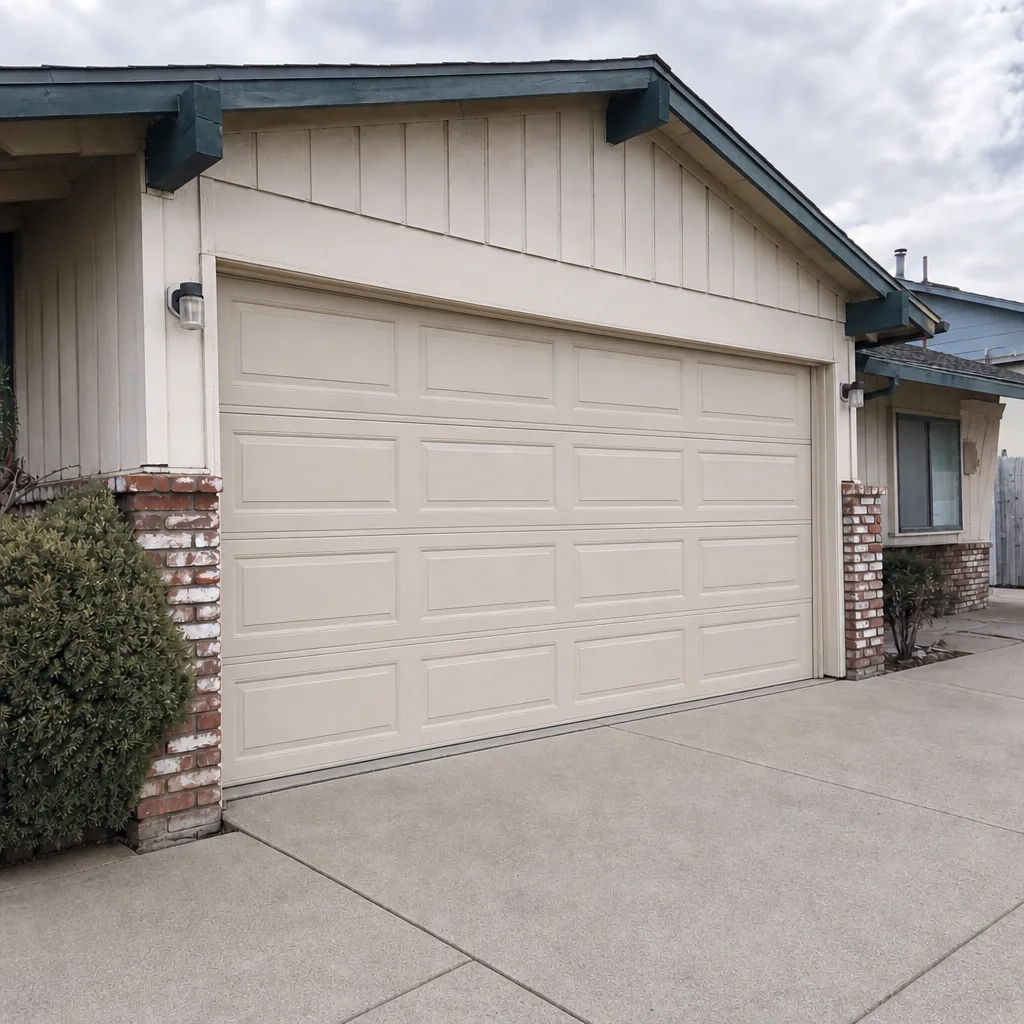 After
When to Call a Professional
Call us when you hear a pop or a bang and the door won’t open. Call when the door reverses on its own and cleaning the photo-eyes doesn’t fix it. Call when the door is crooked, won’t stay up when you test it by hand, or has a visible gap in a spring. Call when the opener runs but nothing moves. Call when the door is more than a few years old and you don’t know the last time it was inspected. Our team in Spring Valley offers free estimates and a free second opinion on any written estimate you’ve already got, plus a 10% discount for seniors and veterans. If you’re not sure whether it’s serious, call (888) 318-1978 and we’ll walk you through it on the phone. If it’s a Saturday night emergency, a live person answers. For a new door, we measure and price it in writing. For an upgrade, our Garage Door Installation in Spring Valley page lays out the options.
Frequently Asked Questions
Heat is the main cause. Temperatures inside a Spring Valley garage regularly top 130°F in summer, and that turns standard spring lubricant into varnish, which binds the coils and shortens spring life by 30 to 40 percent compared to the manufacturer’s cycle rating. A spring rated for 10,000 cycles often fails around 6,000 to 7,000 here. Call (888) 318-1978 for an exact quote – estimates are free.
You can safely handle cleaning, lubrication, and photo-eye maintenance yourself. Anything involving the torsion springs, cables, or track realignment should go to a licensed tech, and full door replacements generally require a permit pulled by a licensed installer. Springs and cables are under extreme tension and can cause serious injury. If you’re unsure, call (888) 318-1978 and we’ll tell you on the phone whether it’s a DIY job.
Most single torsion spring replacements run $180 to $340, with higher-cycle springs and dual-spring setups costing more. The price depends on the door weight and the spring spec, not the neighborhood. We quote it on the call and hold the number at the door. Call (888) 318-1978 for an exact quote – estimates are free.
No. We quote the job before the visit and the number doesn’t go up when we arrive. If what you described turns out to be a different problem, we tell you what we found and what it costs before we start, and you decide. That’s the whole point of quoting on the call.
Yes. Our technicians are licensed and background-checked, and we train across all major brands including Chamberlain, Genie, Clopay, and Amarr. We publish our address and license number so you can verify them before the truck arrives. Every job is backed by the 90-Day Done Right Promise in writing.
Often, yes. A live person answers the phone around the clock, and spring and opener failures are usually same-day jobs. We quote on the call and hold the price when we arrive. Call (888) 318-1978 and we’ll tell you what we can do today.
The Bottom Line
Spring Valley’s heat, dust, and daily temperature swings break garage doors in ways a generic guide won’t tell you about. Springs fail early because the lubricant bakes off, tracks fill with caliche grit, and heat-loosened hardware throws doors out of alignment. The fixes are simple once you know what you’re looking at: high-cycle springs, dry silicone on the moving parts, and a winter check that catches problems before July. Anything involving springs, cables, or the torsion tube goes to a licensed tech, no exceptions. The rest you can keep an eye on yourself. If you’d rather have someone look, we’ll come out and tell you straight what’s wrong and what it costs. For a free estimate, call (888) 318-1978.
Written by the team at Otto’s Garage Door Spring Valley.