
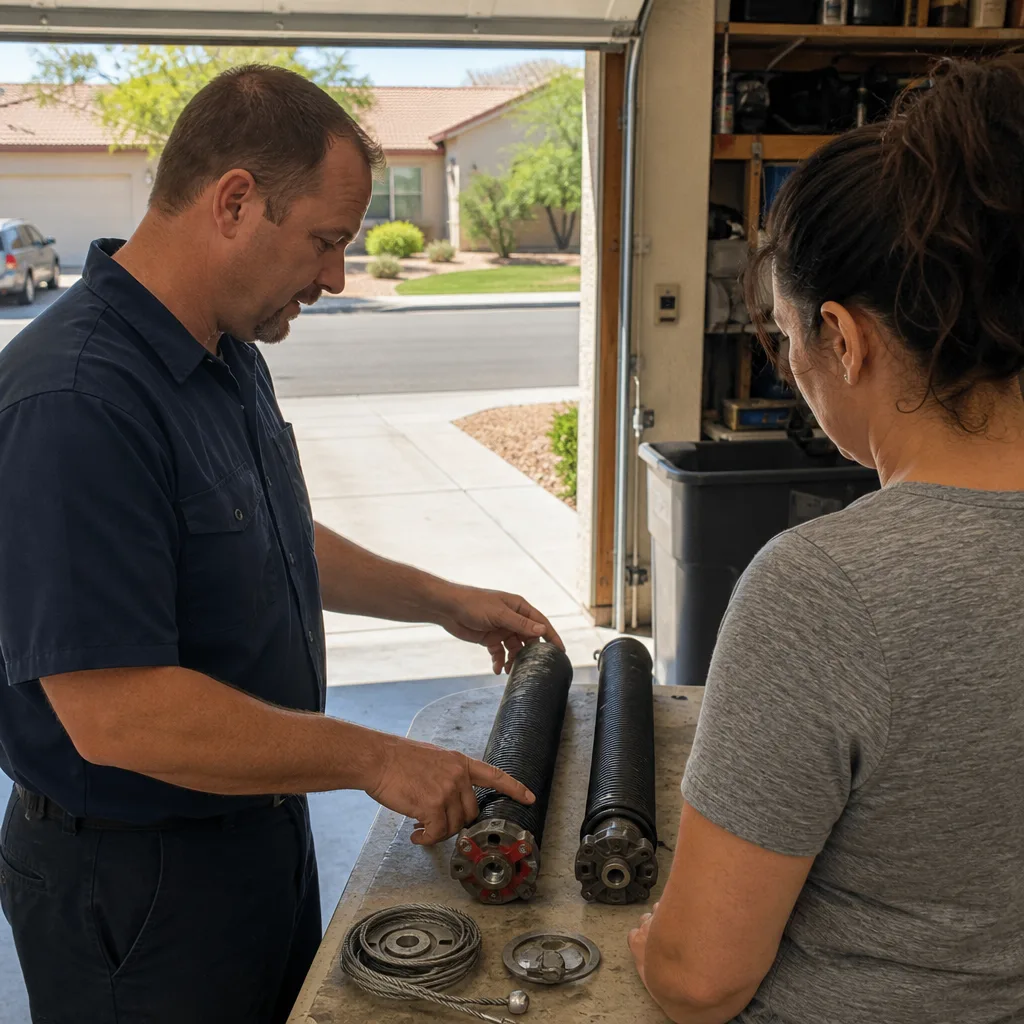
Last updated November 18, 2026
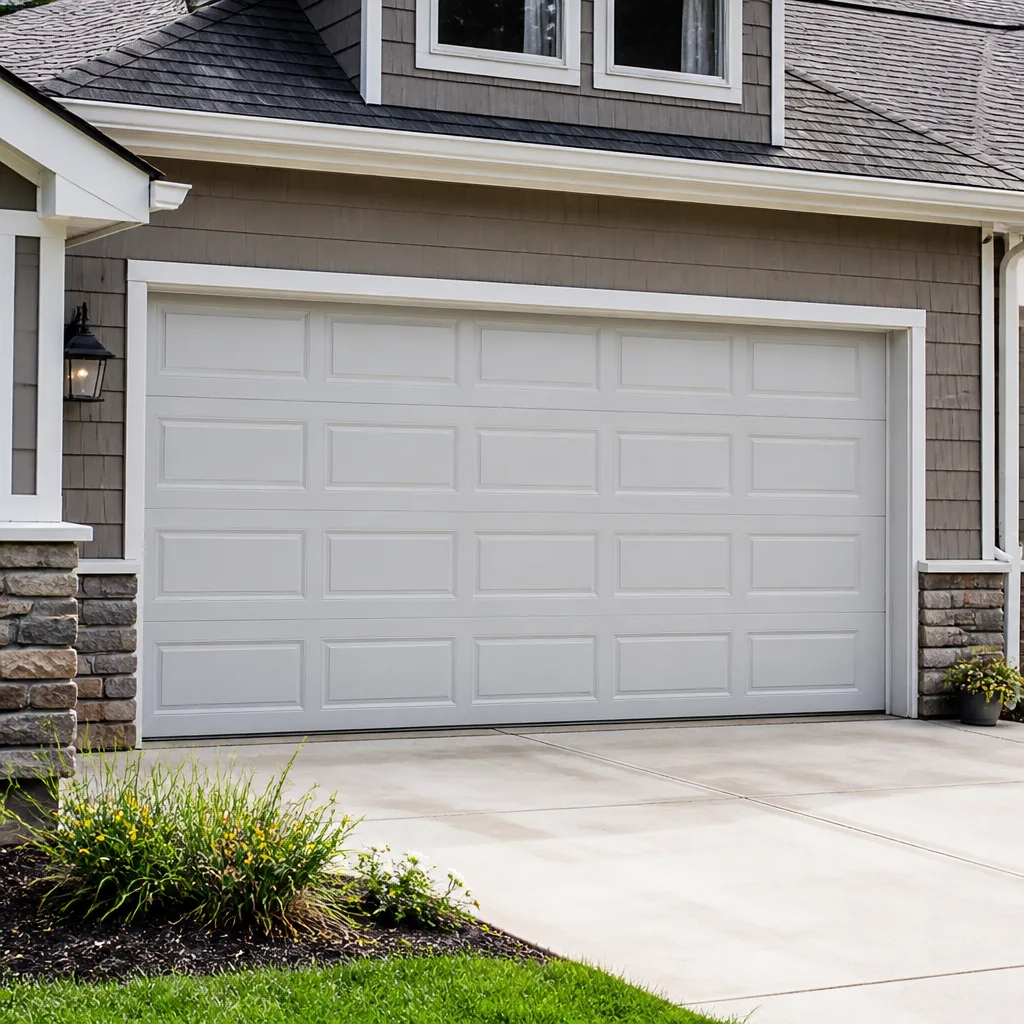 Raised-panel steel
 Carriage house
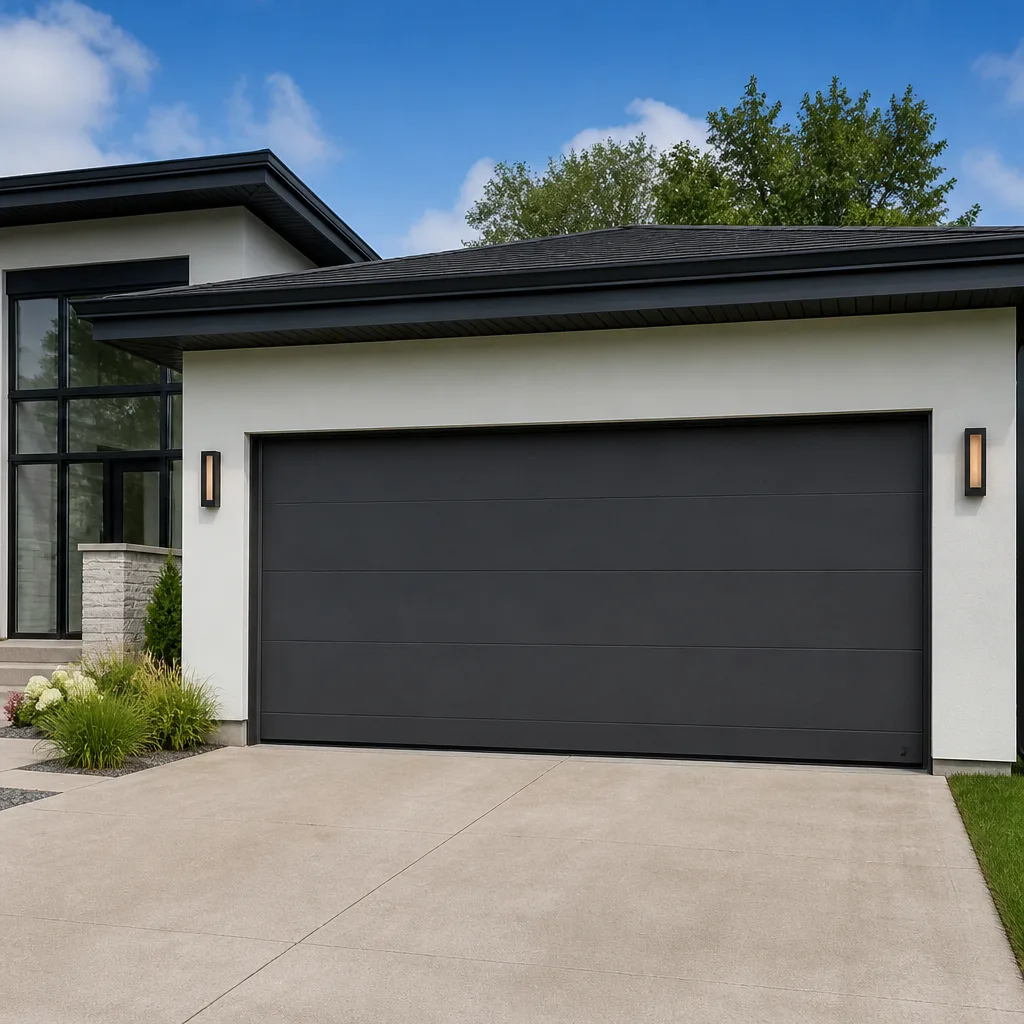 Modern flush
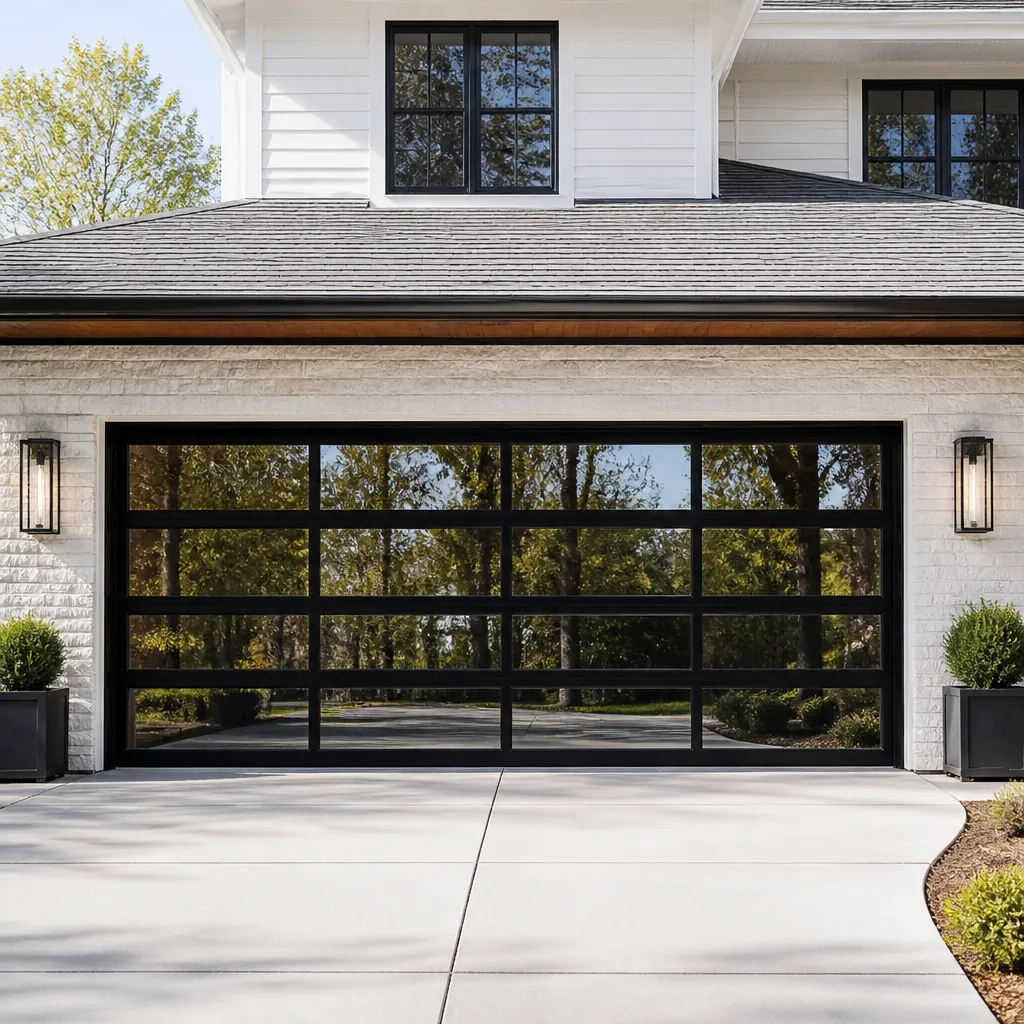 Full-view glass
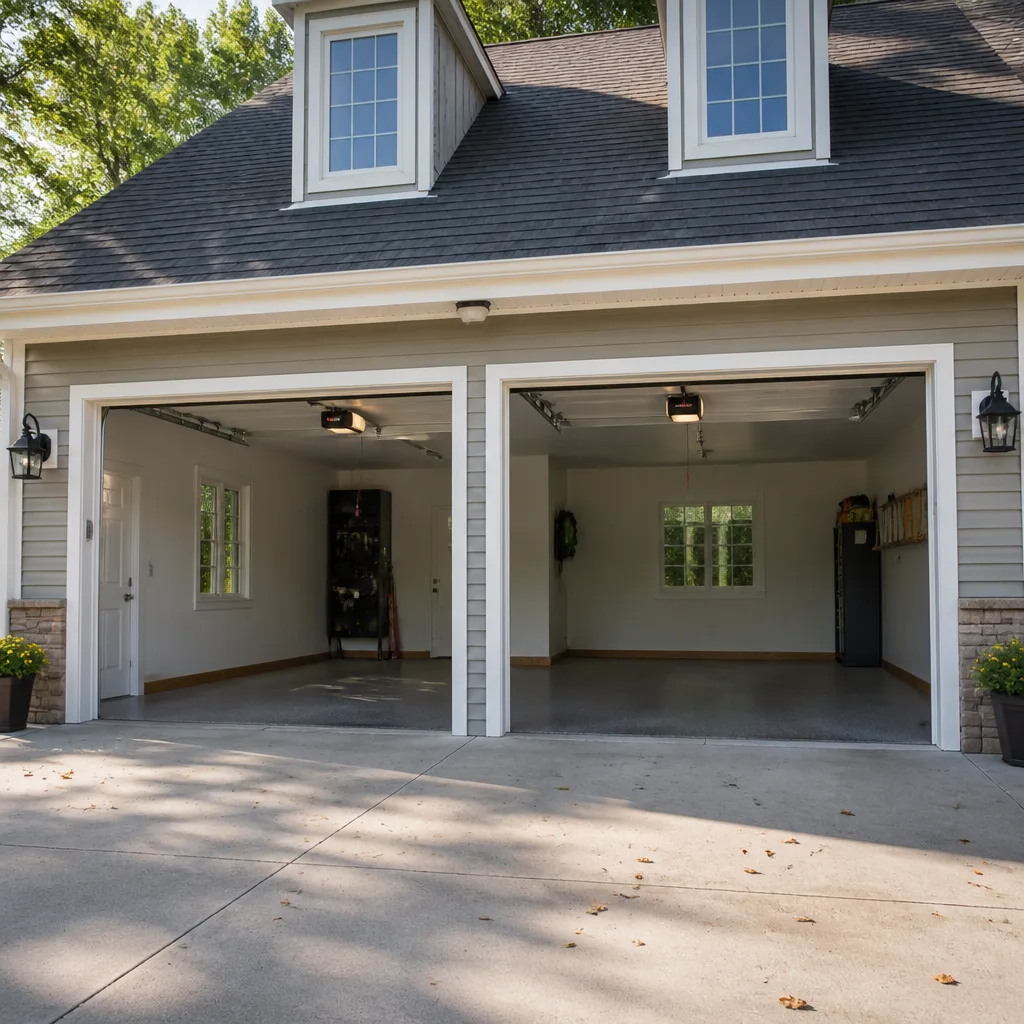 LiftMaster openers
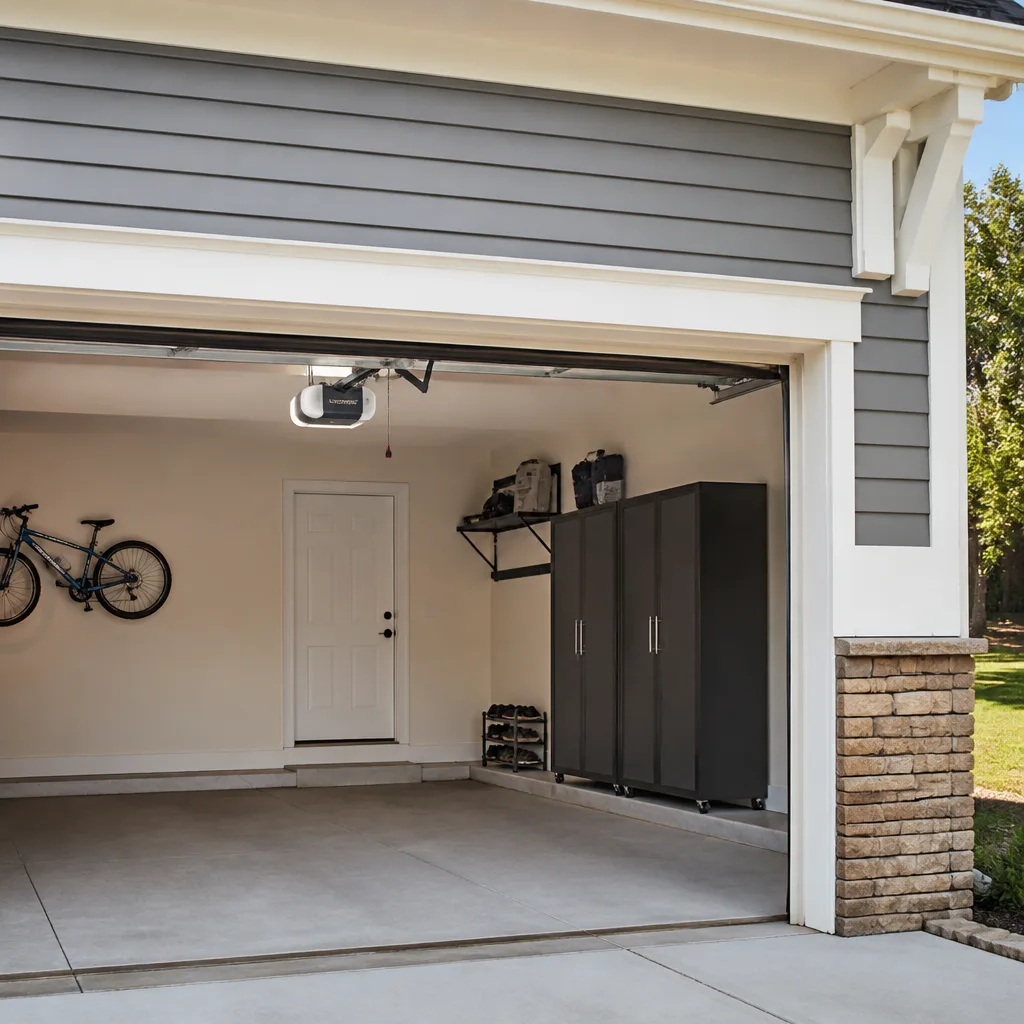 Chamberlain openers
Full 25-point door and opener safety check with every visit - springs, cables, rollers, tracks, and your LiftMaster or Chamberlain opener included
You get a price before we start. It does not change when the pro arrives.
Get your free estimateSeasonal Garage Door Care for Spring Valley: Year-Round Homeowner’s Guide
If you’re doing your garage door “fall prep” in October like every generic guide suggests, you’ve already missed the most important window in Spring Valley. The April pre-heat check is what decides whether your springs and opener survive another summer, or fail in July when every technician in the valley is booked two weeks out. Spring Valley doesn’t have four equal seasons. It has a brutal summer that runs from May through October and a mild window the rest of the year, and every maintenance decision should be organized around that, not a calendar copied from a Midwest home improvement blog. This guide walks you through the two checks that actually matter each year, how desert heat kills opener circuit boards, what the October reset looks like, and how a 20-minute habit twice a year extends your door’s life by years.
Quick Answer
Seasonal garage door care in Spring Valley comes down to two inspections a year: a pre-summer check in April that focuses on spring tension and opener ventilation, and a post-summer reset in October that catches heat-related wear before winter. Spring tension is the single most important thing to check in April, because heat expansion and thousands of cycles over the summer are what cause most spring failures here, not cold. Everything else – rollers, track, weatherstripping, opener force settings – is secondary but worth a look at the same time.
Styles & brands we work with
- Raised-panel steel
- Carriage house
- Modern flush
- Full-view glass
- LiftMaster openers
- Chamberlain openers
Table of Contents
- The April Pre-Summer Check: What to Look At Before the Heat
- How Spring Valley Heat Affects Your Opener Circuit Board
- The Post-Summer October Reset
- Winter Prep for a Mild Desert Climate
- Build the Two-Task Habit (20 Minutes a Year)
- What Never to DIY (Springs and Cables)
- Common Mistakes to Avoid
- Frequently Asked Questions
The April Pre-Summer Check: What to Look At Before the Heat
April is the last comfortable month to get eyes on your door before the heat sets in. Once May hits, garage interiors in Spring Valley regularly hit 110 to 130 degrees, and any small problem – a roller dragging, a spring that’s already lost some tension – gets worse fast. We’ve seen more spring failures in the last week of June and the first two weeks of July than any other window, because doors that limped through April and May finally give out when the cycles and the heat stack up.
Here’s what to check in April. You don’t need tools, and you don’t need to touch the springs yourself.
- Balance test. Disconnect the opener (pull the red release cord) and lift the door halfway by hand. It should stay put. If it sags down or rises on its own, a spring is losing tension.
- Listen for the thunk. Open and close the door a few times. Grinding, popping, or a heavy thunk near the top of travel usually means worn rollers or a tired spring, not an opener problem.
- Check the door gap. With the door closed, look for daylight under the bottom seal. Heat will only widen it.
- Look at the opener’s safety eye lights. Both should be solid, not blinking. A flickering eye is a code compliance issue and a safety issue.
- Smell test. If you notice a hot electrical or burnt plastic smell near the opener housing after a few cycles, shut the breaker off and call. That’s a board issue, not a motor issue.
Spring tension matters more in Spring Valley than in most places because our doors average far more cycles per year than a door in a cooler climate. Nobody parks in the driveway here in July. That means more open-close cycles, and every cycle is one tick off the spring’s life. We count spring cycles the way you count tire miles, and we’ll tell you what’s left on yours.
How Spring Valley Heat Affects Your Opener Circuit Board
If your opener is straining after a hot season, the problem is almost never the opener. It’s usually the spring or the door balance, but the opener takes the blame. That said, desert heat is genuinely hard on opener circuit boards, and the failure pattern is predictable. The control board is the weakest electronic part, and it sits inside a metal housing that traps heat in an unconditioned garage.
What actually helps:
- Ventilation. If your garage has no vent, you’re baking the opener. One or two gable vents cost less than a new opener board and make a real difference in a Spring Valley summer.
- Shade for a wall-mounted unit. A LiftMaster or Chamberlain jackshaft opener mounted on a west-facing wall gets direct sun from 2 p.m. on. Shade cloth on that wall, or relocating the mount to a north or east wall, buys years of board life.
- Leave the opener light off in summer. The bulb heats the housing from the inside. That sounds small. It isn’t in July.
- Clear the debris from the housing. Dust and cobwebs coat the board and trap heat. A quick vacuum in April and October is enough.
Board failures in Spring Valley show up as doors that stop halfway, openers that work from the wall switch but not the remote, or a wall console that goes dark for no reason. If any of that sounds familiar, look at garage door opener repair and installation in Spring Valley, because the next three months are not when you want to be without a working door.
The Post-Summer October Reset
October is the second most important window in Spring Valley, and it’s the one most homeowners skip. After five months of hard heat and heavy use, several things will have quietly gone downhill. This is when you catch them before the winter wind and the occasional cold snap arrive.
What to check after a hot season:
- Run the balance test again. Compare the result to April. If the door was balanced in April and sags in October, the spring has lost tension over the summer.
- Inspect rollers. Nylon rollers in desert heat go glossy and start to crack. Steel rollers grind through their bearings faster here than in coastal climates. If any roller wobbles when you shake the door, replace them all.
- Check the hinges and opener chain. Heat expands metal and dries out lubricant. A dry chain stretches and starts slapping the rail. A dry hinge squeaks and eats its pin.
- Look at the weatherstripping. Heat makes the bottom seal brittle and can pull it away from the retainer. Any gap at the bottom of the door is an open invite to dust, scorpions, and pack rats.
- Re-check the photo eye alignment. The housing can shift a fraction of an inch over a summer of heat cycling, and what was aligned in April is out of alignment in October.
If you bought a new door in the last three to five years, October is also the right time to look at the door panels themselves. Desert sun bleaches and eventually chalks steel finishes. A coat of exterior paint on a Clopay or Amarr steel door every five to seven years keeps it looking new and prevents rust at the bottom where it meets the seal.
Winter Prep for a Mild Desert Climate
Spring Valley winters are mild, but they’re not nothing. We see a handful of freeze events every year where overnight temps drop into the mid-twenties, and those two or three nights do more damage to a garage door than eight weeks of summer because nobody expects them. Condensation is the other winter issue here, and it gets underappreciated.
Specific things to do before the first freeze:
- Check the bottom seal for cracks. A brittle seal that survived summer will crack open on the first freeze-thaw. If it’s brittle, replace it before the cold hits. Garage door repair in Spring Valley covers seals and tracks if you want to hand it off.
- Lubricate the hinges and rollers. Cold temps thicken lubricant that’s already thinned out from summer heat. A single pass with a proper garage door lubricant in October is usually enough until spring.
- Look for condensation around the door frame. The temperature differential between a heated garage and a cold night pulls moisture inside. A little is normal. Standing water along the threshold isn’t, and it rusts the bottom fixtures.
- Test the auto-reverse. Put a 2×4 on the ground under the closing door. It should reverse on contact. If it doesn’t, the opener force setting needs adjustment or the door is binding.
- Weatherstripping choice. For Spring Valley’s cold-but-not-cold winter, a standard vinyl bulb seal is enough. Don’t spend on a heavy insulated threshold you don’t need. You’ll wear it out faster than the cold warrants.
If you’re thinking about a new door rather than repairing the current one, look at garage door installation in Spring Valley so you know what’s involved before you commit. Insulated doors do make a difference in summer more than winter here, which catches people off guard.
Build the Two-Task Habit (20 Minutes a Year)
The best garage door maintenance habit in Spring Valley is a two-task habit, not a twelve-task checklist you’ll never finish. Fifteen minutes in April. Five minutes in October. That’s the whole thing. We’ve watched homeowners keep the same door running for twenty years and more with nothing but that habit, and we’ve watched doors fail at eight years that never got a single look.
Here’s the pattern:
- April, 15 minutes: balance test, listen for grinding, check the eye lights and bulb, run a vacuum near the opener housing, spray lubricant on hinges and rollers, look at the bottom seal for daylight.
- October, 5 minutes: re-run the balance test, compare to April, shake each roller for wobble, look at the chain tension if you have a chain-drive opener, and check for cracks in the bottom seal.
If both checks come back clean, you’re done. If either check raises a flag, that’s when you call someone. A door is 200 pounds riding on two springs, and the checks above are designed to be done with your hands and eyes only, not with a wrench. The 20-minute habit isn’t about doing the work yourself. It’s about knowing the state of the door well enough to call a professional before something fails at 9 at night with the car parked inside.
What Never to DIY (Springs and Cables)
Springs, cables, and bottom brackets are not homeowner maintenance items. A torsion spring is under hundreds of pounds of tension even when the door is down, and a torsion spring that lets go while someone is adjusting it will do real damage to a wrist, a shoulder, or worse. The same is true of the lift cables, which can snap back through the bottom bracket with tremendous force. This isn’t a case where “I watched a video, I can do it.” Springs and cables are a trained professional’s work, and we say that with the utmost seriousness.
The same goes for anything electrical inside the opener housing, and for any adjustment to the torsion bar or winding cones. If the door is unbalanced in the balance test, don’t try to “tighten” the spring. Call. In Spring Valley, the heat load makes this worse, because springs on doors that have been in summer service can fail with little warning – one extra cycle, one last hot afternoon, and it lets go. Respect it.
Common Mistakes to Avoid
- Doing fall maintenance in fall only. Spring Valley’s most important check is in April, before the heat. If you wait until October, you spent a whole summer on borrowed time.
- Blaming the opener for a door problem. If the door drags or reverses unexpectedly, the cause is nearly always a spring, a roller, or a track – not the opener board. Replacing an opener when the door was the problem solves nothing and costs plenty.
- Skipping lubricant because “it doesn’t rain here.” Desert heat dries out hinge pins and chain rollers faster than wet climates do, not slower. A dry chain is the number one avoidable cause of opener strain we see in Spring Valley.
- Running the door with a cracked bottom seal. In a valley neighborhood, that gap invites dust, insects, and pack rats, and a pack rat under the door on a closing cycle can bend a panel or strip a hinge.
- Using a heavy winter threshold seal. They wear out fast in mild winters and rarely seal better than a good vinyl bulb seal. Save the money.
- Adjusting the opener force setting upward to compensate for a stiff door. That gets the door moving, but the door is still failing and the opener is now running past its safety threshold. The correct fix is the door, not the force setting.
- Waiting until something breaks to call. Spring Valley technicians are booked weeks out by the end of May and the first week of July. The balance test in April is cheap. A July callout is not.
See the difference
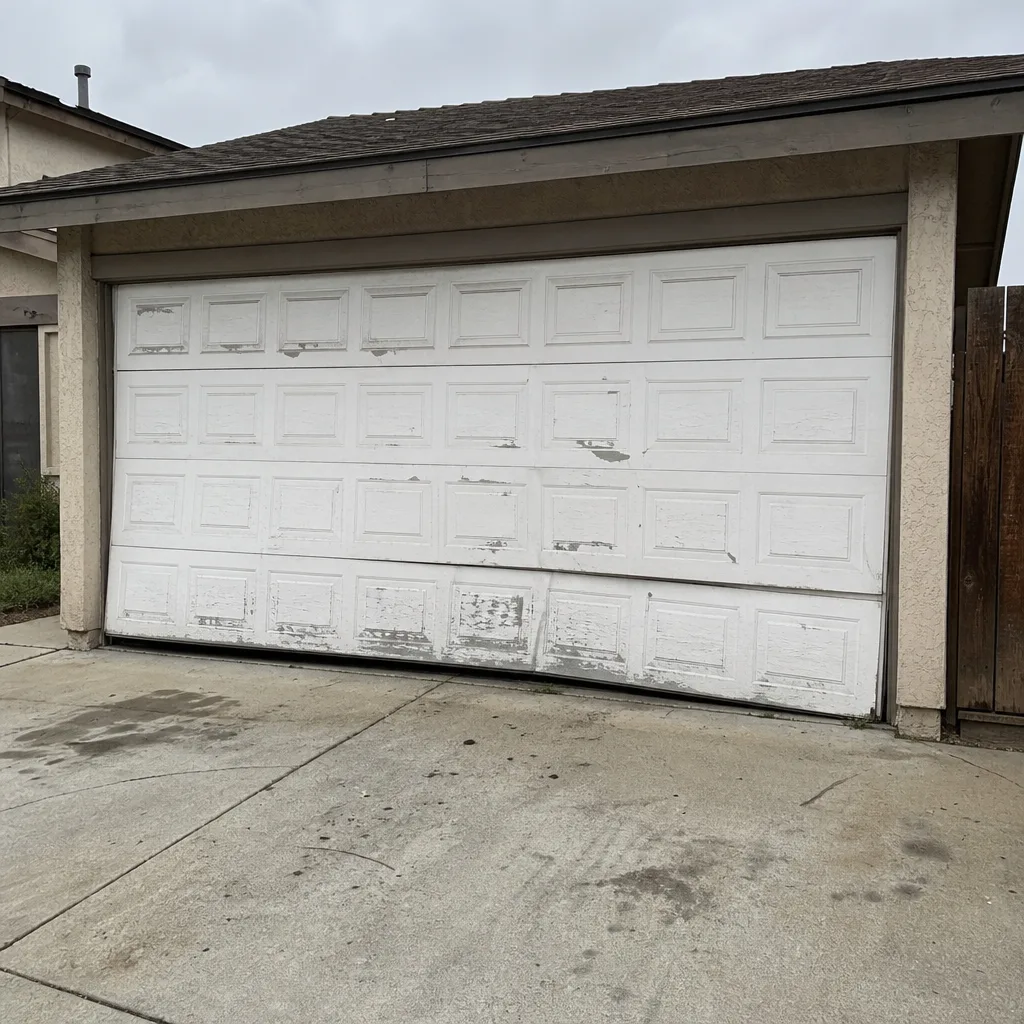 Before
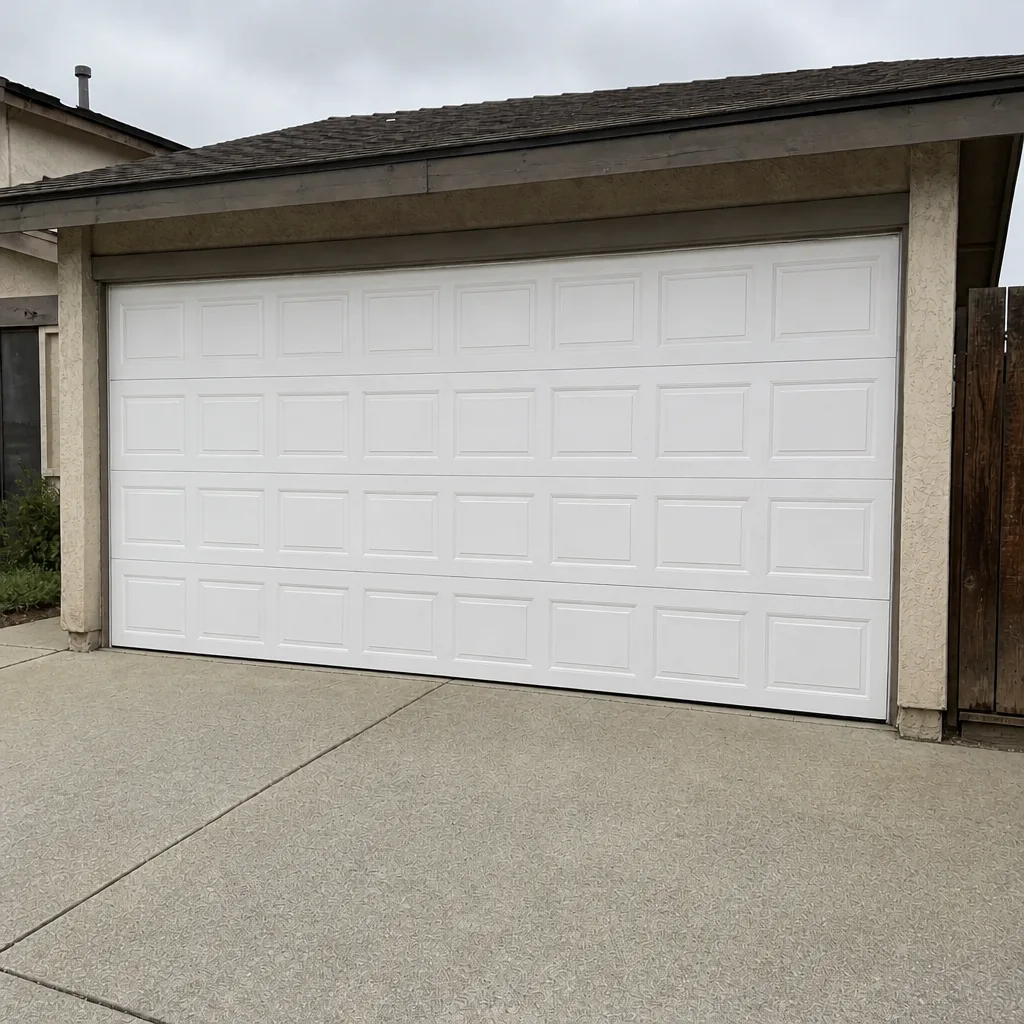 After
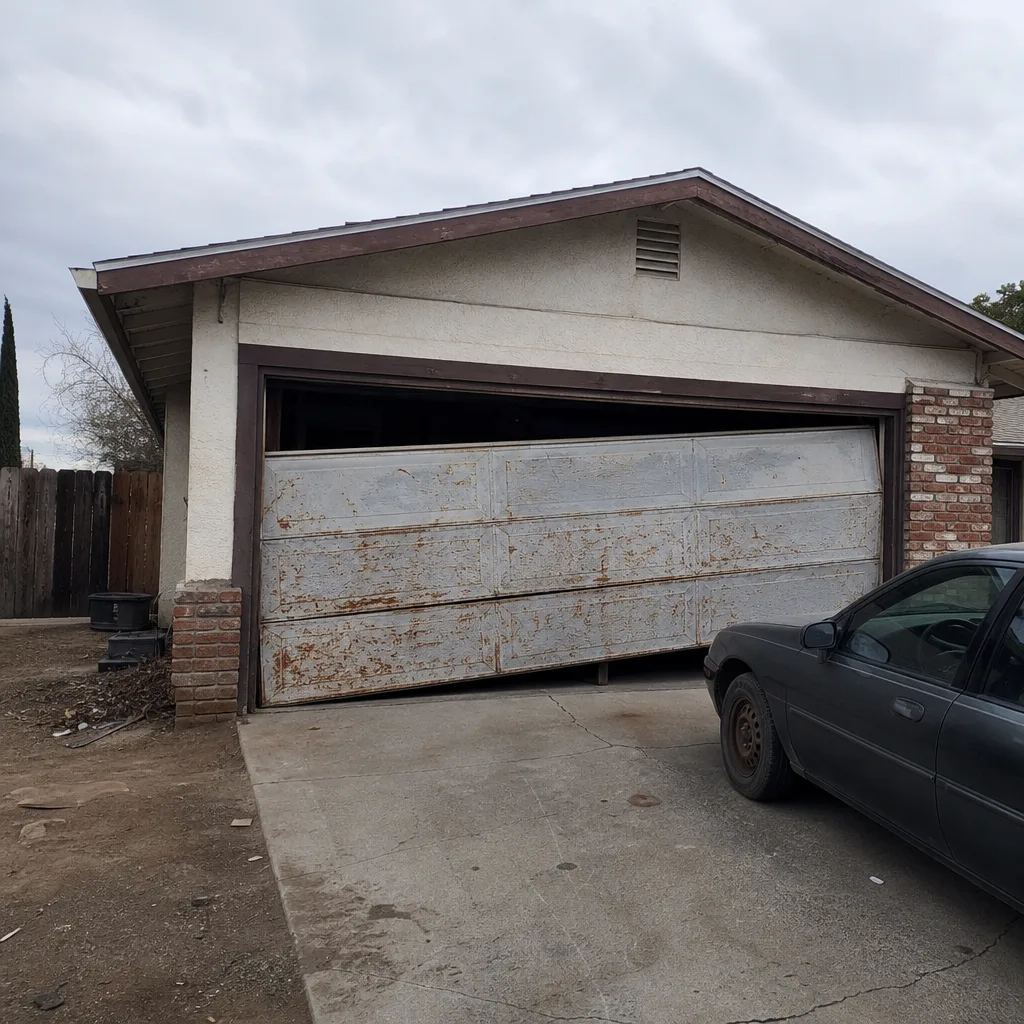 Before
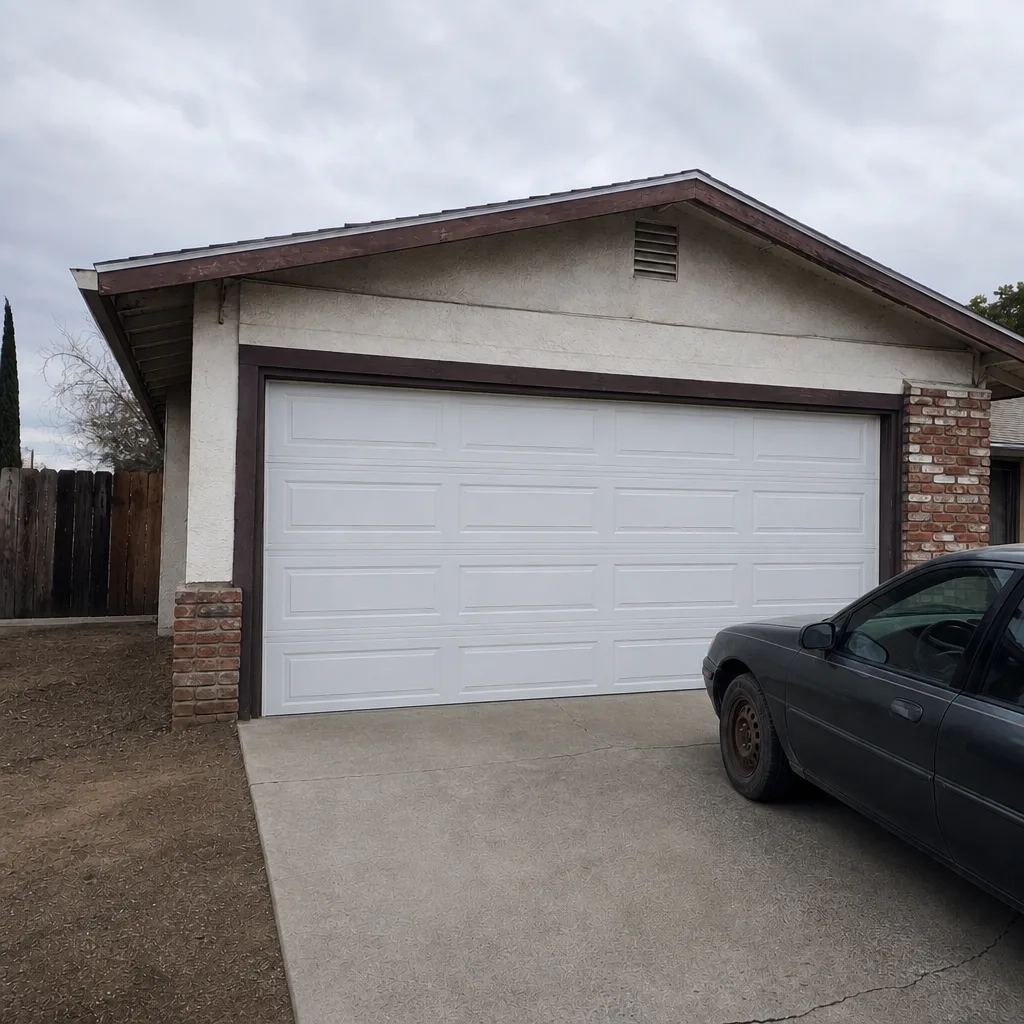 After
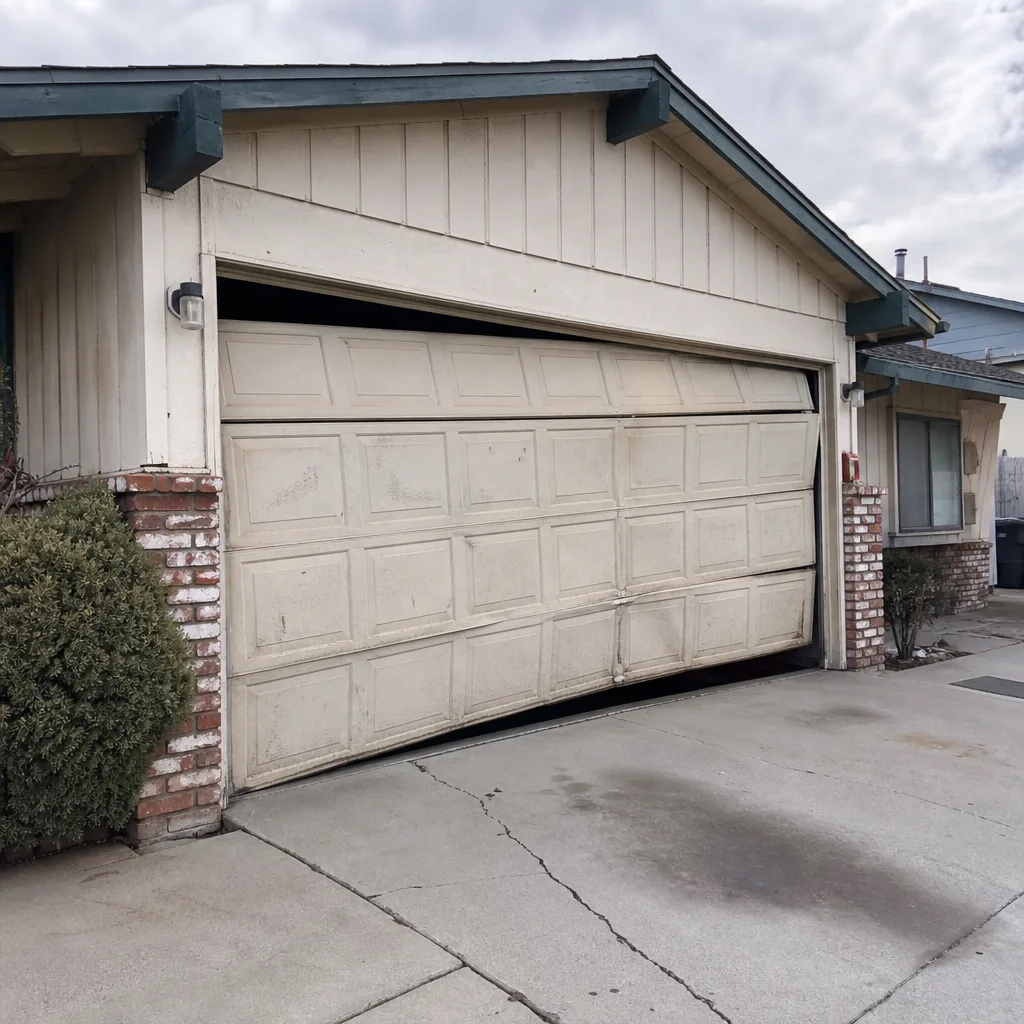 Before
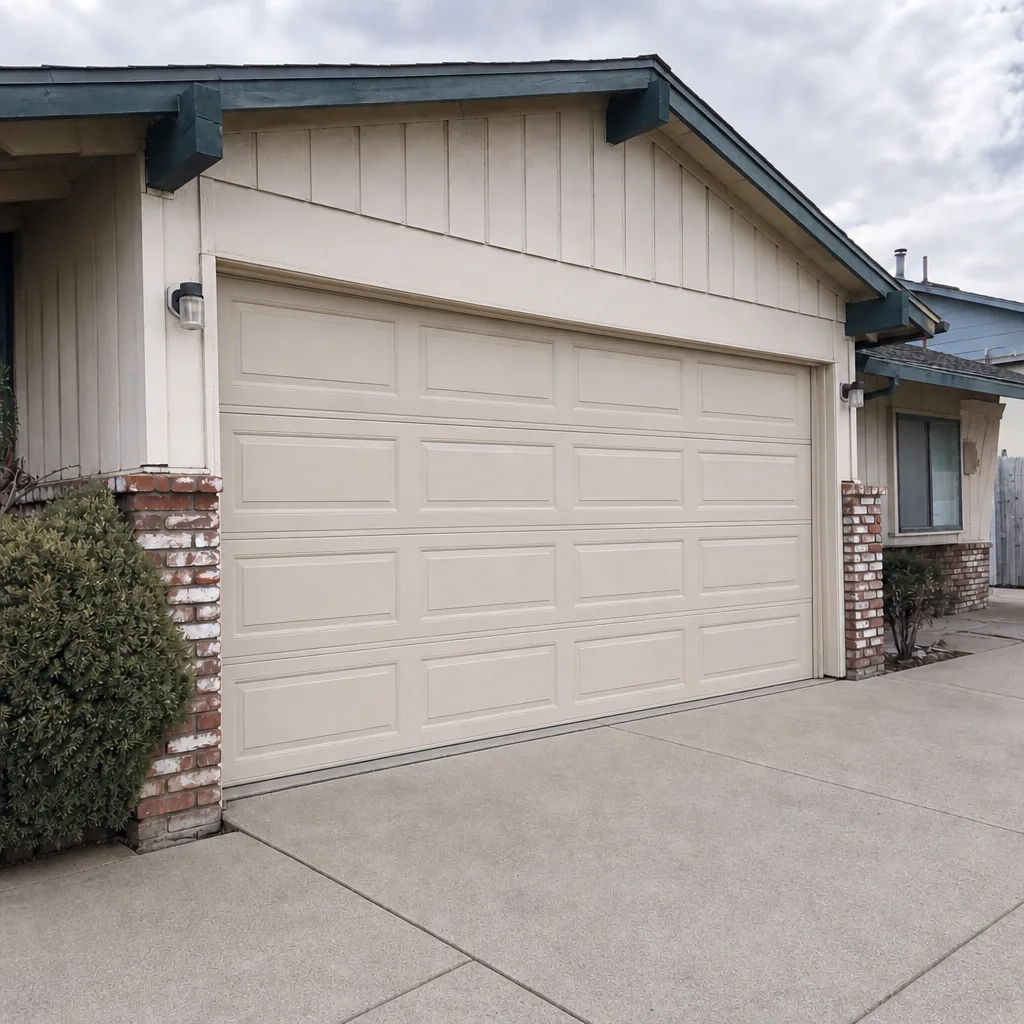 After
When to Call a Professional
Any time the balance test fails, any time you hear a spring pop or see the door hang crooked, and any time the opener won’t reverse on contact with an object, it’s a call-a-professional situation. If your door is more than ten years old and you don’t know its cycle history, a trained eye on the springs is worth the trip. If you’re heading into summer with a door that’s already dragging on the track, don’t push it through July. If the board on your LiftMaster, Chamberlain, or Genie opener is behaving strangely after a hot summer, a diagnostic beats a guess. Garage door opener problems and garage door repair in Spring Valley both start with a look at the door, not the motor, and Otto’s Garage Door Spring Valley offers free estimates in Spring Valley – call (888) 318-1978.
Frequently Asked Questions
April and October are the two best months for maintenance here. April gets the door ready for the heat wave that starts in May, and October catches the wear that a long summer put on the springs, rollers, and opener. April is the more important of the two because a door that fails in spring is caught before summer, not during it.
Most torsion springs are rated for a set number of cycles, and doors in Spring Valley use far more cycles per year than the same door would in a cooler climate. That means springs here often fail earlier than the rated life would suggest. The balance test in April and October is the practical way to know: if the door doesn’t stay halfway up on its own, the spring is losing tension and needs to be looked at.
Heat. The control board sits inside a metal housing in an unconditioned garage that regularly hits 110 to 130 degrees in July, and the board’s capacitors and solder joints are the parts most sensitive to that heat. Ventilation, shade on a wall-mounted unit, and keeping the opener light off in summer all help. If a Genie or LiftMaster unit works from the wall but not the remote after a hot stretch, the board is a likely suspect. Call (888) 318-1978 and we’ll look at the whole door before blaming the opener – estimates are free.
A little. Spring Valley doesn’t have a hard winter, but the handful of nights that drop into the twenties will crack a brittle bottom seal and thicken dry lubricant. A single pass of garage door lubricant on hinges and rollers in October, plus a look at the bottom seal for cracks, is enough winter prep here.
No. Torsion springs and lift cables are under real tension, and a spring that lets go while you’re near it can seriously hurt you. We strongly recommend a trained professional for anything involving springs, cables, or the torsion bar. The 20-minute checks in this guide – balance test, listen, look, lubricate – are the right homeowner-level tasks.
Yes, our technicians are background-checked and trained across all major brands, including LiftMaster, Chamberlain, Genie, Raynor, Clopay, Amarr, Wayne Dalton, and Craftsman. Our technicians have up to 22 years of experience, and every job carries our 90-Day Done Right Promise in writing. Call (888) 318-1978 for an exact quote on any repair or seasonal inspection.
The Bottom Line
Spring Valley doesn’t need a four-season garage door routine. It needs two checks – a 15-minute April pre-summer look that catches spring tension before the heat does, and a 5-minute October reset that catches what the summer left behind. The April check is the one that matters most, because a July failure costs more and takes longer to fix than an April inspection ever does. Add it to a phone calendar, don’t touch the springs yourself, and you’ll get years more life out of the door you have. If either check flags something, Otto’s Garage Door Spring Valley is one call away.
Start with a look at your home base in Spring Valley on our site, or call (888) 318-1978 for a free estimate and a straight answer about where your door stands. We’ll walk out, run the same balance test, and tell you what we see – no trip charge inside our county, no price change between the phone and the driveway.
Written by the team at Otto’s Garage Door Spring Valley.