
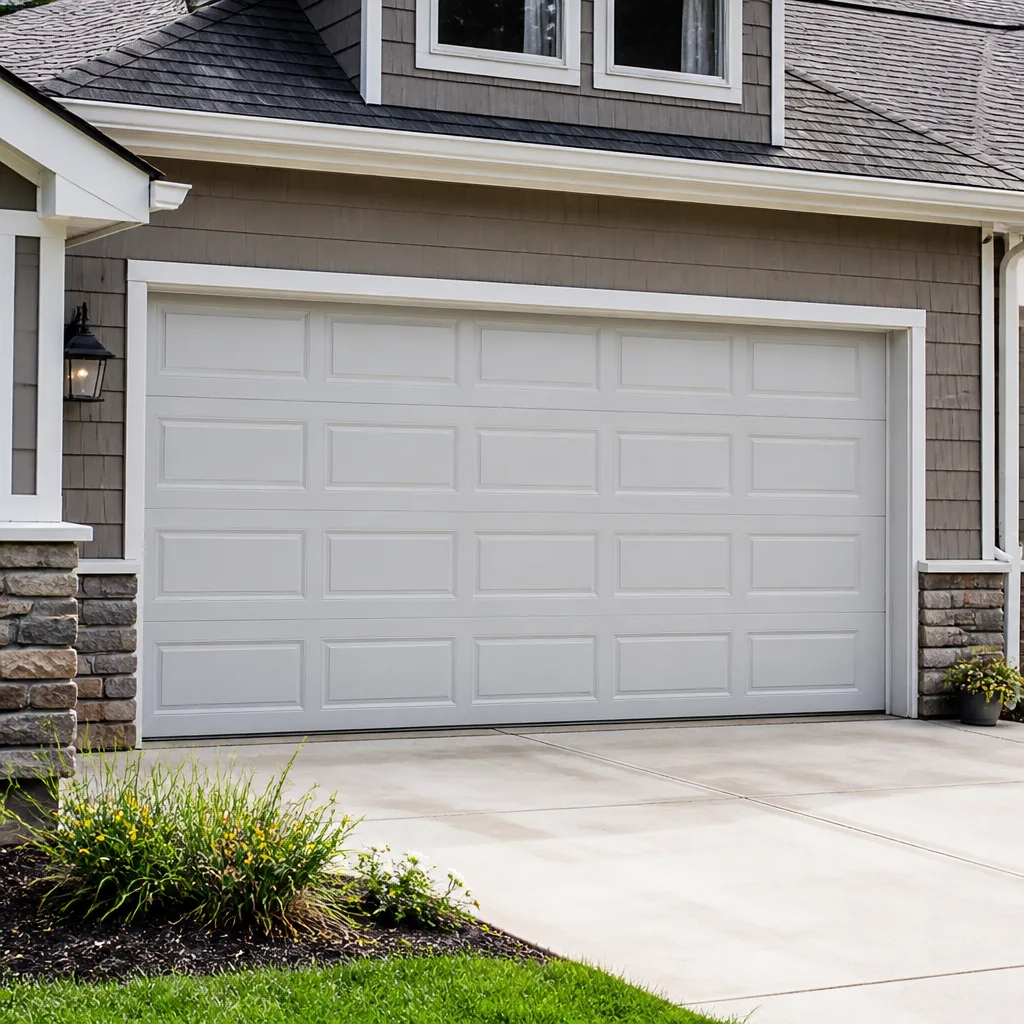
 Raised-panel steel
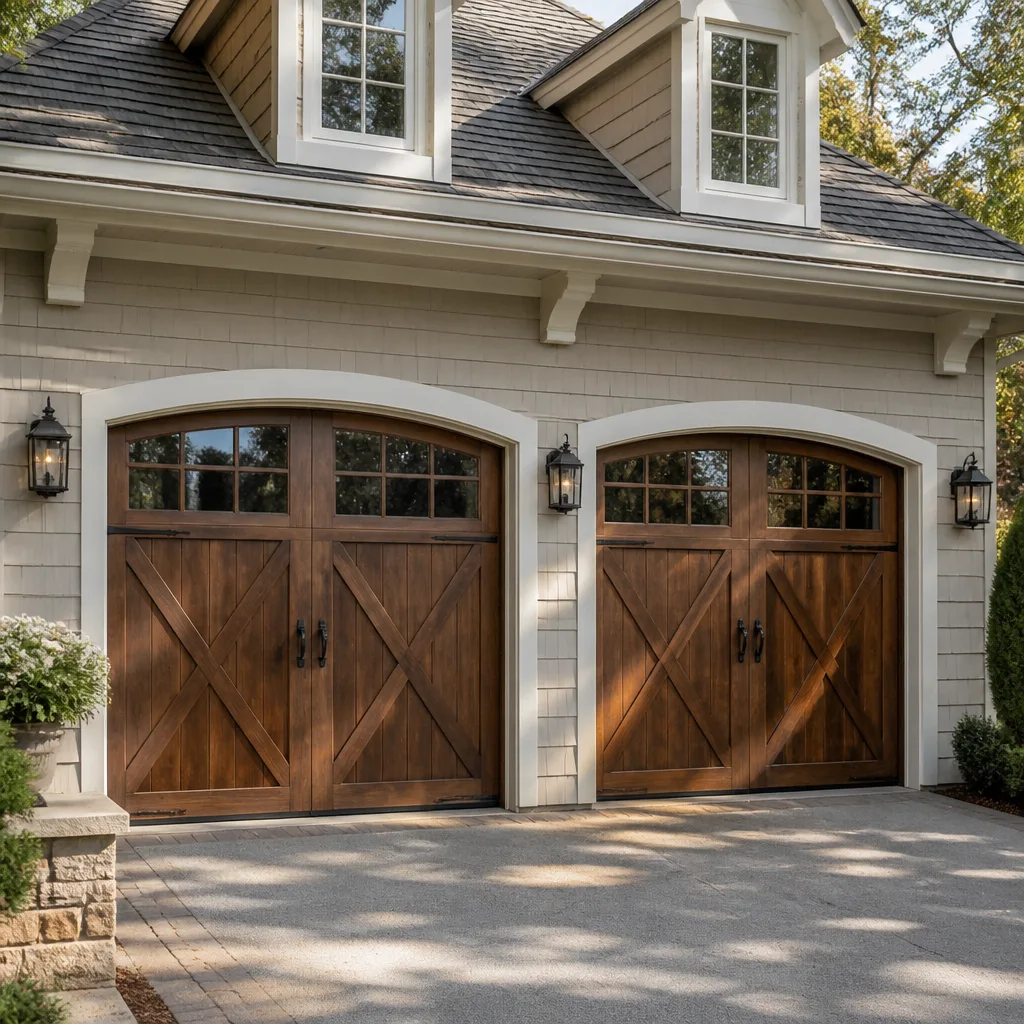 Carriage house
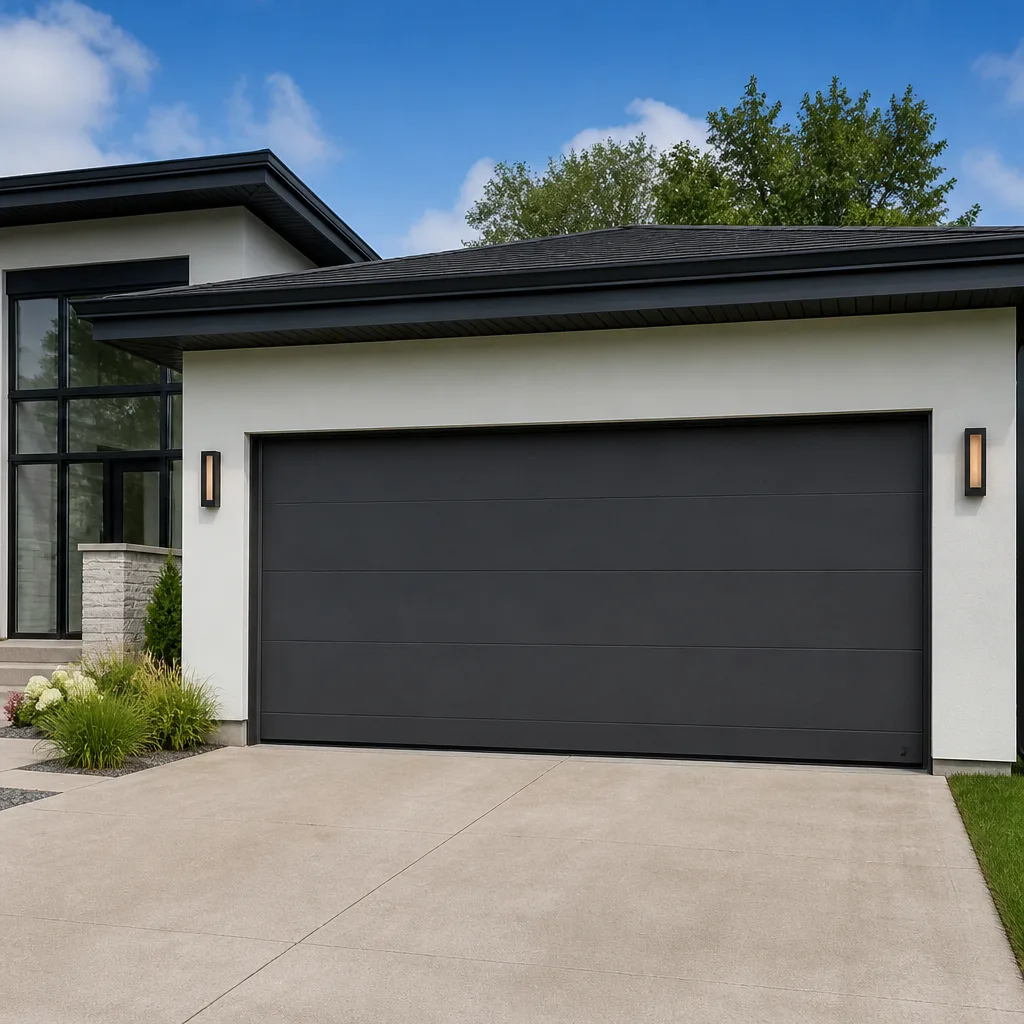 Modern flush
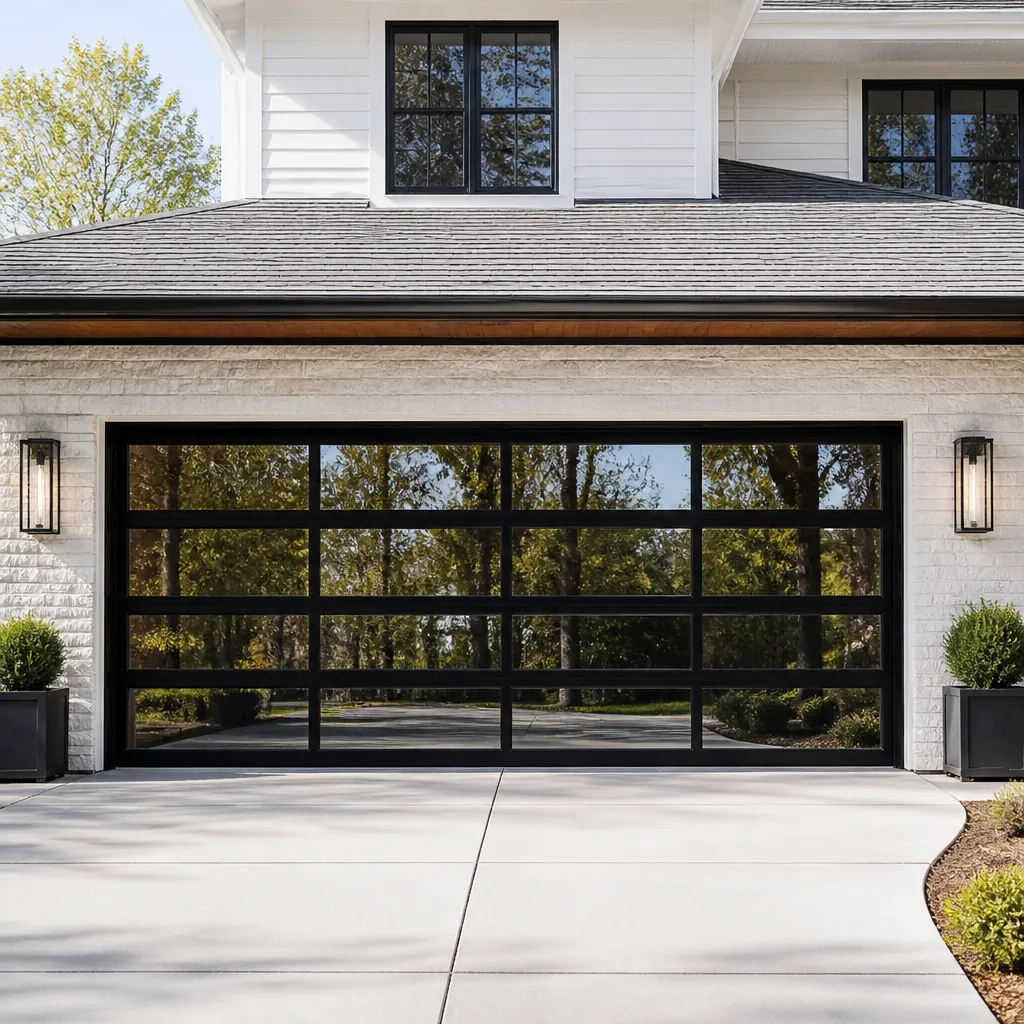 Full-view glass
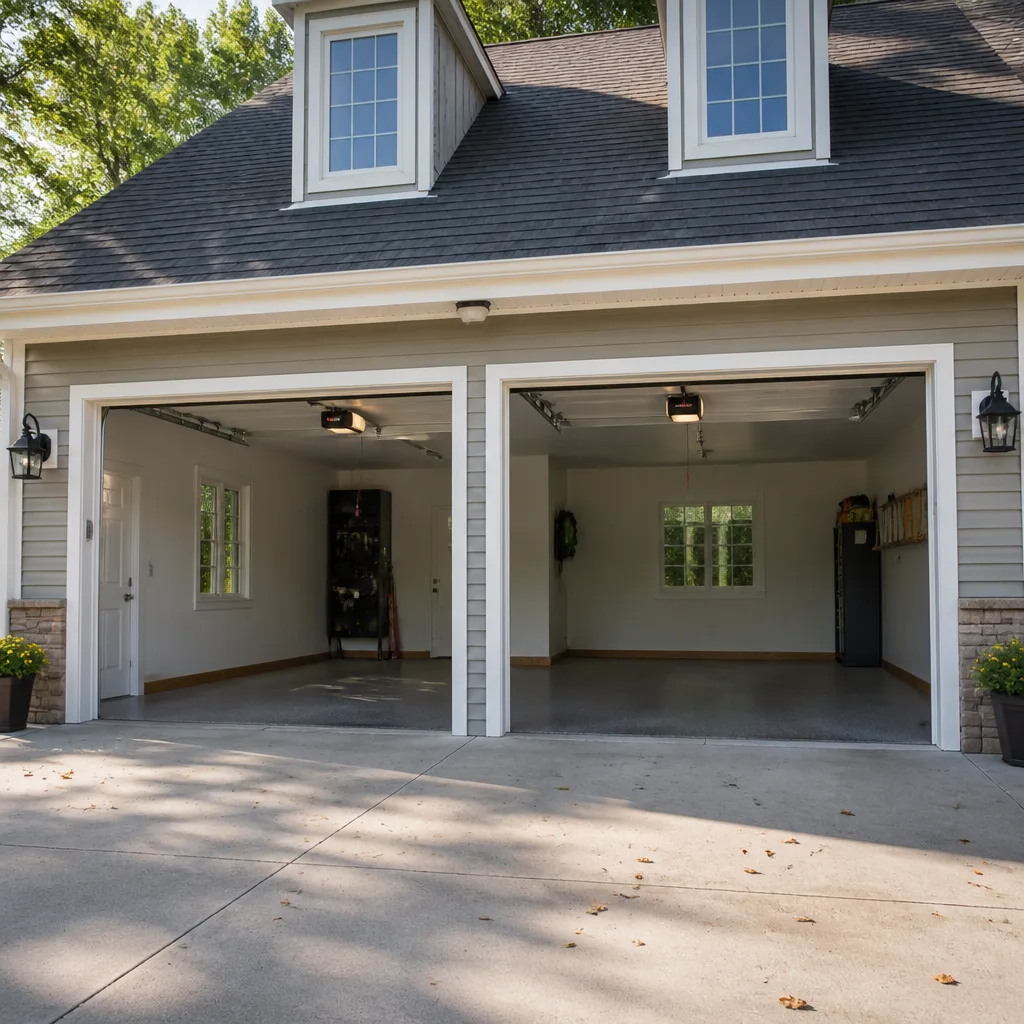 LiftMaster openers
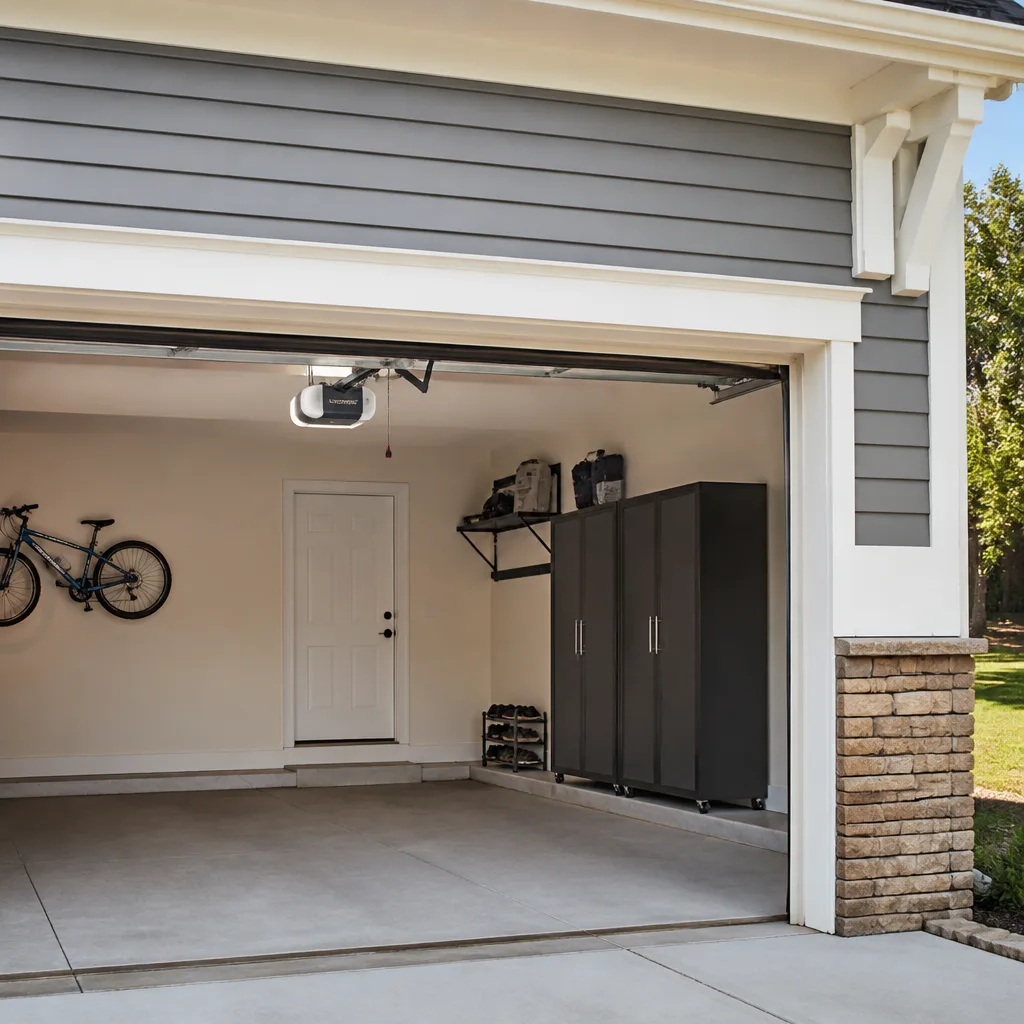 Chamberlain openers
Full 25-point door and opener safety check with every visit - springs, cables, rollers, tracks, and your LiftMaster or Chamberlain opener included
You get a price before we start. It does not change when the pro arrives.
Get your free estimateStyles & brands we work with
- Raised-panel steel
- Carriage house
- Modern flush
- Full-view glass
- LiftMaster openers
- Chamberlain openers
See the difference
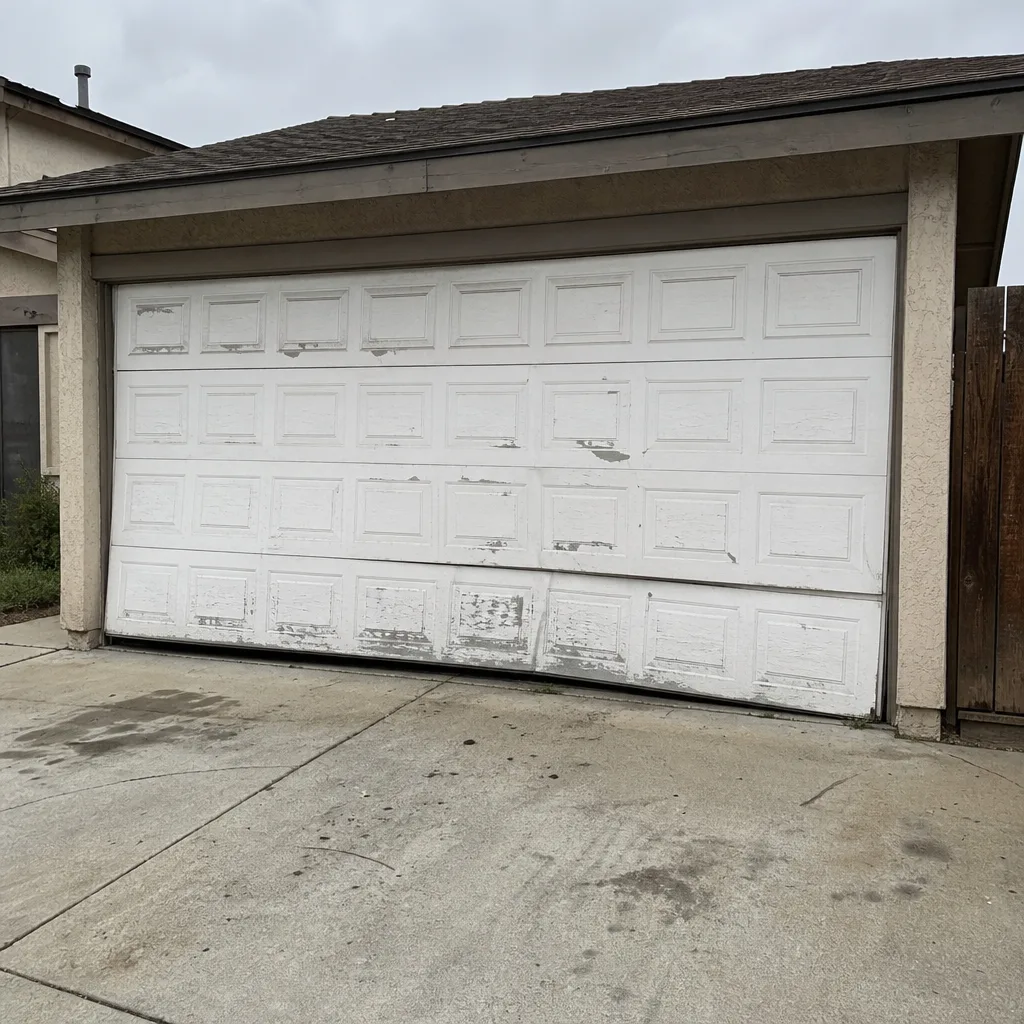 Before
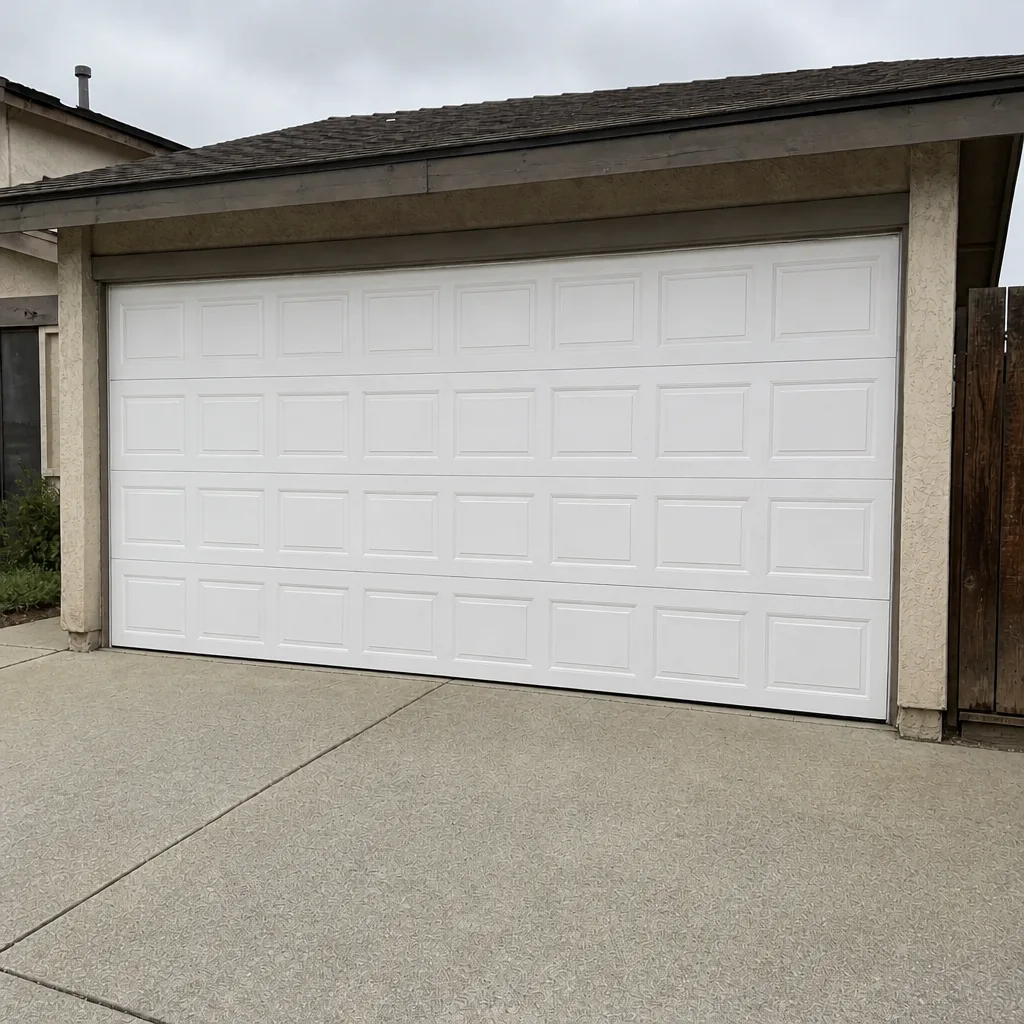 After
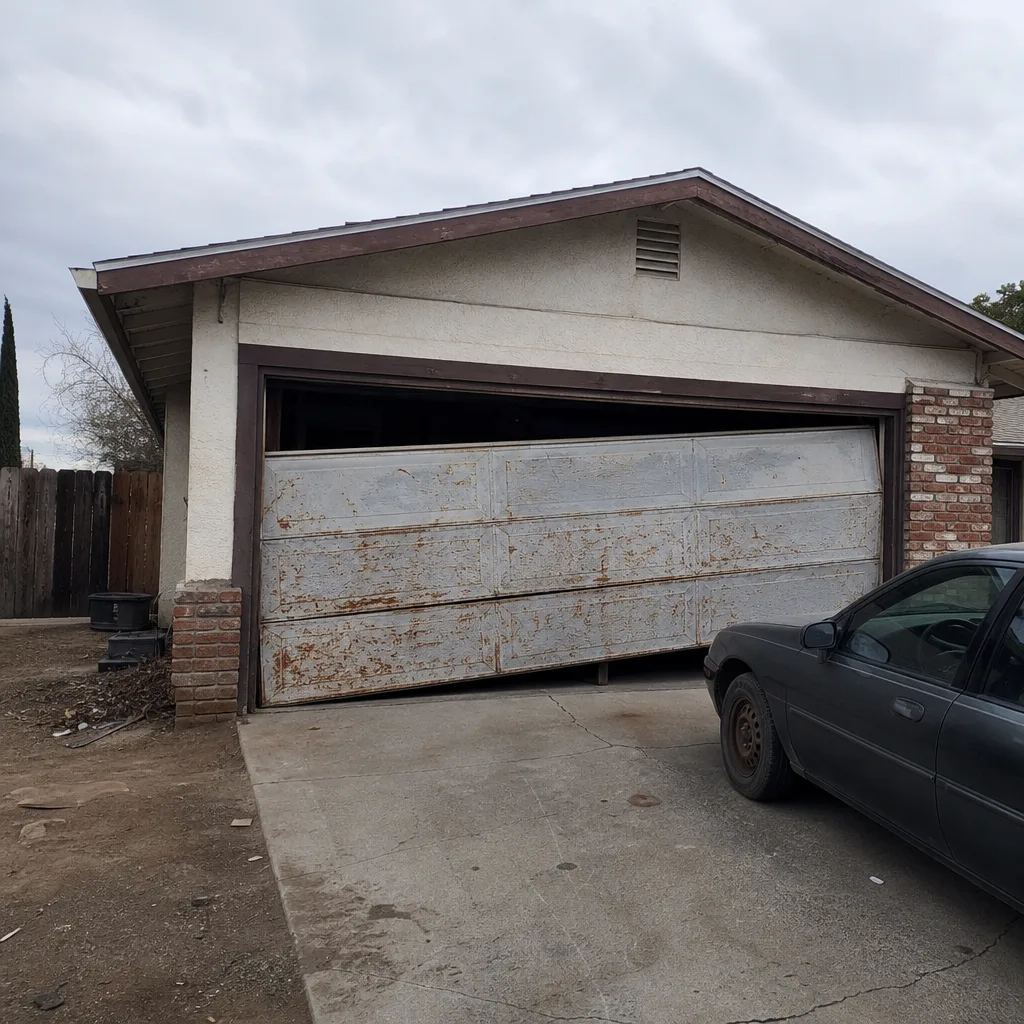 Before
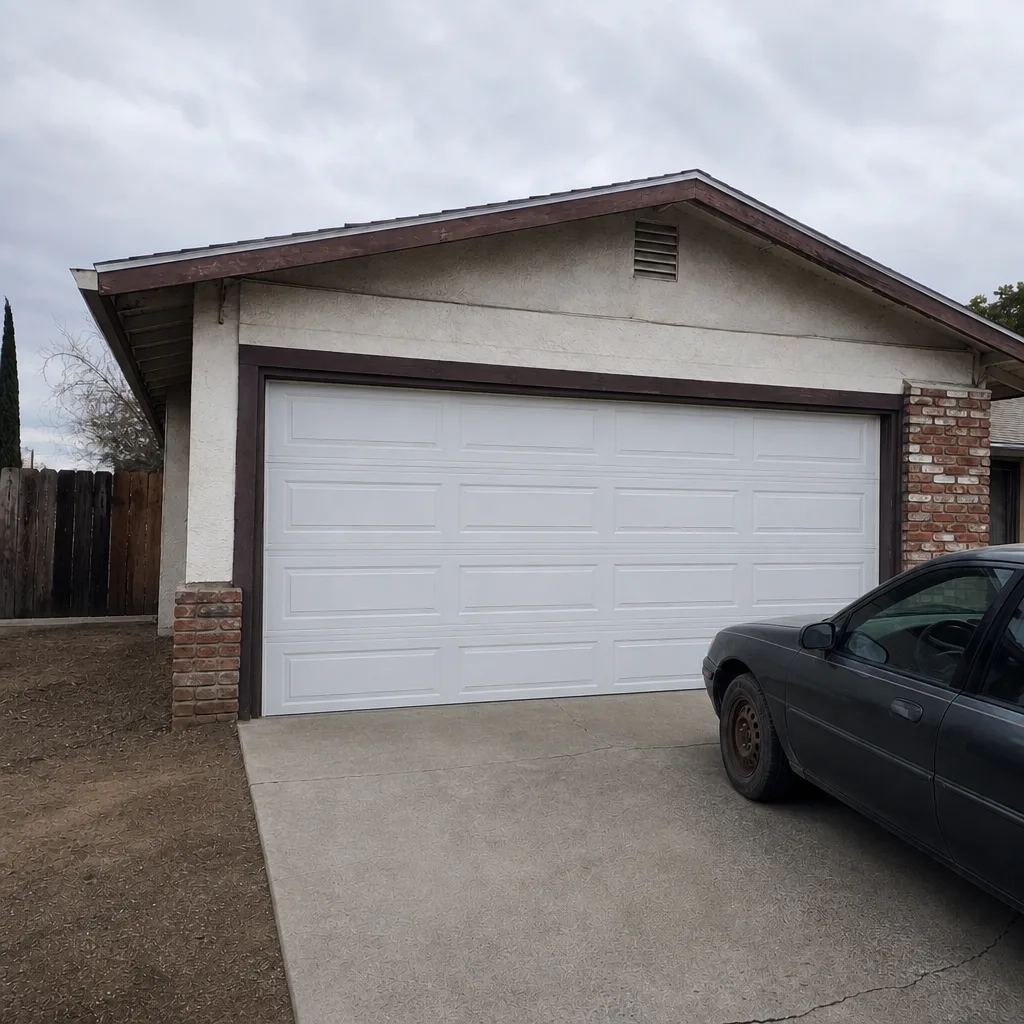 After
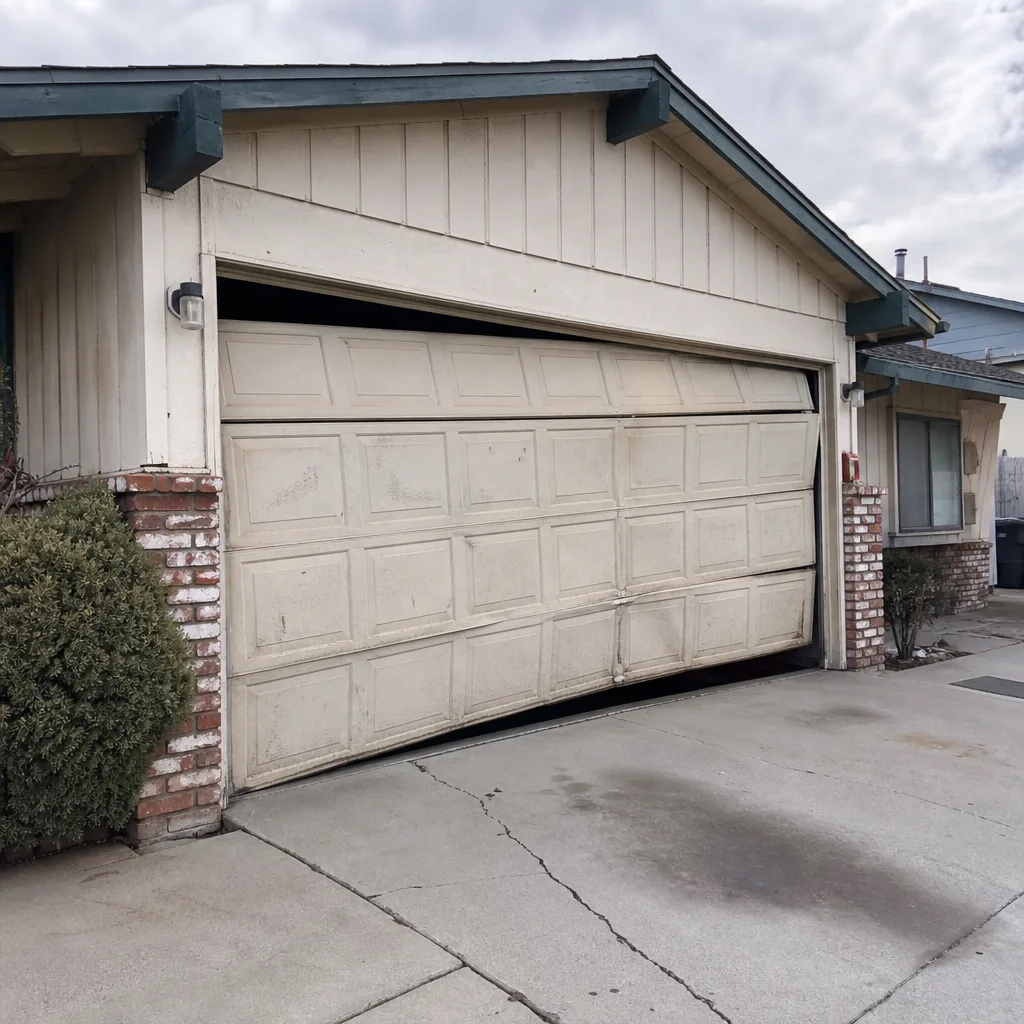 Before
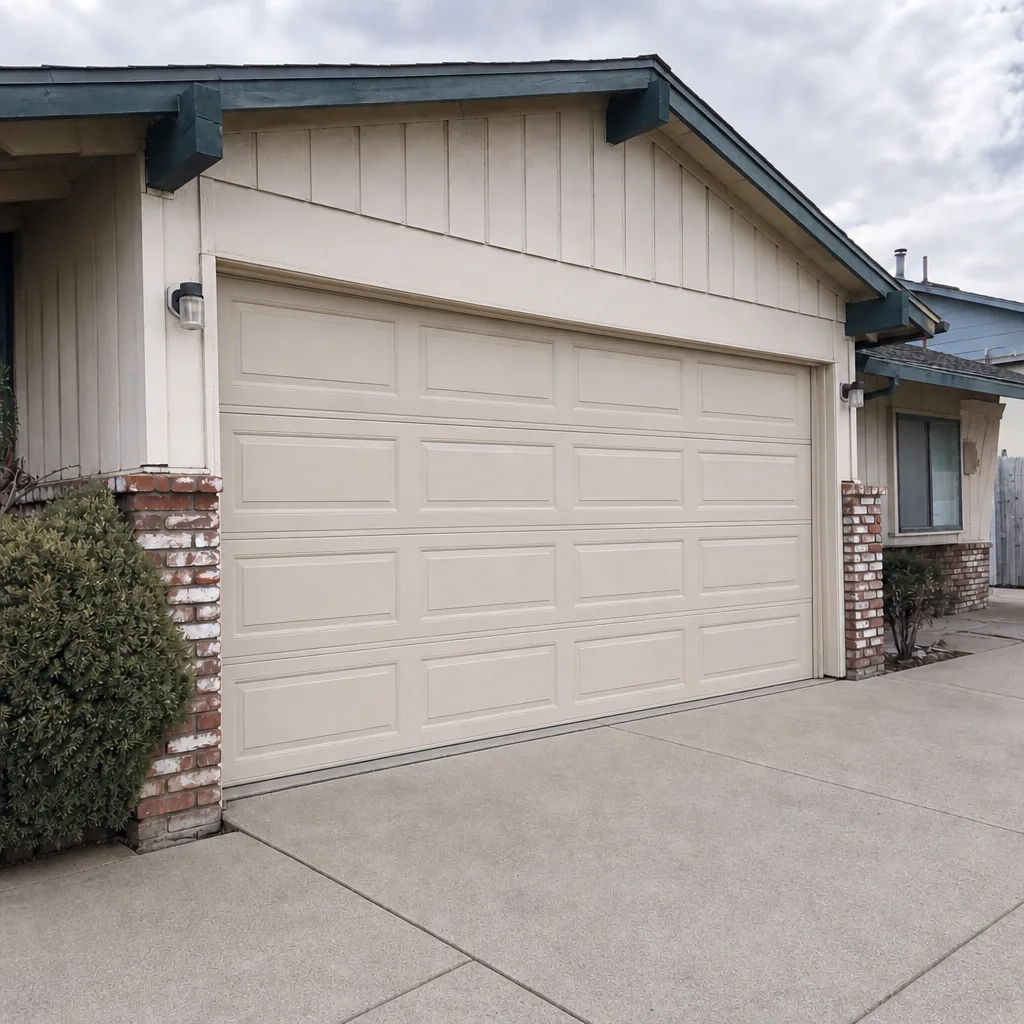 After
Torsion vs Extension Springs in Spring Valley, NV: Which One Belongs on Your Door?
Choose torsion springs unless you’re keeping a builder-original door that’s already set up for extension springs and is in good shape. On most Spring Valley doors, a torsion setup is the better call because it lasts longer, lifts more evenly, and fails in a way that gives you warning. Extension springs are cheaper to replace but they fail suddenly, and out here that matters more than the price gap. If your spring has already let go, call (888) 318-1978 and we’ll quote the job on the phone before anyone rolls a truck.
That short answer hides a real difference in how each spring type fails in this climate. On the west-side streets backing up to the Spring Mountains foothills, we can usually tell a torsion spring is close to going before it does. Extension springs don’t offer that courtesy. They just snap.
Why Spring Valley Springs Fail Differently Than Springs Back East
Torsion springs on west-side homes near the mountains wash tend to bind up gritty and stiff before they let go. Wind-driven dust off the wash and the hillsides works its way into the coils, and the door starts to slow or jerk partway up. That grinding feel is a warning window, and it’s worth more than the price difference between the two types.
Extension springs on the older east-side subdivisions don’t give you that. When a single extension spring snaps, it lets go all at once. In a garage that hits 130°F in July, a spring under load becomes a projectile, and it doesn’t care what’s parked in the way.
Summer highs above 105°F cook garage interiors all over Spring Valley. That heat degrades lubricant faster than in milder markets, which is half the reason torsion hardware gets stiff in the first place. The dust does the other half.
Torsion vs Extension Springs: The Side-by-Side
| Feature | Torsion Spring | Extension Spring |
|---|---|---|
| Where it mounts | Above the door on a shaft | Along the side tracks |
| How it fails | Usually binds and grinds first | Often a sudden snap |
| Lifting feel | Smoother, more balanced | Can lift unevenly over time |
| Typical replacement cost | $180-$340 | $180-$340 |
| Best fit | Heavier doors, most modern setups | Lighter, older doors already built for it |
The cost lines up close enough that price shouldn’t be the deciding factor. What should decide it is your door’s weight and how you’d rather find out it’s failing.
The Weight Math Most Comparison Articles Skip
A standard two-car garage door in Spring Valley runs 150-200 lbs on a 7-ft opening. That’s the range where a single torsion spring is marginal. It works, but it’s working hard, and it wears faster. Double torsion is the right call in that weight range, and it’s what we recommend on most two-car doors here.
Extension springs on a door that heavy can do the job too, but they need the right pairing and they need safety cables. More on that below.
The 1980s-90s Builder Problem on the East Side
A lot of older Spring Valley homes still have their original single extension springs, installed with no safety cables. Builders put them in during the 1980s and ’90s because they were cheap and legal at the time. Many are still hanging there.
Spring Valley is unincorporated Clark County, so garage door work here answers to county code rather than a city building department. There’s no city inspector nudging you to add safety cables or upgrade to torsion during a repair. Nobody pushes the upgrade but the homeowner, and that means you have to know to ask. We’ll tell you on the call either way.
If your door has one extension spring per side and no cable running through the middle of it, that’s a conversation worth having before something snaps in the heat.
How to Check What You Have (Without Touching It)
You can figure out which spring type you have without getting near the hardware. Look, don’t touch. Springs under tension can injure you or worse, so leave the actual work to a trained professional.
- Look above the door. If you see a horizontal bar with a coiled spring wrapped around it, you have torsion springs.
- Look along the side tracks. If you see a stretched-out spring running parallel to each track, those are extension springs.
- Count the springs. One torsion spring on a two-car door means you’re likely due for a double setup.
- Check for safety cables. Extension springs should have a steel cable running through the middle. No cable means an added risk.
- Listen and feel. A door that jerks, slows, or binds on the way up is telling you something is worn.
If any of that points to trouble, that’s when you pick up the phone. A door is 200 pounds riding on two springs. Respect it. We’ve seen up to 22 years of technician experience go into reading exactly this kind of wear, and it’s not a job for a ladder and a YouTube video.
What Otto’s Garage Door Spring Valley Recommends
We quote the spring type on the phone, along with the cycle rating we’re installing and why, before the truck rolls. You shouldn’t be deciding blind at the driveway. That’s how national outfits end up quoting one price on the call and billing another at the door, and it’s why we hold the number when we arrive.
On most Spring Valley two-car doors, that means double torsion springs sized to the door weight. On a lighter single door or an older east-side home that’s already set up for extension springs, a properly matched extension spring with safety cables is a fine choice. We’ll tell you which one your door actually needs and back it up with the 90-Day Done Right Promise in writing.
If it turns out the springs aren’t the whole story, we also handle the parts that wear alongside them: Garage Door Parts for rollers, cables, and hardware, plus Garage Door Parts in Spring Valley for a full local rundown. Doors built with Chamberlain, Genie, Clopay, or Amarr hardware all cross our path regularly, and the spring logic holds across them.
What Spring Repair Costs in Spring Valley
Spring repair here runs $180-$340, and both spring types sit in that same range. Cable repair lands at $130-$250. If the opener’s straining, it’s usually the spring, not the opener, and the problem is almost never the opener when a spring is worn. Opener repair runs $120-$320, and a full new opener install is $250-$550.
New doors, if you’re weighing replacement instead of repair, run $700-$2,200. Our published home page has the full picture of what we do. The honest answer on most fifteen-year-old doors is to repair the springs and keep the door, unless the panels are rusted through.
FAQs
Torsion springs are generally safer because they mount above the door and fail with less force, while extension springs can snap with real energy if they’re not cabled. In Spring Valley’s older homes with bare single extension springs, that’s the main reason we push the upgrade. Call (888) 318-1978 for a free second opinion on any written estimate.
Both types run $180-$340 for a standard residential replacement. The price difference is small enough that safety and door weight should decide it, not cost. Call (888) 318-1978 for an exact quote, and estimates are free.
Usually yes, if you can tell us the door’s weight rating and whether it’s a single or two-car opening. Otto’s Garage Door Spring Valley quotes the spring type on the call and holds that number at the door. That’s the whole point of answering the phone ourselves.
Often yes, since we run 24/7 and a live person picks up around the clock, including nine at night when a spring lets go and your car is sealed inside. Call (888) 318-1978 and we’ll get you on the schedule.
If you’d rather have it looked at, Otto’s Garage Door Spring Valley offers a no-pressure assessment in Spring Valley. We’ll name the spring, explain the cycle rating, and tell you what your door actually needs before anything gets installed. Call (888) 318-1978 for a free estimate.
Written by the team at Otto’s Garage Door Spring Valley, serving Spring Valley, NV.