
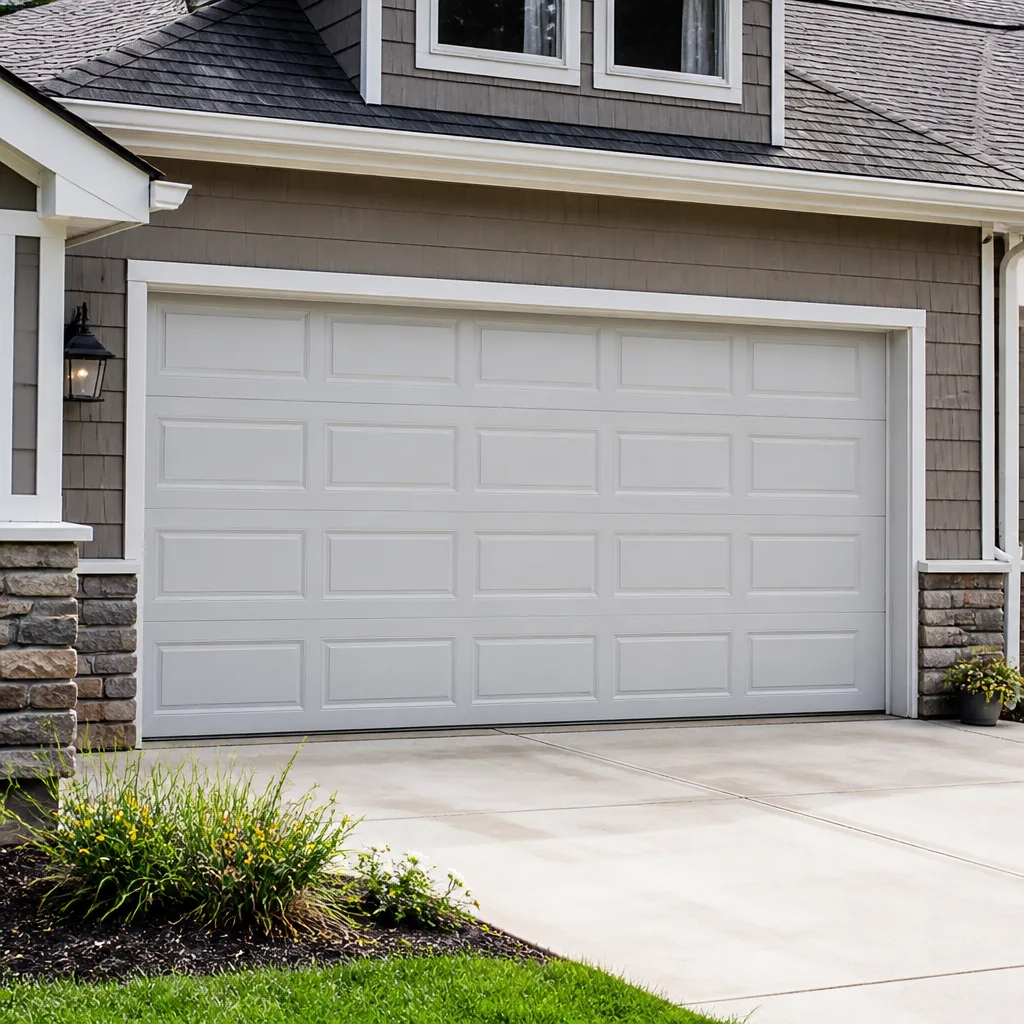
 Raised-panel steel
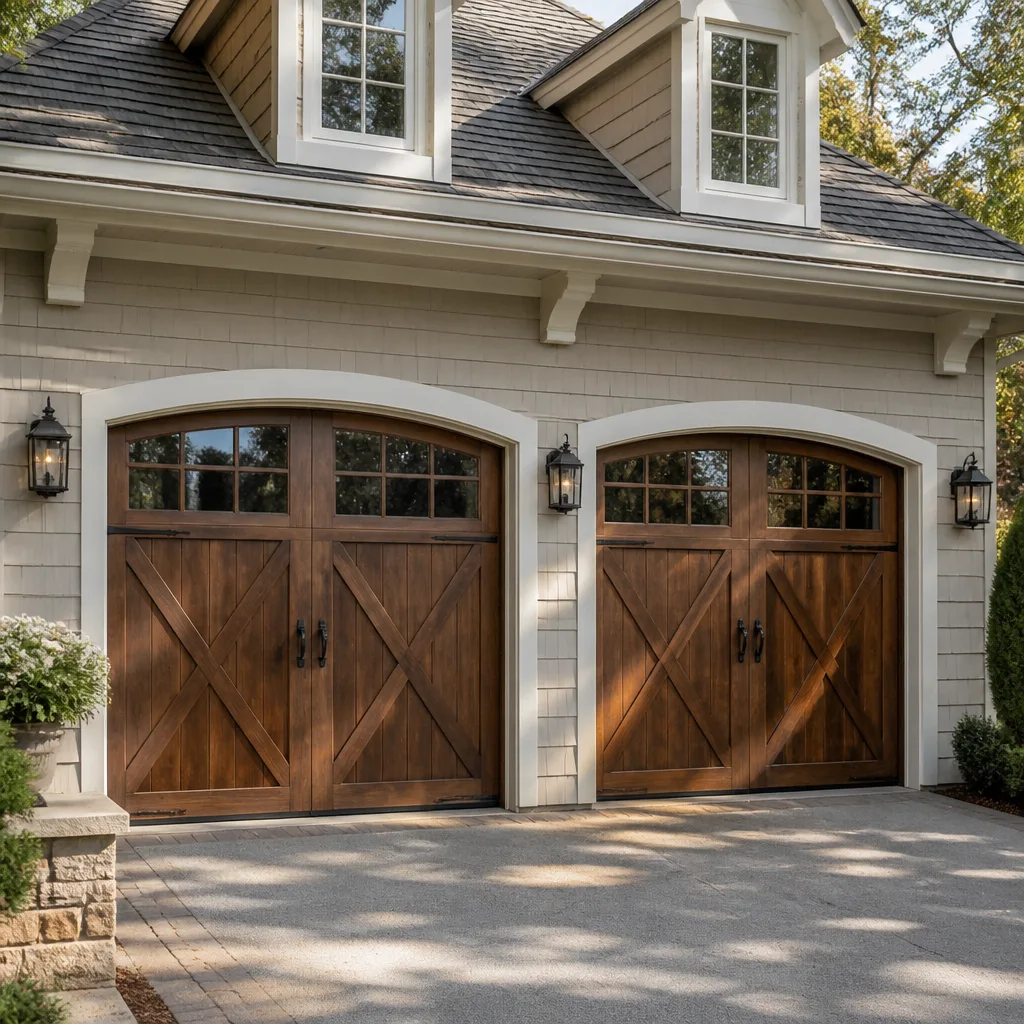 Carriage house
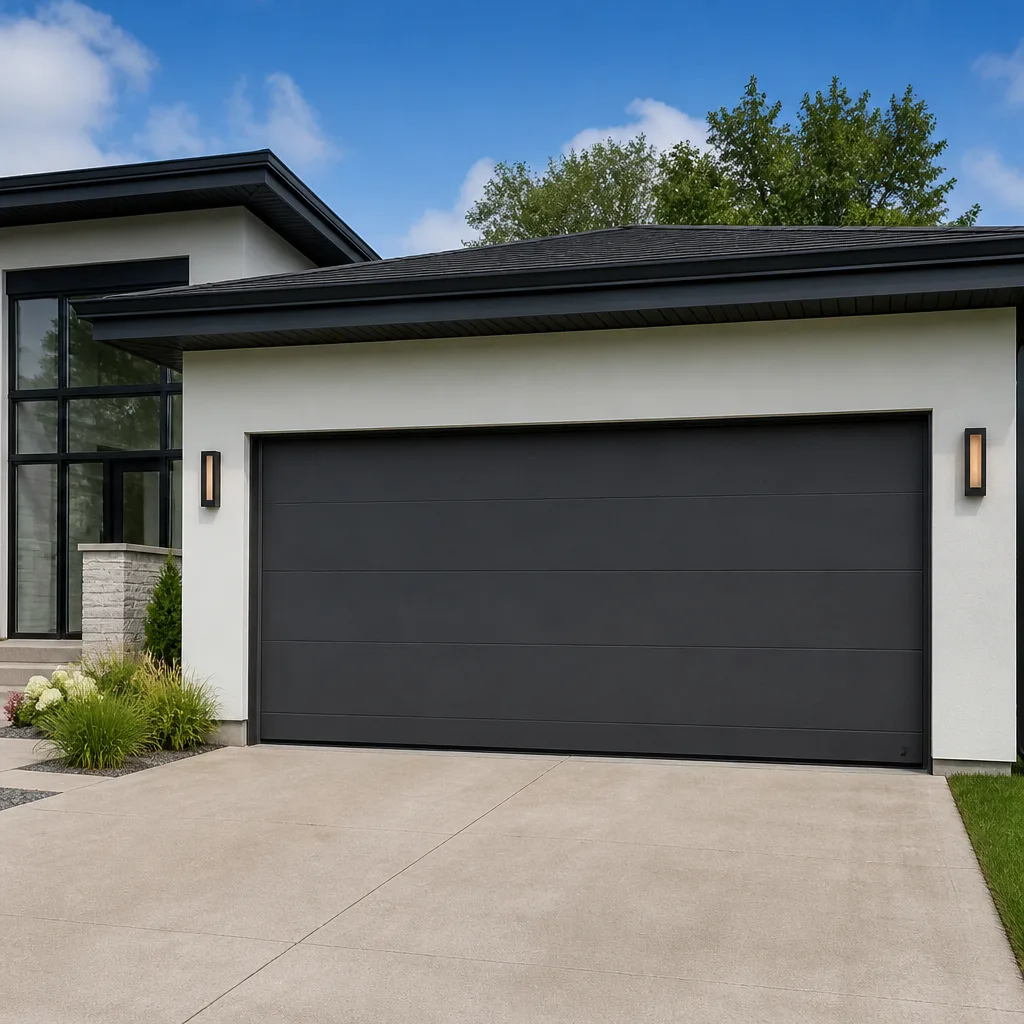 Modern flush
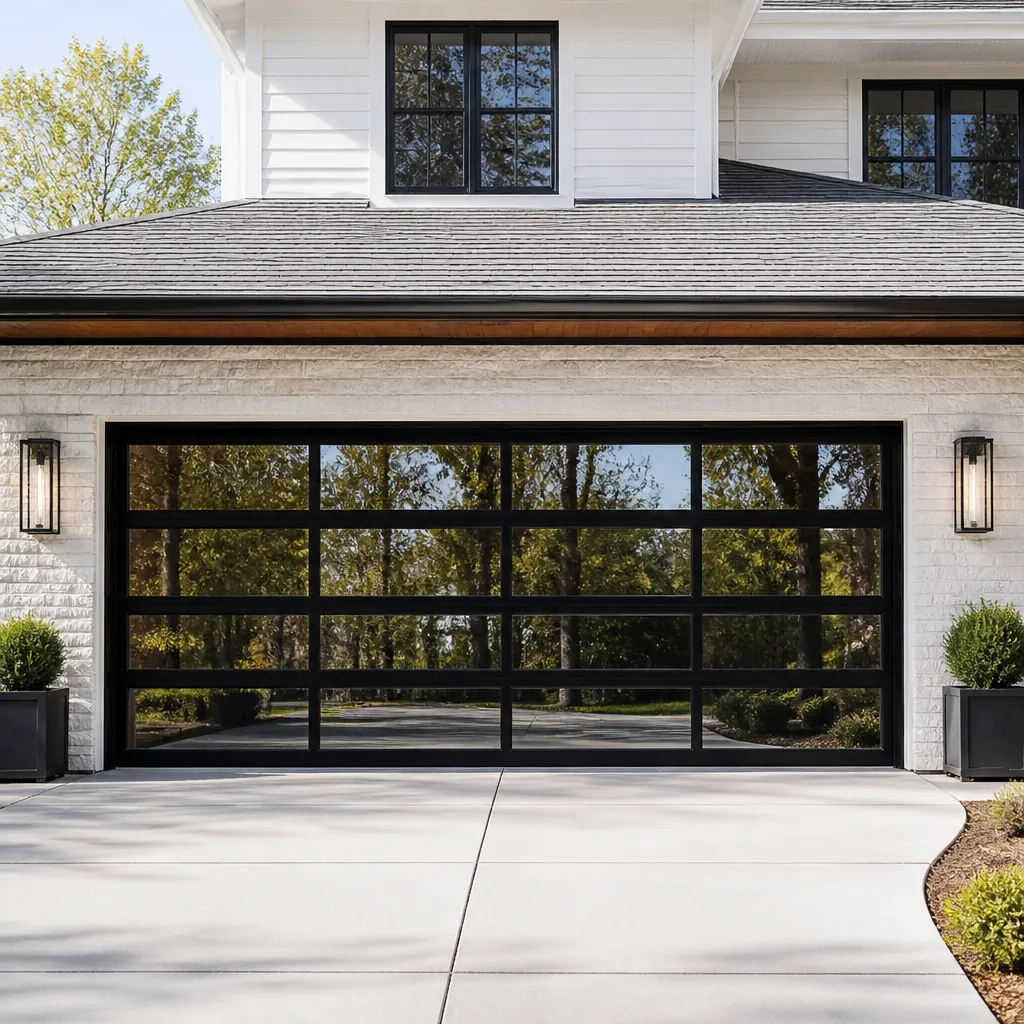 Full-view glass
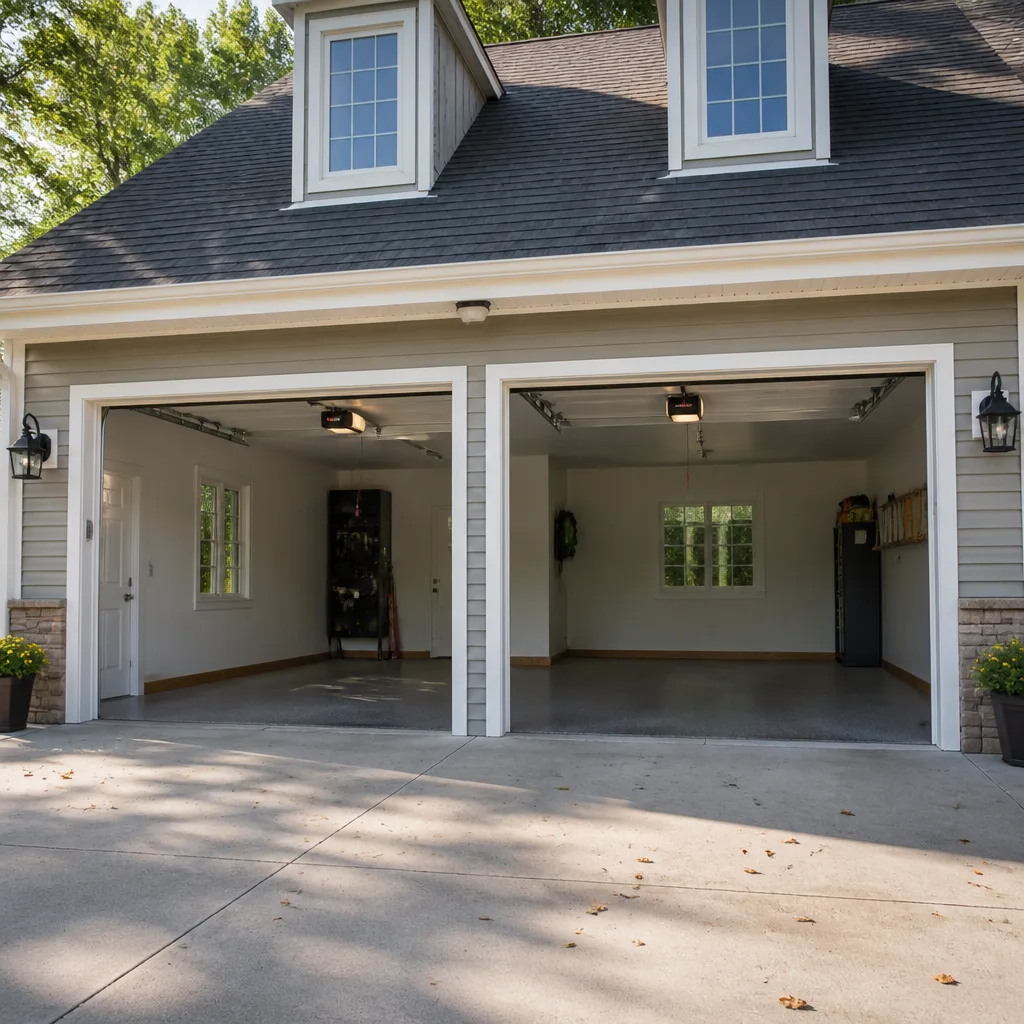 LiftMaster openers
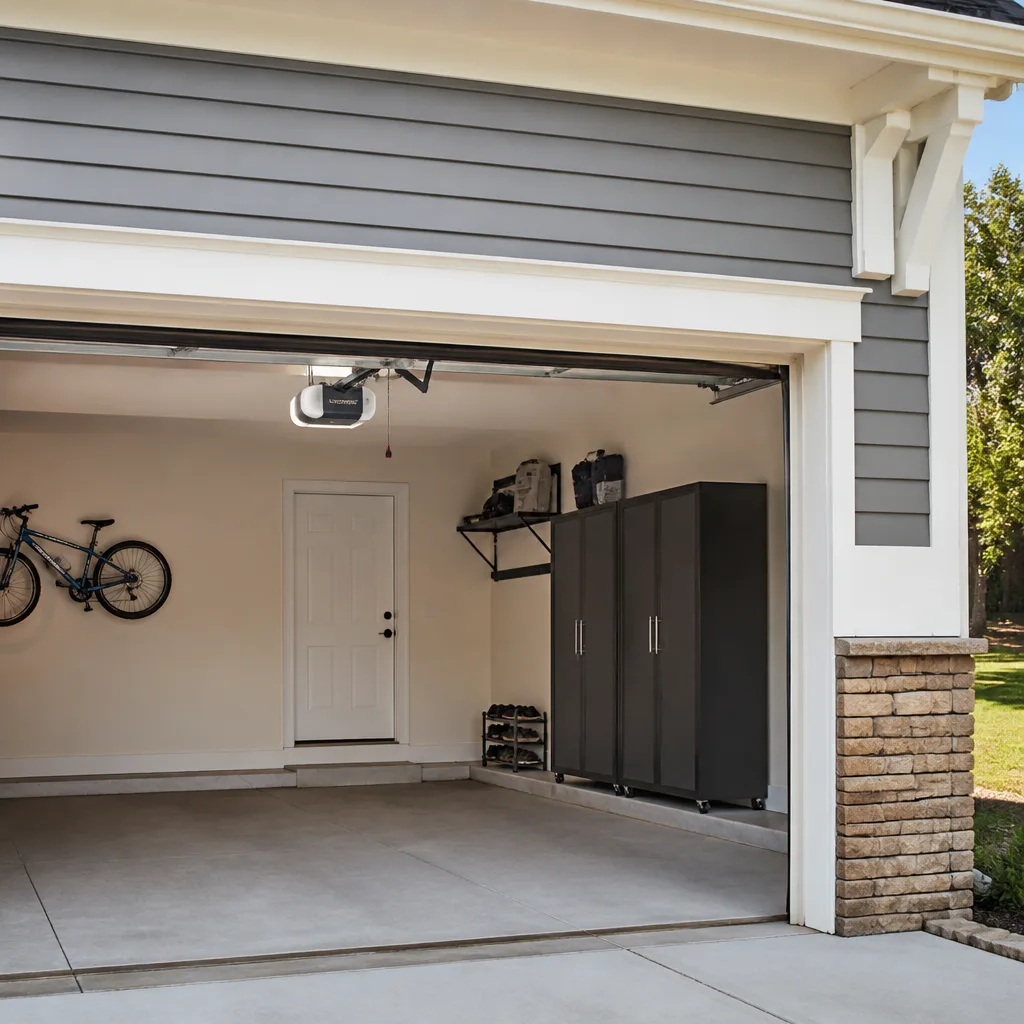 Chamberlain openers
Full 25-point door and opener safety check with every visit - springs, cables, rollers, tracks, and your LiftMaster or Chamberlain opener included
You get a price before we start. It does not change when the pro arrives.
Get your free estimateStyles & brands we work with
- Raised-panel steel
- Carriage house
- Modern flush
- Full-view glass
- LiftMaster openers
- Chamberlain openers
See the difference
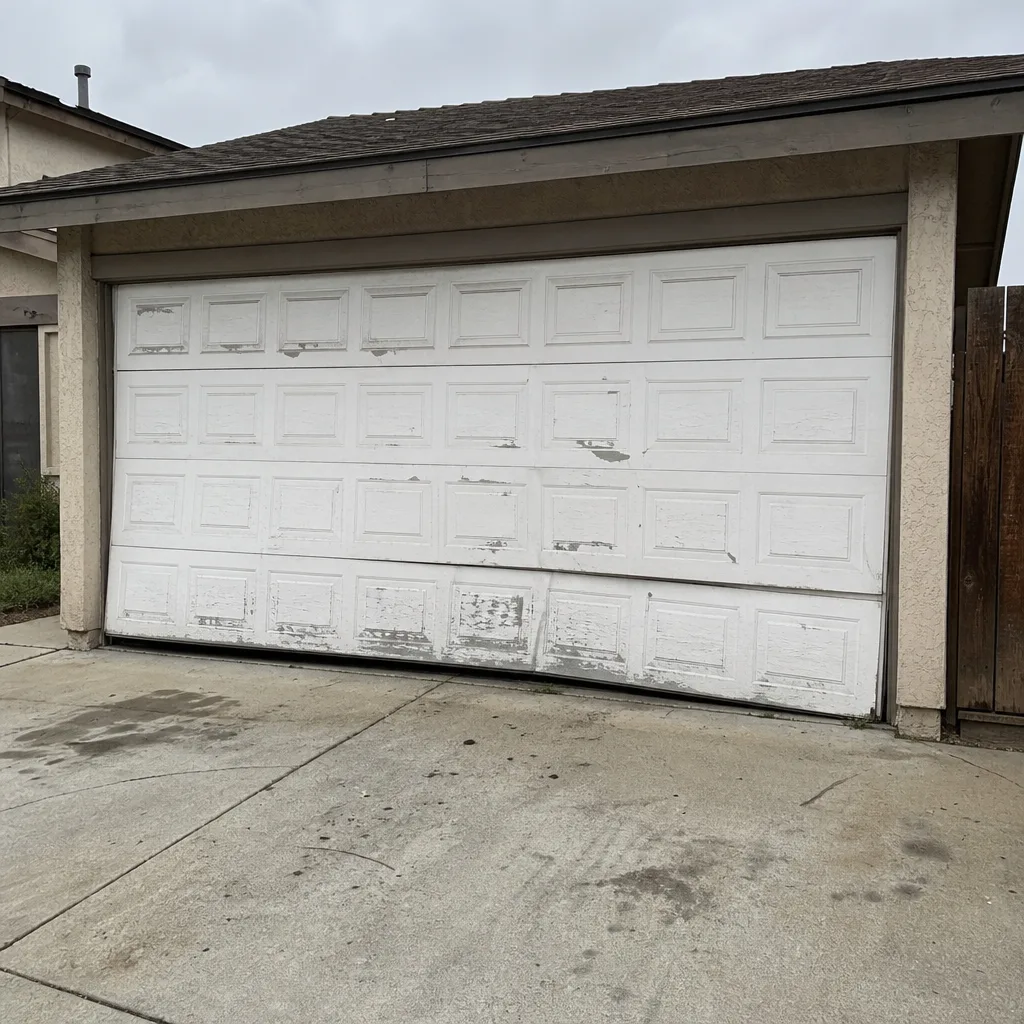 Before
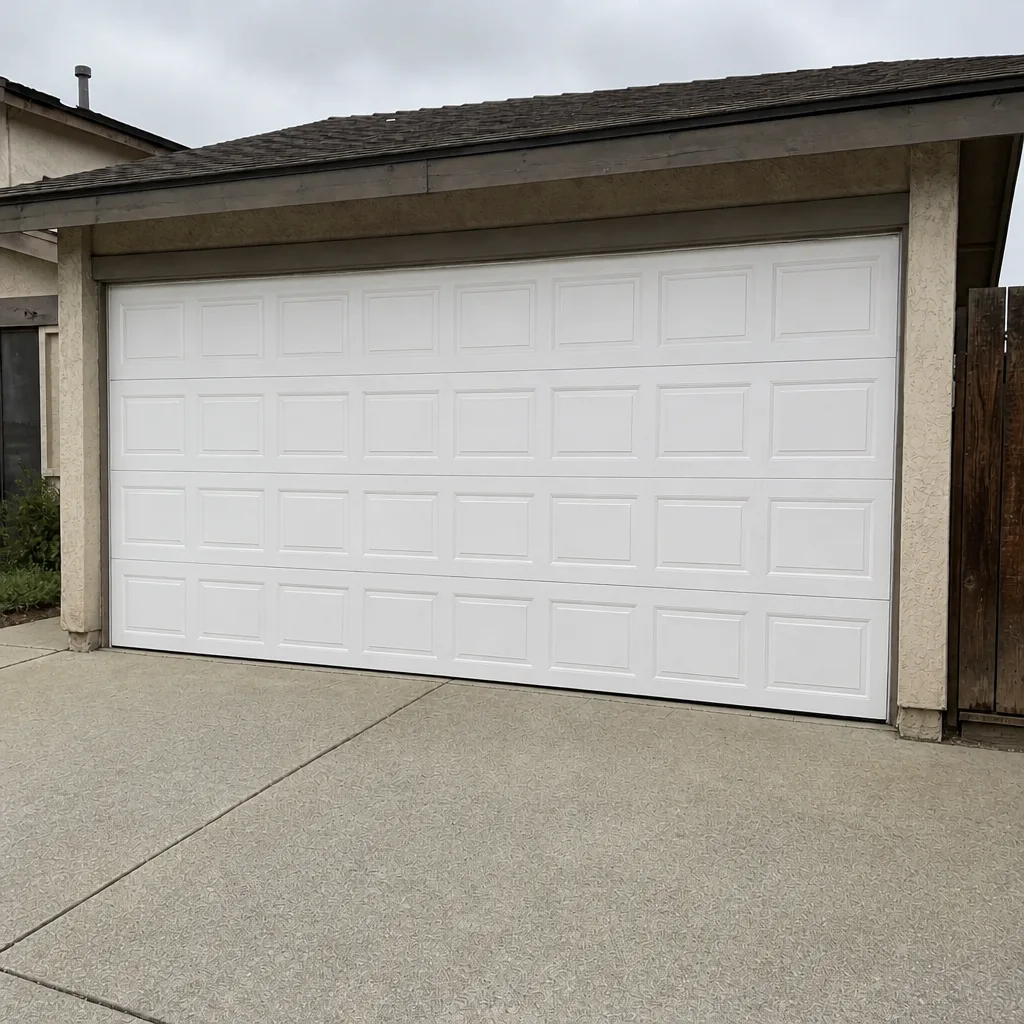 After
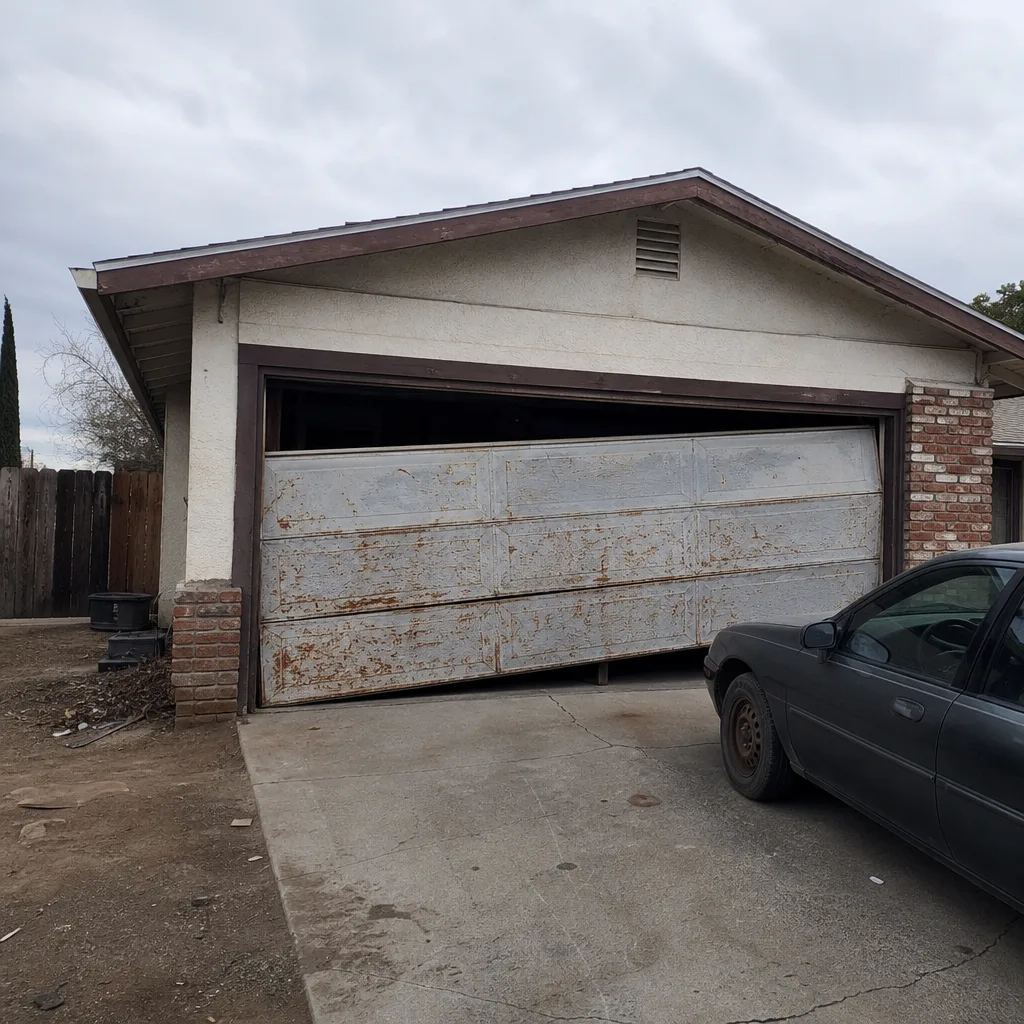 Before
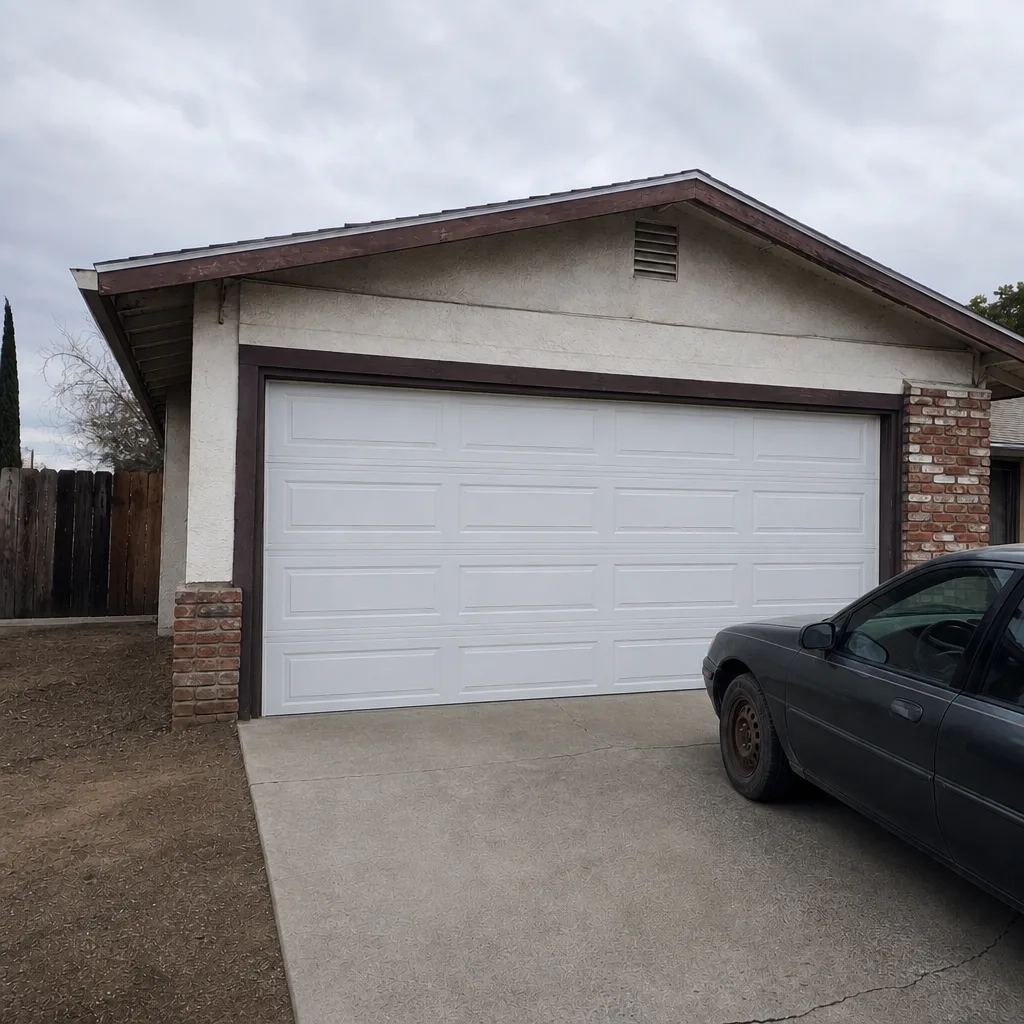 After
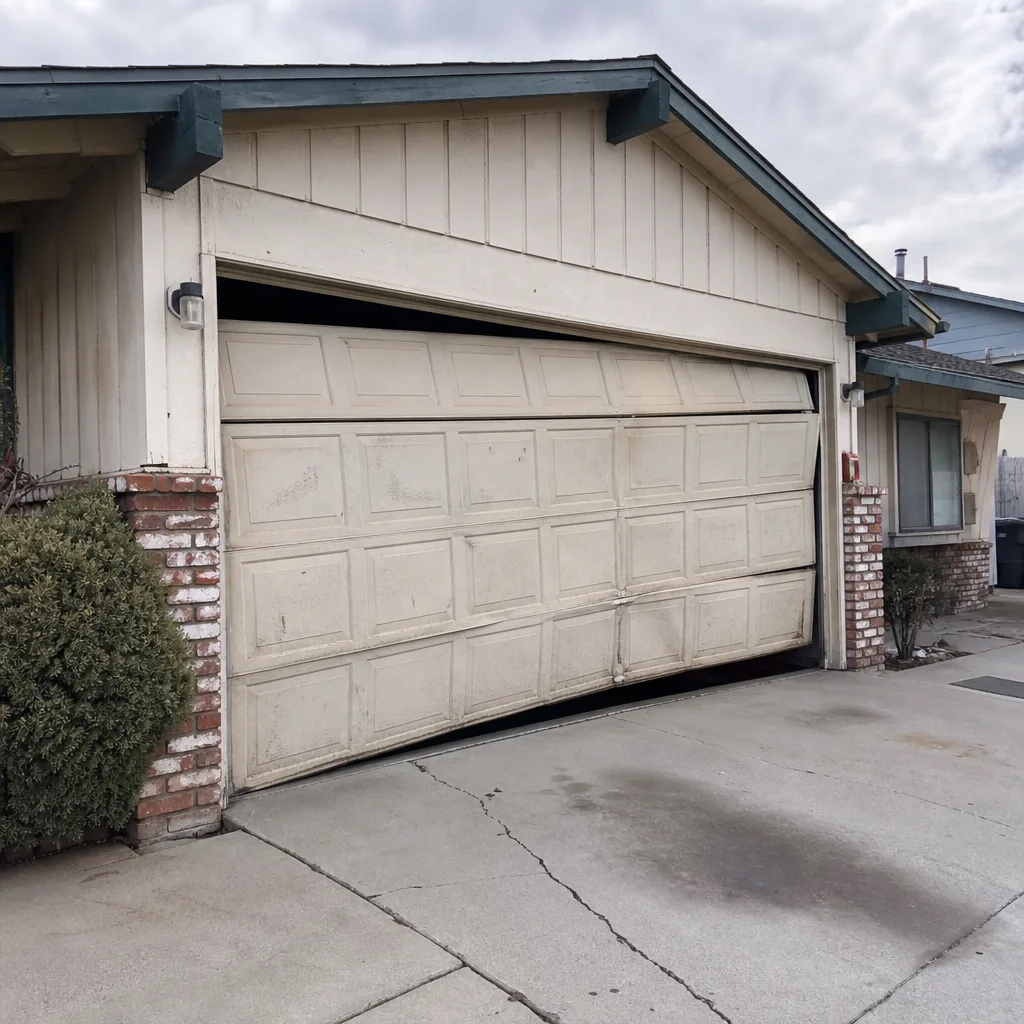 Before
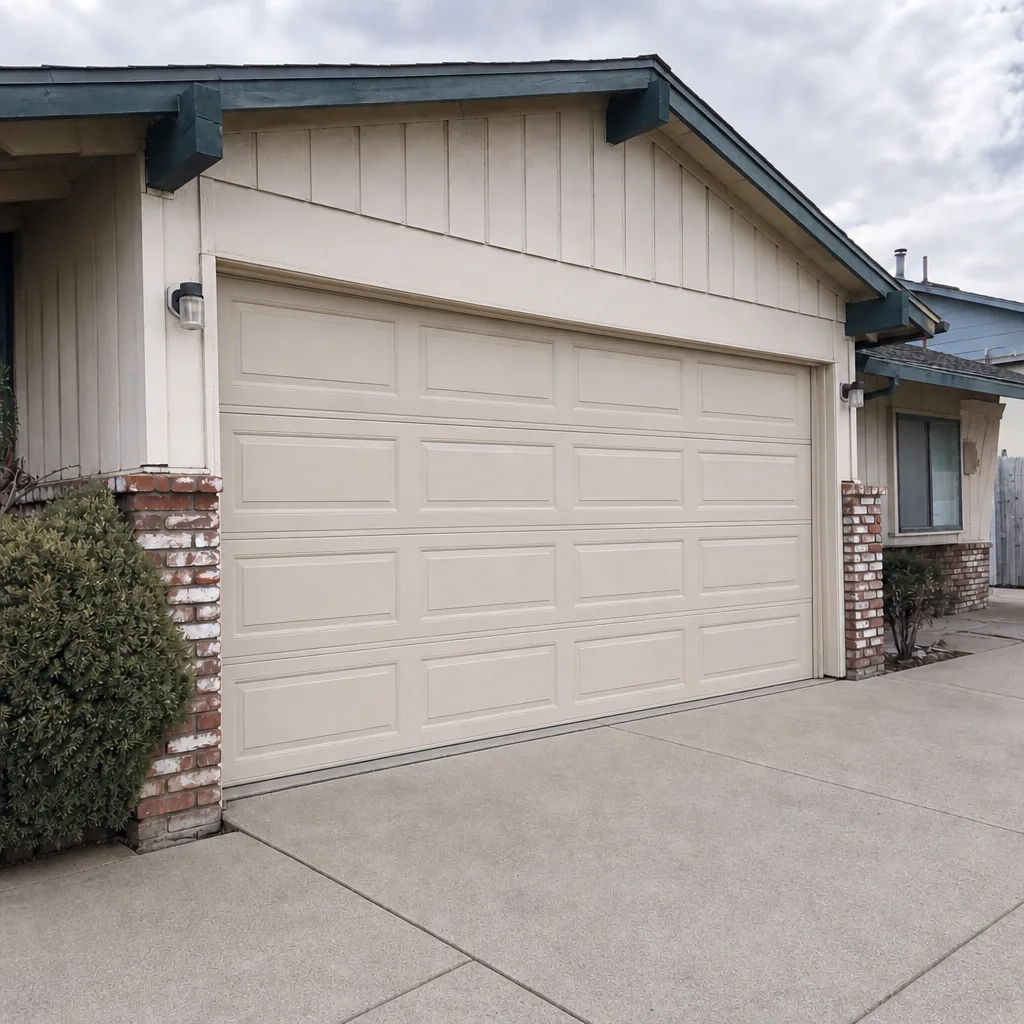 After
Garage Door Maintenance Tips for Spring Valley, NV: The Calendar That Actually Matches Our Heat
The single most important maintenance tip for a Spring Valley garage door is this: lubricate in late May and again in early August, not in the fall. In Spring Valley, 105°F-plus summers cook the grease off your rollers and hinges by mid-June, and then August monsoon winds pack the bare metal with abrasive wash grit. If you’re following a YouTube checklist that says “lubricate in October,” you’ve already missed the two months that decide whether your springs last five years or twelve. Call (888) 318-1978 if you’d rather have someone look at it before the heat arrives.
Why the Standard Maintenance Calendar Is Backwards Here
Almost every national maintenance guide is written for a climate with four seasons and moderate humidity. Those guides assume the big threat is winter cold and rust. Spring Valley doesn’t work that way.
Here’s the failure sequence we see on calls across the valley, and it runs in one direction:
- Late May through July: garage interiors on a west- or south-facing wall regularly climb past 130°F. That heat doesn’t just make the space uncomfortable. It thins and cooks the lubricant out of every roller bearing, hinge pin, and torsion fitting until the metal runs dry.
- August: monsoon winds push fine wash and hillside dust through every gap. On dry, unlubricated tracks and rollers, that grit becomes an abrasive paste. Every open and close cycle grinds a little more metal off.
- September through May: the damage from July and August shows up as binding doors, straining openers, and springs that snap with no warning.
Most homeowners here lubricate once, in the fall, right when the door starts feeling stiff. That’s the wrong moment. By fall, the grit is already embedded. The lubricant you add in October sits on top of the mess instead of protecting clean metal.
What to Use (and What to Never Put on a Spring Valley Door)
Use a silicone-based spray lubricant on rollers, hinges, and the torsion bar. Not WD-40. Not white lithium grease. Both are petroleum-based, and in a garage that hits 130°F, they degrade into a gummy varnish by August. We’ve pulled rollers out of doors in the eastern pockets of Spring Valley that were practically glued in place by congealed grease from a can someone bought at a big-box store three summers ago.
Silicone holds its film past 110°F and doesn’t attract dust the way sticky grease does. A light coat on each roller bearing and hinge pin, twice a year, is the whole job. It takes about fifteen minutes.
Do not spray the torsion spring itself, and absolutely do not attempt to adjust spring tension. A garage door is a 200-pound panel riding on two springs under serious stored tension. Respect it. Winding, unwinding, or “tightening” a torsion spring is the one maintenance task that sends people to the emergency room every year. That work belongs to someone trained for it, and we’ll say so on every page we write.
The West-Side Dust Problem Nobody Warns You About
If your street backs up to the Spring Mountains foothills, your maintenance needs are different from a homeowner on the sheltered interior valley floor. Wind-driven dust off the wash and hillsides coats your tracks and rollers year-round, not just during monsoon season. Those exposed lots also run hotter, because there’s less to block the afternoon sun.
For west-side homes, wipe down the tracks with a dry cloth and re-lubricate quarterly, not annually. And pay attention to how the door feels. Springs and torsion hardware on dusty lots tend to fail with a gritty, binding feel before they break outright. If your door hesitates halfway up or you hear a grinding scrape, that’s the dust talking. Catch it early and you’re looking at a roller replacement in the $110-$220 range. Ignore it and you’re looking at a spring repair at $180-$340, or worse.
Test the Bottom Seal Before It Tests You
Your rubber bottom seal is the fastest-wearing part on the whole door in this climate. Builder-grade seals on the 1980s and 1990s stucco homes in the eastern pockets of Spring Valley dry-crack within two to three summers. Once they crack, they let in dust, heat, and things you don’t want in your garage.
Here’s the dollar-bill test. Close the door, then try to slide a dollar bill under the seal at three or four points along the width. If it slides out easily, the seal isn’t making contact and it’s time to replace it. If it grips, you’re fine. A cracked seal is a cheap fix now and a pest problem later.
A Realistic Maintenance Schedule for Spring Valley
Forget the generic list. Here’s what actually works on a door in this valley, laid out as a simple routine:
- Late May: silicone-spray every roller bearing and hinge pin, then wipe the tracks clean.
- June and July: listen. If the opener seems to strain, the problem is almost never the opener; it’s a door that’s binding because the metal went dry.
- Early August, before monsoon: re-lubricate and wipe the tracks again. This is the coat that protects you through dust season.
- After the last monsoon storm: dry-wipe the tracks and check the bottom seal with the dollar-bill test.
- Once a year: have the springs, cables, and opener inspected by someone trained to do it. This is the part where a professional earns their keep.
If you’d rather leave it all to a pro, that routine is exactly what we do. And here’s the value you don’t get from a franchise: our 90-Day Done Right Promise is written on every invoice. If we service your door and something we touched fails within ninety days, one call to the shop gets it made right. No dispatch queue. That’s the difference between a maintenance plan and a maintenance promise.
What Maintenance and Repairs Cost in Spring Valley
Prices here run on the higher side of national averages, mostly because of heat-driven wear and the frequency of spring and cable failures. Here’s what you can expect:
| Service | Typical Range |
|---|---|
| Roller replacement | $110-$220 |
| Track realignment | $120-$240 |
| Cable repair | $130-$250 |
| Spring repair | $180-$340 |
| Opener repair | $120-$320 |
| Panel replacement | $250-$500 |
A proper maintenance visit that catches a worn roller now saves you a full repair at $150-$600 later. And if you’re facing a bigger decision, we’re honest about it. Sometimes a door that’s been cooked and ground for twenty-five years is better replaced than repaired. A new door installation runs $700-$2,200, and on the newer west-side builds where insulated doors and belt-drive openers are standard, a new opener at $250-$550 is often the smarter spend than repairing a tired one.
Because Spring Valley is unincorporated Clark County, garage door work here answers to county code rather than a city building department. Any company you hire should be able to produce a published address and license number before the truck shows up. We’ll hand you ours without being asked.
When to Stop Troubleshooting and Call
You can handle lubrication and the bottom-seal test yourself. Here’s where the line is: if you hear a sharp bang from the garage, see a gap in a spring coil, notice a frayed cable, or the door comes down crooked, stop operating it and call. Those are the failure modes that turn a $200 fix into a $900 one if you keep cycling the door. Our technicians have up to 22 years of experience with every major brand, including LiftMaster, Wayne Dalton, and Craftsman, and we can usually tell you what’s wrong from your description on the phone.
FAQs
Twice a year at minimum, in late May and early August, and quarterly if your home backs up to the Spring Mountains foothills where wind-driven dust coats the tracks year-round. The August coat is the one that protects your metal through monsoon season. If you’d rather have it handled, call (888) 318-1978 for a free estimate.
No. WD-40 and white lithium grease are petroleum-based and turn into a gummy varnish inside a Spring Valley garage by August, when interiors hit 130°F. Use a silicone-based spray lubricant instead. Call (888) 318-1978 if your rollers already feel stuck and you want a pro to look.
Repair is almost always cheaper unless the door is past 20 years old and showing widespread panel or hardware damage, in which case replacement usually wins on cost-per-year. A repair runs $150-$600; a new door runs $700-$2,200. Call (888) 318-1978 for an honest read on which makes sense for your door.
Call us and we’ll tell you straight. A snapped spring leaves most people locked out of their garage, so we treat it as urgent and often get out the same day. Don’t keep running the opener on a broken spring; it can damage the door and the opener. Call (888) 318-1978 for an exact quote, and estimates are free.
If you’d rather have it looked at, Otto’s Garage Door Spring Valley offers a no-pressure assessment in Spring Valley. We’ll check the springs, cables, seals, and opener, quote you upfront, and hold the number when we get there. Call (888) 318-1978.
Written by the team at Otto’s Garage Door Spring Valley, serving Spring Valley, NV.