
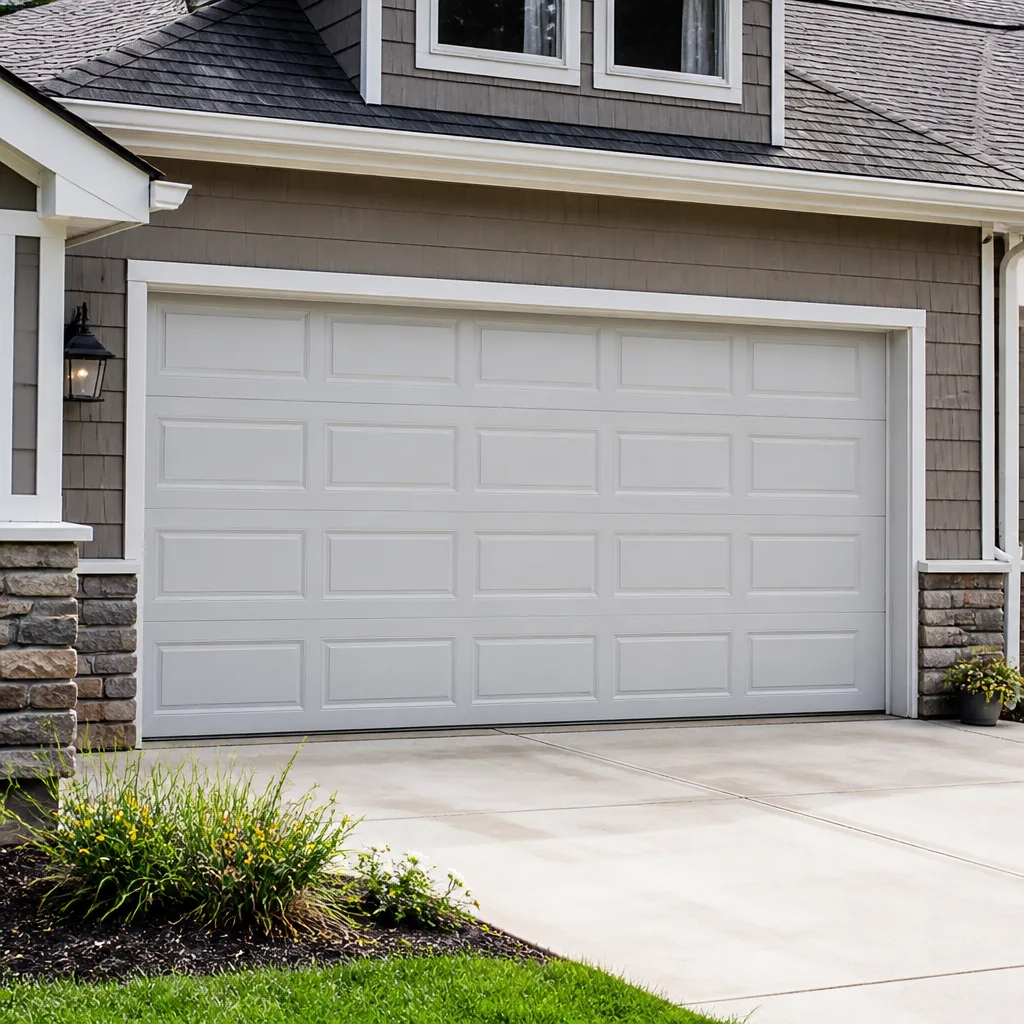
 Raised-panel steel
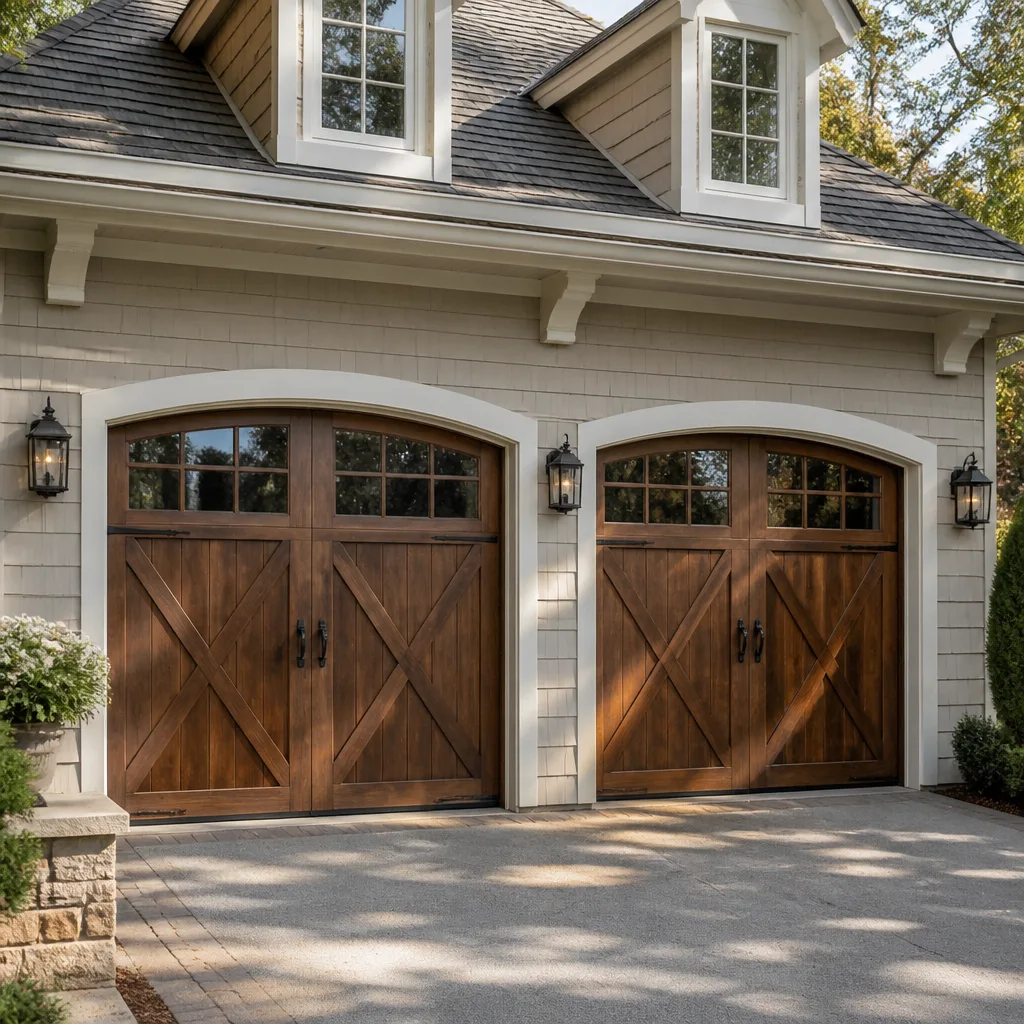 Carriage house
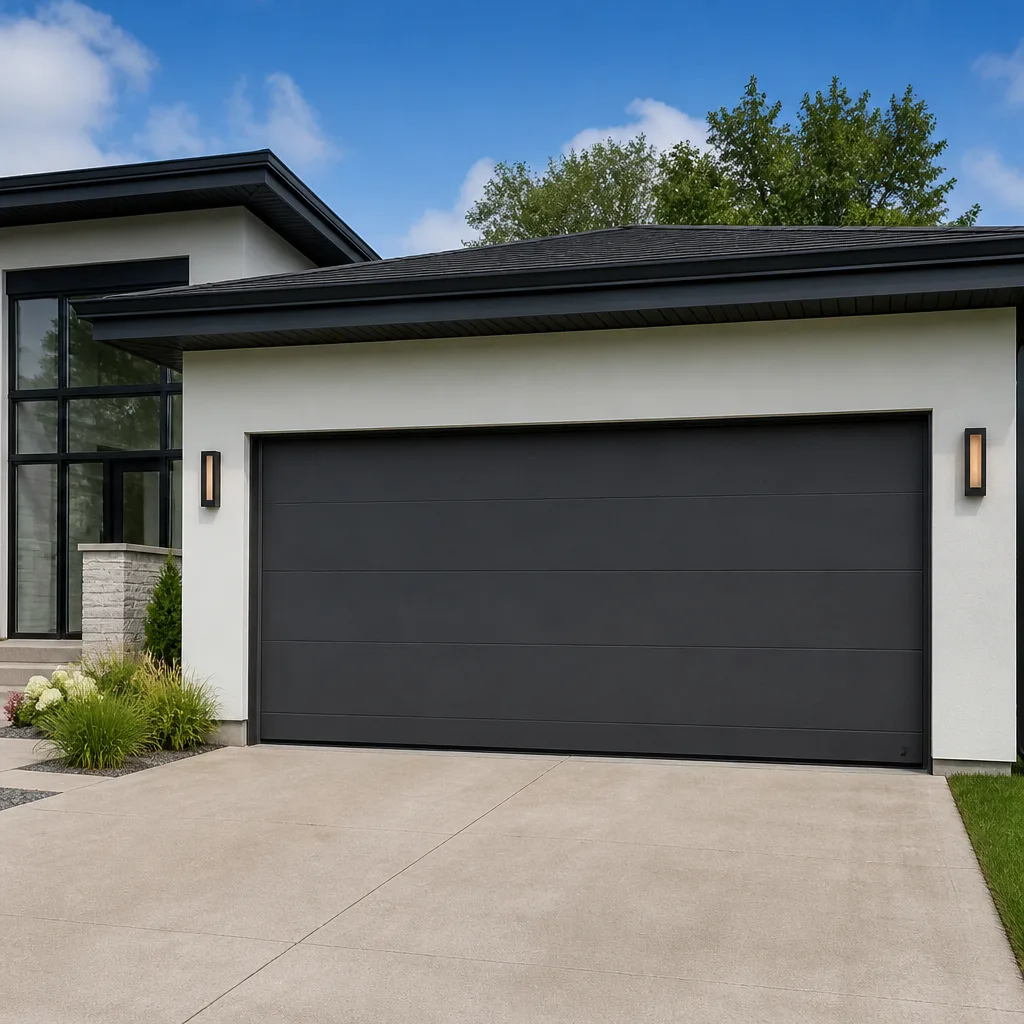 Modern flush
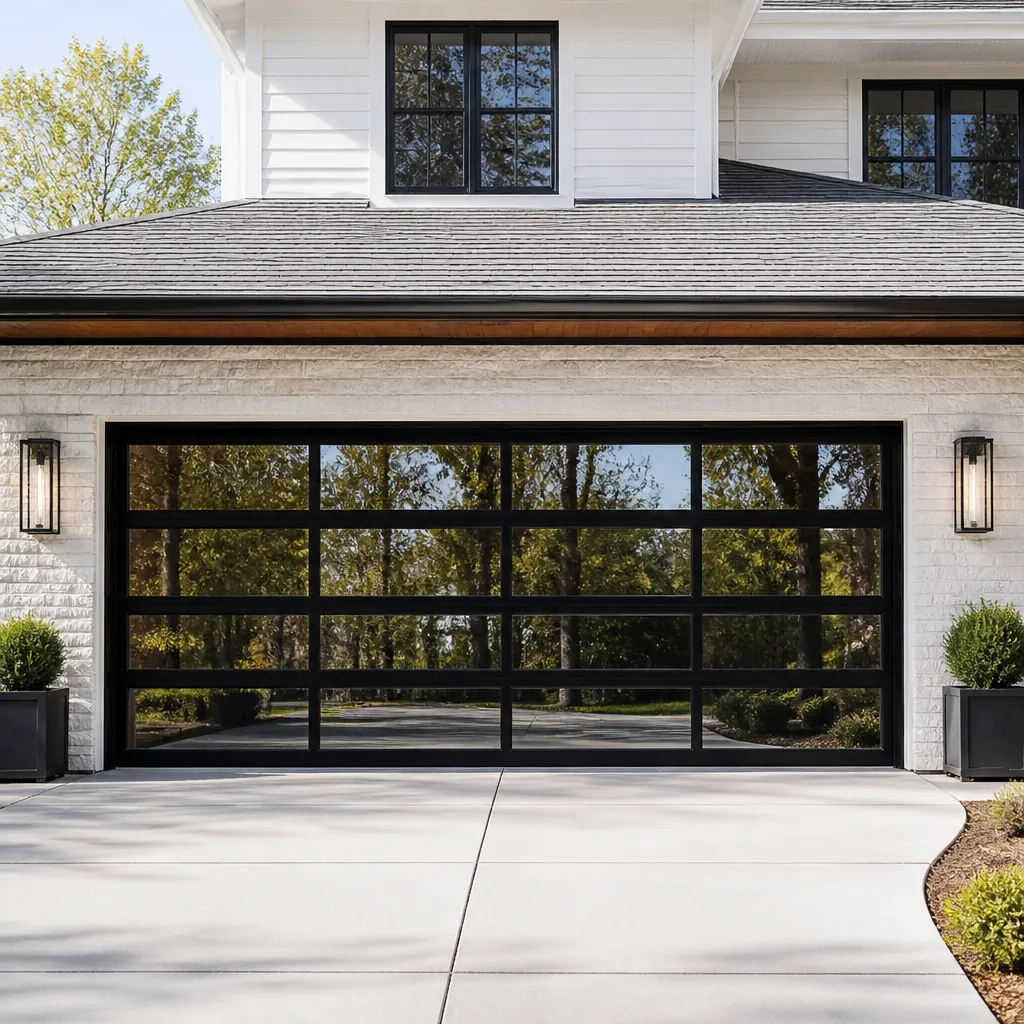 Full-view glass
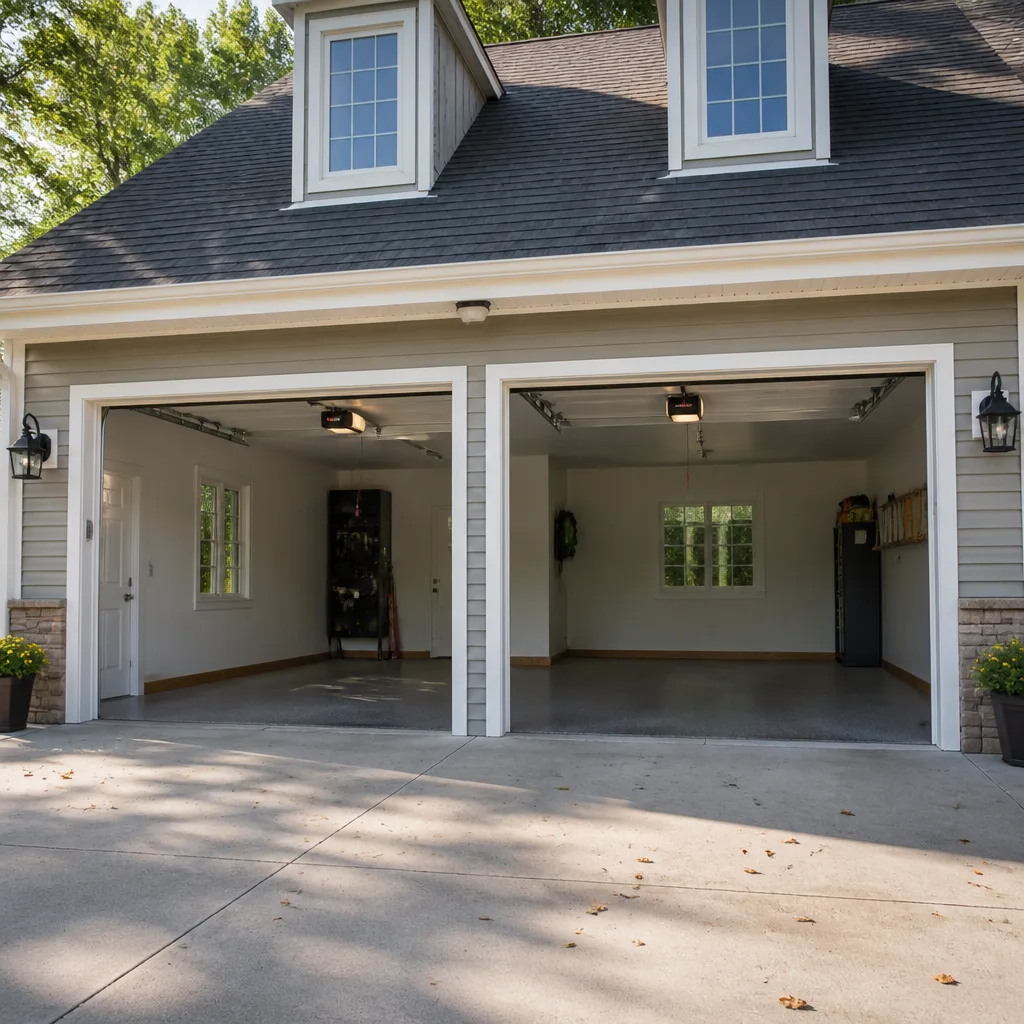 LiftMaster openers
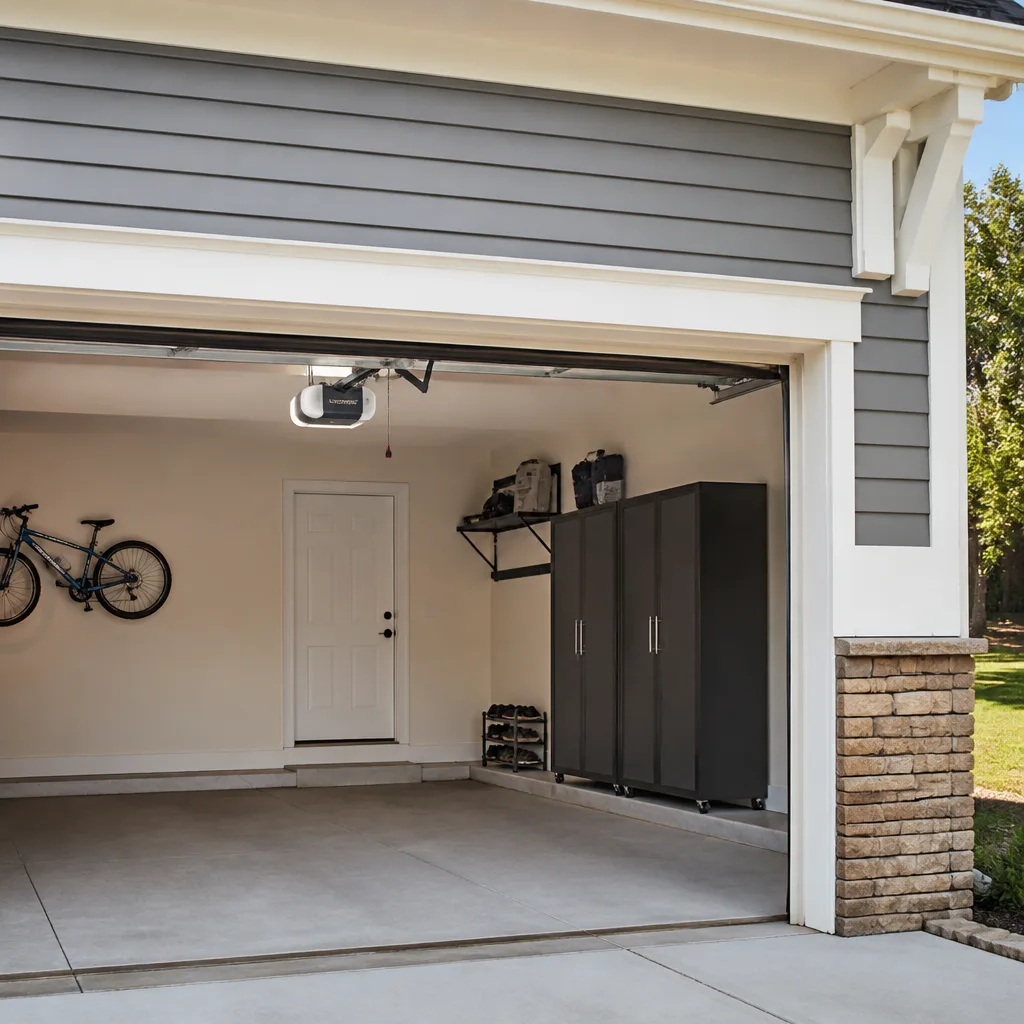 Chamberlain openers
Full 25-point door and opener safety check with every visit - springs, cables, rollers, tracks, and your LiftMaster or Chamberlain opener included
You get a price before we start. It does not change when the pro arrives.
Get your free estimateStyles & brands we work with
- Raised-panel steel
- Carriage house
- Modern flush
- Full-view glass
- LiftMaster openers
- Chamberlain openers
See the difference
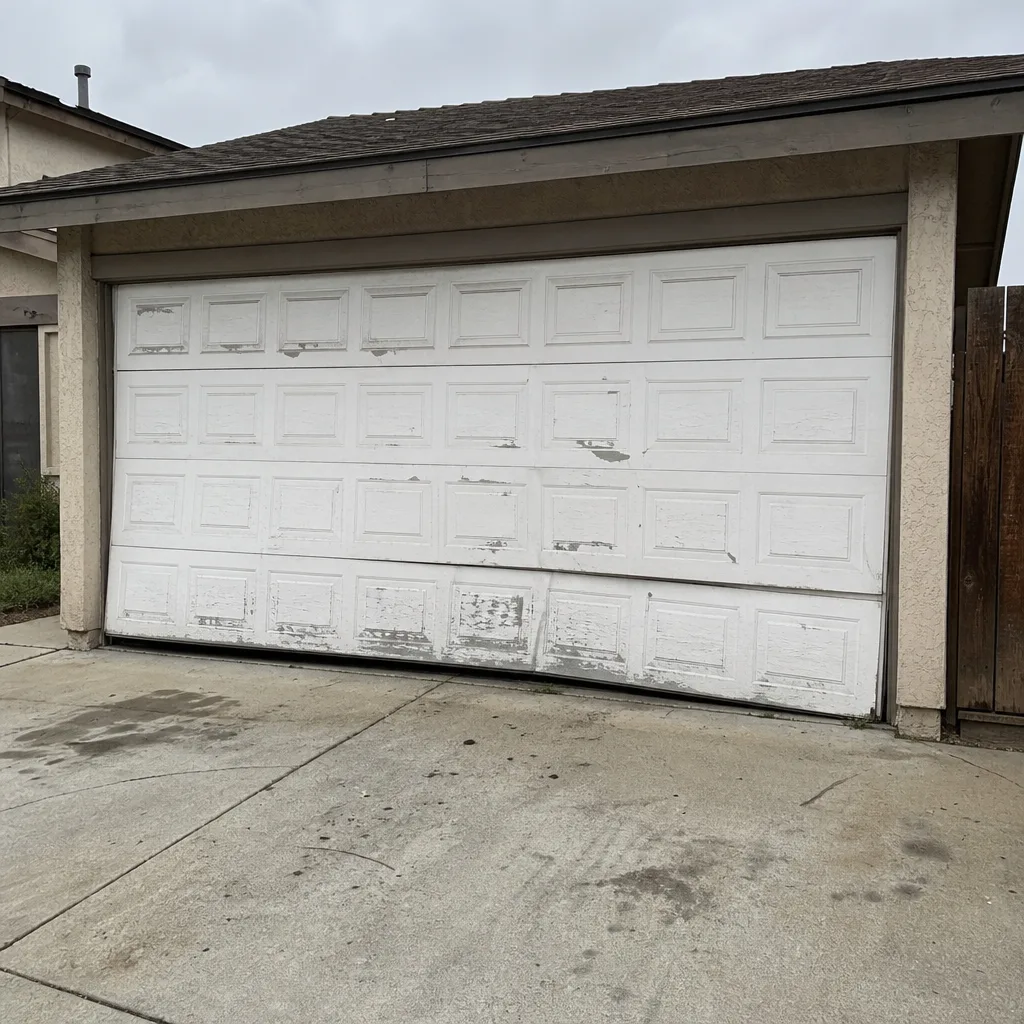 Before
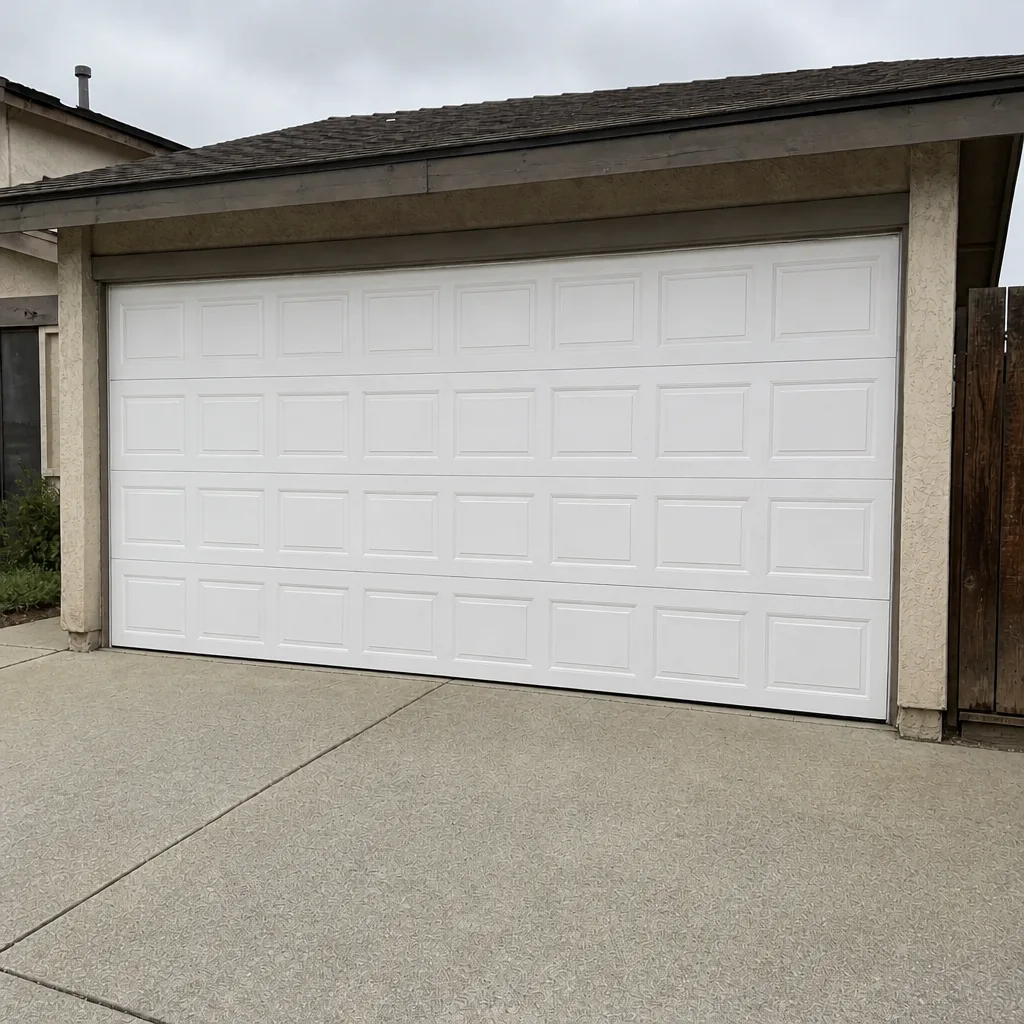 After
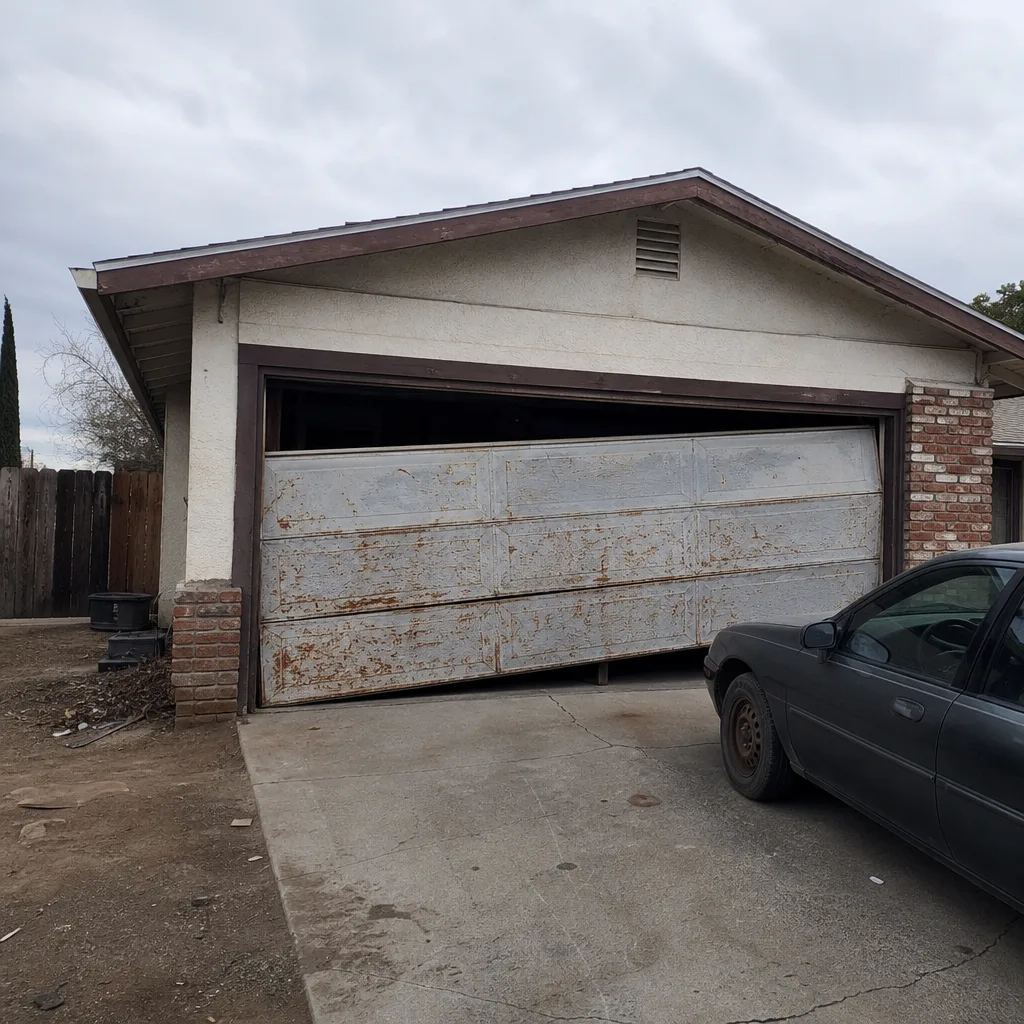 Before
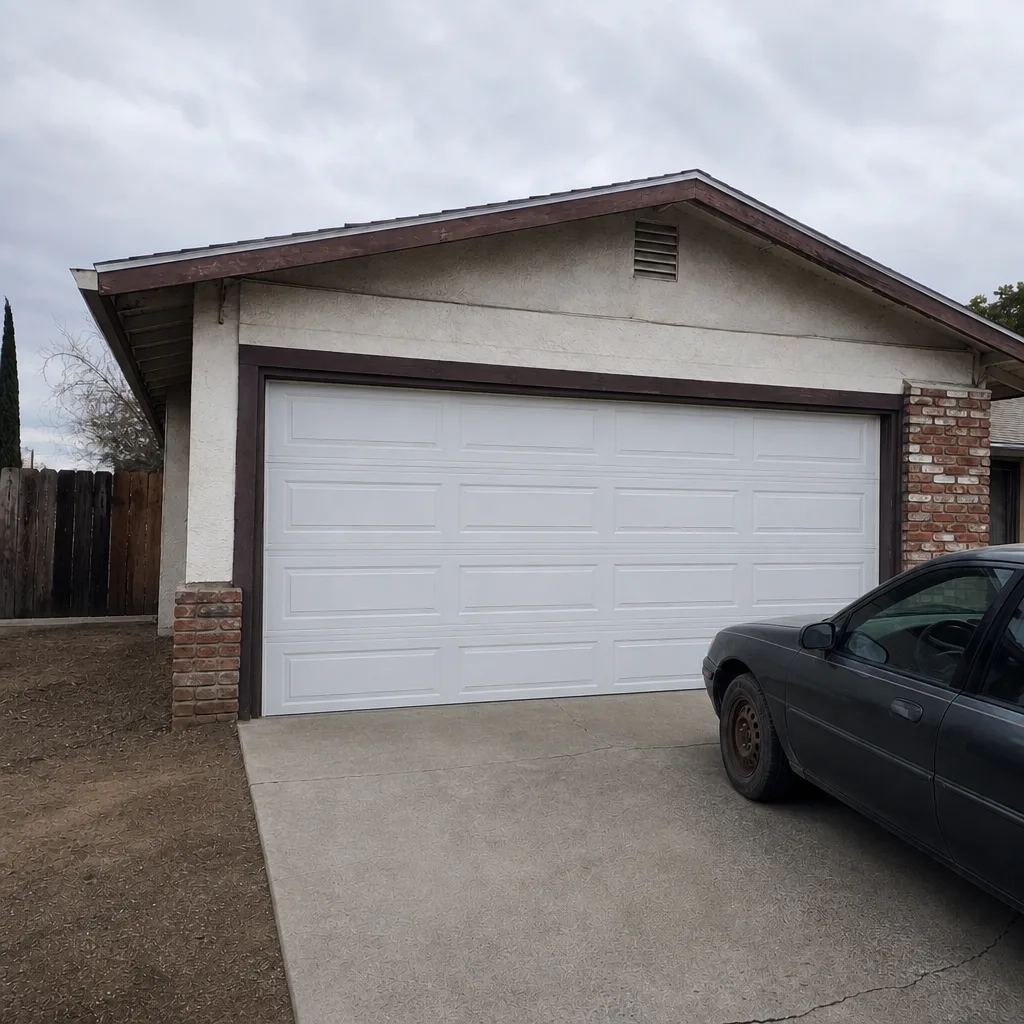 After
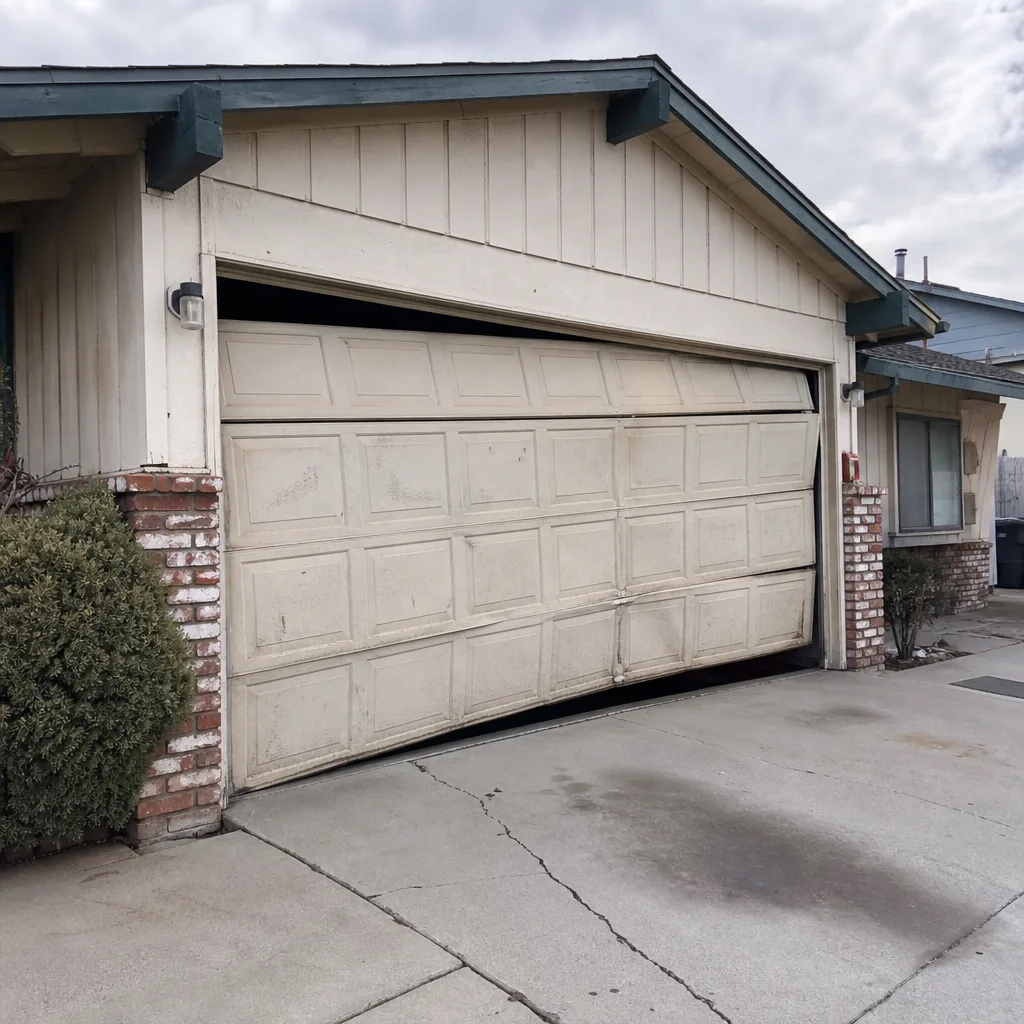 Before
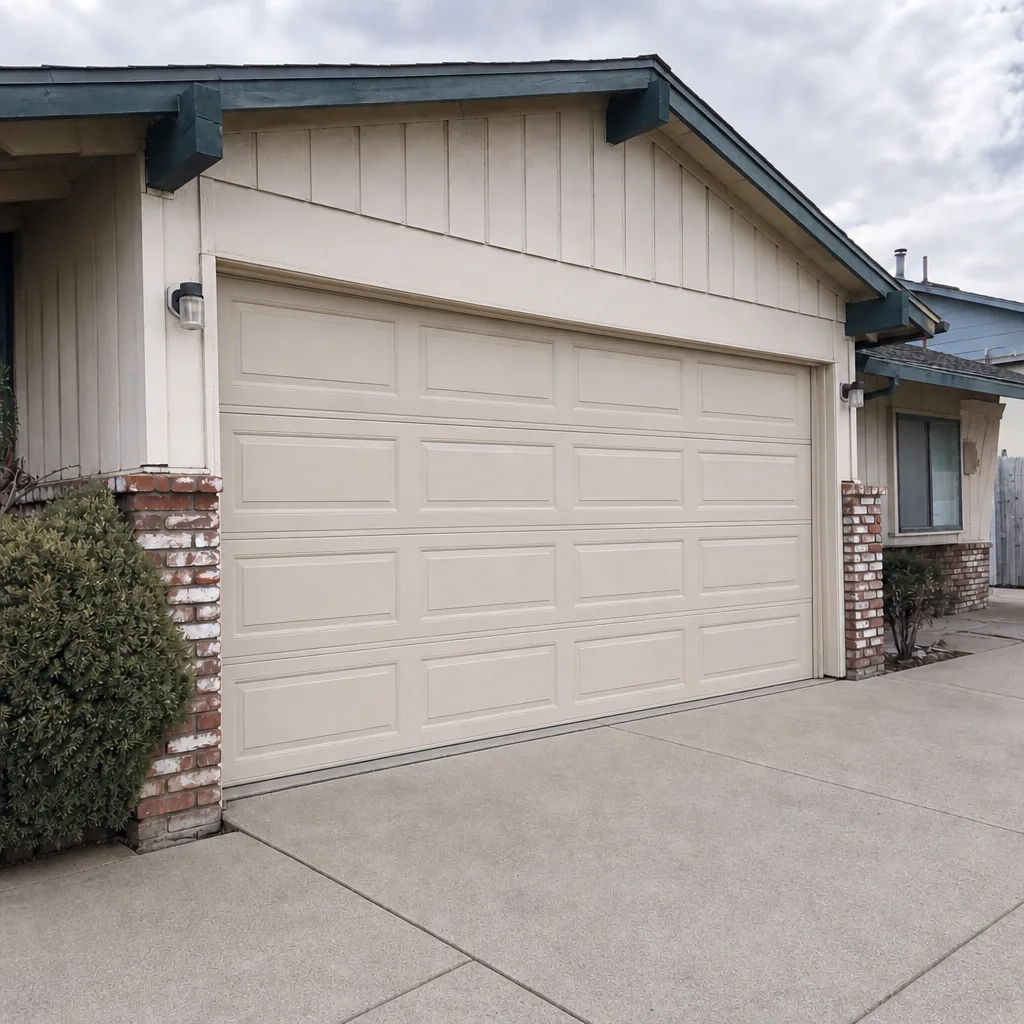 After
Sensor Calibration in Spring Valley, NV
Sensor calibration is the adjustment that gets your garage door’s safety eyes lined up and talking to each other again, so the door reverses when something crosses its path instead of coming down on it. If your door closes partway and pops back open, or only closes when you hold the wall button, you almost certainly need it. That’s a job we do every week in Spring Valley, from the older single-story neighborhoods off Desert Inn to the newer builds out toward Rhodes Ranch, and we do it as part of the bigger repair work on our Garage Door Repair in Spring Valley page.
Call Garage Door Repair at (888) 318-1978 and a live person answers – often Otto himself – quotes the calibration on that call, and holds the number when we pull in the driveway. No dispatch center, no phone tree, no surprise line item at the door.
Key Takeaways
- Sensor calibration starts around $75 and runs to about $150 depending on what’s wrong and how much wiring or bracket work is involved.
- Most calibration calls in Spring Valley are same-day, and many are resolved on the first visit.
- Doors that close partway and reverse, or close only on the held wall button, are the classic symptoms.
- Sun angle, dust, and desert temperature swings are the three biggest culprits here, and all three are fixable.
When You Need Sensor Calibration
Garage door safety sensors are a pair of small photo-eye units mounted about six inches off the floor, one on each side of the opening. One shoots an invisible infrared beam across the doorway; the other catches it. When the beam is broken, the door reverses. When the beam is crooked, dirty, or the wiring is loose, the opener gets confused and either reverses at random or refuses to close at all. These are the situations where a calibration visit is the right call:
- The door goes down a foot or two and comes right back up. This is the number-one calibration symptom. Something is breaking the beam – a crooked sensor, a cobweb, a leaf stuck to the lens, or sunlight hitting the receiving eye.
- You have to hold the wall button to get it to close. That’s the opener’s way of telling you it doesn’t trust the sensors. Holding the button bypasses the safety circuit, and it means calibration is overdue.
- The sensor light on the opener head blinks. A blinking LED on the back of the motor usually means the beam isn’t being seen. Could be alignment, could be wiring, could be a dead sensor. A calibration check sorts it out.
- Your door faces east or west and won’t close in the late afternoon. Direct low-angle sun in Spring Valley can blind a receiving sensor. We see this a lot on west-facing doors in the middle of summer, and it’s a quick fix with a sun shield or a slight re-aim.
- A car, a bicycle, a trash can, or a kid knocked one sensor out of line. Bumping a sensor is all it takes. The bracket gets bent two degrees and the beam misses.
- You just had a new opener installed and the door still acts up. Even a Genie or Chamberlain installed by the book needs the sensors dialed in for your specific slab and door. Brand-new openers with sloppy calibration are more common than you’d think.
One thing worth saying plainly: a door is 200 pounds riding on two springs. Respect it. Sensor calibration is genuinely a homeowner-fixable job in some cases, but if the wiring is cracked, the sensors are dead, or the opener logic is at fault, it’s a trained-hand job. We’d rather you call us than stand under a door that’s acting unpredictable.
Our Sensor Calibration Process
Here’s what a calibration visit actually looks like. Most of these steps take minutes, and we do them all on the same trip:
- Check the safety reverse system first. Before we touch a sensor, we test the door’s automatic reverse. If a door won’t reverse on an obstruction, that’s a safety issue and we handle it before anything else.
- Inspect both photo-eye units and their brackets. We look at the lens, the bracket, the mounting screws, and the wire leads on both sides. A bent bracket or a corroded terminal is common in Spring Valley, where dust and dry heat wear on outdoor hardware year-round.
- Align the beam and test the circuit. We re-aim the sending and receiving eyes until the indicator on the opener goes solid – that’s the openers telling us the beam is clean. Then we walk-test it with a box or a hand across the threshold at several heights.
- Deal with interference and sun angle. If the door only fails at certain times of day, we set up a sun shield, re-aim the sensors, or adjust the receiving height. We also check for LED bulbs or shop lights near the opener that can flood the sensor with infrared and cause false trips.
- Check the force and travel limits. Sensor calibration and opener force settings go together. If the opener is straining, the problem is almost never the opener – it’s usually the door balance or the travel limits. We check both so the calibration actually holds.
- Run the door three or four times end to end. We don’t call it done until the door has closed clean with the sensors tested from every angle you’d realistically come at it. Then we walk you through what we found.
If calibration turns out to be a symptom of a bigger issue – a bent track, a failing spring, a motor that’s on its way out – we tell you on the spot and quote the real fix. We don’t pad a calibration call into a full replacement. That’s the whole point of the 90-Day Done Right Promise: if it’s not done right, we make it right, in writing on the invoice, backed by one call to Otto. If we calibrate your sensors and they act up inside ninety days, we come back.
Sensor Calibration Pricing in Spring Valley
Sensor calibration in Spring Valley typically runs $75 to $150, and most calls land near the low end. That’s the honest range. What pushes it higher is usually wiring or bracket work, not the calibration itself. Here’s what the line items look like:
| Job | Typical Range |
|---|---|
| Basic sensor alignment and calibration (no parts) | $75 – $110 |
| Sensor cleaning, sun shield, or interference fix | $85 – $130 |
| Replacing one sensor unit (parts + labor) | $130 – $200 |
| Replacing the sensor pair and rerunning wiring | $180 – $280 |
| Calibration bundled with an opener repair | No added charge |
What moves the number: whether a sensor is actually dead or just crooked, how much wire has to be rerun under your slab or along the wall, whether the bracket needs replacing, and whether you have a hardwired sensor or a battery unit. We quote on the phone and hold the number at the door – if we get there and it’s a $95 job, it’s a $95 job. Free estimates and a free second opinion on any written estimate you’ve got from another outfit. No trip charge inside our county, and the standing Senior & Veteran 10% discount always applies.
One quick note on cost you’ll want to hear: it’s almost never cheaper to replace an opener just because the sensors are acting up. Calibration is a small fix that solves the same symptom. A Clopay or Amarr door paired with a healthy opener only needs the sensors dialed in – not a whole new system. We’ll tell you that straight if it’s the truth.
FAQs – Sensor Calibration
How much does sensor calibration cost in Spring Valley?
Sensor calibration in Spring Valley costs $75 to $150, with most jobs coming in around $75 to $110 when no parts are needed. If a sensor unit is dead and has to be replaced, expect the higher end. Call (888) 318-1978 for an exact quote – estimates are free.
Can you calibrate my garage door sensors the same day?
Yes. Most sensor calibration calls in Spring Valley are same-day, and many are done on the first visit. Calls are answered around the clock by a live person, including nights and weekends. Call (888) 318-1978 and we’ll give you a window.
Why does my garage door close a little and then open back up?
The door reverses because the safety sensor beam is being broken or never seen, so the opener treats it as an obstruction. Common causes in Spring Valley are a crooked sensor, dust on the lens, low-angle sun hitting the receiver, or a loose wire. A calibration visit isolates which one it is and fixes it. Call (888) 318-1978 to get it on the schedule.
Can I calibrate the sensors myself?
You can usually straighten a bumped sensor and wipe the lens, and that sometimes solves it. If the door still won’t close cleanly after that, don’t keep forcing it – a door is 200 pounds riding on two springs. Call (888) 318-1978 and we’ll take it from there, up front and no hassle.
Sensor calibration is one of those small jobs that gets the whole household back to normal in an afternoon. We’ve been in this county since 2004, and when you call, the name on the van is the name on the invoice and the name on the license. Call (888) 318-1978 for a free estimate and let’s get your safety sensors back in line. If you’re not sure whether it’s the sensors or something else on the door, our home page and the rest of our Spring Valley guides lay out what to check before you call.
Written by the team at Otto’s Garage Door Spring Valley, serving Spring Valley.