
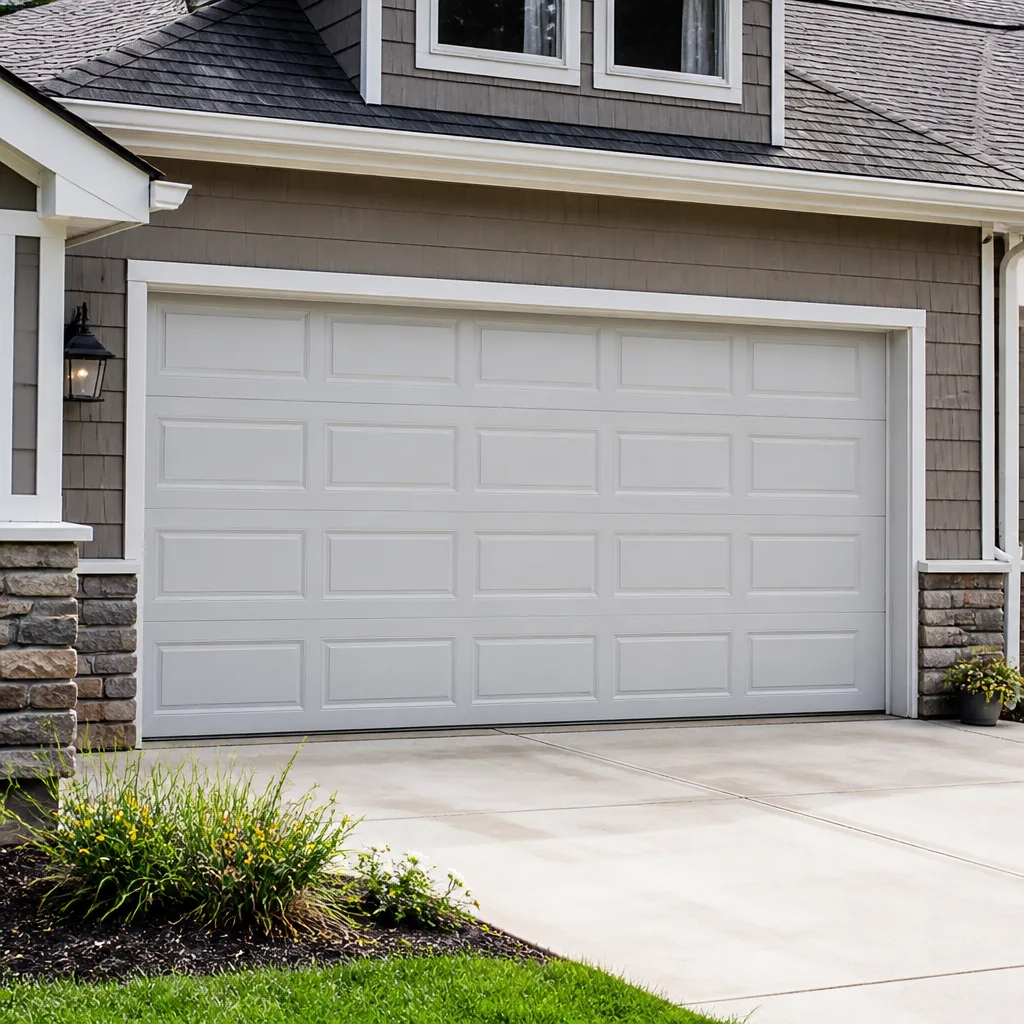
 Raised-panel steel
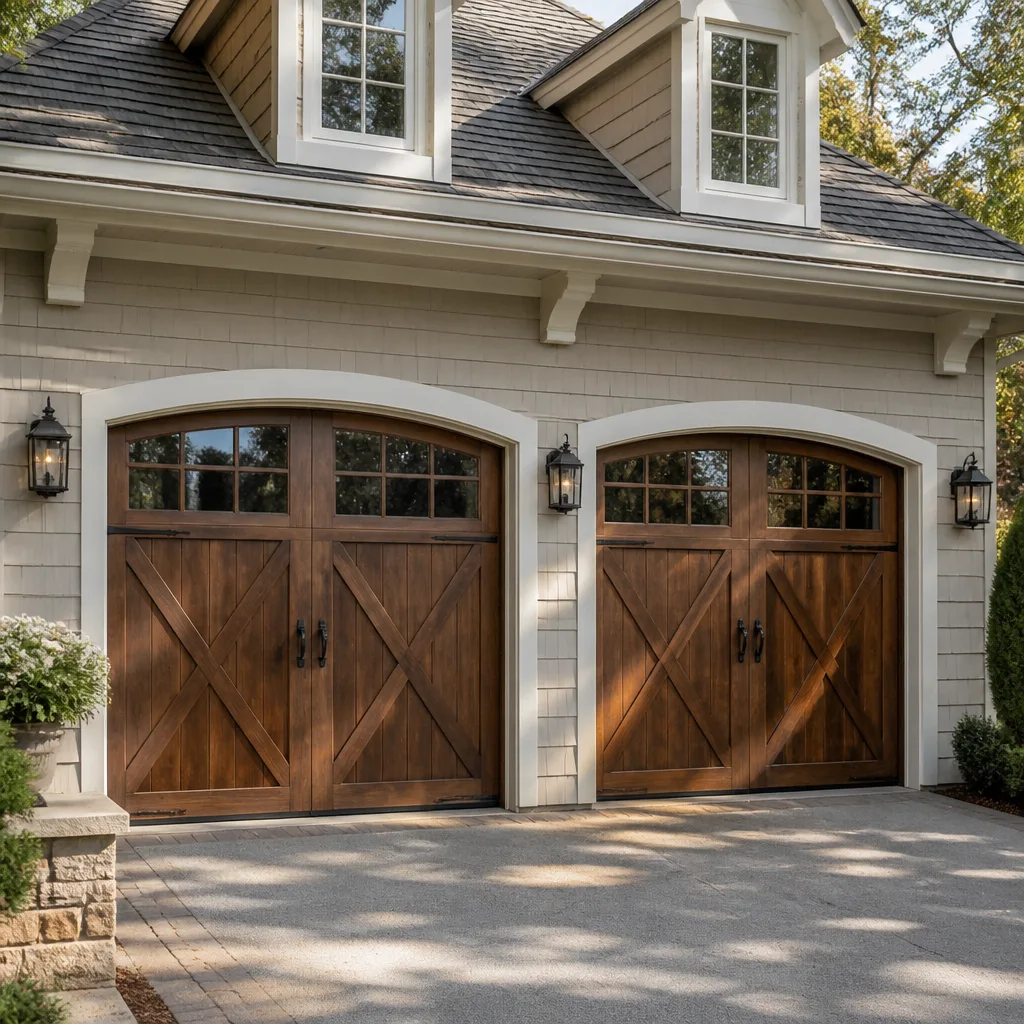 Carriage house
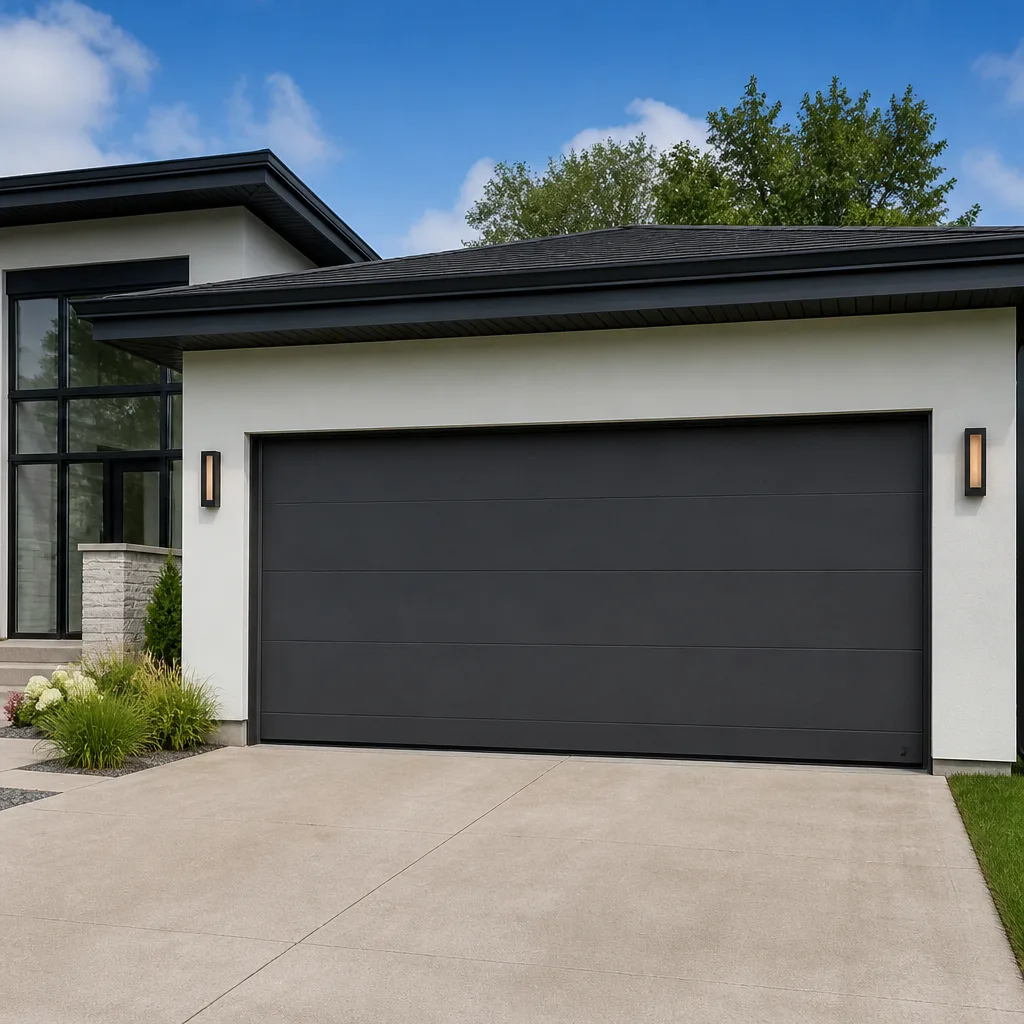 Modern flush
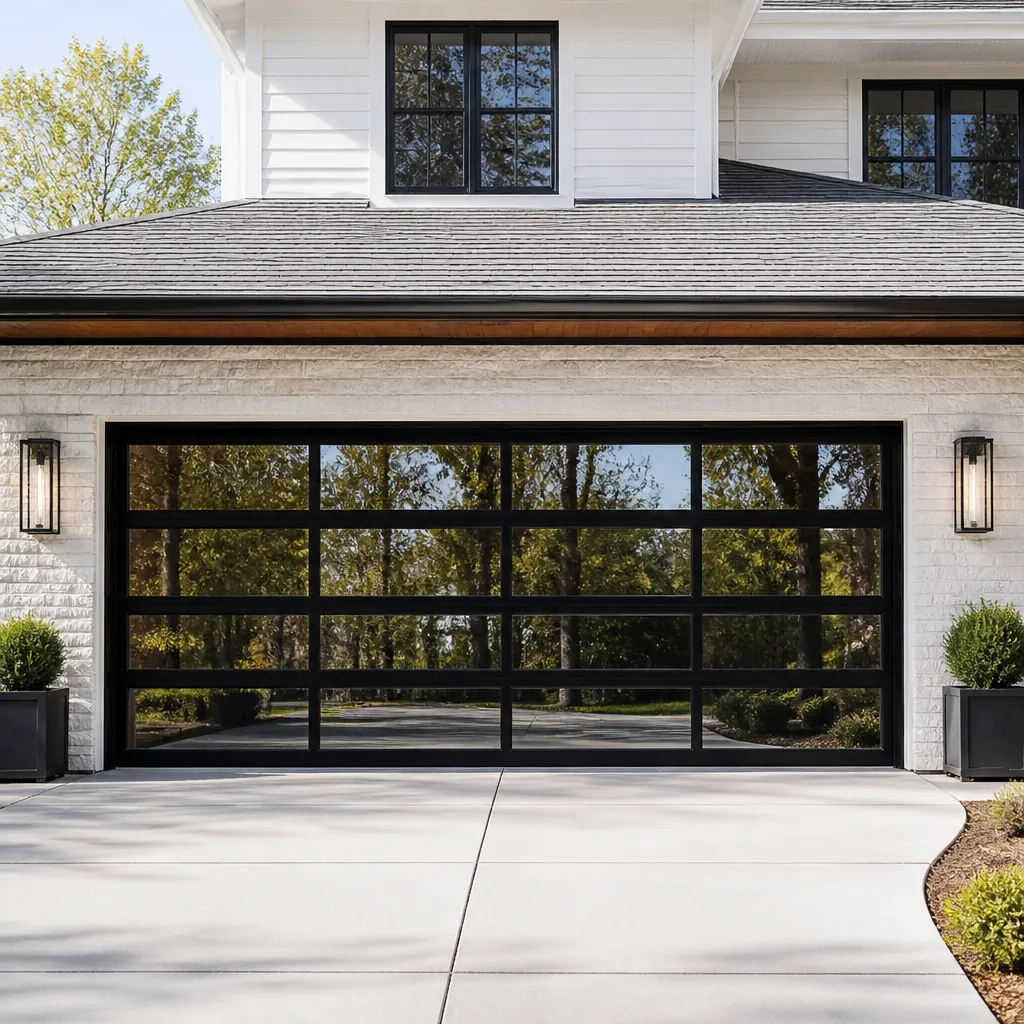 Full-view glass
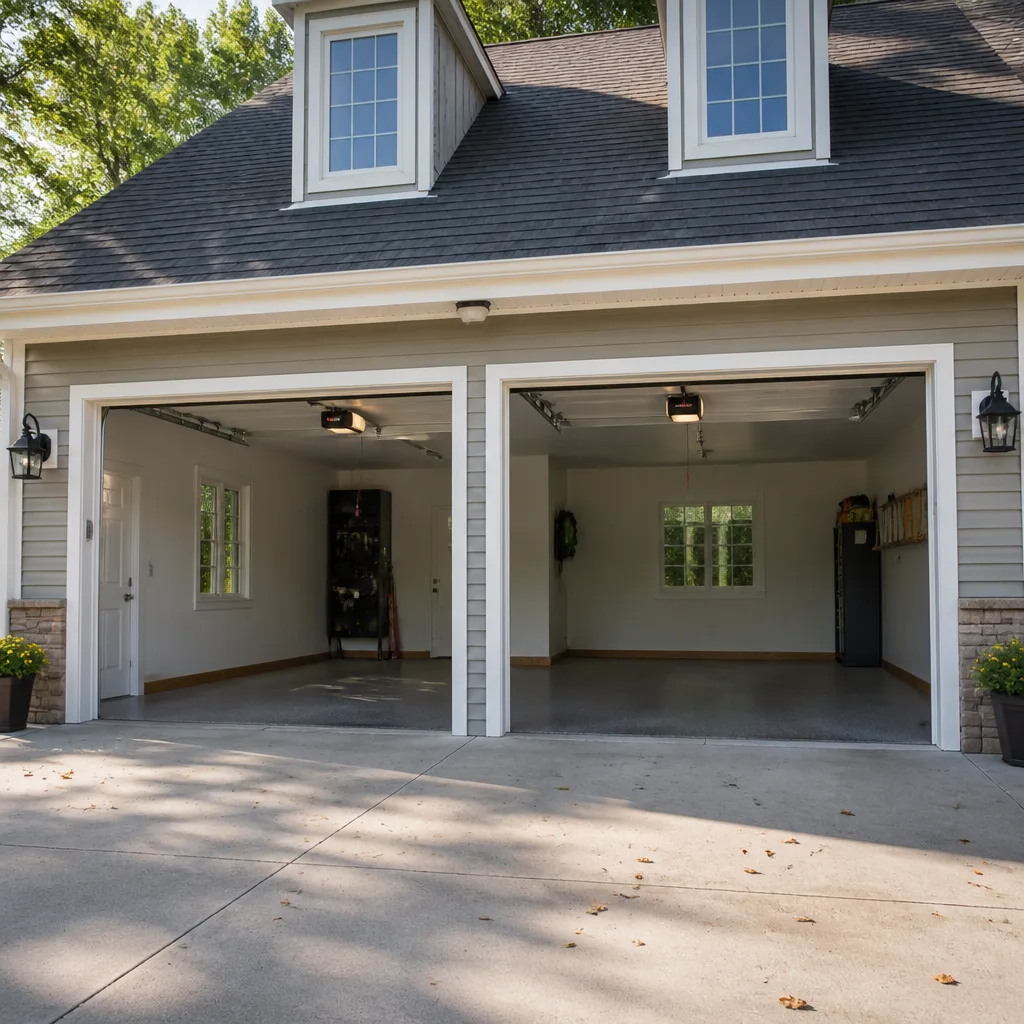 LiftMaster openers
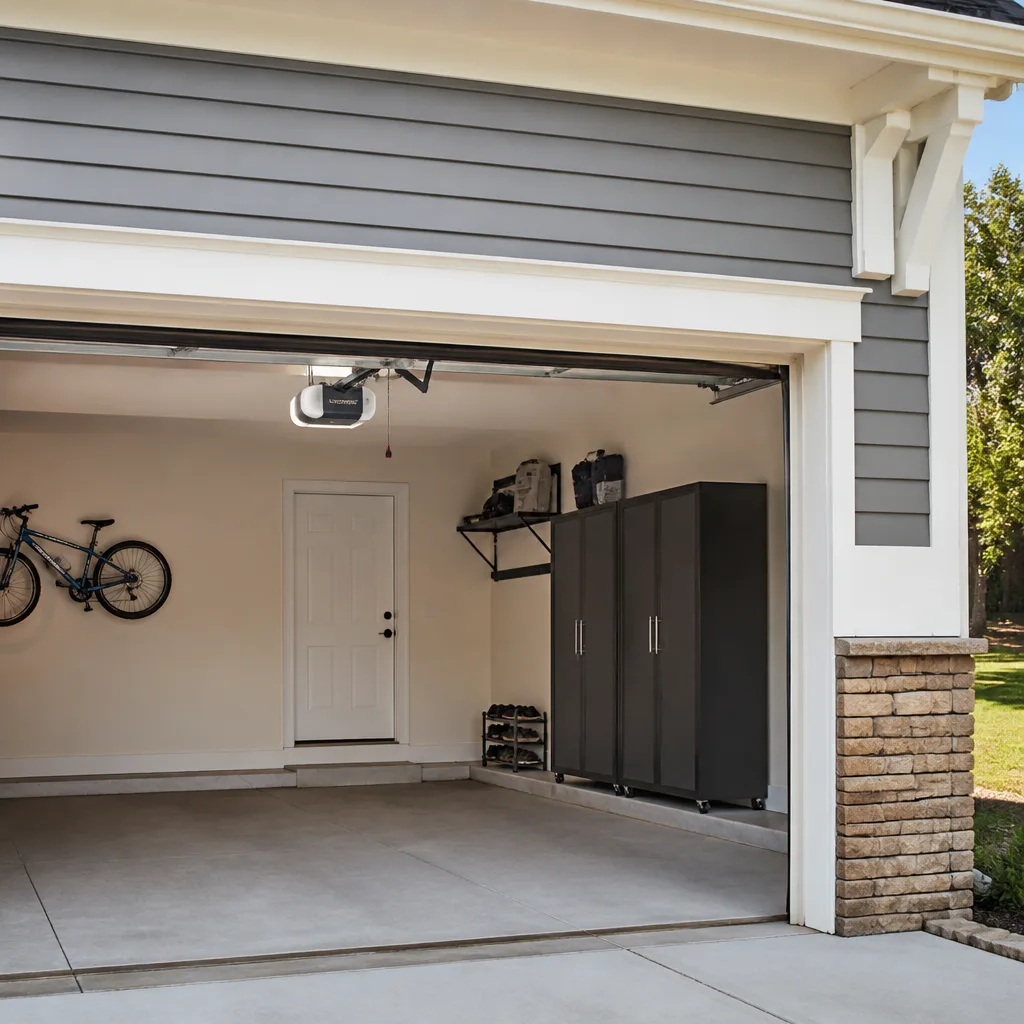 Chamberlain openers
Full 25-point door and opener safety check with every visit - springs, cables, rollers, tracks, and your LiftMaster or Chamberlain opener included
You get a price before we start. It does not change when the pro arrives.
Get your free estimateStyles & brands we work with
- Raised-panel steel
- Carriage house
- Modern flush
- Full-view glass
- LiftMaster openers
- Chamberlain openers
See the difference
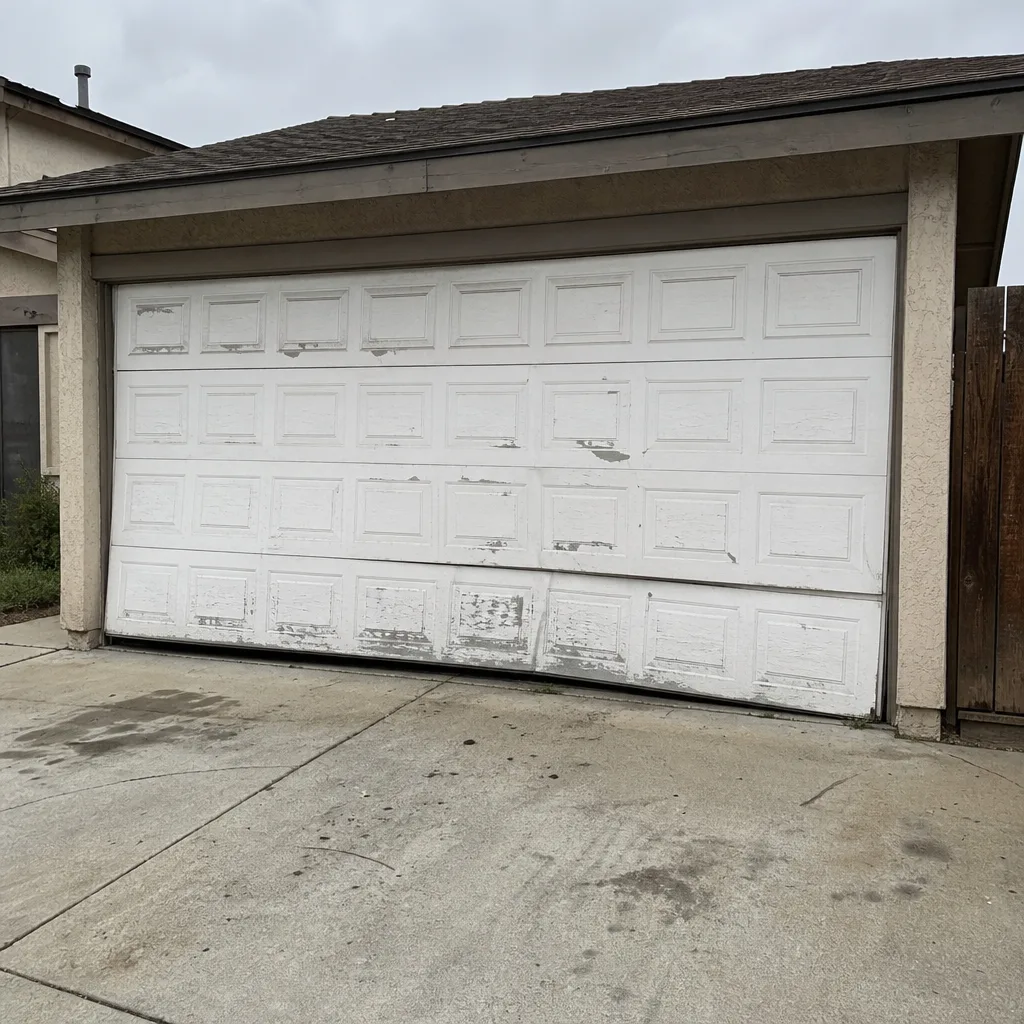 Before
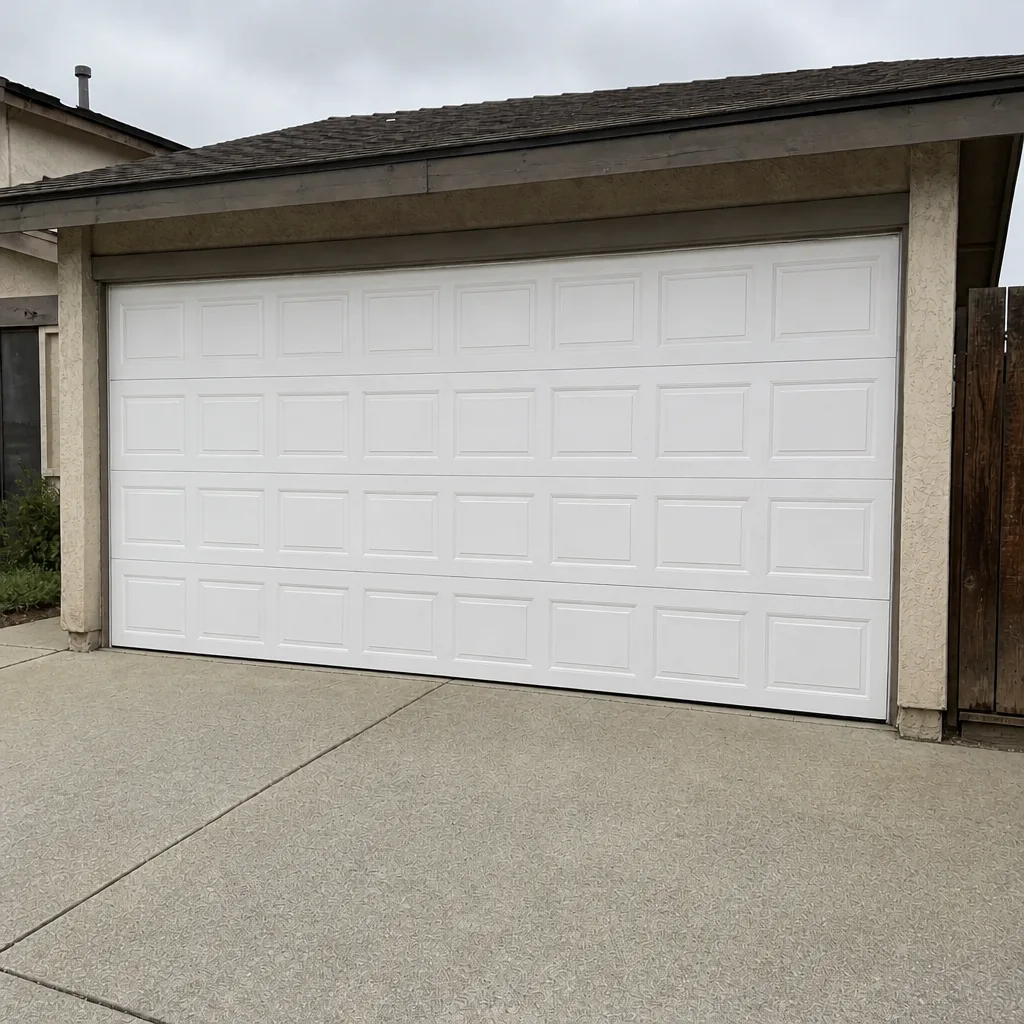 After
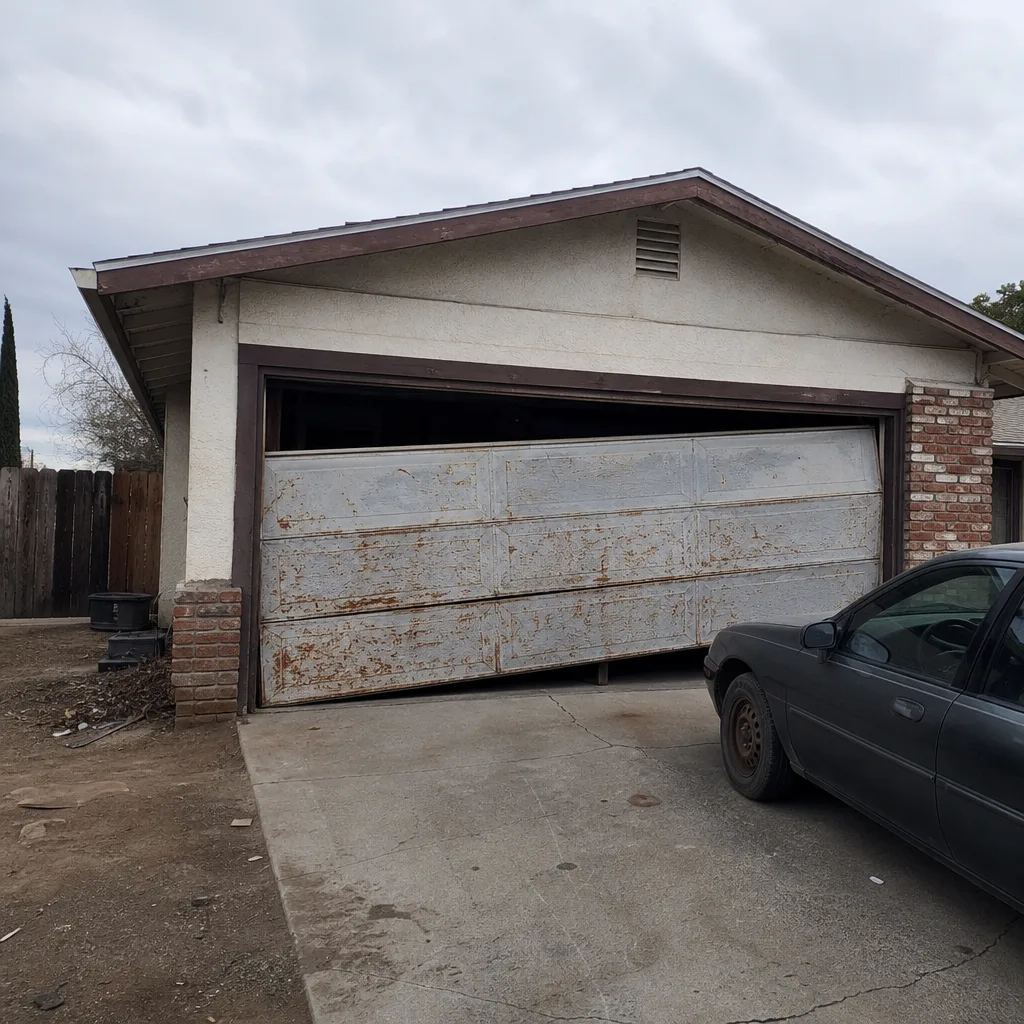 Before
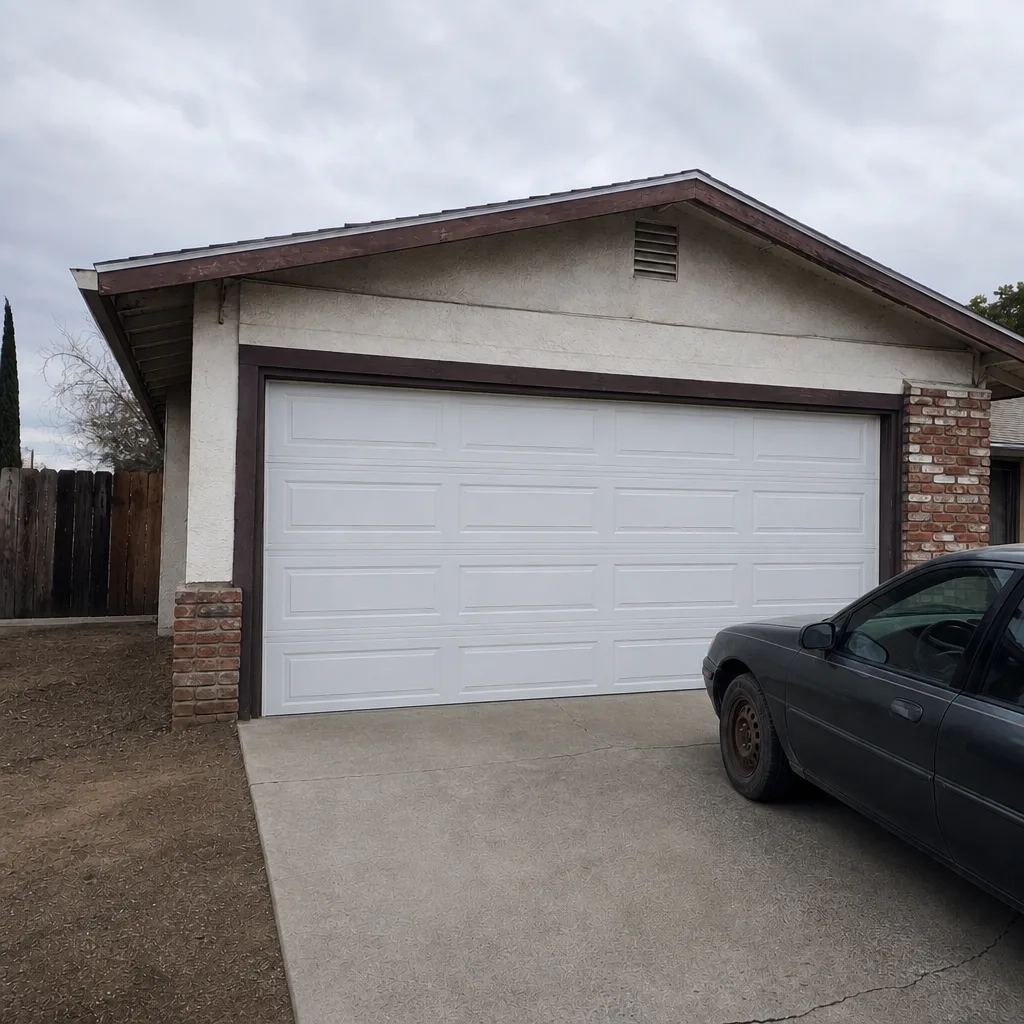 After
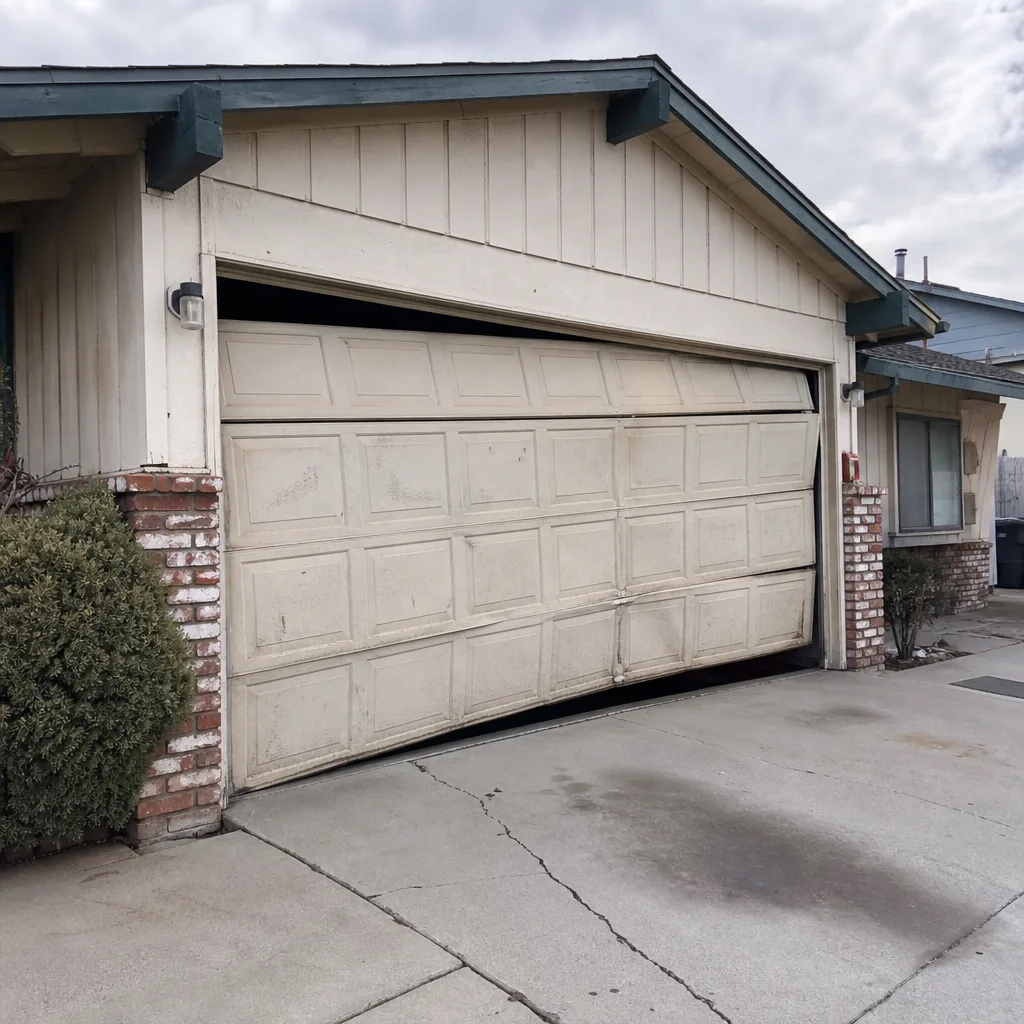 Before
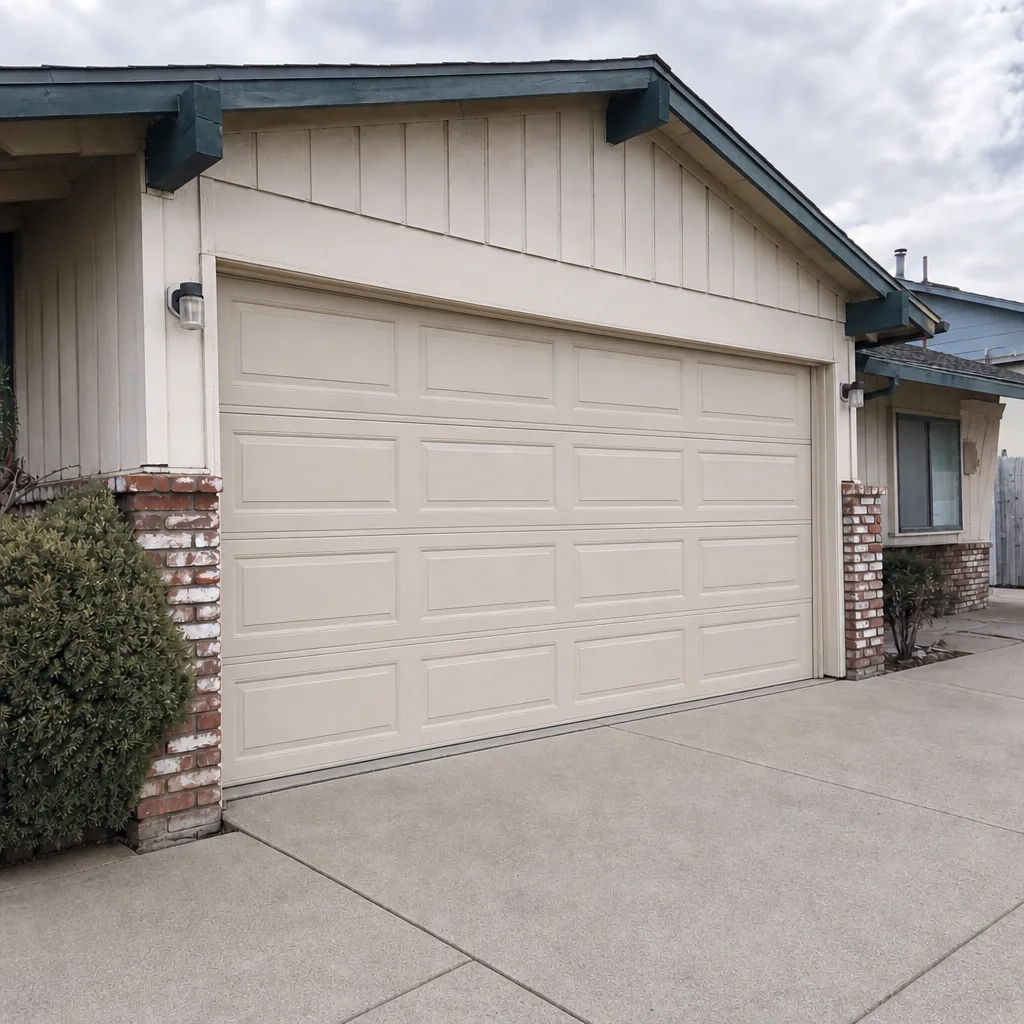 After
Why Does My Garage Door Reverse in Spring Valley, NV? The Desert-Heat Answer Nobody Leads With
If your garage door reverses on the way down, the cause is usually one of three things: a force-limit setting that’s tripping, a bottom seal or track that’s binding under heat, or a sensor problem. In Spring Valley specifically, the first two account for most summer reversals, and sensors are the least likely culprit. When a door that closed fine in March starts bouncing back up in July, that timing is the tell. Here in Spring Valley, where a closed garage can hit 115°F by early afternoon, thermal expansion changes the geometry your opener reads as resistance. Call (888) 318-1978 if you’d rather have the diagnosis done for you, but read on first. Half the calls we take on this can be sorted in five minutes.
What Does Desert Heat Actually Do to a Garage Door?
Steel expands when it’s hot. That’s not a theory; it’s the same reason a screen door that closes smoothly in winter drags on its frame come August. Garage door track sections are mild steel, and on a 110°F day they grow enough that the down-travel position your opener calibrated in cooler months no longer lines up.
Here’s what happens: as the door descends, the closer it gets to the floor, the more the rollers hug an expanded track. The opener’s logic board reads that added friction as an obstruction. It’s doing exactly what it was designed to do. It reaches its force limit and reverses. Nothing is broken. Nothing needs cleaning. The door is simply pushing into a dimension it fits in March and doesn’t quite fit in July.
That’s the physics explanation most generic answer pages skip entirely. They’ll tell you to check your sensors, which is fine advice for a Seattle garage. In Spring Valley it’s about the third thing we check, not the first.
The Bottom Seal Is the Silent Second Suspect
On the eastern side of Spring Valley, a lot of homes went up in the late ’80s and early ’90s with stucco walls and tile roofs, and many still have the original builder-grade rubber bottom seal on the door. That seal takes two decades of dry heat and turns brittle. A stiffened seal doesn’t flex flush against the concrete; it folds or catches instead. Your opener sees that catch as an object in the path and reverses.
You can spot this one yourself. Close the door by hand (disconnect the opener first, using the release cord) and watch the bottom edge as it meets the slab. If the rubber folds under, curls, or leaves a visible gap on one end, you’ve found your problem. A new bottom seal is a small line item in a repair bill, not a reason to replace the door.
How to Narrow It Down Before You Call
You don’t need a toolbox to figure out roughly where the problem lives. You need a few honest observations. Our technicians, some with up to 22 years in this trade, run this same sequence before they open a panel.
- Check the timing. Does it reverse only in summer? Only in the afternoon? Only on days when the garage has been shut up in the sun? A seasonal pattern is a strong heat signal.
- Check the direction. Downstroke only, or upstroke too? A door that reverses going down points to the force limit, seal, or track. A door that reverses going up more often points at the opener or a worn spring.
- Watch for the grit. On west-side streets backing up to the Spring Mountains foothills, wind-driven dust from the wash coats tracks and rollers. Run a finger along the inside of a track. If it comes back gritty, that friction is yours to account for.
- Test the sensors last. Before you do anything else with them, look at the indicator lights. If both are solid and the door only misbehaves in heat, wipe the lenses once and move on. Sensors are rarely the answer here.
If you’ve pulled a LiftMaster or Chamberlain opener off its calibration and it’s still reversing, the adjustment has hit its useful limit and the track needs to be looked at by someone who knows what a normal track looks like in extreme heat.
Is Adjusting the Force Limit a Real Fix? Usually, Yes, With One Warning.
A force-limit adjustment is a legitimate solution for a thermally shifted track. When the opener is tripping early because the door is genuinely running clean and the geometry has just drifted, nudging the force limit to match the actual resistance is proper work. We do it in Spring Valley most summers, and it’s a $120-$240 Garage Door Repair in Spring Valley-adjacent fix that keeps a lot of doors out of trouble.
The warning matters, though. That force limit exists to protect a child, a pet, a bicycle, a garbage can. Turning it up to override a real obstruction is how a door learns to crush something instead of reversing. If you don’t know what the obstruction is, don’t raise the limit. Adjust the track, replace the seal, or get someone to look. This is also why we never recommend fiddling with springs or cables to chase a reversal issue. A door is 200 pounds riding on two springs. If the reversal is starting from worn torsion hardware, that’s not a homeowner job.
| Fix | Typical Range |
|---|---|
| Track realignment (heat shift) | $120-$240 |
| Roller replacement (grit wear) | $110-$220 |
| Opener repair (force/sensitivity) | $120-$320 |
| Spring repair (worn torsion) | $180-$340 |
| Cable repair | $130-$250 |
| Bottom seal replacement | Often under $150, bundled with a repair |
When It’s Worth a Call Instead of a Screwdriver
Otto’s Garage Door Spring Valley answers the phone live, around the clock, and Otto will walk you through the diagnostic sequence on the call before anyone gets in a truck. If the answer is a sensor wipe and a five-minute force-limit tweak, he’ll tell you that and save you the charge. If it needs a visit, he quotes the job on the same call and holds the number when he arrives. That’s the whole point of an owner-operated shop: the person quoting you is the person showing up.
If the reversal is happening alongside a door that’s also slow, straining, or dragging on one side, you’re probably past the heat-only explanation. That’s a signal we see a lot on 2015-era west-side builds running belt-drive openers: the opener gets blamed, but the opener is almost never the problem. It’s the door, the track, or the springs it’s pushing. We’ve been in this county since 2004, and that pattern hasn’t changed. When the diagnosis calls for full Garage Door Repair, we handle the brand match across Genie, Raynor, and the rest without a second trip.
For reference, most reversal-related visits in Spring Valley land somewhere between $150 and $600 depending on what’s actually failing. You’ll know the number before the truck moves.
FAQs
Summer reversals in Spring Valley are almost always heat-related: expanded steel track sections shift the down-travel measurement, or a stiffened bottom seal triggers a false obstruction. A seasonal pattern is the strongest clue. If it only happens in the heat, start with the seal and the force limit, not the sensors. Call (888) 318-1978 for a free estimate if you want it checked.
Not usually, at least not first. In Spring Valley’s heat, sensor alignment is rarely the cause of a summer-only reversal, and wiping a clean lens won’t fix a track that’s expanded. Wipe the sensors once, check that both indicator lights are solid, and then move on. If the door still reverses, the answer is elsewhere. Call (888) 318-1978 and we’ll narrow it down with you.
Only if you know what’s actually causing the resistance. Adjusting the force limit to override a real obstruction is a safety hazard, since that setting is there to protect anything in the door’s path. If the track is clean and the seal is intact, a modest adjustment is fine; if it isn’t, don’t touch it. Call (888) 318-1978 for an exact quote; estimates are free.
Repair is almost always cheaper unless the door is 25-plus years old and the structure is gone. Most reversal fixes fall in the $120-$600 range, while new door installation runs $700-$2,200. A Spring Valley door that reverses on heat alone is a repair, not a replacement. Call (888) 318-1978 and we’ll give you a straight answer on which one you’re facing.
If you’d rather have it looked at, Otto’s Garage Door Spring Valley offers a no-pressure assessment in Spring Valley. We’ll tell you whether it’s a five-minute adjustment or something that needs a real fix, quote it before we arrive, and hold the number. Call (888) 318-1978 for a free estimate. Our technicians carry up to 22 years of experience, and the name on the license is the name on the invoice.
Written by the team at Otto’s Garage Door Spring Valley, serving Spring Valley, NV.