
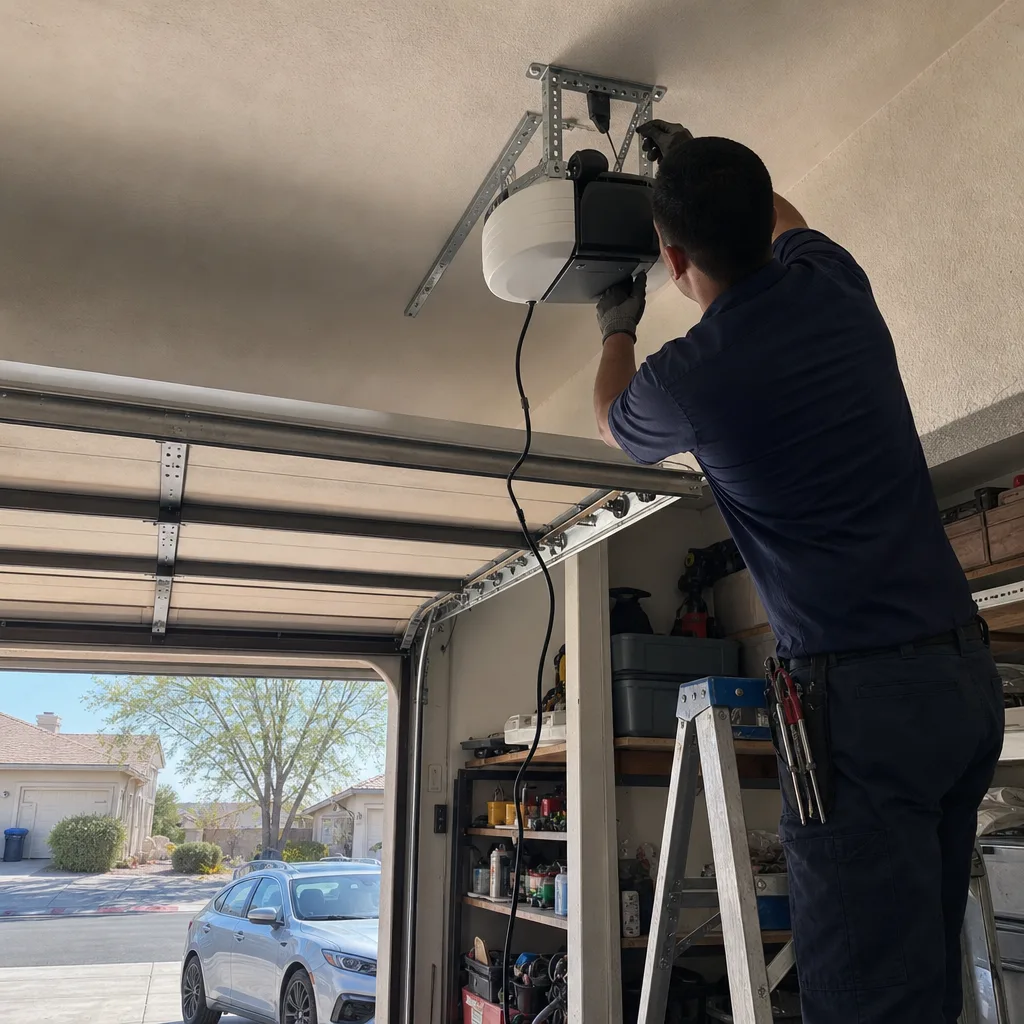
Last updated November 18, 2026
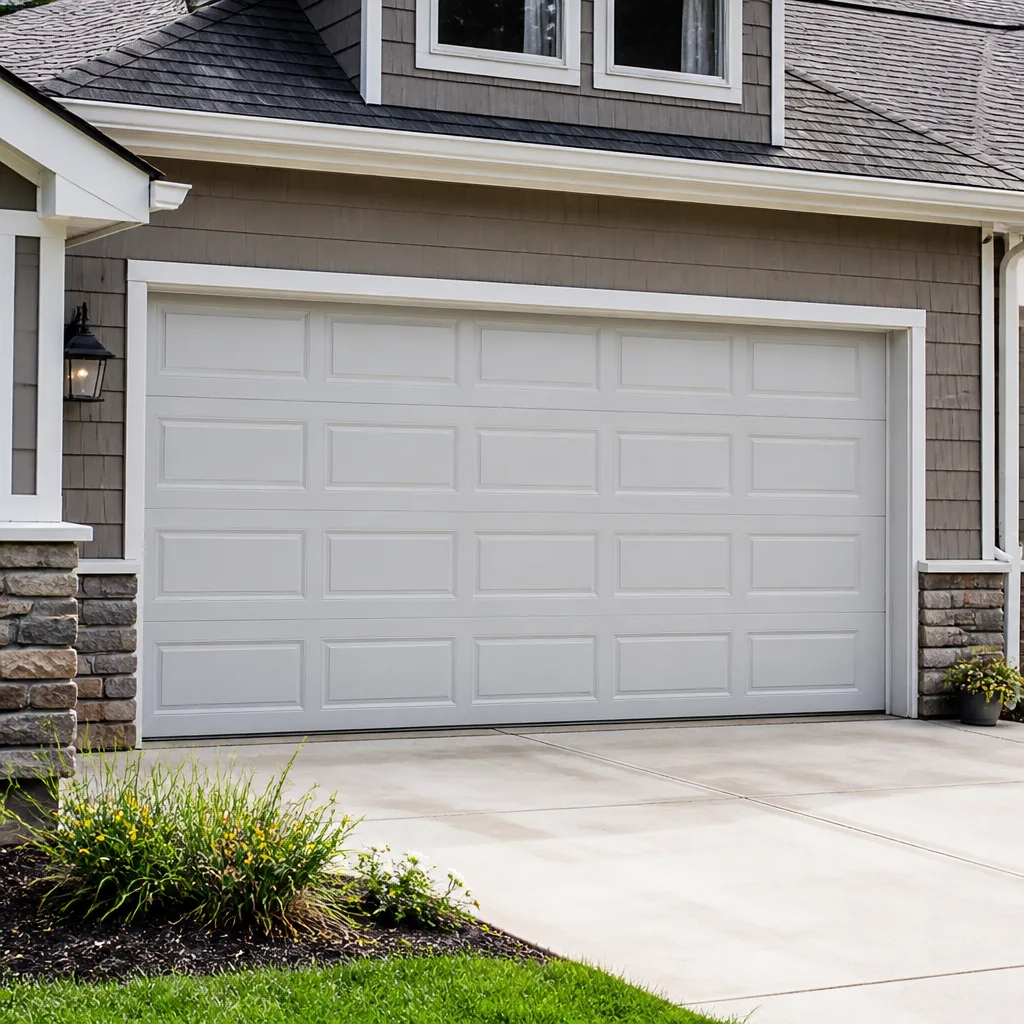 Raised-panel steel
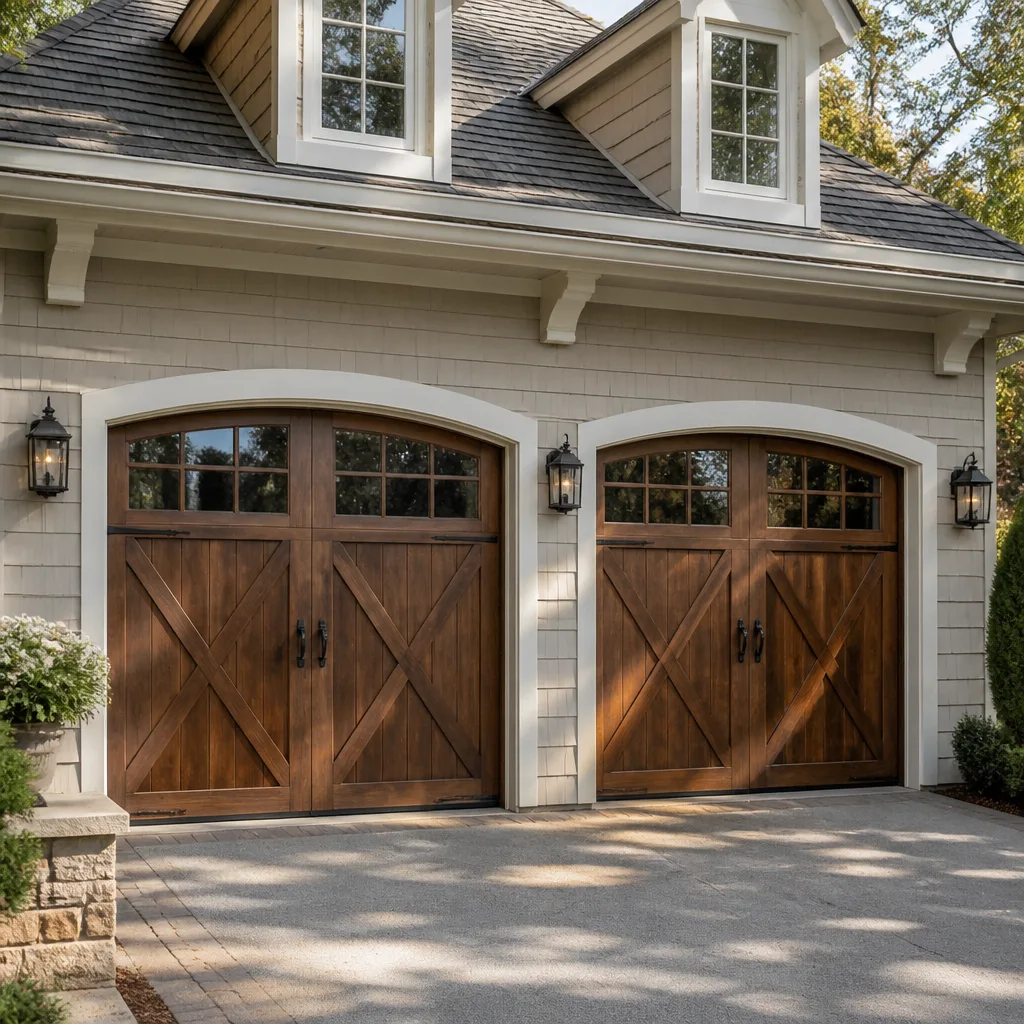 Carriage house
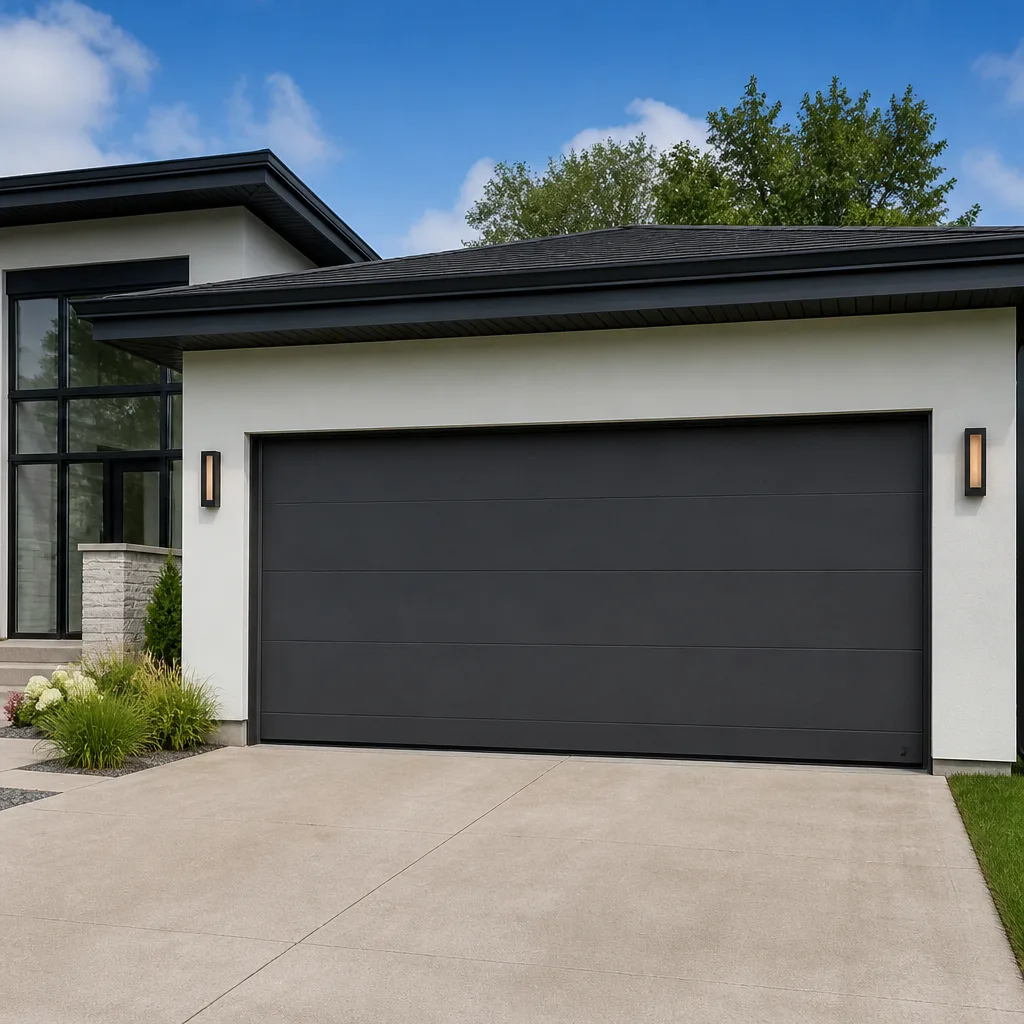 Modern flush
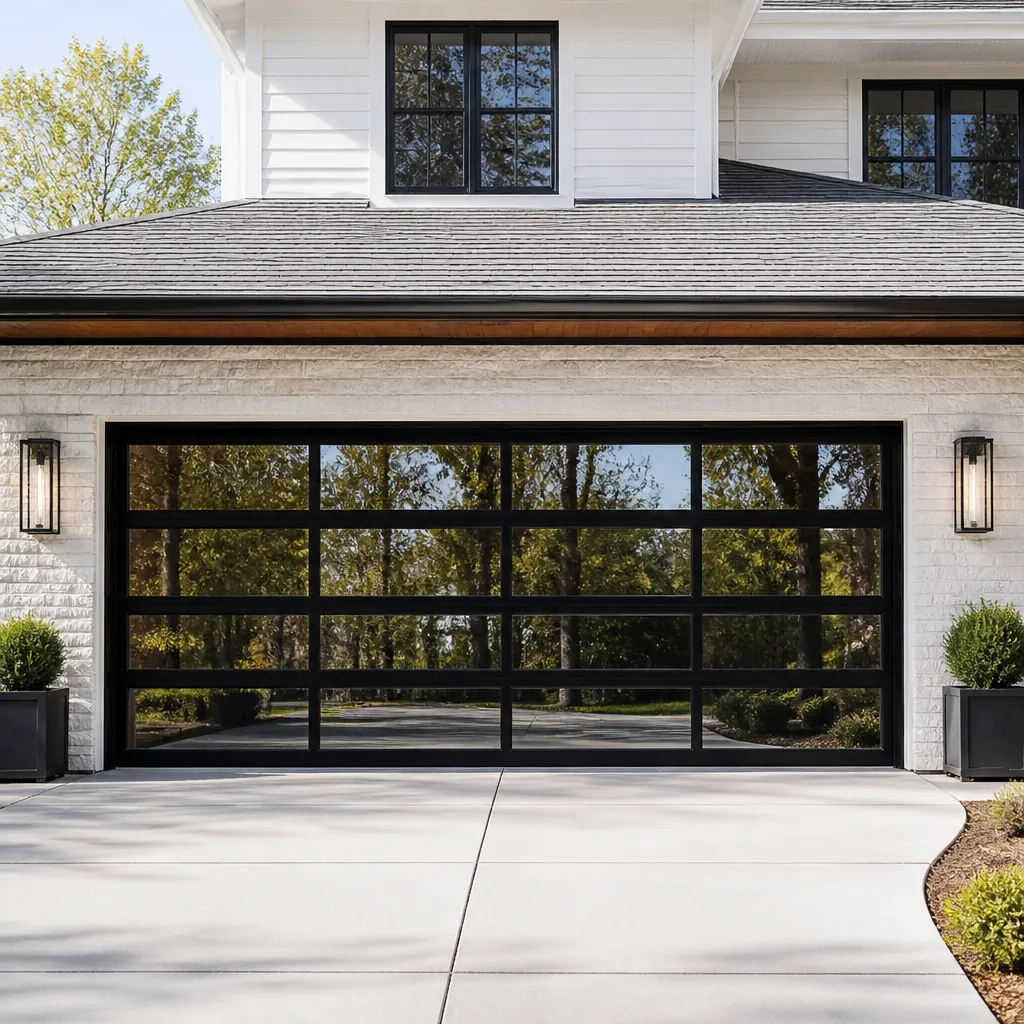 Full-view glass
 LiftMaster openers
 Chamberlain openers
Full 25-point door and opener safety check with every visit - springs, cables, rollers, tracks, and your LiftMaster or Chamberlain opener included
You get a price before we start. It does not change when the pro arrives.
Get your free estimateThe Complete Garage Door Parts Guide for Spring Valley Homeowners
Most calls we get start the same way: “the spring thing broke.” That could mean one of four different components, two of which cost about $15 and two of which are a Saturday job with a real injury risk. When you can’t name the part, you can’t look it up, you can’t price it, and you can’t tell whether the quote in front of you is for the right thing. We’ve been working on doors in Spring Valley since 2004, and the single biggest difference between a homeowner who gets a fair deal and one who gets talked into a new door is vocabulary. This guide names every component in a standard Spring Valley setup, tells you what it does, and gives you real replacement costs so you’re never working blind again.
Quick Answer
A residential garage door is built from three systems: the spring and cable system that lifts the door’s weight, the track and roller system that guides it, and the bottom fixtures and seals that finish it. Most repairs involve one part inside one of those systems, and spring, roller, cable, and seal failures make up the bulk of what we fix in Spring Valley. Knowing which system failed is what lets you ask for the right part at the right price.
Styles & brands we work with
- Raised-panel steel
- Carriage house
- Modern flush
- Full-view glass
- LiftMaster openers
- Chamberlain openers
Table of Contents
- The Spring and Cable System: The Part That Actually Lifts the Door
- The Track, Roller, and Hinge System
- Bottom Fixtures and Weatherseals
- What Wears Out Early in Spring Valley’s Desert Climate
- Part Quality Tiers: Where to Spend and Where the Cheapest Part Is Fine
- OEM vs. Aftermarket Parts and the Two Measurements You Need
- Five Parts Worth Keeping on a Shelf
- What Garage Door Parts Cost in Spring Valley
The Spring and Cable System: The Part That Actually Lifts the Door
On a standard torsion setup, the springs sit on a steel shaft above the door opening, anchored to a center bearing plate bolted to the wall. Each spring has an end cone at the outside and a winding cone at the center, and the whole assembly is held under tension by set screws. Cables run from the drums at each end of the shaft down the sides of the door and attach to the bottom brackets. When the door closes, the cables wind onto the drums and the springs stretch; when it opens, the springs release stored energy and take most of the door’s weight.
Here’s the part that matters: a residential door weighs somewhere between 130 and 350 pounds, and the springs are carrying nearly all of it. Winding a torsion spring is one of the few jobs in home repair where a wrong move can break a wrist or worse. We don’t publish DIY winding instructions and we won’t, no matter how many videos show it. What we will do is help you identify what failed so you know what the repair involves.
- Torsion spring: Carries the door’s weight. Rated in cycles (one open-close = one cycle). Standard springs run 10,000 cycles; high-cycle springs run 15,000 to 25,000.
- Winding cone: The center anchor where spring tension is set. If a spring fails, the cone usually goes with it.
- End cones and center bearing plate: Mounting hardware. Rarely fails on its own but gets replaced alongside the spring.
- Cable drums: Spool the cable. Wear grooves or a cracked drum are a sign the door is running crooked.
- Lift cables: Steel cables. The most common failure point besides springs; they fray and snap over time, often without warning.
If a spring snaps, the door won’t lift by hand, and the opener will strain or just stall. That’s the point where you call and don’t force it. Our Garage Door Repair in Spring Valley team treats a broken spring as same-day work in the vast majority of cases, because it’s the one failure that strands a vehicle inside.
The Track, Roller, and Hinge System
The track system is the frame that keeps the door moving in a straight line, and it’s the part homeowners most often overlook because it fails slowly. Vertical tracks run beside the door opening, a curved section bends the door back toward the ceiling, and horizontal tracks carry the door along the ceiling. Rollers ride inside the track, hinges connect the door panels and hold the rollers, and end brackets anchor the whole assembly to the jamb.
In Spring Valley, track problems are usually a symptom, not a cause. A door that slams shut or opens too fast (because the springs are tired) hammers the track out of alignment. A door that hits the bottom and keeps pushing bends the bottom section. When we get called out for “the door is off track,” we check the springs and the rollers before we touch the track, because bending it back is pointless if the underlying stress hasn’t been fixed.
- Vertical tracks: Guide the door in the opening. If these are bent, the door will bind right at the start of the cycle.
- Curved sections: Transition pieces. The most common starting point for a door that jumps the track.
- Horizontal tracks: Carry the door above your vehicle. Sagging horizontals are a fast sign that a bracket has loosened.
- Rollers: Nylon or steel wheels. Nylon is quiet and standard on most newer doors; steel lasts longer but is louder.
- Hinges: Connect the panels. Garage door hinges are numbered (1, 2, 3) and the number matters when you order a replacement.
- End brackets: Anchor the track and hold the cable at the bottom corner. If you ever see a bent end bracket, stop using the door.
Rollers and hinges are where the mid-grade part is usually the right call. A $4 nylon roller and a $12 “premium” nylon roller perform about the same on a residential door. Save the upgrade money for the springs.
Bottom Fixtures and Weatherseals
The bottom of the door takes the most abuse and gets the least attention. The bottom bracket is the steel plate at each lower corner where the lift cable attaches and the bottom roller mounts. It’s under constant load and it’s the part that fails most spectacularly if it’s neglected. Below the door panel sits the bottom weatherseal (sometimes called the astragal), a rubber or vinyl strip that keeps wind, rain, dust, and small pests out of the garage.
The bottom bracket is one of the two parts on the door you should never touch yourself. It’s where cable tension is highest, and a bracket that lets go under load is genuinely dangerous. If you see a bent bracket, a cable loose off its drum, or rust bleeding through the bracket, call before you use the door again. Bottom seals, by contrast, are a friendly DIY job, and they’re the one maintenance item we’d hand to almost any homeowner.
In Spring Valley, the bottom seal is also your first defense against windblown dust. A worn seal lets caliche grit spray under the door and into the garage on every windy day, and that dust then finds its way into the rollers and the opener’s rail. A $30 seal replacement every few years does more for your door’s lifespan than most tune-ups.
What Wears Out Early in Spring Valley’s Desert Climate
Garages in Spring Valley live on a different maintenance schedule than the national average, and we can usually tell a door’s age and condition before we even put a hand on it just from what’s failed first. The reason is grit. Caliche dust gets into everything the door touches, and it works like sandpaper on any moving part with a bearing surface.
What we see failing ahead of national schedules in Spring Valley:
- Nylon rollers wear roughly 30% faster than the national average. The caliche grit grinds away the nylon shell and exposes the steel axle. You’ll hear the door rattle and squeal before you see the wear.
- Bottom weatherseals crack early. UV exposure and ozone are hard on rubber and vinyl. A sealed-in sun-baked strip will crack and split within a few seasons, faster on west-facing doors.
- Lift cables corrode. If your garage houses a pool pump, water softener, or a back-of-garage laundry setup, the chemical vapor in the air goes after the cable’s galvanized coating. We’ve seen cables on 4-year-old doors in backyard-garage situations that looked 15 years old.
- Torsion springs lose load. Heat cycling plus standard 10,000-cycle springs means a family using the door four times a day can be due for a spring in under a decade.
If you want to get ahead of the scheduled failures, the two maintenance items that pay for themselves are nylon rollers and the bottom seal. Everything else is a repair, not a maintenance call.
Part Quality Tiers: Where to Spend and Where the Cheapest Part Is Fine
The garage door parts market has a real quality hierarchy, but the marketing on most of it is noise. Here’s our honest breakdown.
Spend up:
- Torsion springs. Cycle rating is real. A standard 10,000-cycle spring and a 25,000-cycle spring are not close in lifespan, and the price gap is smaller than the number of times you’ll wind the cheap one.
- Lift cables. The coating matters in a desert climate. Better cables resist corrosion longer in pool-garage or high-humidity corners.
Mid-grade is fine:
- Hinges. A standard residential hinge at a fair price performs the same as a premium hinge on a homeowner’s door.
- Bottom brackets. The mid-grade stamped bracket is standard equipment on most doors; the “upgraded” one is often marketing.
- Weatherseals. Standard rubber or vinyl is fine. The exotic multi-lip seals don’t last meaningfully longer in Spring Valley heat.
The cheap part is identical to the premium:
- Most track hardware. Nuts, bolts, and most track brackets are commodity parts. There is no performance difference between one brand and another in most cases.
- Roller bearing washers. These fall in the “anybody’s is fine” category.
We quote all of this as line items with upfront pricing, and the price on the phone is the price at the door. No revision after the fact. If a repair quote you’ve already got doesn’t break down the parts, ask them to break it down before you agree. The 90-Day Done Right Promise is written on every invoice we issue, and it’s just as useful applied to a quote you got from someone else.
OEM vs. Aftermarket Parts and the Two Measurements You Need
“Fits most doors” is one of the least useful phrases in the parts catalog. It means the manufacturer builds one part to spec that probably matches a large share of standard residential doors, not that it matches yours. If you order online without measuring, the odds are decent you’ll get a part that’s 90% right: a roller that fits a slightly different track profile, a seal that’s an inch short, a cable that’s the wrong length. The 10% wrong is what wastes a Saturday.
Before you order any garage door part online, measure these two things:
- Door height and width at the opening. Track and cable lengths depend on it, and door height also determines the spring rating you need.
- Wire size and inside diameter of your existing torsion spring. The wire gauge is stamped or embossed on the spring. Inside diameter is measured at the coils. Get both numbers, or you cannot order a matching spring.
For rollers, verify the track profile (most residential is 2-inch track) and the stem length. For seals, measure the door width to the inch and check the T-slot or U-shape style of your existing seal. OEM parts from Amarr, Wayne Dalton, or Raynor carry their own part numbers and aren’t interchangeable across brands, so resist the temptation to guess. If you’re not sure, we’ll read the numbers off your door on a service visit. It saves you from making a second trip to the hardware store with the wrong part in hand.
Five Parts Worth Keeping on a Shelf
These are the parts that fail at the worst possible time and cost very little to have ready. We tell every Spring Valley homeowner to keep these five on a shelf in the garage:
- Bottom weatherseal, cut to your door’s width. The fastest low-cost fix on the door, and the part most likely to fail without warning during a windstorm.
- Two nylon rollers. Rollers fail one at a time. Having two on hand means you can get a quiet door back without a trip into town.
- A lift cable in the right length for your door. Cables snap without warning and leave the door unsafe to use. Having a spare on the shelf means the repair is a same-day fix, not a weekend of waiting.
- A set of remote batteries. The number of “my opener is dead” calls that turn out to be batteries is high enough that we keep a stash in the truck for exactly this reason.
- A spare torsion spring cable in the correct length. Springs fail as pairs, but a cable takes the spring with it. Having the cable ready makes the eventual repair faster and cheaper.
Skip the temptation to buy a shelf full of every possible part. Most doors never need more than a handful of replacements in their lifetime, and the ones above are the ones that interrupt a Saturday morning. The rest you can order when you actually need it, with the right measurements in hand.
What Garage Door Parts Cost in Spring Valley
Prices below are typical ranges for the part itself, in Spring Valley. Installed prices include labor, which is the number you should actually plan around, because most of these parts aren’t ones we recommend homeowners install themselves.
| Part | Part-only range | Installed range |
|---|---|---|
| Torsion spring (standard cycle, pair) | $70 – $140 | $190 – $350 |
| High-cycle torsion spring (pair) | $110 – $200 | $260 – $450 |
| Lift cables (pair) | $20 – $40 | $110 – $190 |
| Nylon rollers (set of 10) | $20 – $40 | $110 – $220 |
| Hinges (set) | $15 – $35 | $80 – $150 |
| Bottom weatherseal | $20 – $45 | $75 – $150 |
| Bottom brackets (pair) | $20 – $40 | $90 – $170 |
| Roller drum | $15 – $30 | $70 – $130 |
Every price we quote is agreed before any work starts, and the number on the phone is the number at the door. If a quote you’ve received isn’t broken down by part and labor, ask. The parts in your door aren’t mysterious – they have names, functions, and fair prices. Any garage door repair in Spring Valley should come with a written quote that spells out what’s being replaced and why.
If you’ve gotten a quote from someone else and want a second set of eyes on it, our standing offer is a Free Second Opinion on any written estimate, with no trip charge inside our county. Call (888) 318-1978 and we’ll talk through it before you sign.
Common Mistakes to Avoid
- Using WD-40 on the tracks and rollers. It attracts dust, and in Spring Valley that means it attracts caliche grit. Use a dry silicone spray or a proper garage door lubricant, and use it on the hinges and bearings, not the tracks.
- Forcing a door that’s off-track or off-spring. The opener isn’t designed to lift a door with a broken spring, and you’ll strip the opener’s gear or burn the motor.
- Buying a “fits all doors” parts kit online. Kits work when the kit is right for your door. Spend five minutes with a tape measure first.
- Replacing one spring when both were installed together. They have the same cycle count. When one goes, the other is on borrowed time, and you’ll pay twice in labor if you do them separately.
- Ignoring the bottom bracket. The bracket is under the highest cable tension on the door. A rusty or bent bracket is a stop-using-the-door condition, not a next-month item.
- Believing a cheap spring is a bargain. A 10,000-cycle spring and a 25,000-cycle spring don’t cost that differently installed, and the second one lasts 2.5x longer.
- Letting a slow bottom seal sit for years. The seal is the first line of defense against dust and pests. By the time the seal is clearly failing, the floor and the lower panel have usually been taking the damage too.
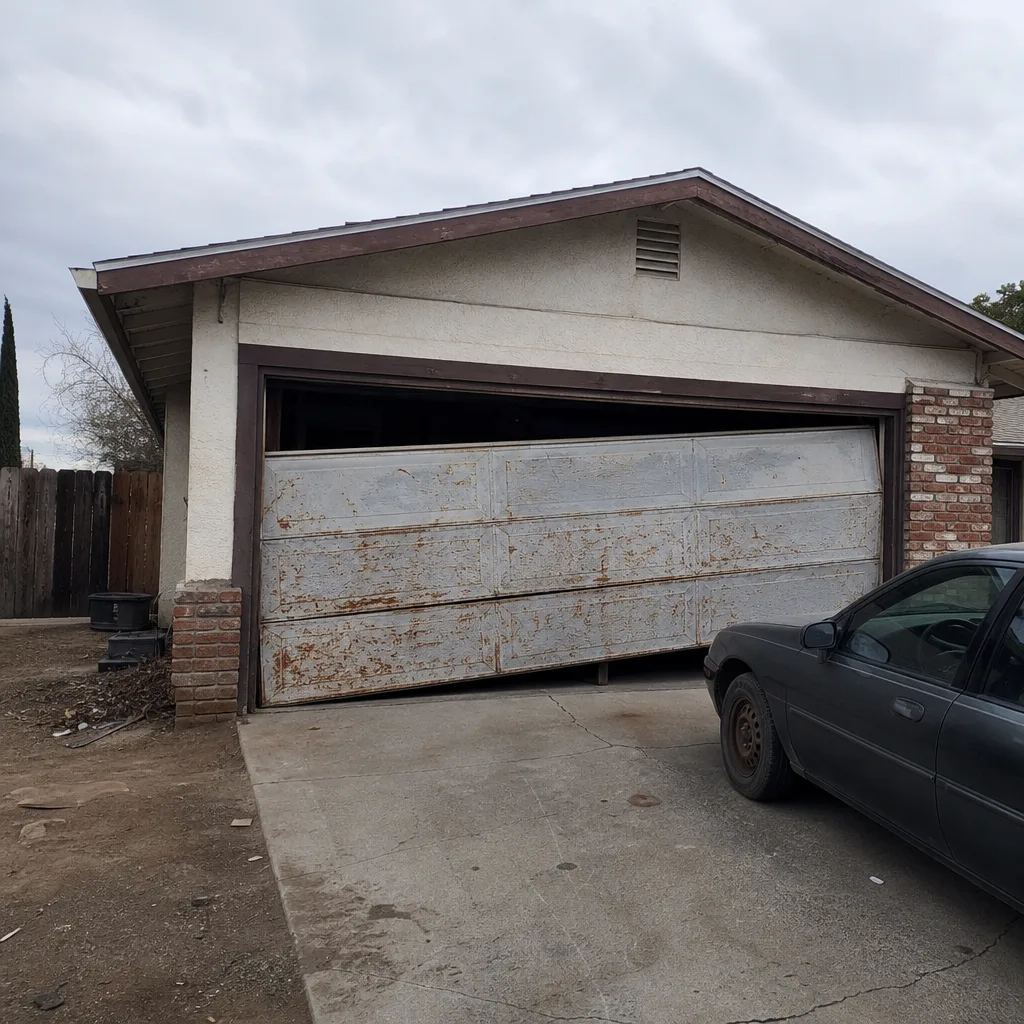
See the difference
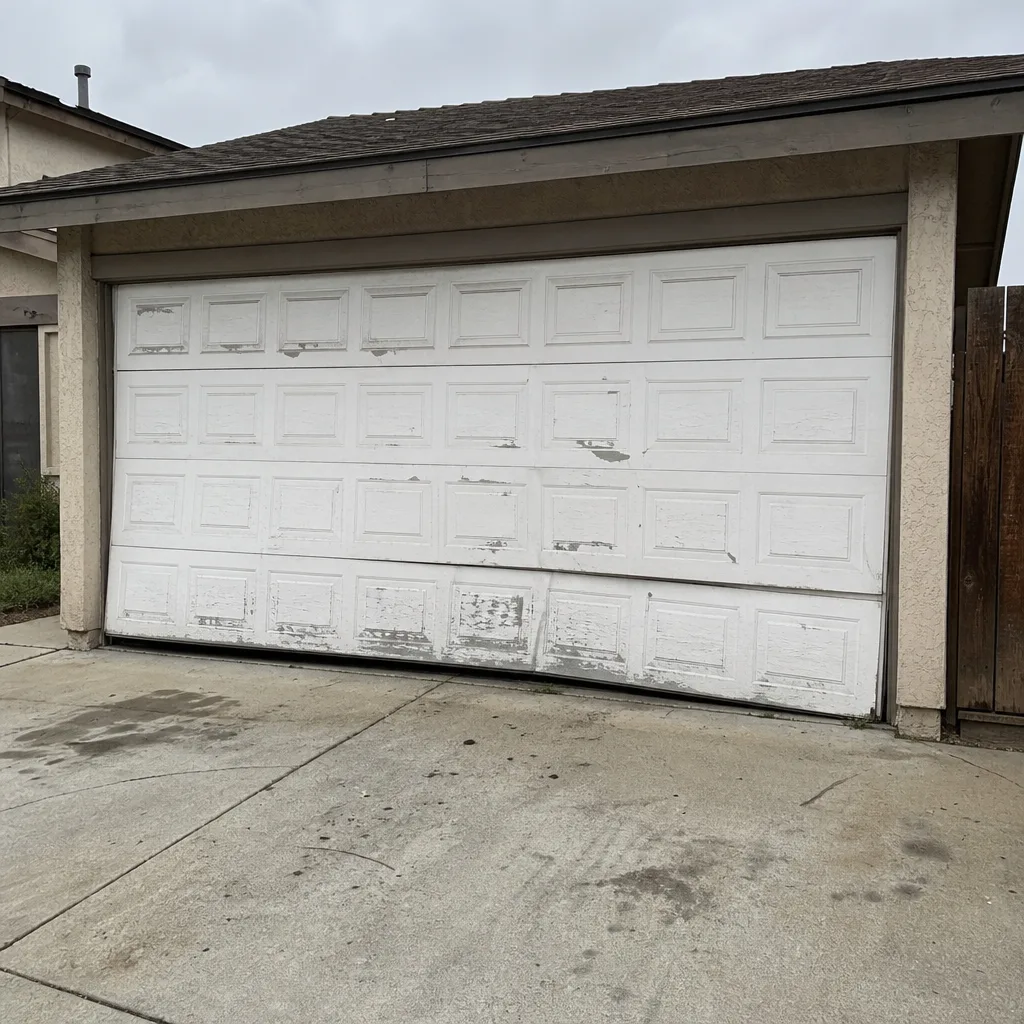 Before
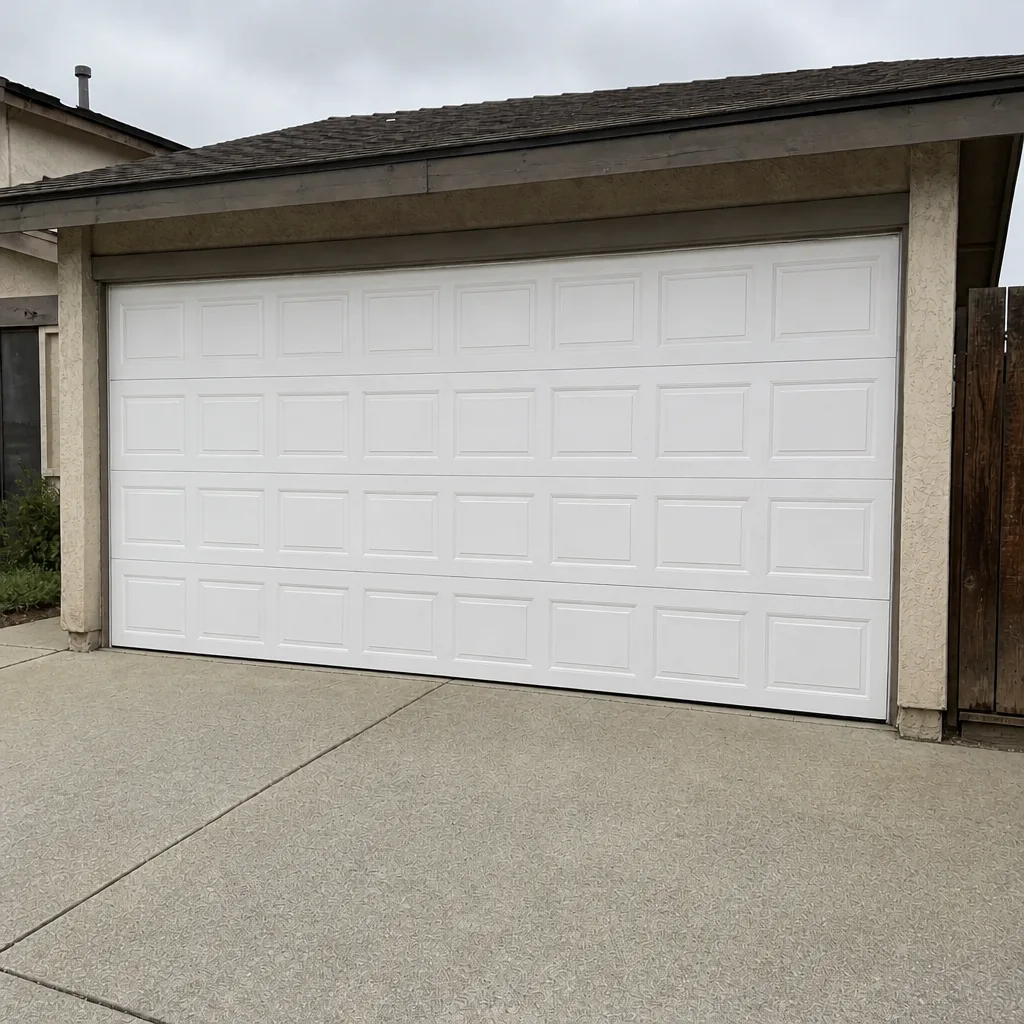 After
 Before
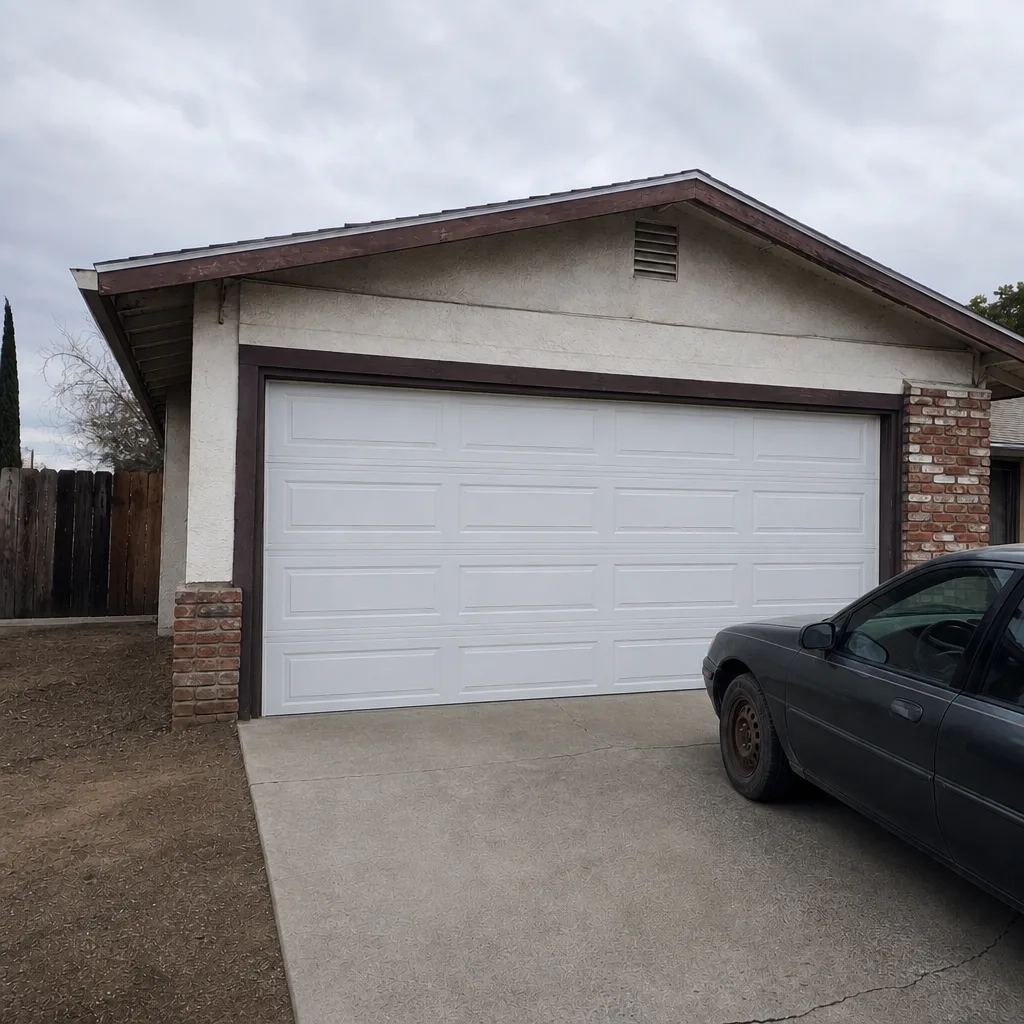 After
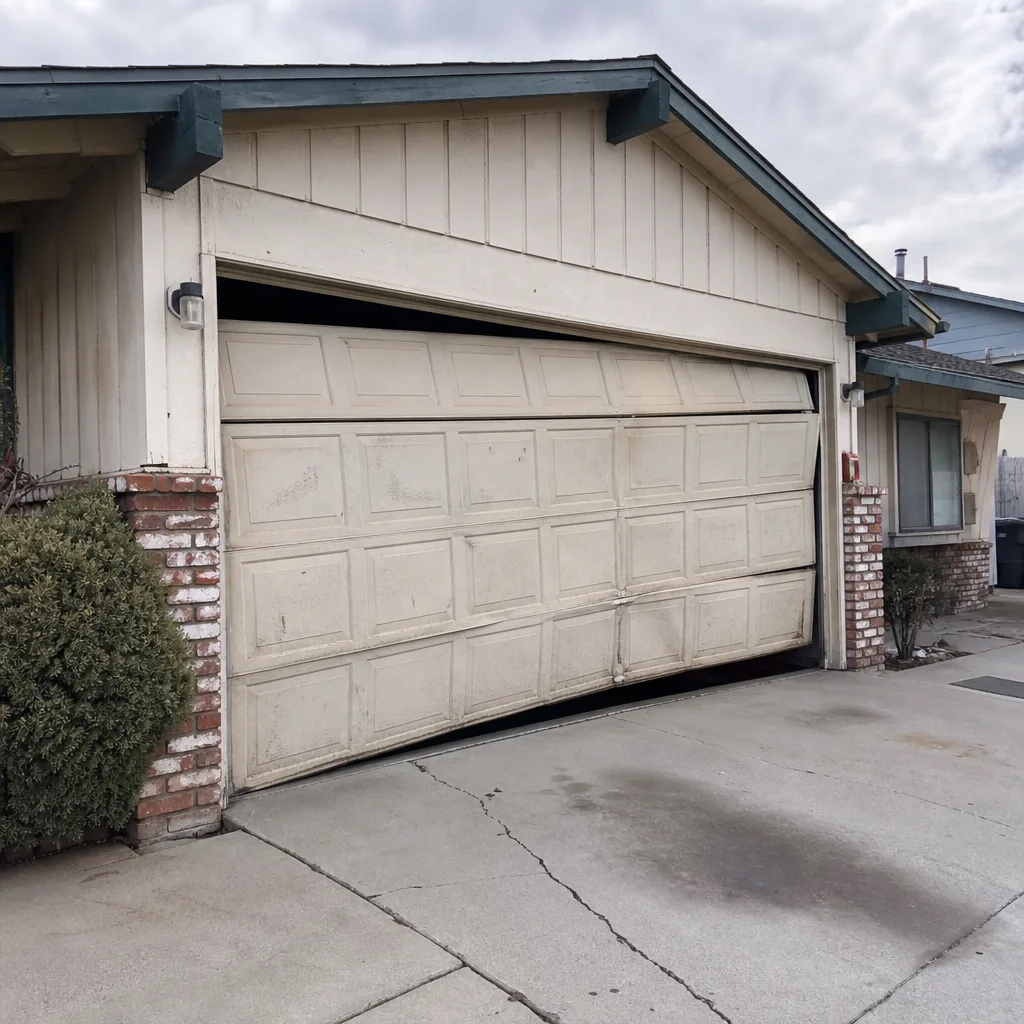 Before
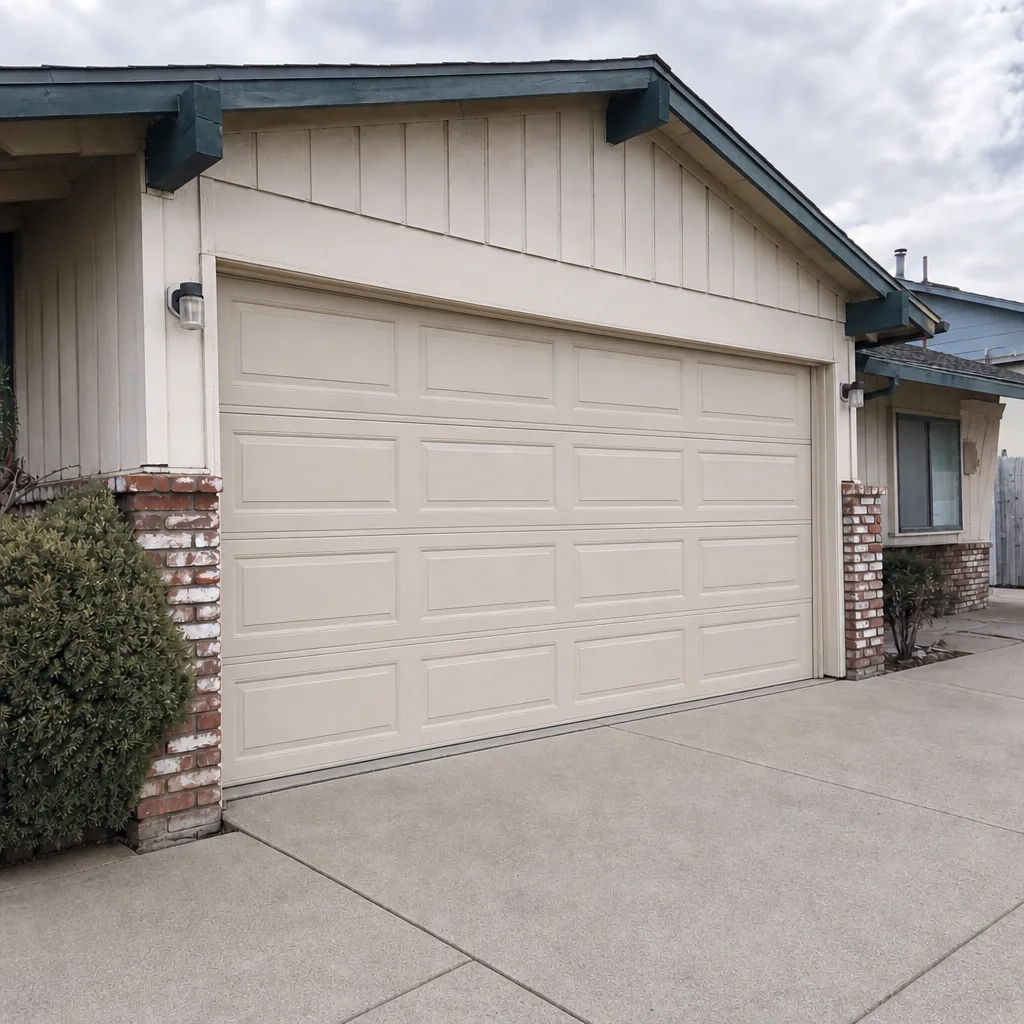 After
When to Call a Professional
Call in for anything involving the springs, cables, or bottom brackets. That’s not us being cautious – those parts store enough energy to break a wrist, and they’re the parts a homeowner is most tempted to tackle after watching a video. Also call in if the door is off track, if the opener strains or stops mid-cycle, or if you hear a loud bang from the garage followed by a door that won’t lift by hand. For rollers, hinges, and the bottom seal, we’re happy to walk you through it, and if you buy the parts from us we’ll give you the right sizes for your door. Our technicians have up to 22 years of experience – the person who answers your call is often the one who shows up. Otto’s Garage Door Spring Valley offers free estimates in Spring Valley – call (888) 318-1978.
Frequently Asked Questions
In most cases, it’s the torsion spring, which sits on the shaft above the door and carries most of the door’s weight. If the door won’t lift by hand and there’s a loud bang from the garage, that’s almost always a broken torsion spring. If the door lifts partway then stalls, it may be a snapped cable instead. Either way, stop using the door and call for service.
Typical installed cost in Spring Valley runs $190 to $350 for a standard-cycle spring pair, or $260 to $450 for high-cycle. The exact number depends on the door’s weight and the cycle rating you choose. Call (888) 318-1978 for an exact quote – estimates are free.
Yes, rollers and hinges are among the safer garage door parts to replace yourself, as long as you don’t touch the spring, cable, or bottom bracket. Use a stepladder, work on one roller at a time, and never loosen the bottom bracket. If you’re not sure which hinge number you need, bring the old hinge to us and we’ll match it.
OEM parts are safest for openers, because the gear and sprocket fit matters on most brands including LiftMaster, Chamberlain, and Genie. Aftermarket opener parts vary more in quality than door hardware does. If you’re repairing an opener, bring the model number from inside the motor housing and we’ll match the part.
In Spring Valley, it’s usually caliche grit in the track, and it can push roller wear roughly 30% faster than the national average. West-facing doors and doors near a windy driveway wear faster. If you want a quick fix, clean and lubricate the rollers twice a year with a dry silicone spray.
Yes. Our technicians are background-checked, trained across all major brands, and carry up to 22 years of experience working on residential doors. We quote the job on the call and hold the number at the door. Call (888) 318-1978 and we’ll talk through your parts before anyone commits you to a repair.
The Bottom Line
Every garage door breaks down into three systems – spring and cable, track and roller, bottom fixtures and seals – and once you can name what failed, the quote in front of you gets a lot clearer. In Spring Valley, expect rollers to wear roughly 30% faster than the national average, bottoms seals to crack earlier, and pool-garage cables to corrode on a shortened schedule. Spend up on springs and cables, mid-grade is fine on hinges and brackets, and buy the common parts when you actually need them with the right measurements in hand. If you’re not sure what you’re looking at, we’re happy to walk you through it.
Call Otto’s Garage Door Spring Valley at (888) 318-1978 for a free estimate. We answer the phone around the clock, we quote the job on the call and hold that number at the door, and the 90-Day Done Right Promise is written on every invoice. If you’ve got a quote from someone else you’re not sure about, use our Free Second Opinion – it doesn’t cost anything to know what you’re looking at.
For the bigger picture on what we do, start at our Otto’s Garage Door Spring Valley home, or if you’re planning ahead, our Garage Door Installation in Spring Valley and Garage Door Opener Repair & Installation in Spring Valley pages cover those jobs in more detail.
Written by the team at Otto’s Garage Door Spring Valley.